How Much Does It Cost to Build a House in Florida Per Square Foot

October 18, 2026
Florida is one of the most active new-construction markets in the country, and for good reason — the state draws hundreds of thousands of new residents every year. But before you break ground, you need a clear picture of what building actually costs, because the numbers vary far more than most people expect.
Whether you’re planning a modest inland home or a custom coastal build, understanding the per-square-foot cost — and everything that sits behind it — can save you from costly surprises mid-project. This guide breaks down every major cost category, from land and labor to permits and hurricane-resistant upgrades, so you can budget with confidence.
Average Cost to Build a House in Florida
The cost to build a house in Florida is $350,000 to $600,000 on average, not including the cost for the land and site prep. That said, the range is wide. On average, the cost to build a house in Florida in 2025 stands around $300,000, though prices can range significantly from $270,000 to $560,000.
A 2,000 square foot home usually costs $300,000 to $700,000 across Florida. In South Florida’s coastal markets, the same size often climbs to $800,000–$1 million or more because of impact-rated materials, premium labor rates, and stricter structural codes.
Florida homebuilding costs have shifted fast over the past year, and the latest data shows construction prices are still 5–8% higher than last winter, driven mostly by labor shortages, concrete demand, and ongoing supply-chain drag in coastal counties. Even as inflation cools nationally, construction inflation in Florida hasn’t fully followed.
Key Insight: Per-square-foot estimates typically cover structural components, finishes, and labor — but they do not include land purchase, site prep, or utility hookups. Always budget for these separately.
Key materials like concrete, roofing, and lumber keep inching up, pushing Florida’s total build costs about 6–9% higher than the national average. If you’re exploring what it costs to build a smaller structure like a greenhouse before committing to a full home build, that can also help you evaluate local contractor pricing in your area.
Cost to Build a House Per Square Foot in Florida
Plan on $150–$350 per square foot in 2026 for most new builds. At that range, a 2,000-sq-ft home lands roughly between $300,000 and $700,000 or more before land. Here is how the tiers break down:
| Build Type | Cost Per Sq Ft | 2,000 Sq Ft Estimate |
|---|---|---|
| Prefab / Modular | $100–$200 | $200,000–$400,000 |
| Entry-Level / Builder-Grade | $150–$250 | $300,000–$500,000 |
| Mid-Range / Semi-Custom | $250–$400 | $500,000–$800,000 |
| Custom / High-End | $400–$800+ | $800,000–$1,600,000+ |
The cost to build a house in Florida is $180 to $280 per square foot for a basic, builder-grade home with standard finishes. Builders typically offer these homes in a limited number of styles and floor plans. The average cost to build a custom home in Florida is $280 to $400 per square foot for a house with upgrades like granite countertops and hardwood floors or high-end fixtures and finishes.
Fully custom residences, especially in South Florida, typically range from $500 to $1,000 per square foot, assuming the use of mid- to upper-tier materials and moderate architectural complexity. Luxury construction in Florida starts around $600 per square foot and can exceed $1,000 per square foot, depending on imported materials, structural engineering, and bespoke architectural features.
Inland builds average $155–$245 per sq ft; coastal builds run $185–$295 per sq ft. In high-risk coastal areas like Miami-Dade, strict wind-load requirements can push construction costs to between $210 and $325 per square foot.
Pro Tip: Add a 10–20% contingency buffer on top of your per-square-foot estimate to cover change orders, mid-project upgrades, and unexpected overruns.
Cost Breakdown: What You’re Actually Paying For in Florida
Understanding where every dollar goes helps you make smarter decisions — and spot where you might be able to trim costs without sacrificing quality.
Materials make up about 50% of the total cost to build a house. Budget between $135,000 and $280,000, or an average of $150,000 for materials when building a new house in Florida, plus up to 20% for overage and wastage. Next to the cost of materials, labor is the second largest cost factor when building a new house. It accounts for 40% of your total cost, translating to about $120,000 in labor for an average $300,000 Florida home.
Here is a phase-by-phase look at where your money goes:
- Foundation: Most homes in Florida have a monolithic concrete slab foundation with no crawl space or basement. This foundation type requires the least excavation work and minimizes moisture problems. A concrete slab foundation costs $6 to $14 per square foot or $12,000 to $40,000 total on average. Coastal and lakefront homes may require a pier foundation instead to raise the home’s height and protect it from flooding. A pier and beam foundation costs $14,000 to $28,000.
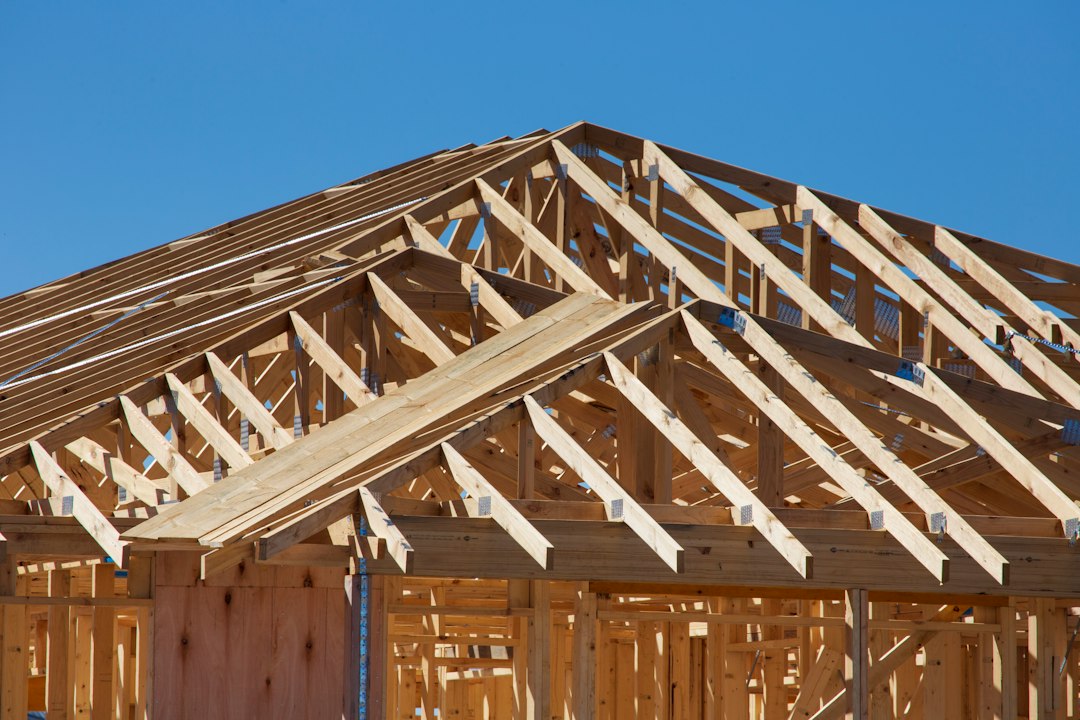
- Framing and Roofing: The average cost to frame a house is $35,000 to $75,000 total including the roof trusses. Framing takes 30 to 60 or more days, depending on the home’s size, design, and layout. After framing, new roof installation costs $10,000 to $25,000 total, depending on the material.
- Exterior Finishes: Siding for a house costs $12,000 to $35,000 or more total with installation, depending on the material and quality. Vinyl and aluminum siding are affordable options. Stucco costs $7 to $17 per square foot and is another popular choice for Florida homes.
- Windows and Doors: Windows and doors cost $16,000 to $50,000 with installation. Many Florida homeowners prioritize large windows and sliding glass doors to capture natural light and provide access to outdoor living spaces.
- Electrical: The average cost to wire a new house is $12,000 to $20,000 total. Costs fall on the higher end of the range if your house has a complex layout or requires a high-capacity electrical service panel.
- Plumbing: Installing new plumbing costs $12,000 to $25,000, depending on the home size and the pipe material used. Rough-in plumbing for a new home includes installing pipes, connections, drain lines, water supply lines, and vents.
- Insulation and Drywall: Insulation and drywall installation cost $12,000 to $40,000 for the materials and labor. Florida homes require strategic insulation to combat heat and humidity while meeting energy efficiency standards. The state’s building codes emphasize moisture management and cooling efficiency to reduce air conditioning costs in the subtropical climate.
- Interior Finishes: Cabinets cost $150 to $500 per linear foot or $4,500 to $15,000 or more total. New countertops cost $50 to $150 per square foot with installation. Flooring costs $4 to $15 per square foot on average or $8,000 to $30,000 total.
- HVAC: The installation of a new heating and cooling system could cost between $5,000 and $15,000 depending on the unit type, size, and brand.
- General Contractor Fee: A general contractor coordinates your entire home construction project, orders materials and supplies, hires the subcontractors, and keeps the project running on schedule. General contractors charge 10% to 20% of the construction budget.
Exterior finishes — including your roof, siding, exterior paint, and windows and doors — account for 15–20% of total cost. Choosing high-impact windows and doors is a significant investment, but it’s essential for safety and can even help lower your insurance premiums. Major systems like plumbing, electrical, and HVAC account for another 10–15% of total cost.
Important Note: Hurricane-proofing adds meaningful cost. Installing hurricane windows ranges from $4,600 to $20,500, hurricane shutters from $1,500 to $5,850, and a hurricane shelter from $2,800 to $13,500.
If you are comparing housing costs across different Florida markets, it can also be useful to review apartment costs in Florida or specifically apartment costs in Orlando and apartment costs in Miami to understand the full housing cost landscape before deciding to build.
Cost of Land in Florida
Land is one of the most variable line items in your entire build budget — and it is not included in any per-square-foot construction estimate.
The average cost of land in Florida is $30,000 to $50,000 or more per acre, depending on the location. Home lots in Florida’s major cities often cost much more, and prices for oceanfront lots can easily exceed $500,000 per acre.
The average price per acre in Florida is $35,000, but this varies significantly across different areas and types of land, ranging as low as $3,500 to $250,000. Here is how land prices break down by region:
| Region | Approximate Price Per Acre |
|---|---|
| Rural Panhandle / North Central Florida | $10,000–$50,000 |
| Inland / Suburban Central Florida | $30,000–$100,000 |
| Gulf and Atlantic Coastal Counties | $100,000–$250,000+ |
| Southeast Florida (Miami-Dade, Broward, Palm Beach) | $50,000–$450,000+ |
| Monroe County (Florida Keys) | $500,000–$1,250,000+ |
Monroe County (The Keys) has the highest median price at an incredible $550,000 per acre, followed by Miami-Dade County ($250,000) and Pinellas County ($225,000). On the other end of the spectrum, rural counties like Holmes or Calhoun have land averaging only $10,000–$15,000 per acre.
Beyond the purchase price, land comes with additional preparation costs. You must clear and level the land before construction, which can cost anywhere between $1,500 and $3,000. A land survey costs $400 to $1,800 on average for new construction. The surveyor will mark property boundaries, utilities, and the proposed foundation borders.
Permits and impact fees vary widely, from $10,000 to $24,000 depending on county. Building permit fees in Florida typically range from $5,000 to $10,000, covering necessary inspections and regulatory compliance for residential construction.
Pro Tip: If you already own land in Florida, you have a significant financial advantage. Eliminating the land purchase and preparation cost is one of the biggest ways to reduce your total build budget.
For context on how housing markets differ across the country, you might also compare apartment costs in DC, apartment costs in New Jersey, or apartment costs in Manhattan to understand how Florida’s land and housing costs stack up regionally.
Factors That Affect Building Costs in Florida
Florida is a uniquely challenging state to build in. Several factors push costs well above what you might expect in other parts of the country.
Location and Coastal Proximity
Location is a huge factor in the cost to build a house in Florida. Land and construction costs are lower in the state’s more rural areas and highest in beachfront locations or major cities like Miami and Tampa. Waterfront zones in Miami-Dade, Broward, and Palm Beach command higher costs due to stricter codes, elevated foundations, and increased labor demand.
Hurricane Codes and Storm Resistance
Florida codes dictate specific roofing materials, underlayment, and attachment methods — like hurricane straps — to keep the roof from lifting off during a major storm. The entire house, from the foundation to the roof, is literally tied together with a system of steel connectors and reinforced concrete. This creates a continuous load path that can handle the immense force of hurricane winds. The higher cost of insurance in Florida affects overall construction and build costs.
Construction Method
Wood framing is the cheapest upfront but least durable in hurricanes. CMU (concrete block) is a common mid-range option, solid but not highly energy efficient. ICF (Insulated Concrete Forms) costs more upfront but offers superior storm resistance, energy savings, and long-term value.
Home Size and Design Complexity
It’s a common misconception that smaller homes are always cheaper. In fact, smaller homes can cost more per square foot, especially if you want custom features in a tighter footprint. Two-story homes add costs for engineering, framing, and sometimes foundation reinforcement. Complex layouts — think multiple rooflines or split-level designs — bump up labor and design fees.
Labor Supply and Market Timing
High demand for construction boosts wages to $50–$75 per hour. Hiring early and negotiating fixed-price contracts may keep costs predictable. Labor availability is still tight, insurance premiums continue climbing, and material volatility hasn’t fully stabilized.
Architectural and Finish Choices
Luxury finishes significantly impact construction budgets. Premium flooring such as hardwood or marble costs $10–$30 per square foot, while custom cabinetry adds between $20,000 and $50,000, depending on materials and design.
Common Mistake: Many buyers forget to budget for soft costs — architectural plans, engineering fees, inspections, and interior furnishings. For a 2,000 sq ft home, budget at least $20,000 for interior furnishings alone.
Building vs. Buying a House in Florida
The build-vs-buy decision in Florida is more nuanced than in most states. The answer largely depends on where in Florida you are looking, what you want, and how much time you have.
The average price of a home in Florida in 2025 is $415,000, but construction costs can balloon to $500,000 or more once land, permits, and delays are factored in. That makes the comparison tighter than it might first appear.
| Factor | Building | Buying |
|---|---|---|
| Upfront Cost | $300,000–$700,000+ (before land) | ~$415,000 median (2025) |
| Timeline | 9–18 months | 1–2 months to close |
| Customization | Full control | Limited to existing layout |
| Condition | Brand new, modern codes | Varies; may need updates |
| Hurricane Readiness | Built to current codes | Older homes may need upgrades |
| Long-Term ROI | Higher in growth areas | Immediate equity access |
Whether it’s cheaper to buy or build a house in Florida depends on location, home prices, and quality expectations. In many Florida markets, spec homes or homes for sale may cost less upfront than building a custom home. Building is often more cost-effective long-term, especially when land acquisition is affordable and construction loans are structured efficiently.
While new homes take 9–12 months, homes for sale in Florida close in just 1–2 months, with more listings and lower prices. If speed and certainty matter most, buying an existing home has a clear advantage. But if you want a home built to today’s hurricane codes with modern energy efficiency and full customization, building delivers something that no resale property can match.
Generally, buying is cheaper upfront, while building may offer higher ROI over time — especially if done in affordable, high-growth areas like Ocala or Lehigh Acres.
If you’re still weighing your options across different markets, it’s worth comparing housing costs in other states. See what apartments cost in North Carolina, apartments cost in Ohio, or apartments cost in Michigan to get a broader sense of regional housing markets.
How to Save Money When Building a House in Florida
Building costs in Florida are not going down anytime soon, but there are real, proven strategies that can keep your budget under control without sacrificing structural integrity or livability.
1. Simplify Your Design
Straightforward layouts, fewer angles, and simple rooflines reduce labor and material costs. Every additional roofline or custom corner adds engineering hours and material waste. A clean rectangular or L-shaped footprint is one of the most effective ways to reduce your per-square-foot cost.
2. Build Inland Instead of on the Coast
A 3,000 sq ft Sarasota custom at $200 per sq ft costs approximately $600,000. The same build in Manatee County averages approximately $420,000 — a $180,000 savings just by changing ZIP codes. Inland builds also benefit from simpler permitting and lower insurance costs over time.
3. Consider Prefab or Modular Construction
Prefab or modular options can save both time and money without sacrificing quality. Modular builds can come in near $100–$110 per sq ft. Keep in mind that you will still need to budget for land, permits, impact fees, foundation, and utilities on top of the modular build cost.
4. Get Multiple Builder Bids
Getting multiple quotes helps you find competitive pricing. Upgrading finishes selectively keeps the budget balanced. Ask each contractor for a fully itemized bid — not just a lump sum — so you can compare line by line.
5. Plan Permits and Inspections Early
Avoid delays and extra fees by submitting documents and applications on time. Permit delays are one of the most common sources of budget overruns in Florida, particularly in coastal counties where approvals involve more agencies.
6. Buy Materials in Bulk Where Possible
Buying in larger quantities may give discounts on key items like lumber or concrete. Work with your builder to identify which materials can be purchased in bulk early in the project before price increases hit.
7. Choose Standard Finishes Strategically
You do not have to go builder-grade on everything, but being selective about where you splurge matters. Builder-grade keeps costs lean; custom cabinetry, stone, and luxury fixtures lift totals. Prioritize upgrades in rooms you use most — kitchens and primary bathrooms — and keep secondary spaces simple.
8. Invest in Hurricane-Resistant Features Upfront
Florida’s tropical climate requires hurricane-ready features. These add cost but can reduce insurance premiums and protect your home. Skimping on storm protection to save money now often costs far more in insurance premiums and repairs over the life of the home.
Pro Tip: Lock in a fixed-price contract with your builder before construction begins. With material costs still rising in 2026, open-ended cost-plus contracts expose you to unlimited overruns. A fixed-price agreement transfers that risk to the builder.
For additional perspective on housing costs across other high-growth states, explore what it costs to live in markets like Phoenix, Las Vegas, or San Francisco — all markets that share Florida’s pattern of strong in-migration and rising construction demand.