Latest in this archive
Why Are My Marigold Leaves Turning Yellow? Causes and Fixes
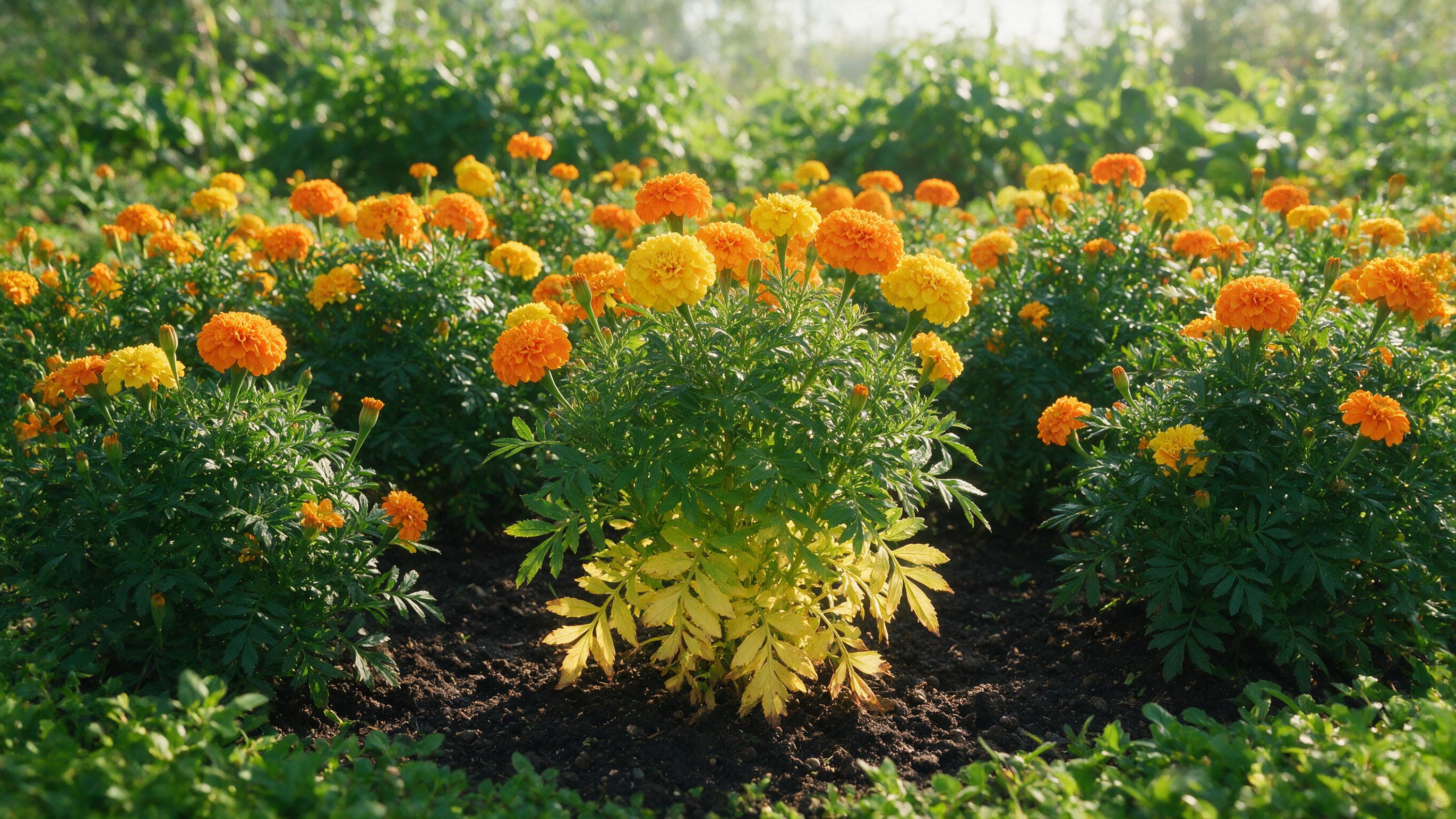
Marigolds are some of the most rewarding flowers you can grow in a US garden — tough, cheerful, and usually trouble-free.
Pages
About the publication
Search the archive
Category archive
457 stories
Marigolds are some of the most rewarding flowers you can grow in a US garden — tough, cheerful, and usually trouble-free.
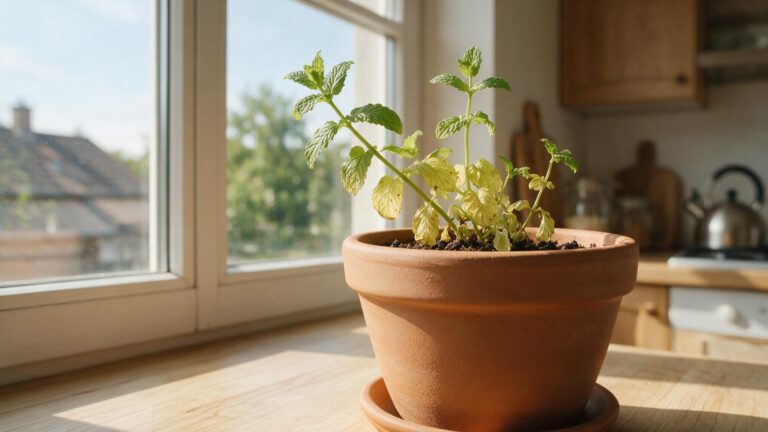
Mint has a well-earned reputation for being nearly impossible to kill — it spreads aggressively, bounces back from neglect, and thrives in conditions that would finish off more delicate herbs.
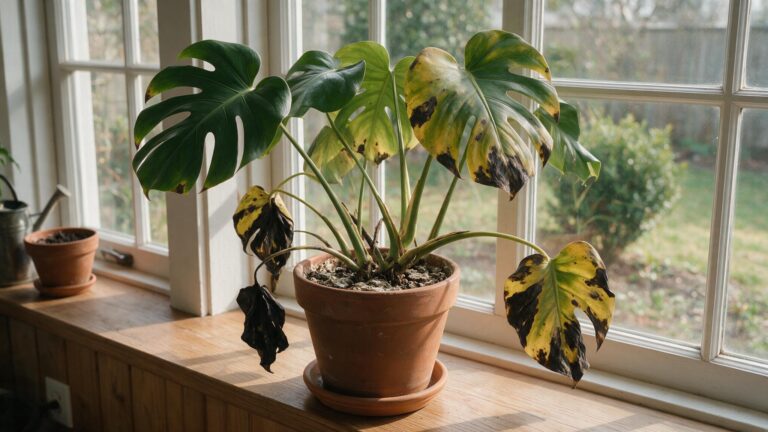
Few things stop a plant parent in their tracks like spotting dark patches creeping across their Monstera’s gorgeous split leaves.
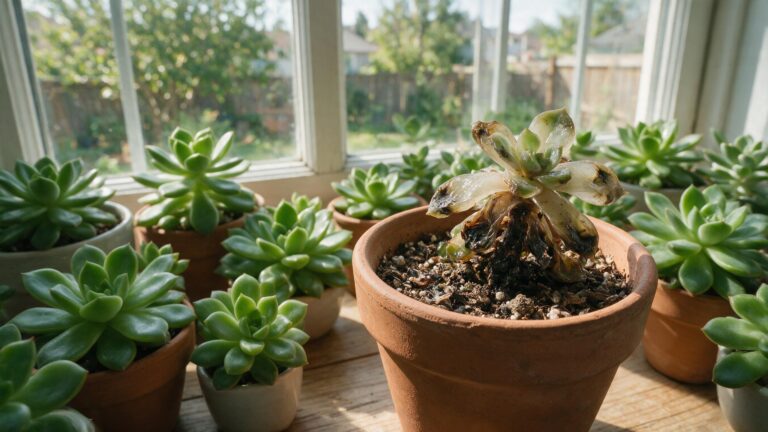
A succulent turning black is one of the most alarming things a plant parent can discover — especially when these plants have a reputation for being nearly indestructible.
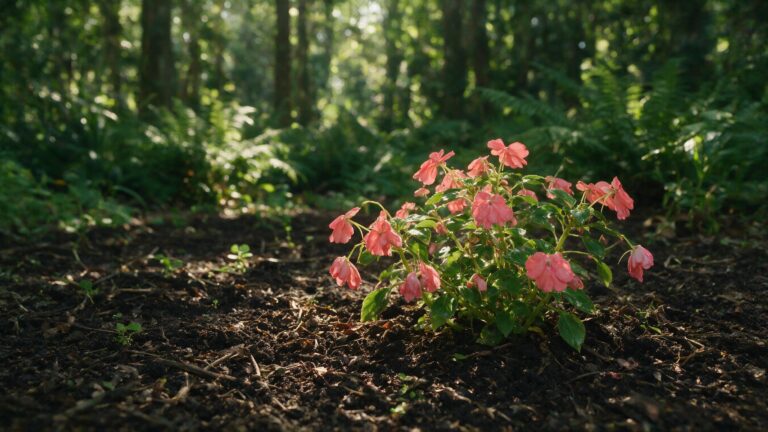
Few things are more frustrating than watching your impatiens — those cheerful, shade-loving annuals — suddenly droop and look defeated.
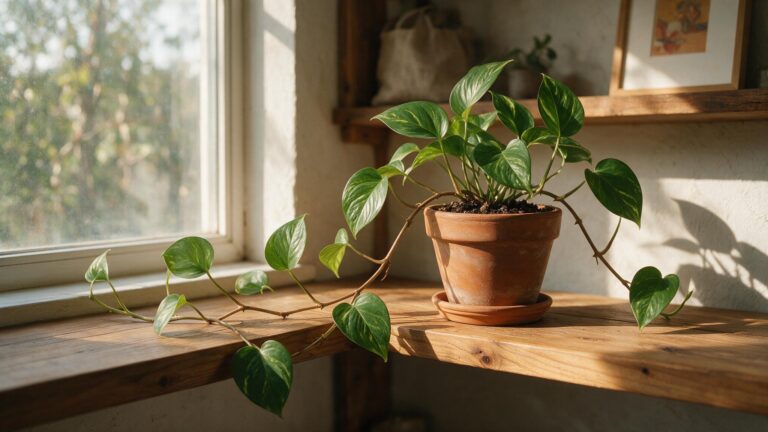
Pothos has a reputation for being nearly impossible to kill, so when yours sits frozen in place — no new leaves, no trailing vines, nothing — it can feel genuinely baffling.
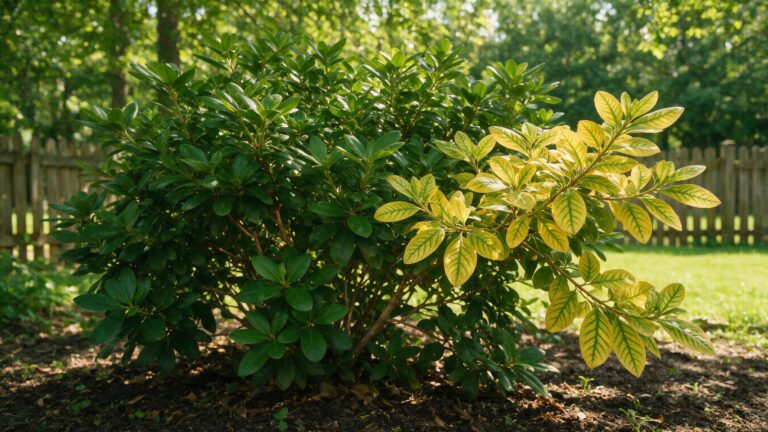
You walk out to your yard and notice it — the leaves on your azalea have gone from lush green to a concerning shade of yellow.
You walk out to your garden or peek at your windowsill pot, and there it is — a tall, spindly stem topped with a cluster of tiny white or purple flowers where your lush basil used to be.
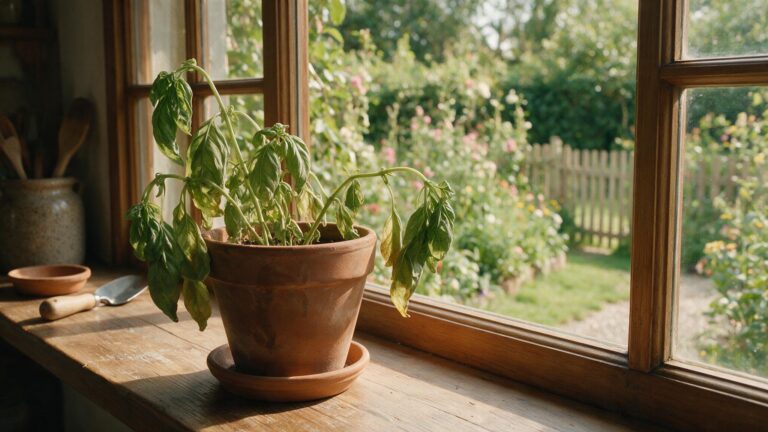
Few things stop a plant lover mid-step like walking past their rubber plant and noticing the leaves hanging limp instead of standing bold and glossy.
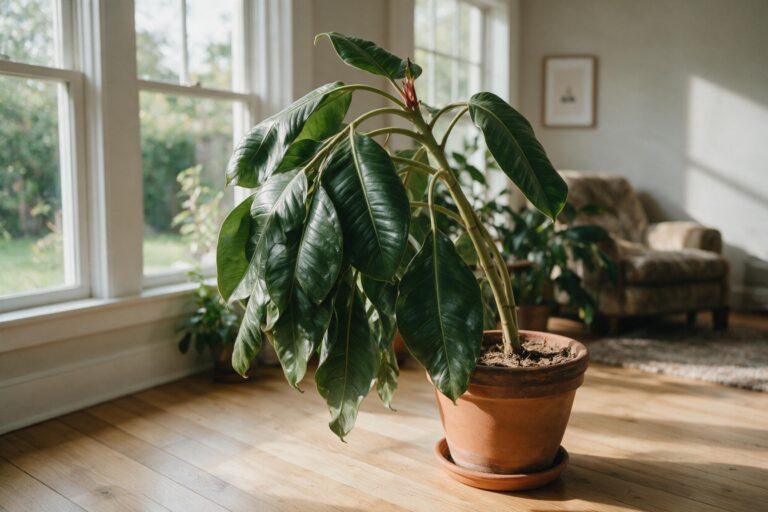
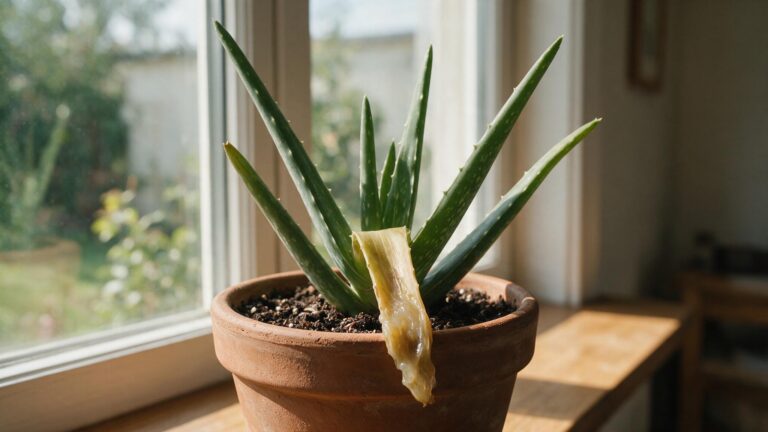
Aloe vera has a reputation for being nearly indestructible, but even the toughest succulents send distress signals when something is wrong.