Why Is My Basil Flowering? What’s Really Going On and What to Do

September 18, 2026
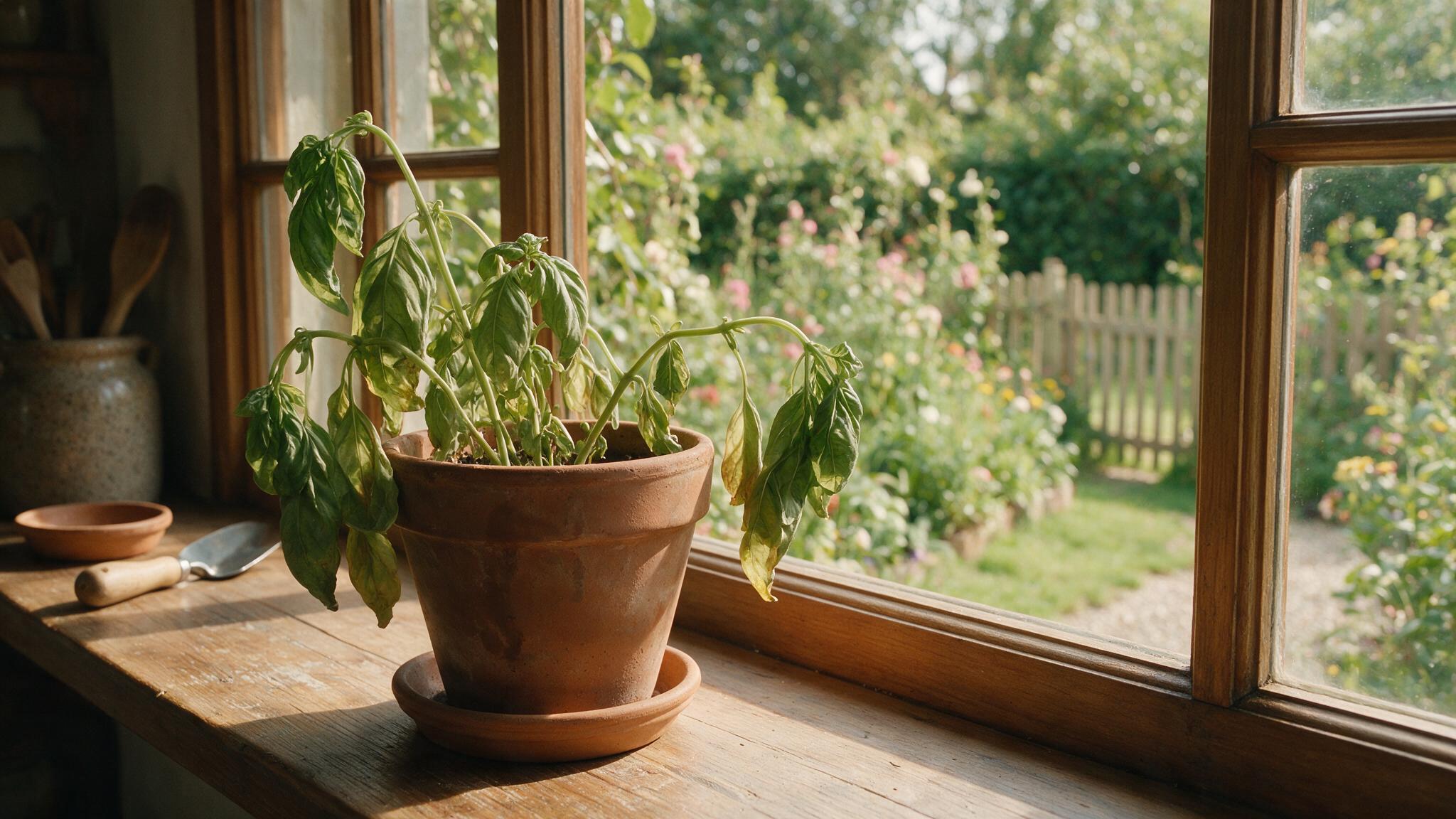
You walk out to your garden or peek at your windowsill pot, and there it is — a tall, spindly stem topped with a cluster of tiny white or purple flowers where your lush basil used to be. It’s one of the most common surprises for herb gardeners across the United States, and it happens to even experienced growers every single summer.
The good news is that your plant isn’t dying, and you didn’t do anything catastrophically wrong. Seeing flowers on your basil is a sign that the plant is “bolting” — a fascinating natural process that is simply a plant’s way of saying it’s ready to move on to the next stage of its life: making seeds. The less-good news is that once it starts, the clock is ticking on your harvest. Understanding exactly why it happens — and what you can realistically do about it — makes all the difference between a season-long supply of fragrant leaves and a pot full of bitter, woody stems.
What’s Actually Happening to Your Basil Right Now
Basil is a popular herb prized for its aromatic leaves used in cuisines worldwide, but one of the most common challenges gardeners face is bolting — the process where the plant shifts from leaf production to flowering and seed setting. When you see those flower spikes emerge, your plant has made a fundamental biological decision to stop growing leaves and start reproducing.
When a basil plant flowers, it shifts its energy. Instead of pouring resources into growing big, flavorful leaves, it diverts that energy into producing flowers and, eventually, seeds — ensuring the next generation of basil can grow. This is why bolting basil looks so different from healthy basil: the stems shoot upward, the leaves shrink, and the whole plant takes on a leggier, more open shape.
Bolting basil — when your lush, fragrant herb suddenly sends up a tall, woody central stem topped with small white or pale purple flowers — is not a sign of maturity to celebrate; it’s a physiological stress response that degrades flavor, reduces leaf yield, and signals the end of productive harvest. That said, it’s a completely normal part of the basil life cycle, and knowing what’s driving it puts you back in control.
Basil (Ocimum basilicum) is a warm-season annual that evolved in Mediterranean and tropical climates. Its entire biological program is built around growing fast, flowering before conditions deteriorate, and setting seed to carry its genes into the next year. Your garden in July is doing exactly what that program tells it to do.
Key Insight: Bolting isn’t caused by a single mistake. It’s the result of your basil completing its natural life cycle — often accelerated by heat, long days, or stress. You can slow it down significantly, but you can’t stop it forever.
Is This Normal, or a Sign Something’s Wrong?
Here’s the honest answer: both can be true, and the timing tells you which one you’re dealing with. When basil shifts energy to produce flowers and seeds, it is a natural end to the plant’s life cycle. However, when this happens prematurely, it is caused by an environmental factor that stresses the plant, such as summer heat.
If your basil has been growing for six to eight weeks through a hot American summer and is now flowering, that’s normal. When your basil bolts, it is going to seed. This reproductive response is prompted by cool conditions followed by suddenly warm ones. For annuals like basil, that’s the signal it’s time to produce seed and spread them for next season.
If your basil is only a few weeks old and already pushing up flower spikes, that’s a stress signal worth investigating. This is called premature bolting and is almost always a sign of stress — the plant thinks it’s in danger and is trying to reproduce before it dies. In that case, look at your pot size, watering consistency, and whether the plant has been exposed to a sudden temperature spike.
You can also tell a lot by watching the leaves. When basil starts bolting, you’ll notice that it grows taller and its leaves become smaller and narrower. Another sign of bolting is that the stems become thicker and may have a woody texture. If you catch it at this stage — before the actual flowers open — you still have options. If the flowers are already blooming, the process is further along, but the plant isn’t a lost cause yet.
For a broader look at how different plants respond to environmental stress, the many types of plants you might grow each have their own bolting patterns and thresholds worth knowing.
The Real Trigger Behind Basil Flowering
Basil bolts primarily in response to three interconnected triggers: increasing day length (photoperiod), sustained temperatures above 80°F (27°C), and plant age — especially after the fifth or sixth true leaf pair. These aren’t random — they work together as a biological clock that tells the plant summer is peaking and it’s time to reproduce.
Basil bolting is triggered primarily by two factors: long days — as daylight hours increase, your basil plant is prompted to bolt, which is a common response in many plants as longer days often signal the arrival of the warmer growing season — and warm temperatures. When temperatures consistently rise above 80°F (27°C), the plant may perceive it as the right moment to produce flowers and seeds.
This is why bolting is so predictable in states like Texas, Florida, Georgia, and the Southwest. By mid-June, you’ve got long days and scorching afternoons — a perfect storm for any basil plant. Even in cooler northern states, a brief heat wave in late spring can trigger the same response almost overnight.
Pro Tip: The first sign of bolting often appears 5–10 days before you actually see flowers. Watch for stem thickening near the base, upward-curling new leaves, and noticeably smaller leaf size in new growth — catching it here gives you the best chance to intervene.
Whenever basil flowers, it gets tall and stops producing large leaves. The plant redirects all of its energy up to the tips where the blooms appear. That’s why a bolting plant looks so dramatically different from a bushy, productive one — it’s not growing outward anymore, only upward.
Other Factors That Can Speed It Up or Make It Worse
Heat and day length are the main drivers, but several other factors can push your basil into bolting faster — or make an already-bolting plant decline more quickly. Knowing these helps you troubleshoot and buy yourself more time.
- Drought stress: The best soil for basil is one that is both fertile and well-draining. But if your soil is very sandy, or the plants are allowed to dry out — especially to the point of wilting — in between waterings, they will start to produce flower buds.
- Pot size: Basil in containers thrives when given the right-sized pots — ideally those that are at least 12 inches in diameter and hold 2 to 3 gallons of potting soil. Pot-bound roots impact plant health and new leaf production. Expect these plants to bolt quickly.
- Skipping harvests: Neglect, such as forgetting to harvest leaves regularly, can speed up bolting since mature leaves cue the plant that its reproductive stage should begin.
- Plant age: Older plants are naturally inclined to bolt as they reach the end of their lifespan, regardless of care.
- Variety genetics: Even genetics play a role — some basil varieties, like Thai or Purple Basil, tend to bolt earlier than Genovese types.
- Overcrowding: Stress from inconsistent watering, poor soil, or overcrowding further encourages early flowering, as the plant tries to reproduce before conditions become unfavorable.
Basil also pairs well with tomatoes as a companion plant — and interestingly, placing basil near tomatoes and peppers in the garden means the strong scent of basil helps repel pests that might otherwise attack these plants, a natural form of pest control referred to as companion planting that can lead to a more robust and flavorful harvest. You can read more about plants that grow well with tomatoes if you want to plan a more productive garden bed.
Can You Reverse It?
This is the question everyone wants answered, and it deserves an honest response: not fully. Once basil starts to bolt and produce flowers, you can’t truly reverse the process. However, you can try to slow it down by immediately pinching off any flower buds you see.
Think of it less like a reset and more like damage control. The moment you remove flower buds, you redirect the plant’s energy back toward leaf production — temporarily. The best way to encourage your plants to grow new leaves is to continually cut off the flowers it keeps trying to push up. Once plants flower and go to seed, their energy shifts away from leaf production and towards reproduction. So you’re not reversing anything; you’re just interrupting the signal repeatedly.
Here’s what you can realistically expect at each stage:
| Stage | What You See | What You Can Do | Realistic Outcome |
|---|---|---|---|
| Pre-bolt | Stems thickening, small new leaves | Pinch tips, harvest aggressively | Best chance to delay bolting by weeks |
| Early bolt | Flower buds forming, no open blooms | Pinch all buds, trim by 1/3 | Can extend harvest by days to weeks |
| Full bolt | Flowers open, plant tall and woody | Harvest remaining leaves, use flowers | Limited new leaf growth; consider replanting |
| Seed set | Flowers fading, seed pods forming | Save seeds for next season | Plant is essentially done; start fresh |
Bolted basil leaves are safe to eat, though they may develop a more bitter, less sweet flavor compared to pre-flowering leaves. Many cooks still use the leaves in pesto, salads, or cooked dishes, especially if the leaves are harvested before the flowers are fully open. If you want to use bolted leaves in pesto, mixing bolted leaves with younger leaves or adding extra olive oil and nuts can help balance the flavor.
The flowers themselves are also worth saving. Basil flower buds, as well as the blooms themselves, are edible — and delicious. Toss them into salads, use them as a garnish, or steep them in olive oil for a subtly floral herb oil. And if you let a few plants go all the way to seed, you’ll have free seeds for next year — a genuinely rewarding practice for any home gardener.
Basil often becomes woody and less productive after flowering, but regular pruning and pinching may encourage a bit more leafy growth, especially if a few leaves remain. It’s best to plant new seeds or transplants if you want a fresh, bushy crop. In much of the US, you can get a second planting in by late July or early August in warmer zones, giving you a fresh harvest before the first frost.
Important Note: Unlike bolted lettuce or cracked tomatoes, bolted basil is not a total loss — but the productive leaf harvest is largely over. Manage expectations: you’re extending the plant’s usefulness, not returning it to its prime.
How to Prevent It Next Season
Prevention is where you actually win this fight. A few deliberate choices at the start of the season — and a consistent habit of pinching throughout — can keep your basil bushy and productive for months longer than a neglected plant.
Plant at the Right Time
Your first line of defense against bolting is planting at the right time. Get those seeds in the ground at least two weeks after the last frost. If you’re growing basil outdoors, get transplants in the ground when temperatures are consistently above 50°F (10°C) — cool enough to prevent the flowering phase and warm enough to support the life of this Mediterranean herb. Starting too early in cold soil stresses the plant; starting too late means it hits peak heat while still young and vulnerable.
Pinch Early and Often
This is the single most effective thing you can do. Make regular trimming and pinching a habit. Snip off the top sets of leaves every week or so, especially once your plant hits six inches tall — this encourages bushier growth and helps delay flowering.
During warmer temperatures, trim your basil by at least 1/3 each month and at the first sign of a flowering stem to keep the plant’s energy focused on producing more leaves. When you harvest, cut just above a leaf node — the spot where two leaves branch off the stem. Take a close look at your plant and cut right above the spot where there are two small leaves. Leaving these sets the plant up to grow two more stems that you’ll be able to harvest in a few weeks.
Manage Heat and Sun Exposure
During the summer heat, basil thrives best in the morning sun and afternoon shade. In hot-summer states like Arizona, California, and the Southeast, this isn’t optional — it’s the difference between a plant that lasts until September and one that bolts in June. If sudden heat is an issue in your garden, provide some shade. Shade can reduce the temperature by up to 15 to 20 degrees, and this reduction in temperature is directly related to the prevention of bolting basil.
Water Consistently
Consistent watering is crucial — basil likes evenly moist, not soggy, soil. Letting it dry out or overwatering can stress your plant and trigger bolting, so use mulch to help retain moisture and check soil daily during hot spells. Aim for about 1 inch of water per week, checking the soil at a depth of 1 inch and watering if it feels dry. Good drainage is also essential to prevent root rot and other issues.
Choose Bolt-Resistant Varieties
The final strategy for preventing basil plants from bolting is to grow bolt-resistant varieties. Thanks to modern plant breeding, there are many basils that are slow to bolt — some bred to delay flower production, while others may flower but the blooms are sterile and the plants keep growing.
A few varieties worth seeking out at your local nursery or seed supplier:
- ‘Everleaf’ basil: ‘Everleaf’ basil doesn’t flower as quickly as other varieties, keeping leaves on the plant 12 weeks longer — a regular-sized plant with bunches of domed green leaves.
- Lettuce Leaf basil: A large-leaved variety with a sweet flavor that fits into multiple profiles, and less likely to bolt than other varieties.
- ‘Italian Mountain’ basil: ‘Italian Mountain’ resists bolting due to its cold tolerance, with sweet leaves perfect for caprese, pesto, or slicing up in a salad.
Keep in mind that while these bolt-resistant varieties may slow the bolting process, they will not stop it. They buy you time — often significant time — but basil is still an annual with a finite productive season.
If you enjoy growing herbs and edible plants, you might also explore houseplants suited for low-light areas to keep greenery going indoors year-round, or check out drought-tolerant plants in Florida for ideas on heat-resilient gardening in challenging climates.
FAQ
Can I Still Eat My Basil After It Flowers?
Yes, you can still eat basil leaves after bolting, but the flavor becomes more bitter and less aromatic. The flowers are also edible and offer a milder taste, suitable for garnishing or infusing into oils and vinegar. Harvest leaves from the lower part of the plant where they tend to be slightly less affected by the bolting process.
How Do I Pinch Basil Correctly?
A critical step in stopping your basil from bolting is proper pinching and trimming technique. Regularly prune your basil by cutting off the top 1–2 inches of the plant, which encourages bushier growth. Focus on pinching off the tips of the stems when the plant has at least three sets of true leaves — this way, your basil’s overall health remains intact and the plant stays productive.
Will My Basil Come Back After Bolting?
While you can’t fully undo bolting, you can slow it, safely eat the leaves, and sometimes coax limited new growth with quick trimming. For a truly fresh, bushy plant, starting new seeds or buying a new transplant mid-season is your best move in most US growing zones.
Should I Let My Basil Flower for the Bees?
While bolting is bad for the gardener, it’s good for the bees, which love the small blooms. One option is to allow the basil to flower toward the end of the season when you’re satisfied with your harvest amounts — or plant a few extra basil plants just for the pollinators. It’s a practical compromise that supports your local garden ecosystem without sacrificing your whole crop.
How Often Should I Harvest to Prevent Bolting?
Harvest basil every 1–2 weeks during peak growth, removing up to one-third of the plant each time. Frequent harvesting encourages lateral branching and delays maturity-related bolting. During the hottest weeks of summer, picking leaves even if not needed is a good practice to help keep the plant from bolting.
Does Growing Basil Indoors Prevent Bolting?
Indoor basil is less exposed to outdoor heat spikes and natural day-length changes, which does slow bolting. However, basil thrives in warm conditions and requires at least six hours of sunlight daily. Make sure to locate your basil in a spot where it can bask in sunlight while being shielded during the hottest parts of the day, especially when the temperature consistently exceeds 80°F (27°C), to prevent stress that can lead to bolting. A south-facing window or a supplemental grow light helps indoor plants stay in their productive leaf-growing phase longer. For more on growing plants successfully indoors, see our guide to the best iPhone apps for identifying plants and the best Android apps for identifying plants to help you track and manage your herb garden with ease.