Can You Freeze Guacamole With Onions? What You Need to Know

October 27, 2026
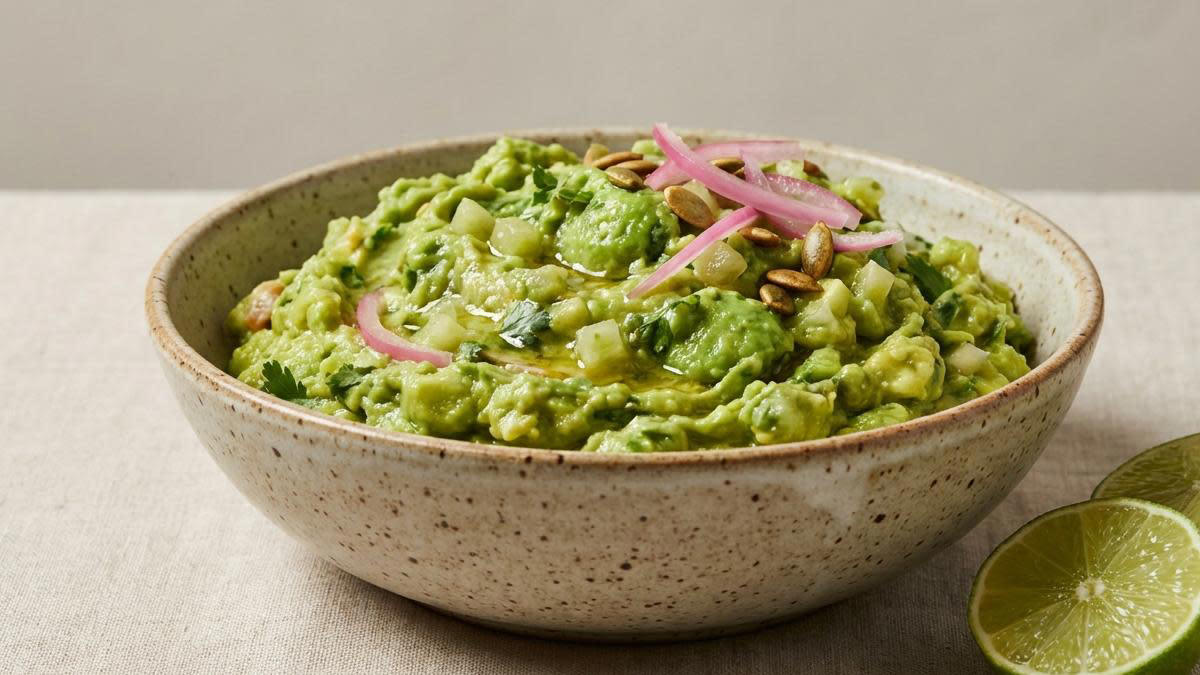
Guacamole is one of those foods that disappears fast at a party but lingers in the fridge when you make too much. If you have a big batch loaded with onions, tomatoes, and jalapeños, you might be wondering whether the freezer is a viable option — or whether it will ruin everything you worked for.
The short answer is yes, you can freeze guacamole, but the onions (and other chunky, water-heavy ingredients) make the process trickier. Understanding exactly what happens in the freezer — and how to work around it — is the difference between a dip worth eating and a watery mess. This guide walks you through everything you need to know.
Can You Freeze Guacamole?
If you’ve ever wondered whether you can freeze guacamole, the answer is yes — with some important tips. Freezing guacamole is a convenient way to preserve leftovers or to make ahead for burrito bowls, nachos, or quesadillas. The catch is that not all guacamole freezes equally well.
Guacamole can freeze well and is an easy way to preserve its flavor and creamy texture. Keep in mind that a creamy guacamole freezes better than a chunky one, since its texture is already pureed. Chunks of avocado, onion, and tomato add a more watery texture after thawing.
Yes, you can freeze fresh guacamole whether it has just been made at home or just purchased at the store. In fact, it is probably best to freeze any extra guacamole you might have as quickly as possible, or make a batch specifically for freezing. The fresher the guac going in, the better it tastes coming out.
Pro Tip: If you know you’re going to freeze a batch, make a simpler base — mashed avocado, lime juice, garlic, and salt — and hold the onions, tomatoes, and jalapeños to stir in fresh after thawing.
Does Freezing Change the Texture or Taste of Guacamole?
Freezing does change guacamole, and it helps to understand why before you commit a whole batch to the freezer. Avocado cells contain a high proportion of water. When frozen, this water forms ice crystals. Ice crystals are larger than liquid water molecules and puncture the cell membranes of avocado cells during the freezing process. When the guacamole thaws, the ruptured cells release their liquid — resulting in a guacamole that is noticeably softer and often slightly watery compared to freshly made.
The onion question is where things get more complicated. Watery ingredients like tomato and onion are notoriously hard to freeze, and they affect the overall texture of the entire dip. If you have additional ingredients in the dip, such as onions or tomatoes, they can increase the water content of the frozen product, making it more likely it will be watery instead of creamy and smooth when defrosted. It can be best to leave these ingredients out of the guacamole you will freeze and add them in later.
On the flavor side, the simple guacamole retained the creamy, luscious texture, but it did lose that “fresh avocado” flavor that perfectly ripe avocados have. Fresh homemade guacamole loses some of the buttery ripe avocado taste that makes a simple guac so delicious, and guac with tomatoes and onions becomes watery and lackluster.
The bottom line: frozen guacamole is still very usable — just not identical to fresh. Thawed guacamole is noticeably softer and often slightly watery compared to fresh, but the flavor is largely preserved and may be only slightly less vibrant.
How to Freeze Guacamole the Right Way
The method you use matters more than you might think. Follow these steps to get the best results from your frozen guacamole.
Step 1: Decide What Goes In
When making freezer-safe guacamole, leave out the few ingredients that get watery when frozen and thawed. Things like tomatoes or fresh onion won’t keep their good texture once they’re frozen either. It’s important that you prepare and freeze the base, then add the rest of the ingredients once you’re ready to serve.
If your guacamole already has onions mixed in, you can still freeze it — just expect a softer, slightly watery result after thawing. Plan to use it in cooked dishes rather than as a fresh dip.
Step 2: Add Citrus to Prevent Browning
Make sure to stir in a bit of lemon or lime juice prior to freezing, and place plastic wrap on any surfaces exposed to air to prevent browning. Don’t add too much citrus juice, as this can introduce more liquid to the dip and affect texture during freezing. More citrus can be added to taste once defrosted.
Step 3: Pack It Properly
For the freezer, use a heavy-duty freezer bag. Scoop the guacamole into the bag, flatten it out, and spread it evenly, releasing as much air as possible. Use an airtight container or a heavy-duty freezer bag to store the guacamole. Press down on the guacamole to remove any air pockets before sealing.
Step 4: Freeze in Portions
Freeze your guacamole in portions so that you don’t end up thawing too much at a time and being unable to refreeze it. Single-serving or meal-sized portions — roughly 1 to 1.5 cups — work well for most households. Label each bag with the date before putting it in the freezer.
Pro Tip: Set a freezer bag inside a wide-mouth mason jar or cup to hold it open while you fill it. This keeps things tidy and makes it easier to squeeze out all the air before sealing.
How Long Can You Freeze Guacamole?
Guacamole only lasts for 2 to 4 days in the fridge, so freezing is a good alternative for long-term storage for up to 3 to 4 months. It is likely safe to keep it longer, but the texture and flavor changes may be more noticeable.
Most food storage sources agree on the 3-month window as the sweet spot. Freeze for up to 3 months, keeping in mind the fresher the guacamole the better. If you’re freezing store-bought guacamole, check the original package date before freezing — don’t freeze guacamole that’s already close to its expiration date.
| Storage Method | How Long It Lasts | Best For |
|---|---|---|
| Room temperature | 2 hours max | Serving immediately |
| Refrigerator | 2–4 days | Short-term leftovers |
| Freezer (simple base) | Up to 3 months | Meal prep, bulk batches |
| Freezer (with onions/tomatoes) | Up to 3 months | Cooked dishes only |
How to Thaw Frozen Guacamole
To thaw your frozen guacamole, the best approach is to allow it to defrost in the refrigerator. This slow process helps to preserve the guacamole’s consistency and taste. Simply transfer the guacamole from the freezer to the fridge and leave it overnight or for about 8 to 12 hours.
If you need it faster, you can immerse the sealed container of guacamole in a cold water bath, changing the water every 30 minutes to reduce thawing time. This method is faster but requires more attention. Whichever method you choose, it’s essential to keep the guacamole sealed to prevent any additional moisture or contaminants from affecting the quality.
Once thawed, stir it well and taste it. Give it a gentle stir, taste, and add a little lime juice or salt if it needs a flavor boost. This is also the right time to stir in fresh onions, tomatoes, cilantro, or jalapeños if you held them out before freezing.
Important Note: Avoid microwaving guacamole to thaw it. Microwaving guacamole can cause it to become unpleasantly mushy and may bring out a bitter taste.
If your thawed guacamole looks a bit watery, don’t discard it. If your defrosted guac has a watery texture, add some fat to revive that creamy texture — try avocado oil or olive oil. A quick stir usually brings it back together.
Can You Refreeze Guacamole After Thawing?
Refreezing thawed guacamole is not a good idea. Refreezing guacamole, or any food for that matter, can not only cause unpleasant changes to the texture and flavor but also heighten the risk of bacteria growth.
Once your guac is thawed, it’s best to keep it refrigerated and eat it within 1 to 2 days. After that, it starts to lose its fresh flavor and can get a bit mushy. Avoid refreezing thawed guacamole since the texture will take a bigger hit.
This is exactly why freezing in single-serving portions from the start is so important. If you freeze in one large container, you’re forced to use it all at once after thawing. Smaller bags give you more flexibility and zero waste. You can learn more about how to handle frozen food safely if you’re transporting or storing larger quantities.
How to Use Frozen Guacamole (Best Uses After Freezing)
Thawed guacamole is appropriate for cooked applications where the texture is transformed anyway — such as quesadillas, enchiladas, soups, and baked dips — but is generally too soft and watery for serving as a fresh dip.
Food Network recommends using frozen, thawed guacamole in dishes that have lots of other flavors going on, like tacos or burritos. The frozen, thawed guacamole will give you the suggestion of guac without having to totally shine on its own — as it would if you served it as a dip with tortilla chips.
Here are some of the best ways to put thawed guacamole to work:
- Taco and burrito filling: Spread it inside a warm tortilla with your other toppings — the texture difference is barely noticeable.
- Quesadilla filling: Mix it with shredded cheese inside a quesadilla for a creamy, rich result.
- Enchilada sauce base: Blend thawed guacamole with sour cream and a splash of salsa verde for a quick green sauce.
- Avocado toast spread: Generously spoon it over toasted sourdough for a Mexican take on avocado toast.
- Salad dressing: Blitz defrosted or leftover guacamole into creamy salad dressings.
- Soup or stew topping: A spoonful of thawed guac stirred into black bean soup or chicken tortilla soup adds richness and flavor.
- Egg dishes: Stir it into scrambled eggs or spoon it over a breakfast burrito.
If you added onions and tomatoes before freezing, these cooked applications are where the thawed guacamole really shines — the softer texture and extra moisture actually work in your favor when the guac is going into something warm.
Signs That Frozen Guacamole Has Gone Bad
Even frozen food has a shelf life, and guacamole is no exception. Here’s what to look for before you use a batch that’s been sitting in the freezer for a while.
- Freezer burn: Grayish or dried-out patches on the surface mean the guacamole lost moisture to air exposure. It’s safe to eat but the texture and flavor will be noticeably off. Scrape off the affected layer and use the rest in a cooked dish.
- Off smell: Look for mold, smell for rancid or putrid odors, and check for slimy texture. A sour or fermented smell that goes beyond the normal lime scent is a red flag.
- Slimy texture after thawing: Some softening is normal, but a slippery or slimy consistency after thawing means the guacamole has spoiled and should be discarded.
- Visible mold: Any fuzzy growth — green, white, or black — means the entire container should go in the trash, not just the moldy section.
- Brown color throughout: Some surface browning is normal and harmless. But if the entire batch has turned a uniform dark brown or gray after thawing, it’s past its prime.
Important Note: Staphylococcus aureus, a common guacamole contaminant, produces heat-stable toxins that cannot be neutralized by refrigerating or reheating the guacamole afterwards. Discard guacamole left out overnight without tasting it.
When in doubt, throw it out. Guacamole is inexpensive to remake, and no dip is worth a foodborne illness.
Frequently Asked Questions
Can You Freeze Store-Bought Guacamole?
Yes. You can freeze both homemade and store-bought guacamole. Store-bought versions that are creamy and smooth — like single-serve squeeze packs — tend to freeze particularly well. Wholly Guacamole and similar commercial brands with preservatives typically last 5 to 7 days after opening when refrigerated. Before opening, they last until the best-before date printed on the package. The preservative system extends the shelf life significantly beyond homemade guacamole without preservatives. Freeze before the best-before date for best results.
Can You Freeze Guacamole With Tomatoes?
It’s not recommended to freeze guacamole with tomatoes or onions. Watery foods tend to leave a lot of liquid when thawed, which will make your defrosted guacamole too runny. However, if you want your guacamole to have tomatoes in it, you can add diced tomatoes once it’s defrosted.
Does Frozen Guacamole Turn Brown?
Guacamole browns quickly because avocado contains a high concentration of the PPO enzyme, which reacts with oxygen immediately when cells are damaged. Mashing the avocado ruptures every cell simultaneously and distributes PPO throughout the entire mixture, creating a very large surface area exposed to oxygen. Keeping air out of the container — and adding a squeeze of lime juice before sealing — slows this process significantly in the freezer.
How Do You Revive Watery Guacamole After Thawing?
Start by draining off any excess liquid pooled on top. Then stir the guacamole vigorously to re-emulsify it. You can add extra ingredients at this point to restore any flavor that might have been lost in the freezing process, including extra citrus juice, onions, chiles, and tomatoes. A small drizzle of avocado oil also helps bring back a creamier consistency.
Can You Freeze Guacamole in a Mason Jar?
Yes, with one important caveat: leave at least an inch of headspace at the top of the jar. Guacamole expands as it freezes, and a jar filled to the brim can crack. Cover the surface with a thin layer of olive oil to prevent browning before sealing the lid. Wide-mouth mason jars work better than narrow-mouth jars because they’re easier to fill and scoop from after thawing.
Is Frozen Guacamole Safe to Eat?
Yes, as long as it was frozen fresh, stored properly in an airtight container, and thawed in the refrigerator. The taste and texture of guacamole may change slightly once frozen and thawed, but following the right steps will help maintain its quality as much as possible. Freezing guacamole is a helpful method to reduce food waste and enjoy this versatile dip at your convenience.
Guacamole with onions is absolutely freezable — the key is knowing that those onions will release water when thawed, and planning your use case accordingly. Freeze a simple base when you can, hold the chunky mix-ins for after thawing, and always use portion-sized bags so you never have to refreeze. With the right approach, you can keep a stash of guac in your freezer and pull it out whenever taco night calls. For more food storage ideas, check out foods that start with G or browse our full collection of foods that start with A for more ingredient inspiration.