Can You Freeze Whole Lemons and Limes? Everything You Need to Know

November 4, 2026
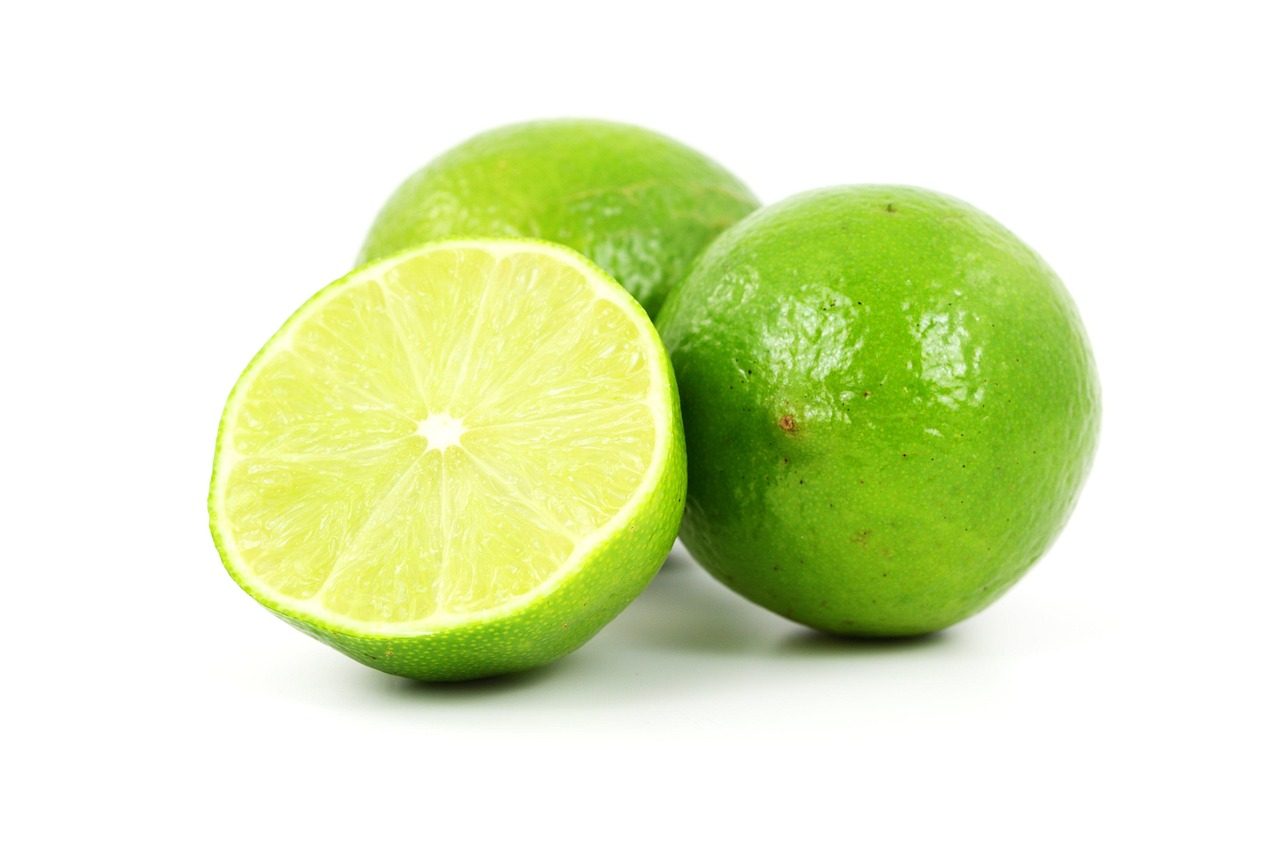
You grab a bag of lemons or limes at the store, use two for a recipe, and watch the rest slowly dry out in the fridge. It happens to almost everyone. The good news: freezing whole lemons and limes is not only possible, it’s one of the smartest food storage moves you can make in an American kitchen.
Whether you bought a bulk bag at Costco, scored a deal at your local grocery store, or simply have more citrus than you can use this week, the freezer is your best tool for extending their life by months. This guide covers everything you need to know — from prep and freezing methods to thawing, best uses, and how to spot spoilage.
Can You Freeze Whole Lemons and Limes?
Yes, you can freeze whole lemons and limes, and citrus fruit stores quite well when done properly. Freezing helps preserve the flavor and nutritional content of the citrus fruits and can also help prevent the growth of mold and bacteria.
Freezing whole lemons and limes offers several benefits, including convenience, cost-effectiveness, and nutritional preservation. By freezing citrus fruits, you can enjoy them year-round, even when they’re out of season, and save money by buying in bulk and preserving them for future use.
The method works for both fruits equally well. Limes behave very similarly to lemons, and both can be frozen whole, especially when you want zest and juice for baking or sauces. You can freeze them separately or together in the same bag — whatever works for your kitchen routine.
Pro Tip: If you regularly cook with both lemons and limes, freeze them in separate labeled bags. That way you can grab exactly what you need without thawing a mixed batch.
Does Freezing Change the Texture or Taste of Whole Lemons and Limes?
Freezing does change the texture, and it helps to understand why. Citrus fruits are made up of tiny, water-filled cells. When those cells freeze, the water inside them expands into ice crystals. Those crystals rupture the cell walls, which is why thawed citrus feels softer and releases more juice.
Limes freeze well, but their texture changes. Once thawed, the flesh and peel will be softer than a fresh lime. That means frozen limes are not the best choice when you need a crisp, pretty garnish. The same applies to lemons.
On the flavor side, the news is mostly good. Freezing citrus doesn’t destroy flavor — it changes structure. The taste won’t be exactly the same as fresh: you’ll keep the acidity and gain softness, but lose a bit of that sharp, floral top note. For most cooking, baking, and drink applications, that difference is barely noticeable.
There’s also an unexpected upside. Frozen lemons and limes are almost easier to zest, and once thawed they release their juice more readily because, as with any fruit or vegetable, freezing and thawing weakens the cell walls. So while the texture softens, you often get more juice out of a thawed lemon or lime than a fresh one that has been sitting in the fridge for a week.
How to Freeze Whole Lemons and Limes the Right Way
There are three main ways to freeze lemons and limes: whole, in slices or wedges, and as juice cubes. Each has its best use case. Here’s how to do each one correctly.
Method 1: Freezing Whole
This is the simplest approach and gives you the most flexibility later. Wash the limes (or lemons) well to remove any wax, dirt, or residue from the peel. Dry them completely with a clean towel. Let them sit on the counter for about 20 to 30 minutes so the peel is fully dry. Place the whole fruit in a freezer-safe bag or airtight container.
Remove as much air as possible before sealing to prevent freezer burn. Label the bag with the date, then place it in the freezer. To minimize quality loss, freeze the fruits at 0°F (-18°C) or below.
Method 2: Freezing Slices or Wedges
Slices and wedges are ideal if you plan to use them in drinks or as a quick flavor boost. Slice into even rounds, about 1/4 inch thick. Place the slices in a single layer on a parchment-lined baking sheet. Freeze until solid, about 2 to 3 hours. Transfer the frozen slices to a freezer-safe bag. Press out the air, label, and freeze.
The flash-freeze step on the baking sheet is important — it keeps the slices from fusing into a solid block, so you can grab just one or two at a time.
Method 3: Freezing Juice and Zest
Fresh lime juice freezes very well. Pour it into an ice cube tray, freeze, then store the cubes in a freezer-safe bag. The same method works for lemon juice. Each standard ice cube tray slot holds roughly 2 tablespoons of juice — a convenient amount for most recipes.
For zest, lime zest can be frozen in a small airtight container or freezer bag. You can also freeze zest with lime juice in small cubes. If you plan to freeze whole fruit, zest it before freezing rather than after. Zesting frozen citrus is possible, but awkward and messy. If you think you might want zest later, take it before freezing, even if you’re not sure how you’ll use it yet. Frozen zest keeps far better than frozen peel and gives you maximum flexibility.
Pro Tip: If you have a full bag of citrus to deal with, do a mix: freeze some whole, slice a few for drinks, and juice the rest into cubes. You’ll have options ready for cocktails, cooking, and quick weeknight meals without having to thaw anything you don’t need.
How Long Can You Freeze Whole Lemons and Limes?
Storage time varies depending on the form you freeze them in. Here’s a quick reference:
| Form | Freezer Life (Quality) | Notes |
|---|---|---|
| Whole lemons or limes | 3–6 months | Best flavor within 3 months; still usable up to 6 months |
| Slices or wedges | 2–3 months | May dry out faster than whole fruit |
| Juice cubes | 3–6 months | Hold up slightly better than slices |
| Zest | Up to 3 months | Use directly from frozen; do not thaw before using |
For the best flavor and texture, use frozen limes within 4 to 6 months. They may remain safe longer if kept properly frozen, but the flavor and texture are best earlier. Always label your freezer bag with the date so you are not guessing later.
Sliced and whole frozen citrus is best used within 2 to 3 months of freezing. After that, they will start to dry out and won’t taste as good. Stored properly, frozen juice cubes seem to hold up a little better — about 3 to 6 months.
Citrus doesn’t spoil easily in the freezer, but flavor and aroma slowly fade over time, especially with zest. These are quality guidelines, not safety cutoffs. A lemon or lime frozen well past these windows is usually still safe — it just won’t taste as bright.
How to Thaw Frozen Whole Lemons and Limes
How you thaw depends on what you plan to do with the fruit. The best thawing method depends on how you plan to use them. Let them sit at room temperature until soft enough to cut and squeeze. You can also thaw them in the refrigerator if you are planning ahead.
For a faster option, you can thaw the fruit quickly with a brief 15–20 seconds in the microwave, or by running under warm water for a few seconds. The microwave method works well when you just need juice in a hurry.
One important rule: always zest before you thaw, because once the fruit is soft post-thawing, zesting can be difficult. If you want both zest and juice from a frozen lemon or lime, grate the peel while it’s still solid, then let it thaw for the juice.
For slices going into drinks, add them directly to drinks while still frozen, or add them directly to hot dishes, cocktails, or sauces. No thawing needed at all — the frozen slice acts as a flavor-packed ice cube.
For frozen zest, do not thaw the zest. Use it directly from the freezer in baking or cooking. Using frozen zest preserves its maximum aroma and prevents it from clumping into a sticky mess.
Can You Refreeze Whole Lemons and Limes After Thawing?
Refreezing thawed lemons and limes is generally not recommended. When citrus thaws, the cell walls that were ruptured by freezing release moisture. Refreezing that softened fruit causes another round of ice crystal formation, which further degrades texture and can cause noticeable flavor loss.
The practical solution is to freeze in portions you’ll actually use at one time. If you only have a few limes, freeze them whole — it’s the easiest method and gives you flexibility later. If you have a full bag, do a mix: some whole, some sliced, and some juiced into cubes. That way you have options for cocktails, cooking, and quick weeknight flavor.
If you thawed a whole lemon or lime but only used the juice, you can refrigerate the remaining rind for a day or two and use it for zesting — but don’t refreeze it. Whether frozen or not, put fruit that has thawed in the fridge.
Important Note: The USDA advises that previously frozen foods can be refrozen if they still contain ice crystals or have been kept at 40°F or below. For whole citrus, this means if you thawed it in the refrigerator and it still feels cold and firm, refreezing is technically safe — but quality will suffer. When in doubt, use it up rather than refreeze it.
How to Use Frozen Whole Lemons and Limes (Best Uses After Freezing)
Thawed lemons and limes work best in applications where texture doesn’t matter but flavor does. Frozen lemons are best used for cooking, baking, or drinks where texture is less important. Here are the best ways to put them to work:
- Juicing: Thawed citrus releases juice more easily than fresh. Squeeze it over fish, into salad dressings, or into recipes that call for fresh citrus for a bright, acidic lift.
- Cocktails and mocktails: Frozen lime slices and lime juice cubes are especially useful for cocktails. The slices work well in drinks, and the juice cubes are convenient for margaritas, gimlets, and other citrus-based cocktails.
- Sparkling water and iced tea: Frozen lime slices are perfect for drinks — add them directly to sparkling water, iced tea, tonic, margaritas, mocktails, or cocktails.
- Baking: Lemon and lime juice cubes are easy to measure and drop directly into batters, glazes, and frostings. Frozen zest works just as well as fresh in muffins, cakes, and cookies.
- Marinades and sauces: A thawed lemon or lime works perfectly in heart-healthy marinades for chicken, fish, and vegetables. The softened flesh squeezes out completely, so nothing goes to waste.
- Soups and stews: Drop a juice cube directly into a pot of soup or a pan sauce. No measuring, no mess.
- Zesting over finished dishes: For zest, you can grate the lemon straight from frozen, which gives airy, snow-like flecks that work beautifully over pasta, roasted vegetables, or grilled seafood.
Frozen citrus is less suited for fresh garnishes on plates or charcuterie boards, since the softened texture won’t hold up the way a firm, fresh slice would. For those presentations, use fresh fruit. For everything else, frozen works just fine — and often better, since it’s already in your freezer ready to go. If you enjoy cooking with fresh, whole ingredients, you might also find value in learning about whole plant-based foods and how to store them well.
Signs That Frozen Whole Lemons and Limes Have Gone Bad
Citrus is fairly resilient in the freezer, but it can still go bad — especially if the bag wasn’t sealed well or the fruit was already past its prime before freezing. Here’s what to look for:
- Mold: Older lemons may develop white, green, dark brown, or black mold. The mold may be furry or look wet. It usually develops on the outer skin but may be inside the lemon as well. If you see mold, discard the fruit — mold should not be cut off lemons. When there is mold on the surface, it has actually gone deeper into the lemon than may be visible to the naked eye. It’s best to be safe and discard any lemons with mold.
- Discoloration: The most common sign of a bad lime is discoloration on the outside. Old limes will become a brown color or get brown spots. Some color change after thawing is normal, but heavy browning or dark patches signal decay.
- Slimy rind: Changes in color, a slimy rind, or a bad smell are all bad signs. A slimy texture after thawing means the fruit has broken down beyond normal softening.
- Off smell: A spoiled lemon may have an off or fermented smell, quite different from the fresh citrus scent. Bad limes will smell of ammonia. If the citrus doesn’t smell bright and citrusy after thawing, trust your nose and toss it.
- Freezer burn: Freezer burn isn’t about cold — it’s about exposure to air. If citrus tastes flat after thawing, air exposure is usually the reason. Freezer-burned citrus is safe to eat but will taste dull and papery. It’s still usable in cooked dishes where the flavor gets diluted, but not worth squeezing over something where citrus is the star.
- Dry, shriveled flesh: If the lemon feels light or you cut it open and it looks dry or the flesh has pulled away from the skin and feels gummy, the lemon is past its prime.
The bottom line: if a thawed lemon or lime smells right and looks reasonably intact, it’s good to use. If anything seems off, it’s not worth the risk. Citrus is inexpensive enough that discarding a questionable piece is always the right call. You can also explore foods that support liver function and other practical guides on lemon spoilage to sharpen your food safety instincts.
Frequently Asked Questions
Can you freeze lemons and limes together in the same bag?
Yes, you can freeze lemons and limes together if you want. They won’t affect each other’s flavor during freezing. That said, labeling the bag clearly helps avoid confusion later, especially if you’re freezing slices of both.
Do you need to wash lemons and limes before freezing?
Yes. To properly prepare lemons and limes for freezing, start by washing them thoroughly under running water to remove any dirt, wax, or pesticides. Then gently scrub the skin with a vegetable brush to remove any stubborn dirt or debris. Dry them completely before bagging — moisture on the skin promotes ice crystal formation on the surface and can cause the fruits to stick together.
Can you zest a frozen lemon or lime?
Whole frozen limes are great when you want zest or juice later. You can zest them while still frozen, then thaw slightly before juicing. Many cooks find frozen citrus even easier to zest than fresh because the firm, cold peel grips the grater cleanly. Just work quickly before the fruit warms up.
Is it better to freeze lemons whole or in slices?
You can cut or slice the citrus fruit before freezing, but freezing whole is often preferred. The reason: you usually use a combination of juice and zest in recipes, and whole fruit is much easier to zest when frozen solid. Plus, keeping them whole protects the insides from drying out as quickly.
Can you use frozen lemons and limes in recipes that call for fresh?
In most cases, yes. Keep in mind that frozen whole lemons and limes are best used in cooked or baked applications, as they may not retain their texture and flavor when consumed raw. For juice, zest, and cooked uses, the difference is minimal. For fresh slices as a garnish or eaten raw, stick with fresh citrus. Frozen citrus shines in seafood dishes, baked goods, dressings, and drinks.
How do you get more juice out of a frozen lemon or lime?
Thaw the fruit until it’s soft but still slightly cool to the touch. Roll it firmly on the counter with your palm before cutting — this breaks down the remaining cell structure and frees more juice. Since freezing already weakened the cell walls, thawed citrus typically gives you more juice than a fresh fruit that has been sitting around for a week.
Can you freeze citrus juice and zest separately?
Yes, and it’s often the most practical approach. Pour juice into ice cube trays, freeze, then transfer to a freezer bag. Frozen lemon juice lasts up to four months. Lemon zest should be used within 3 days for peak aroma when fresh, but freezing it in a sealed container preserves quality for up to 3 months. Freezing juice and zest separately also makes it easy to use citrus in health-focused recipes without thawing a whole fruit every time.