Can You Freeze Take and Bake Pizza? (Yes — Here’s How to Do It Right)

October 24, 2026
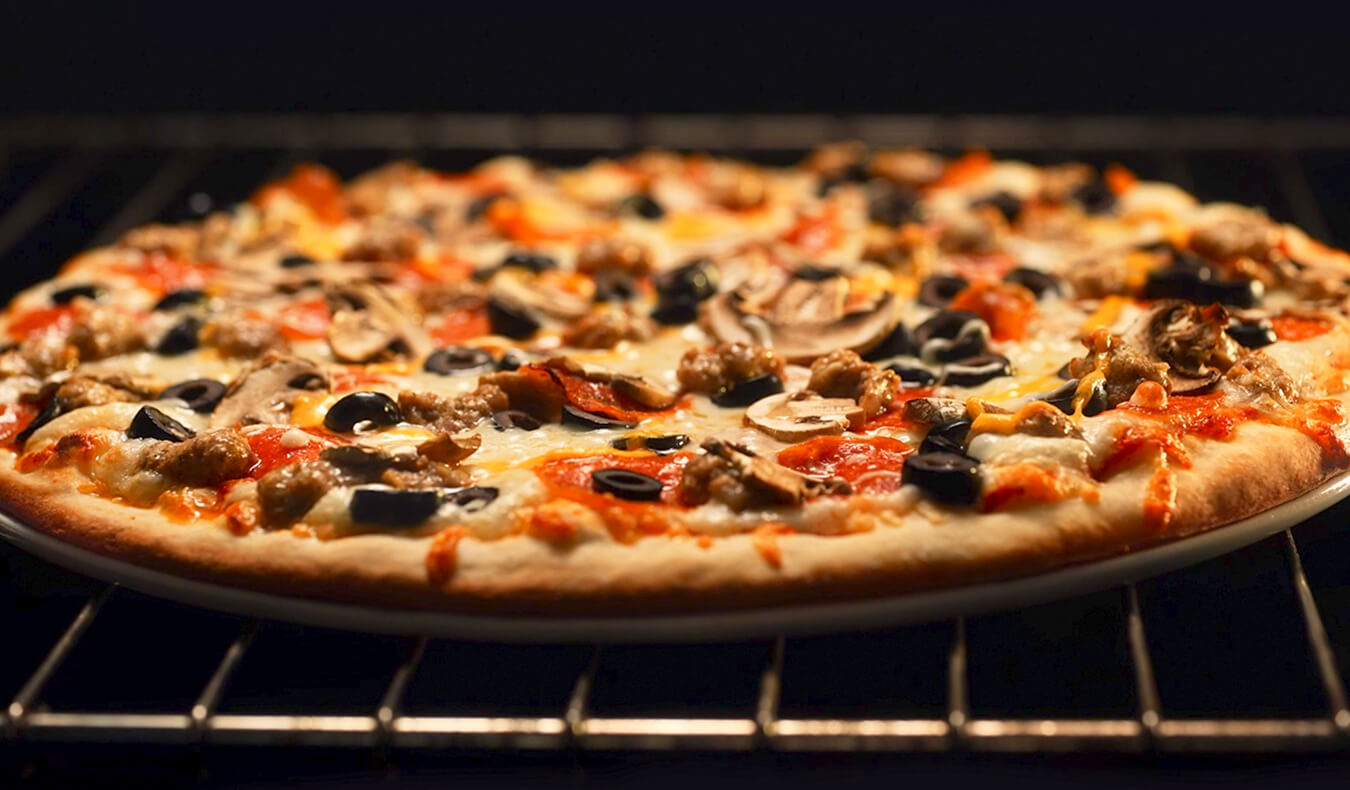
Take and bake pizza is one of the most convenient meals you can grab from the grocery store or a local shop. But what happens when you pick one up during a sale, stock up on two or three, or simply realize you won’t get to it before the fridge window closes? The good news is that freezing take and bake pizza is completely doable — and when you do it correctly, the results are surprisingly close to fresh.
This guide walks you through everything you need to know: how freezing affects texture and taste, the right way to wrap and store it, how long it keeps, safe thawing methods, and how to spot a pizza that’s past its prime. Whether you’re a meal-prep regular or just trying to avoid wasting a good pizza, you’ll find practical answers here.
Can You Freeze Take and Bake Pizza?
Yes, you can freeze take and bake pizza. Freezing it is about more than just tossing it in the freezer, though — there’s a right way to do it that preserves the crust’s texture, keeps the toppings fresh, and prevents freezer burn.
The primary benefit is extending its shelf life significantly. A refrigerated take and bake pizza is typically best within 24–48 hours, but once properly frozen, you can extend that window to 2–3 months. That makes freezing a smart move any time you spot a deal at Costco, your local grocery store, or a pizzeria that sells them by the pie.
The golden rule is to freeze it as soon as possible. The fresher the pizza is when it goes into the freezer, the fresher it will taste when it comes out. Don’t wait until the “use by” date is staring you down — if you know you aren’t going to bake it within a day or two of purchase, get it into the freezer right away.
Pro Tip: If you’re buying take and bake pizza specifically to freeze, skip the fridge entirely and go straight to the freezer when you get home. Locking in freshness from day one makes a real difference in the final bake.
Does Freezing Change the Texture or Taste of Take and Bake Pizza?
Freezing does have some effect on take and bake pizza, but the impact is manageable — and largely depends on how well you wrap it and how long it stays in the freezer.
The pizza will not be dangerous to eat, but the longer it stays in the freezer, the less flavorful it will be. Food frozen for too long tends to lose its original texture and flavor. The crust is the element most people notice: it can turn slightly drier or chewier if exposed to air during storage.
Toppings with high moisture content — such as mushrooms, onions, tomatoes, and peppers — release excess moisture when baked from frozen, potentially creating a soggy pizza. The fix is to add them just before the final bake rather than freezing them on the pizza. Toppings that freeze well include cooked meats, cheese, and olives.
Fresh tomatoes will release extra moisture after freezing, which may make the toppings a little soggy. Fresh toppings that are typically added after a pizza is baked — such as arugula or basil — should not be frozen with the pizza. Save those for when you’re ready to serve.
How to Freeze Take and Bake Pizza the Right Way
Most take and bake pizzas come on a cardboard tray wrapped in a thin layer of plastic wrap. This is fine for the fridge, but it’s not sufficient for the freezer — it’s not airtight and will lead to freezer burn in no time. You’ll need to add more protection.
Follow these steps for the best results:
- Keep the pizza on its cardboard tray. The tray gives it structural support and prevents the crust from warping during the freeze.
- Wrap tightly in plastic wrap. Wrap the entire pizza in at least two or three layers of plastic wrap. Start by wrapping it horizontally, pulling the wrap taut to remove as much air as possible, and overlap each layer generously. Then wrap it vertically, again pulling it tight to squeeze out any trapped air pockets. The goal is to create a barrier that prevents air from reaching the pizza’s surface.
- Add a layer of heavy-duty aluminum foil. This double layer protects the pizza and its toppings from drying out in the freezer, which leads to freezer burn and a less-than-stellar pizza.
- Label with the date. When storing multiple pizzas, make sure to label each one with the date and contents. This helps you keep track of how long the pizza has been in the freezer and ensures you use the oldest ones first.
- Store flat in the coldest part of your freezer. Store frozen pizza flat in the coldest part of your freezer. Avoid storing it in the door, where temperature fluctuations are more common.
Pro Tip: If you need to freeze multiple pizzas and are tight on space, flash-freeze each one uncovered on a baking sheet for about 2–3 hours until solid, then wrap and stack them. This prevents the toppings from getting smashed during storage.
How Long Can You Freeze Take and Bake Pizza?
Frozen pizzas will last up to 2–3 months if tightly wrapped. Wrap each pizza in two layers of plastic wrap and freeze for up to 2–3 months. That’s the sweet spot for both safety and quality.
Here’s a quick reference for how long different pizza types hold up in the freezer:
| Pizza Type | Fridge Shelf Life | Freezer Shelf Life | Best Quality By |
|---|---|---|---|
| Take and bake (unbaked) | 24–48 hours | Up to 3 months | 1–2 months |
| Leftover baked pizza | 3–4 days | Up to 2 months | 1 month |
| Store-bought frozen pizza (unopened) | N/A | Up to 12 months | 6–12 months |
According to the U.S. Food and Drug Administration (FDA), food needs to be stored in the freezer at 0°F (-18°C) to remain safe. A freezer that fluctuates above this temperature — common in older units or door shelves — will shorten the usable life of your pizza faster than the timeline above suggests.
If you’re thinking about how different foods hold up in storage, the same principle applies across the board: proper sealing and a consistent temperature are what separate a great frozen meal from a disappointing one.
How to Thaw Frozen Take and Bake Pizza
You have two main options when it comes to thawing: bake it straight from frozen, or thaw it first in the refrigerator. Both work — it just depends on your schedule.
Option 1: Bake Straight from Frozen (Recommended for Most Situations)
When you’re ready to bake your frozen pizza, crank the oven to 500°F and ready a pizza stone or baking sheet in the oven for baking. Take the pizzas directly from the freezer, unwrap, and bake from frozen. This method is fast and produces a solid result, especially when you use a preheated baking surface.
Option 2: Thaw in the Refrigerator First
The best and safest method to thaw pizza is in the refrigerator. This involves placing the frozen pizza on a plate or in a container and letting it thaw slowly. Refrigerator thawing allows for a gradual temperature change, which minimizes bacterial growth and preserves the pizza’s texture and flavor.
If you have the time, let the pizza thaw for about 30 minutes before baking on a pizza stone for an even fluffier and slightly crispy crust. Bake at 450°F for 10–12 minutes until browned and baked through.
Important Note: Never thaw take and bake pizza at room temperature. At room temperature, the surface of the pizza can reach the “danger zone” (between 40°F and 140°F), where bacteria multiply most rapidly. As the pizza thaws, the outer layers warm up quickly while the inner parts remain frozen, leading to uneven thawing and potential spoilage.
Can You Refreeze Take and Bake Pizza After Thawing?
This is one of the most common questions about frozen pizza — and the answer requires a bit of nuance.
According to the U.S. Department of Agriculture, it’s safe to refreeze food after thawing in the refrigerator. While it’s safe to refreeze food, the process may dry out the food and lower the quality. So safety and quality are two separate considerations here.
It’s not ideal. Freezing twice can affect both texture and taste. For the best results, freeze pizza right after your first meal instead of after reheating. The crust tends to suffer the most — it can become noticeably tougher or drier after a second freeze-thaw cycle.
If the pizza thawed fully at room temperature or sat out for more than two hours, do not refreeze it. Thawing allows bacteria to multiply rapidly. While refreezing will halt bacterial growth, it won’t kill the bacteria that have already formed, potentially leading to food poisoning upon consumption.
- Thawed in the fridge, still cold: Safe to refreeze, but quality will drop
- Partially thawed (still icy): Generally safe to refreeze with minor quality loss
- Fully thawed at room temperature for over 2 hours: Discard — do not refreeze
How to Use Frozen Take and Bake Pizza (Best Uses After Freezing)
Once your frozen take and bake pizza is ready to cook, a few simple techniques will help you get the best possible result out of it.
Get the Crust Right
The crust is the biggest variable. A pizza stone replicates the surface of a wood-fired pizza oven, allowing you to get crispier crusts and more evenly cooked toppings. Preheat the stone in the oven for at least 30 minutes before sliding the pizza onto it.
If you don’t have a stone, have a baking sheet in the oven while it is heating up. You don’t want to start cooking on a cold sheet pan because the bottom of the crust won’t get as crispy as you want it.
Upgrade the Flavor Before Baking
Freezing can mute flavors slightly. Before the pizza goes into the oven, consider a few quick additions:
- Brush the crust edge with a little olive oil or melted butter
- Fix a bland crust by adding a few seasonings of your own. Coat the crust with melted butter and then sprinkle seasonings like garlic powder, onion powder, or even parmesan cheese.
- Add any high-moisture toppings (mushrooms, fresh tomatoes, peppers) now rather than before freezing
- Lay a few fresh mozzarella slices over the frozen cheese layer for a richer melt
Best Oven Settings for Baking from Frozen
Most take and bake pizzas do best at high heat. Reheating frozen pizza in the oven is the best way to restore its original texture and flavor. Preheat your oven to 425°F (220°C) and place the pizza on a baking sheet. Bake for 10–15 minutes or until the crust is golden brown and the cheese is melted. Always follow the original pizza’s baking instructions as a baseline, then adjust by a few minutes since it’s coming from frozen.
Thinking about what to pair with your pizza night? Check out foods that support overall wellness to round out your meal with something nutritious on the side.
Signs That Frozen Take and Bake Pizza Has Gone Bad
Even in the freezer, pizza can go downhill. Here’s what to look for before you commit to baking it.
Freezer Burn
Freezer burn appears as dry, white or grayish patches on the pizza’s surface, particularly on the crust and exposed toppings. This is caused by ice crystals forming due to moisture loss. While freezer burn doesn’t necessarily make the pizza unsafe to eat, it significantly impacts the texture and flavor, often resulting in a dry and cardboard-like crust.
You may not enjoy the flavor or dried-out texture of freezer-burned frozen pizza, but it has no impact on the quality of your food or your health. Freezer-burned food does not lose any of its nutrients either. If the burn is minor, you can trim the affected areas and still bake the rest.
Off Smells
It’s more challenging to recognize scents in frozen foods, so it’s best to judge the pizza’s smell after letting it thaw for a bit, right before you plan to cook it. Frozen pizza should have a fresh and slightly yeast-like scent. If you smell anything that does not seem appetizing or comes across as off, it’s best to discard it.
Discolored or Slimy Toppings
Pay close attention to the toppings. If the cheese has developed a yellowish or brownish hue, or the meat appears significantly darker than usual, it might be a sign of spoilage or oxidation. Vegetables exhibiting a slimy texture or unusual colors should also raise red flags.
Mold
Mold can appear as fuzzy or discolored patches on the pizza, often white, green, blue, or black. If you see any signs of mold, discard the entire pizza immediately. Do not attempt to cut off the moldy portion, as the mold spores may have spread throughout the product.
Excessive Ice Crystal Buildup
While some ice crystals are normal, an excessive amount accumulating within the packaging or on the pizza itself suggests that the pizza has been exposed to temperature fluctuations. Repeated thawing and refreezing can compromise the pizza’s quality. This is a sign the pizza has likely been through a temperature swing and may not bake well.
Paying attention to what you eat — and how it’s stored — ties directly into broader food habits. If you’re interested in heart-healthy foods or nutrients that support long-term health, those resources are worth a look alongside your everyday meal planning.
Frequently Asked Questions
Can you freeze a take and bake pizza that has already been opened?
Yes. If you’ve removed the original packaging, rewrap the pizza tightly in two to three layers of plastic wrap followed by a layer of heavy-duty aluminum foil. The key is eliminating as much air contact as possible before it goes into the freezer.
Can you freeze a partially baked take and bake pizza?
You can, but it’s not ideal. If you started baking the pizza and didn’t finish it, let it cool completely first, then wrap it well and freeze. When you bake it again, you’ll need to adjust the time since part of the cooking is already done. The texture won’t be quite as good as freezing it unbaked.
Does the type of crust affect how well it freezes?
Yes. Thin crusts tend to hold up slightly better in the freezer because there’s less moisture to deal with. Thick or stuffed crusts can become a bit denser after freezing, but they still bake up well when cooked at the right temperature with a preheated baking surface.
Can you freeze individual slices of take and bake pizza after baking?
You can store leftover pizza in the fridge for up to 4 days, but if you want to keep it longer, freezing is the answer. Wrap the cooked pizza slices in aluminum foil or plastic wrap and then slip the packages into a zip-top freezer bag. This makes it easy to pull out one or two slices at a time without thawing the whole pizza.
Is it safe to eat take and bake pizza that was left in the fridge for 3 days before freezing?
The golden rule is to freeze it as soon as possible — the fresher the pizza is when it goes into the freezer, the fresher it will taste when it comes out. A pizza that has been sitting in the fridge for 3 days is approaching the end of its safe refrigerator window. If it still smells fine and shows no signs of spoilage, you can freeze it, but the quality will be noticeably lower than if you had frozen it on day one.
What’s the best way to reheat a single frozen slice?
Using a skillet is an effective way to reheat pizza: heat a skillet over medium heat, place the frozen slice in the skillet and cover it with a lid, and heat for about 8–10 minutes. The lid will help to trap steam, reheating the cheese while the crust gets crispy. This method beats the microwave for texture every time.