Can You Freeze 15 Bean Soup? Everything You Need to Know

November 13, 2026
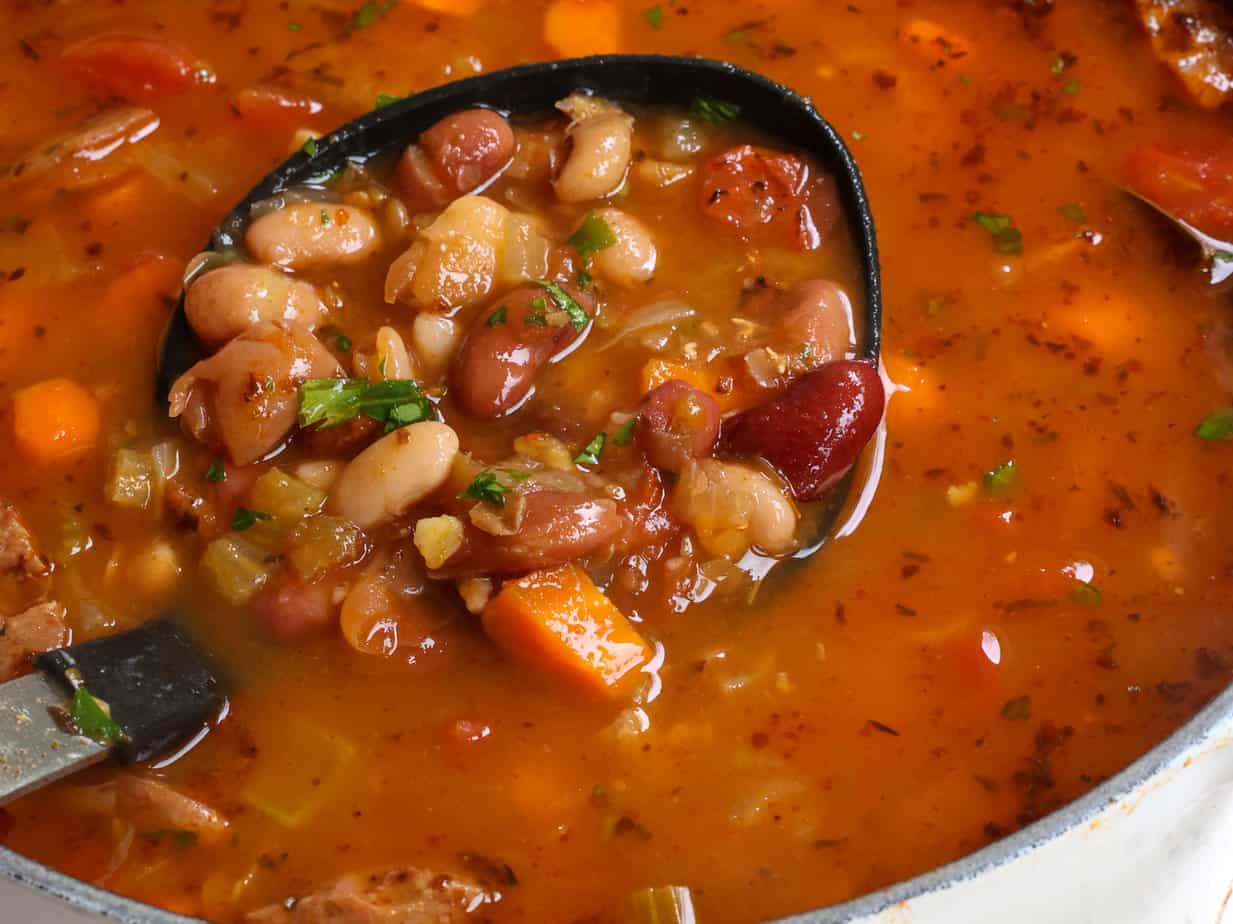
Few dishes are as satisfying to batch-cook as 15 bean soup. Whether you made a big pot with a leftover ham bone or went the vegetarian route with smoked paprika and kale, you likely ended up with far more than you can eat in a sitting — which raises a practical question: can you freeze 15 bean soup?
The short answer is yes, and it freezes better than most soups you’ll make at home. Bean soup with cooked ham freezes very well, preserving both the flavor and texture just fine. The longer answer involves a few simple techniques that make the difference between a bowl that tastes great after thawing and one that disappoints. This guide walks you through every step — from cooling and packing to thawing, reheating, and knowing when to toss it.
Pro Tip: Make a double batch of 15 bean soup specifically for the freezer. The time investment is nearly the same, and you’ll have multiple ready-to-heat meals waiting for busy weeknights.
Can You Freeze 15 Bean Soup?
Yes, you can freeze bean soup safely. According to USDA freezing and food safety guidance, food kept at 0°F (-18°C) stays safe when frozen; the main change over time is quality, not safety. That’s good news for a hearty, broth-based soup like this one.
15 bean soup is great for make-ahead meals and can be kept in the refrigerator and freezes perfectly. Its broth-forward base and whole-bean structure hold up far better in the freezer than cream-based soups or noodle soups do. Beans themselves are freeze-thaw champions, retaining their structure and taste whether cooked from scratch or canned.
Beyond convenience, freezing this soup is a smart way to reduce food waste. According to USDA data, nearly 30% of edible food in U.S. households ends up discarded — often because meals aren’t consumed before spoilage. Stashing a few portions in the freezer sidesteps that problem entirely. If you’re looking for more ways to get the most out of legume-rich meals, check out this guide on mung beans and their many uses.
Does Freezing Change the Texture or Taste of 15 Bean Soup?
There are some changes to expect, but they’re manageable. During freezing, ice crystals form, puncturing cell walls in beans and vegetables. Upon thawing, these cells release moisture, diluting flavors and softening structures. Starches in beans and thickeners like cream or roux also break down, causing separation or grittiness.
Freezing can slightly alter the texture of beans, making them softer upon reheating. For best results, consider adding fresh herbs or garnishes after reheating to revive the soup’s vibrancy. In a multi-bean soup like this one, that slight softening is barely noticeable — the variety of bean sizes and textures means the overall bowl still feels hearty.
Flavor holds up well, but cold storage does dull salt and spice. Cold storage mutes salt and spice, so taste the soup during reheating and adjust with a small pinch of salt, a twist of black pepper, smoked paprika, chili flakes, or a splash of vinegar. Small adjustments go a long way, so add little by little.
The ingredients that freeze poorly in any soup — dairy, pasta, and delicate greens — are easy to work around. Omitting ingredients like dairy or pasta, which can become grainy or mushy upon thawing, is advisable, though these can be added fresh when reheating. If your 15 bean soup has spinach or kale stirred in, expect it to be softer after thawing, which most people find perfectly acceptable in a hearty soup.
Pro Tip: Hold back fresh herbs, lemon juice, and any cream or sour cream until after you reheat the soup. Adding them post-thaw keeps flavors bright and textures clean.
How to Freeze 15 Bean Soup the Right Way
The steps below apply whether your soup includes ham, smoked sausage, or is fully plant-based. Follow them in order for the best results.
- Cool it quickly. Before anything goes into the freezer, cooling speed matters. USDA leftovers guidance recommends getting cooked food into the fridge within two hours of cooking to keep it out of the “danger zone” where bacteria grow quickly. Pour the soup into shallow containers or a wide bowl to increase surface area, or set the pot in an ice bath and stir occasionally to bring the temperature down faster.
- Portion before you pack. Use 2-cup or 4-cup increments — that matches standard serving sizes and avoids partial-thaw waste. Freeze one portion per bag or container; never bulk-freeze and scoop later.
- Choose the right container. Flat freezer bags are the most practical choice for freezing bean soup — especially when laid flat to freeze. If you prefer rigid containers, always leave at least one inch of headspace in rigid containers to prevent breakage as the liquid expands. For glass jars, choose jars designed for freezing and avoid jars with shoulders that narrow toward the lid, as those shapes crack more easily.
- Squeeze out air and seal tight. Portion the soup into bags, seal them almost completely, and then press out as much air as possible before closing. For added protection, double-bagging can provide an extra layer of insulation.
- Label every container. Label each container with the date and contents using waterproof markers or freezer tape, as this simple step avoids confusion and ensures food safety.
- Freeze flat, then stand upright. Ladle soup into freezer bags with the date written on the outside. Lay the bags flat in the freezer, and when they are frozen, store them upright to save freezer space.
How Long Can You Freeze 15 Bean Soup?
Most sources agree on a practical window of two to three months for peak quality. Realistic expectations matter: bean soup freezes well, but the optimal quality window is 2–3 months. Within that window, the soup will taste very close to fresh.
In a standard freezer set to 0°F (-18°C), properly stored bean soup can last up to 6 months without losing its flavor or texture. Beyond this, it remains safe to eat but may degrade in quality, developing a grainy consistency or muted taste.
For refrigerator storage, the shelf life is much shorter. 15 bean soup will stay fresh in the refrigerator for about 5 days. If you know you won’t finish it within that window, freeze it as soon as the soup cools — don’t wait until day four.
| Storage Method | How Long It Lasts | Quality Notes |
|---|---|---|
| Refrigerator | Up to 5 days | Best texture and flavor; no change |
| Freezer (optimal) | 2–3 months | Flavor and texture very close to fresh |
| Freezer (extended) | Up to 6 months | Safe but may taste muted; beans softer |
How to Thaw Frozen 15 Bean Soup
How you thaw the soup matters almost as much as how you froze it. The goal is to bring the temperature up gradually and evenly without letting it sit in the bacterial “danger zone” between 40°F and 140°F.
Overnight in the refrigerator is the safest and easiest method. Transfer the frozen soup from the freezer to the refrigerator the night before you plan to eat it. This gradual thawing method prevents the beans from becoming mushy and ensures even reheating. Plan for 8 to 12 hours depending on portion size.
Cold water method works when you need it faster. Submerge the sealed container in cold water, changing the water every 30 minutes until the soup is thawed. This typically takes one to two hours for a single-serving portion.
Stovetop from frozen is also an option if you’re in a real pinch. Place the frozen block directly into a pot over low heat with a splash of broth or water, cover, and stir every few minutes as it loosens up. Raise the heat to medium once it’s mostly thawed.
Never thaw bean soup at room temperature, as the “danger zone” (40°F–140°F) fosters bacterial growth. Avoid using hot water or microwaving directly from frozen, as this can cause uneven heating and alter the consistency.
Can You Refreeze 15 Bean Soup After Thawing?
This is one area where you need to be firm with yourself: no, you should not refreeze 15 bean soup once it has been fully thawed. Avoid refreezing thawed soup, as the repeated freeze-thaw cycle breaks down cellular structures, resulting in a mushy texture and muted flavor.
Always follow time and temperature guidelines: never refreeze thawed soup; never thaw at room temperature; always reheat to 165°F throughout. Refreezing also creates food safety risks if the soup spent any time in the danger zone during thawing.
The best way to avoid this situation entirely is to freeze in single-serving or meal-sized portions from the start. Portion the soup into meal-sized amounts to avoid repeated thawing and refreezing, which degrades quality. That way, you only pull out exactly what you need.
Important Note: If you thawed soup in the refrigerator and it has been there for less than 3–4 days, it is safe to reheat and eat — but do not put it back in the freezer. Cook what you thawed.
How to Use Frozen 15 Bean Soup (Best Uses After Freezing)
Once thawed and reheated, 15 bean soup is just as versatile as it was fresh. Here are the best ways to put it to use:
- Classic bowl with crusty bread. Reheat on the stovetop over medium heat, adding a splash of broth or water to revive the consistency if it appears too thick. Taste and adjust seasoning, as freezing can slightly dull flavors. For a richer finish, garnish with fresh herbs or a drizzle of olive oil just before serving.
- Thickened into a stew. If the beans feel too soft after reheating, consider mashing a portion to thicken the broth naturally. Conversely, if the soup seems watery, let it simmer uncovered for a few minutes to reduce. Either way, you end up with a hearty, spoonable dish.
- Burrito or taco filling. Drain some of the broth from a reheated portion and use the thickened bean mixture as a filling. The mix of bean varieties adds great texture.
- Rice and bean bowl. Ladle the reheated soup over cooked white or brown rice for a filling, protein-packed lunch. A 15-bean soup is a good source of lean protein, providing 8g per 1-cup serving.
- Grain bowl base. Use it as a warm base under farro, quinoa, or barley with roasted vegetables on top — a great way to stretch one portion into a more complete meal.
The nutritional value of 15 bean soup holds up well through freezing. A 15-bean soup is a nutritious blend of legumes including northern, pinto, large lima, garbanzo, baby lima, green split pea, kidney, lentil, navy, and black bean varieties. According to the Linus Pauling Institute, legume intake is associated with a lower risk of Type 2 diabetes and cardiovascular disease. That’s a strong reason to keep a stash in the freezer year-round. You can read more about the benefits of superfoods for a healthy heart, many of which overlap with what’s already in your bean soup.
15 bean soup also fits naturally into a whole plant-based foods approach to eating, making it a practical freezer staple for households trying to eat more legumes without the daily cooking effort.
Signs That Frozen 15 Bean Soup Has Gone Bad
Knowing when to toss frozen soup is just as important as knowing how to store it. Here’s what to look for before you reheat:
- Off smell after thawing. Signs of spoilage include off odors, mold, or a sour taste. If it smells sour or “off” the moment you open the container, discard it.
- Freezer burn patches. Freezer burn, characterized by dry, grayish patches, doesn’t make the soup unsafe but affects its quality. You can cut away heavily burned sections if the rest looks and smells fine, but heavily burned soup won’t taste good regardless.
- Visible mold. Skip freezing — or discard — if the soup smells sour, looks slimy, or shows mold, even in small spots. Mold can penetrate deeper than it appears on the surface.
- Container damage. The same caution applies to containers that cracked, lids that popped off in the freezer, and bags that developed ice crystals along with obvious dry patches. In those cases, texture and taste will suffer badly and safety may be in question.
- Soup that was left out too long before freezing. Freezing does not fix a soup that already sat too long at room temperature. If bean soup stayed out for more than two hours (or more than one hour on a hot day), the safest move is to discard it.
If you’re ever in doubt, trust your nose. Bean soup that has gone bad has a distinctly sour or fermented smell that’s hard to miss. When in doubt, throw it out — it’s not worth the risk.
For anyone interested in how food choices connect to long-term health, it’s worth exploring powerful nutrients and foods that fight cancer or foods that can help enhance liver function — many of the same legumes and vegetables in 15 bean soup appear on both lists.
Frequently Asked Questions
Can you freeze 15 bean soup with ham?
Yes. You can freeze bean soup with cooked ham, and it freezes very well, preserving the flavor and texture just fine. Just make sure the ham is fully cooked before the soup goes into the freezer.
Can you freeze 15 bean soup with potatoes?
You can, but potatoes don’t freeze well. Avoid freezing potatoes in soup — they can get grainy or mushy. If you want to add these ingredients, add them as you serve them, when you defrost the soup.
How do you reheat frozen 15 bean soup?
Bean soup reheats smoothly as long as it returns to a steamy, rolling heat and does not linger at lukewarm temperatures. Once thawed, bring bean soup to a simmer where steam rises around the pot and small bubbles break the surface. Food safety guidance sets 165°F (74°C) as a target internal temperature for reheated leftovers, so a kitchen thermometer can be handy if you want to be precise.
Does 15 bean soup freeze better with or without meat?
Both options work, but freezing without meat can help maintain better texture, as meat may become mushy upon thawing. That said, ham and smoked sausage hold up better than chicken or fish in frozen soups, so most 15 bean soup recipes with ham freeze acceptably well.
Can you freeze the dry 15 bean soup mix before cooking?
There’s no need to freeze the dry mix — it has a long shelf life at room temperature when stored in a cool, dry place. You can find these beans in the dry bean section of almost any grocery store, or order them online. Freeze the cooked soup instead.
How do you keep frozen bean soup from getting too thick?
If your soup thickens excessively after freezing, add a little broth or water while reheating to thin it out. Beans continue to absorb liquid even in the freezer, so some thickening is normal and easy to fix.