Can You Freeze Fresh-Bought Pizza? Everything You Need to Know

November 15, 2026

You just picked up a fresh pizza — maybe a whole pie from your favorite local spot, a Trader Joe’s fresh dough pizza you assembled at home, or a few leftover slices from last night’s delivery — and now you’re wondering if the freezer is a viable option. The short answer is yes, and it works better than most people expect.
Freezing fresh-bought pizza is one of the most practical food storage moves you can make. If you freeze and store it properly, you can still have great pizza months after ordering it. Whether you’re trying to cut down on waste, meal-prep for busy weeknights, or just save those extra slices before they go bad in the fridge, this guide covers everything you need to know — from wrapping technique to reheating method.
Can You Freeze Fresh-Bought Pizza?
Yes, you can absolutely freeze fresh-bought pizza — both cooked slices and uncooked dough. You can freeze both cooked and uncooked pizza. This applies whether you picked up a fresh-made pie from a pizzeria, grabbed a ready-to-bake pizza from the grocery store, or built your own at home with store-bought dough.
You can freeze just about any type of pizza, including fast food delivery pizza from big chains like Pizza Hut and Domino’s. Thin crust, thick crust, Sicilian, flatbread — the style doesn’t matter much as long as you wrap it correctly. The one thing that does matter is how quickly you get it into the freezer after it cools.
The United States Department of Agriculture (USDA) strongly recommends following the “two-hour rule” when leaving food out, meaning you shouldn’t let pizza or takeout sit at room temperature for over two hours before tossing it. That same rule applies before freezing: if your pizza has been sitting out longer than two hours, freezing it won’t make it safe to eat.
Pro Tip: If you know you’re not going to finish the pizza within a day or two, freeze it right after the first meal rather than waiting. The fresher it goes into the freezer, the better it tastes coming out.
Does Freezing Change the Texture or Taste of Fresh-Bought Pizza?
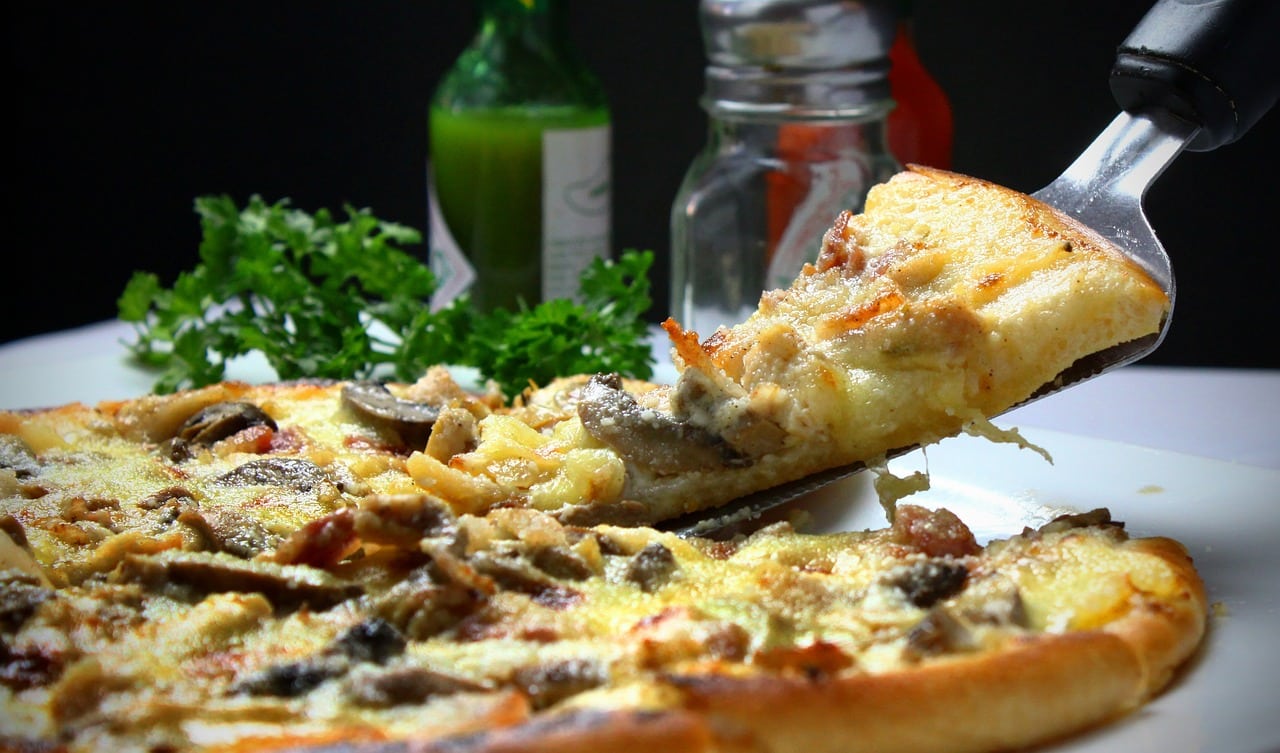
Freezing does affect pizza — but with the right technique, the difference is minimal. The good news is that pizza freezes very well and will keep its flavor and texture once it has been thawed out and reheated. The bigger risks are freezer burn and moisture loss from poor wrapping, not the freezing process itself.
The crust is the most sensitive element. Crusts vary widely, with some achieving a good balance of crispness and chewiness after being frozen and reheated — especially when you use a hot oven rather than a microwave. Thick-crust and Sicilian-style pizzas tend to hold up particularly well because their higher moisture content acts as a buffer against drying out.
Toppings are the other variable to watch. Some ingredients freeze better than others. For example, fresh tomatoes will release extra moisture after freezing, which may make the toppings a little soggy. Pizzas loaded with fresh vegetables or high-moisture toppings like fresh mozzarella will see slightly more texture change than a standard pepperoni or cheese slice. That said, the flavor profile stays largely intact — seasoning is key in frozen pizzas to compensate for flavor loss during freezing and reheating, and many brands use herb blends and spice mixes to boost flavor profiles.
How to Freeze Fresh-Bought Pizza the Right Way
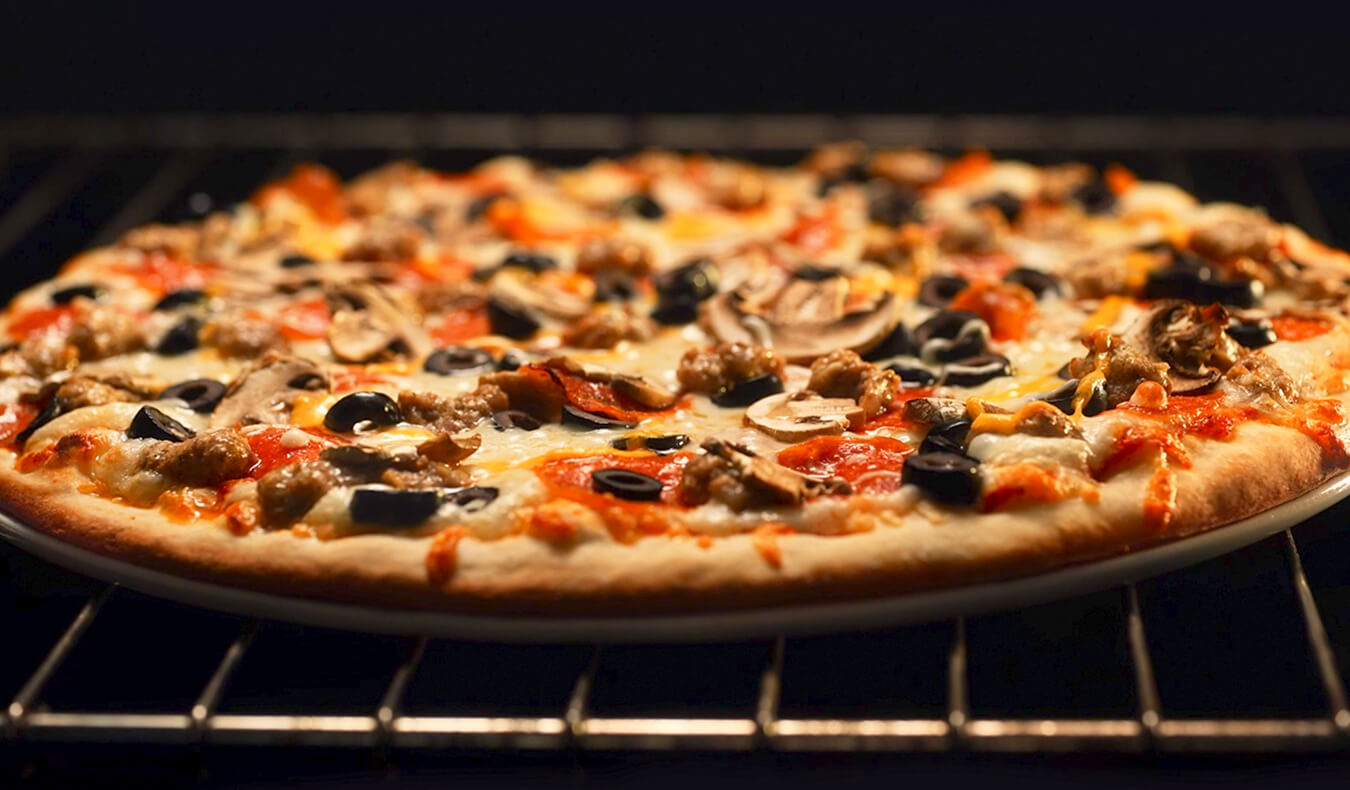
Proper wrapping is the single most important factor in getting good results from frozen pizza. Exposed air causes freezer burn, which dries out the crust and dulls the flavor. Follow these steps for the best outcome.
- Let it cool completely first. Freezing hot pizza can cause ice crystals to form, leading to freezer burn and a loss of texture and flavor. Give your pizza at least 30 minutes at room temperature before wrapping.
- Slice before freezing. Freeze the pizza in portions; this saves space and allows for easy reheating. Freezing individual slices means you can pull out exactly what you need rather than thawing an entire pie.
- Flash-freeze on a baking sheet. It’s best to freeze cooked slices individually beforehand so they don’t stick together, and then pack them in portions. Lay slices flat on a parchment-lined sheet and freeze for about an hour before wrapping.
- Wrap tightly in plastic wrap. Separate the pizza into individual slices and wrap each one in plastic wrap, bringing the wrap around twice to make sure it’s extra secure.
- Add a layer of aluminum foil. Add a layer of aluminum foil, pressing down lightly to prevent gapping. This second barrier keeps moisture in and freezer odors out.
- Transfer to a freezer bag or airtight container. The best way to store pizza in the freezer is to keep it in an airtight container. Press out as much air as possible before sealing.
- Label with the date. Labeling the pizza with the date of freezing can help you keep track of its freshness.
- Store in the coldest part of the freezer. Place the pizza in the coldest part of the freezer, usually at the back. This helps maintain a consistent temperature and prevents thawing and refreezing, which can degrade the texture and flavor.
Pro Tip: If you’re freezing uncooked fresh pizza dough from a store like Trader Joe’s, wrap the dough tightly in plastic wrap, removing as much air as possible, then place it in a freezer-safe bag or container. Divide it into individual portions first so it’s easier to use later.
How Long Can You Freeze Fresh-Bought Pizza?
How long your frozen pizza stays at its best depends on whether it’s cooked or uncooked, and how well it’s wrapped.
| Pizza Type | Best Quality Window | Still Safe After? |
|---|---|---|
| Cooked pizza slices (delivery, homemade) | 1–2 months | Yes, but quality declines |
| Fresh uncooked pizza dough (store-bought) | 1–2 months | Yes, though yeast weakens |
| Par-baked pizza (crust only, no toppings) | Up to 2 months | Yes, with proper wrapping |
| Assembled uncooked pizza (dough + toppings) | 1–2 months | Yes, topping quality varies |
If the slices are wrapped securely in foil or plastic wrap or are properly sealed in an airtight container, your pizza can retain its quality for one to two months. While it’s likely safe to consume beyond this point, it may not be as tasty by then.
For uncooked fresh dough specifically, King Arthur Baking suggests freezing pizza dough no longer than a month. While pizza dough is a better candidate for freezing than most yeast doughs, over time in the freezer some of the yeast will die — generally from ice damage, or simply from stress. If you want to push it to two months, you can compensate by using a slightly larger amount of yeast before freezing.
According to the USDA Food Safety and Inspection Service , leftovers can be kept in the refrigerator for 3 to 4 days or frozen for 3 to 4 months. Although safe indefinitely, frozen leftovers can lose moisture and flavor when stored for longer times in the freezer.
How to Thaw Frozen Fresh-Bought Pizza
How you thaw your pizza matters almost as much as how you froze it. The goal is a slow, even thaw that preserves texture and keeps the crust from getting soggy.
Refrigerator thawing (best method): Place the frozen pizza in the refrigerator for several hours or overnight. This slow thawing method helps the pizza maintain its texture and flavor. For individual slices, a few hours is usually enough. For a whole pie or assembled uncooked pizza, overnight is the safer bet.
Straight from frozen (for cooked slices): You don’t have to thaw cooked pizza slices before reheating. It is safe to reheat frozen leftovers without thawing in the oven or microwave. Reheating will take longer than if the food is thawed first, but it is safe to do when time is short.
For uncooked dough: Thaw the dough in the refrigerator for several hours or overnight to ensure even thawing. Allow the dough to reach room temperature before baking for the best texture and rise. Don’t rush this step — dough that’s too cold won’t stretch properly and may tear.
Important Note: Avoid thawing pizza on the counter for extended periods. If your frozen pizza is ever left outside at temperatures higher than 40°F for over two hours, the cold chain is broken and food safety is already compromised. Stick to fridge thawing whenever you have the time.
Can You Refreeze Fresh-Bought Pizza After Thawing?
Refreezing pizza is technically possible in certain circumstances, but it comes with real trade-offs in quality and, depending on how it was thawed, safety as well.
If the pizza thawed in the fridge (below 40°F), refreezing is safe. However, quality suffers: the crust may soften and flavors dull. If it sat out for over two hours, discard it.
For uncooked dough, the picture is clearer: avoid refreezing thawed dough. The freeze-thaw cycle degrades the dough’s structure and compromises its rising ability. Once you’ve thawed a ball of fresh dough, plan to use it that day or the next.
The practical advice from Mortadella Head sums it up well: freezing twice can affect both texture and taste. For the best results, freeze pizza right after your first meal instead of after reheating. Portioning before you freeze in the first place is the best way to avoid needing to refreeze at all.
How to Use Frozen Fresh-Bought Pizza (Best Uses After Freezing)
Once your frozen pizza is thawed and ready, the reheating method you choose makes a big difference in the final result. Here are the best approaches, ranked by crust quality.
Oven (best for crispiness): Preheat the oven to 400°F. For best results, have a baking sheet in the oven while it is heating up. You don’t want to start cooking on a cold sheet pan because the bottom of the crust won’t get as crispy as you want it. For thawed slices, 8–10 minutes is usually enough. For a whole frozen pizza, allow 12–15 minutes.
Pizza stone or cast-iron skillet: The simplest way to maintain great crust consistency is to use a pizza stone. The idea behind a pizza stone is that it replicates the surface of a wood-fired pizza oven, allowing you to get crispier crusts and more evenly cooked toppings. Preheat the stone in the oven before sliding the pizza onto it.
Air fryer (fastest for slices): As long as the pizza fits into your air fryer, bake at 360°F for 8–10 minutes until the crust is golden brown and cheese is melted, checking it every few minutes to make sure it doesn’t burn. This method delivers a surprisingly crispy crust with very little effort.
Skillet on the stovetop: Heat a skillet over medium heat, place the slice directly in the pan, and cover with a lid for 2–3 minutes. The covered steam melts the cheese while the direct heat crisps the bottom — one of the best methods for a single leftover slice.
Beyond simple reheating, frozen pizza slices work well as a base for quick upgrades. You can fix a bland crust by coating it with melted butter and then sprinkling seasonings like garlic powder, onion powder, or even parmesan cheese. Continue to cook the pizza as directed and you’ll be welcomed with a pizzeria-flavored crust. You can also pile on fresh arugula, a drizzle of hot honey, or extra cheese after baking to make a frozen-then-reheated slice feel restaurant-worthy.
If you’re interested in other foods that freeze well, check out how to freeze fresh watermelon chunks or learn about freezing fresh uncooked zucchini for more practical food storage tips.
Signs That Frozen Fresh-Bought Pizza Has Gone Bad
Even in the freezer, pizza can deteriorate. The most tell-tale signs of a spoiled frozen pizza are changes in appearance, consistency, smell, changes in texture, freezer burn, or ripped packaging. Here’s what to look for before you reheat.
- Freezer burn: White or grayish dry spots on the crust, cheese, or toppings indicate freezer burn, which negatively affects texture and flavor. According to the USDA FSIS , freezer burn does not make food unsafe, merely dry in spots. It appears as grayish-brown leathery spots and is caused by air coming in contact with the surface of the food.
- Excessive ice crystals: Excessive ice buildup inside packaging suggests thawing and refreezing cycles, which degrade quality. A small amount of frost is normal; a thick layer is a warning sign.
- Off odors: A sour, rancid, or off smell after cooking is a strong indication that the pizza is no longer safe to eat. It’s best to judge the pizza’s smell after letting it thaw for a bit, right before you plan to cook it, since frozen food suppresses scent.
- Discoloration: Unusual color changes such as yellowing cheese or darkened toppings can signal spoilage or oxidation.
- Slimy texture: Some of the toppings on your frozen pizza could change texture and turn slimy or slippery to the touch. This is common for cheese, olives, or ham, and it’s a clear sign of spoiled food — throw it away.
- Ripped or compromised packaging: If the wrapping has torn or air has gotten in, assess the pizza carefully for the signs above before deciding whether to cook it.
Important Note: Because freezing keeps food safe almost indefinitely, recommended storage times are for quality only. A pizza frozen for three months won’t make you sick if stored at 0°F the whole time, but it may taste noticeably worse than one frozen for four weeks.
Frequently Asked Questions
Can you freeze pizza still in the box?
It’s not recommended. Cardboard boxes aren’t airtight, which means the pizza will be exposed to air and absorb freezer odors quickly. Always transfer slices to plastic wrap, foil, and a sealed freezer bag for best results.
Can you freeze fresh pizza dough from the grocery store?
Yes. Store-bought pizza dough, whether fresh or pre-made, is versatile. Its composition of flour, water, yeast, salt, and sometimes oil makes it generally well-suited for freezing. Wrap each dough ball tightly in plastic wrap, place in a freezer bag, and use within one to two months for best rise. You can find fresh dough at stores like Trader Joe’s, Whole Foods, and most major grocery chains across the US.
Is it better to freeze pizza cooked or uncooked?
Both work, but they serve different purposes. Cooked slices are the most convenient — just reheat and eat. Uncooked or par-baked pizza gives you a fresher-tasting result because the final bake happens after freezing. The main trick for freezing uncooked homemade pizza is to par-bake the crust — partially bake the crust by itself before covering it with toppings and freezing.
How do you keep frozen pizza crust from getting soggy?
The key is reheating on a hot surface. Preheat your baking sheet, pizza stone, or skillet before the pizza touches it. Avoid microwaving if you care about crust texture — it steams the crust rather than crisping it. When you do it the right way, you’ll keep those slices tasting fresh and delicious. The key is proper storage and reheating, so you don’t end up with soggy crusts or flavorless bites.
Can you freeze pizza with meat toppings?
Yes. Pepperoni, sausage, and cooked chicken all freeze well on pizza. Raw or undercooked meat toppings should be cooked before freezing. Pizzas with fresh vegetables or seafood may have shorter shelf lives than those with processed meats or cheeses, so aim to use seafood-topped pizzas within four to six weeks of freezing.
What’s the best way to freeze an entire pizza?
Wrap the whole pizza tightly in two layers of plastic wrap, then a layer of aluminum foil. You can also slide it into a large zip-top freezer bag if the size allows. Lay pizzas flat in the freezer and store for up to 2 months. Freeze on a flat surface so the shape holds.
For more practical kitchen storage guides, see how store-bought applesauce freezes, or explore whole plant-based foods that work well alongside a pizza-focused meal plan. If you’re curious about how diet and nutrition intersect with what you eat regularly, the guides on superfoods for a healthy heart and foods for healthy skin are worth a read.