
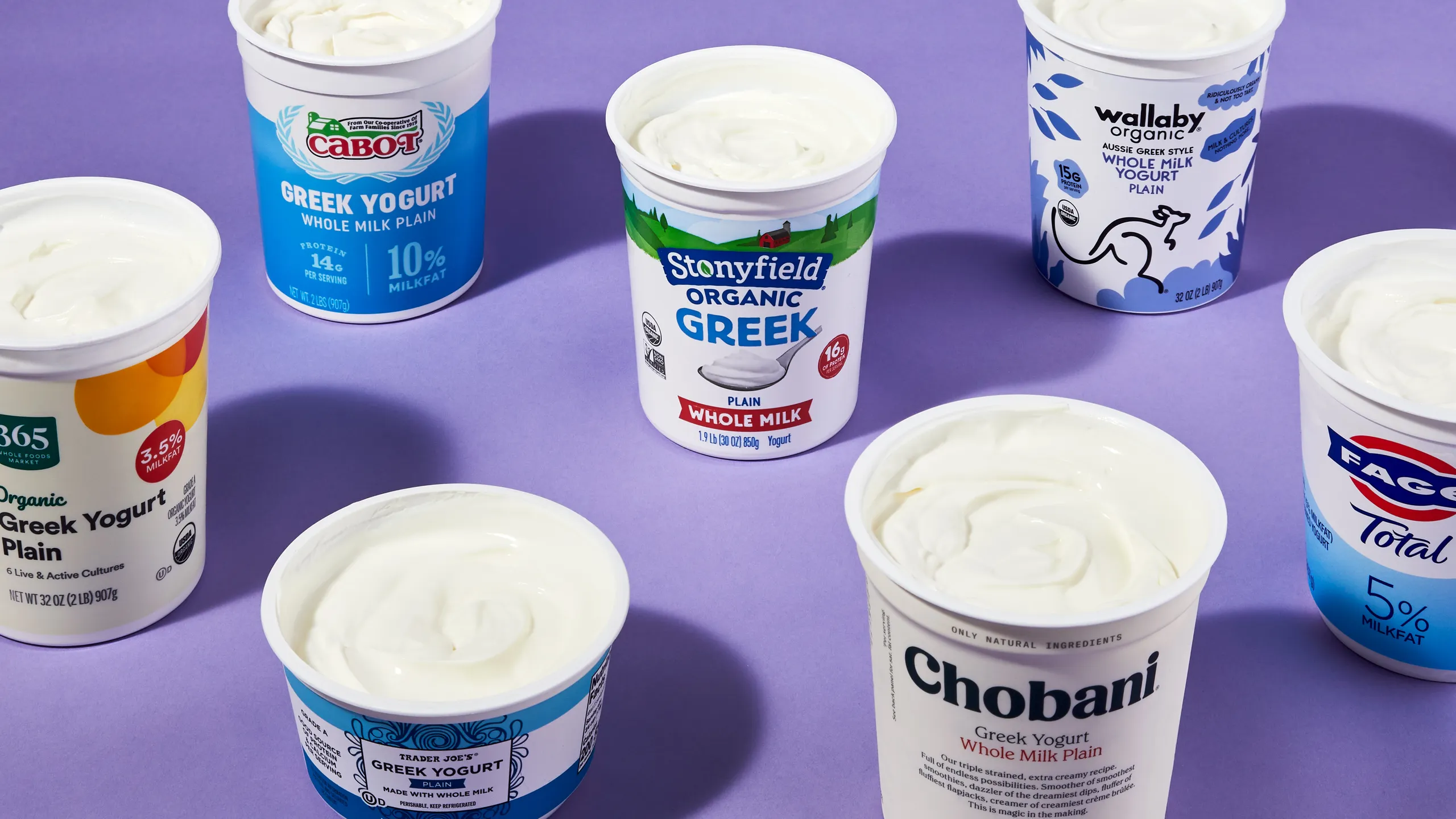
Frozen yogurt from a shop and a container of plain yogurt you tossed in the freezer are two very different things. If you have a tub of yogurt nearing its expiration date — or you just want a cold, creamy treat — the freezer is a real option. The key is knowing what to expect before you open that container.
This guide walks you through everything: what happens to yogurt when it freezes, how to do it right, how long it keeps, and the smartest ways to use it once it comes out of the freezer.
Can You Freeze Yogurt?
Yogurt freezes safely and maintains its nutritional benefits, but whether it freezes “well” really depends on what you’re planning to do with it afterward. So yes, freezing yogurt is entirely possible — and it’s a smart move when you’ve bought more than you can finish before the expiration date.
One thing worth knowing is the impact on live and active cultures. Freezing doesn’t necessarily kill all the beneficial bacteria, but it does render many of them dormant. This means that while the frozen yogurt may still contain some probiotics, the levels will likely be reduced compared to fresh yogurt. That said, freezing doesn’t kill off those beneficial live and active cultures. Instead, it puts them into a dormant state — once you thaw the yogurt, those helpful bacteria wake right back up, ready to get to work.
The bigger question for most people isn’t safety — it’s texture. And that’s where things get more nuanced.
Pro Tip: Freeze yogurt before its expiration date, not after. The fresher it is going in, the better the quality coming out.
Does Freezing Change the Texture or Taste of Yogurt?
Yogurt contains a high water content, and it’s this water that will drastically change the texture and consistency if you put it in the freezer to harden. When the water freezes, it forms ice crystals that disrupt the smooth, creamy structure you’re used to.
The size of those ice crystals matters. Large ice crystals result in a grainy texture, whereas smaller crystals lead to a smoother, more ice cream-like consistency. The slower the freezing process, the larger the ice crystals that tend to form. This is why simply tossing a full tub into the freezer and leaving it produces the worst results.
From a texture standpoint, yogurt doesn’t freeze particularly well for eating plain — regular yogurt becomes watery and grainy after thawing because ice crystals disrupt the smooth protein network that gives yogurt its creamy consistency. Greek yogurt handles freezing somewhat better than regular varieties due to its lower moisture content and thicker texture, though you’ll still notice separation and graininess.
Freezing also enhances the tart flavor typical of the live bacteria inside yogurt, and the taste may not appeal to everyone. If you plan to eat it straight with a spoon, that sharpness is worth keeping in mind. For use in smoothies, baked goods, or sauces, it’s rarely noticeable.
How to Freeze Yogurt the Right Way
The method you use should match how you plan to use the yogurt later. There’s no single “best” approach — it depends on your goal.
Before you do anything else, whisk the yogurt vigorously. Give it a good, hard whip. This helps tighten up its protein structure, creating a more stable emulsion that’s less likely to separate into a watery mess when it thaws.
Here are the most practical freezing methods for US home kitchens:
- In the original container (unopened): You can freeze yogurt directly in the container you purchased from the store. If you just bought one of those packs with multiple small yogurts, you can put them straight into the freezer with no problem.
- In an airtight container: Transfer to an airtight container, making sure not to fill all the way to the top. Just like with any liquid, yogurt will expand a bit once frozen.
- In an ice cube tray: Freezing yogurt in ice cube trays is a great option if you plan on making smoothies with your yogurt cubes. Simply scoop the yogurt into each section and gently tap the tray to remove any air bubbles. Settle the yogurt so it freezes evenly. Once solid, transfer the cubes to a freezer-safe bag.
- As frozen scoops: Use a cookie scoop to put yogurt onto a tray or pan lined with a baking sheet. Freeze it until firm or solid, then transfer the frozen scoops into a freezer-safe bag to save space.
Leaving as little air as possible in the container helps prevent freezer burn and maintain quality. Always label the container with the freeze date so you know exactly how long it’s been in there.
If your goal is to eat the yogurt more like a frozen dessert, adding a sweetener like sugar, honey, or maple syrup actually helps prevent ice crystals from forming. Even if you don’t want it super sweet, just a small amount makes a big impact on creaminess. Greek yogurt freezes more effectively than traditional yogurt because it has a higher fat content, which adds a rich texture and creaminess needed to match conventional frozen yogurt.
Pro Tip: If you want a scoopable, ice cream-style texture, stir the yogurt every 30 minutes during the first two to three hours of freezing. This breaks up forming ice crystals and produces a much smoother result — no ice cream maker needed.
How Long Can You Freeze Yogurt?
Yogurt freezes at a temperature of 0°F (-18°C) and can be stored in the freezer for 1 to 2 months for the best quality. Most sources agree on this window as the sweet spot for both safety and taste.
| Yogurt Type | Best Frozen Quality | Maximum Freezer Time | Notes |
|---|---|---|---|
| Regular (full-fat) | Up to 1 month | 2 months | Texture degrades faster than Greek |
| Greek yogurt | Up to 2 months | 2 months | Lower moisture = better freeze results |
| Low-fat / fat-free | Up to 1 month | 2 months | Icier texture; best used in cooked recipes |
| Flavored yogurt | Up to 1 month | 2 months | High sugar content can cause harder freeze |
If you plan to eat the yogurt with a spoon, aim for no more than 30 days in the freezer. Frozen Greek yogurt can be stored for up to two months for optimal quality. Beyond that, it’s still safe to consume but may experience more pronounced texture changes.
Pair your frozen yogurt habit with other smart food storage practices — for example, freezing coffee creamer follows similar rules around airtight containers and quality windows.
How to Thaw Frozen Yogurt
How you thaw yogurt matters almost as much as how you freeze it. Rushing the process tends to make the texture worse, not better.
- Refrigerator thaw (best method): Put the yogurt in the fridge the night before you plan to use it. This ensures it never gets too warm or has the chance to go bad. The fridge ensures a slow and even thawing process, maintaining the yogurt’s smooth texture.
- Counter thaw (quick option): If pressed for time, you can defrost on the counter at room temperature for up to two hours. Note that the yogurt won’t be fully thawed but will soften up.
- Cold water bath: For a quicker method, submerge the sealed container in cold water. This speeds things up without the bacterial risk of leaving it at room temperature.
- Skip thawing for smoothies: If adding to smoothies, there is no need to thaw. Drop the frozen cubes directly into the blender.
Some separation is normal after freezing yogurt. Gently stir the yogurt after thawing to reintegrate any whey that has separated. To give it a smoother texture after it’s defrosted, you can insert a single whisk from a hand blender in the container and mix it at the lowest speed. This should help reconstitute it close to the original texture.
Important Note: Never thaw yogurt in the microwave. The uneven heat accelerates separation and can push the yogurt into the bacterial danger zone unevenly. Always keep thawed yogurt refrigerated and use it within 3 to 5 days.
Can You Refreeze Yogurt After Thawing?
This is a straightforward one: no. Once you’ve thawed frozen yogurt, do not refreeze it, as this can degrade the quality and increase the risk of bacterial growth.
Every time yogurt goes through a freeze-thaw cycle, the ice crystals do more damage to its delicate protein structure. Trying to refreeze it will only make the separation worse, leaving you with a texture that’s even grainier and more watery.
The practical fix is simple: divide the yogurt into small portions using airtight containers. This way, you can thaw only what you need without wasting the rest. Portioning before freezing is the single best habit you can build around freezing dairy products. If you absolutely must store thawed yogurt for later use, keep it in the refrigerator rather than attempting to refreeze it.
How to Use Frozen Yogurt (Best Uses After Freezing)
Frozen yogurt isn’t just for eating straight — and honestly, for most types of plain yogurt, eating it straight after thawing isn’t the best experience. Here’s where it really shines:
Smoothies: You can freeze yogurt for smoothies. Freeze it in cubes, then blend it with your favorite fruits and greens for a creamy, cold smoothie. No thawing required — the cubes blend right in and keep your smoothie thick and cold.
Baked goods: Thawed yogurt works perfectly in muffins, pancakes, quick breads, and marinades. Thawed yogurt works best in cooked dishes, smoothies, or as a frozen treat. It may not be suitable for recipes that require the original texture of fresh yogurt. The texture change is completely unnoticeable once it’s baked in.
Frozen dessert bars and popsicles: You can use frozen yogurt as a base for homemade frozen yogurt bars or popsicles, adding your favorite flavors and ingredients. Mix in honey, fresh fruit, or a splash of vanilla before pouring into molds.
Frozen yogurt bark: Spread sweetened yogurt on a parchment-lined baking sheet, add toppings like berries, granola, or chocolate chips, and freeze until solid. Break into pieces for a quick, refreshing snack — popular at summer gatherings across the US.
Parfaits and frozen desserts: Another excellent use for frozen yogurt is in making parfaits or frozen desserts. Layering it with granola, fruits, or other toppings creates a delicious and healthy treat.
Partially thawed, spoon-eaten: What works well is serving it when it hasn’t completely thawed. Some people say it tastes like ice cream. This is the closest you’ll get to an ice cream-style experience without any extra steps.
For those interested in the nutritional side of dairy and other foods, check out these resources on superfoods for a healthy heart and foods for healthy skin — yogurt appears in both categories for good reason.
Signs That Frozen Yogurt Has Gone Bad
Frozen yogurt doesn’t last forever, and even before the two-month mark, things can go wrong if it wasn’t stored properly. Here’s what to look for before you eat it.
Visible mold: Any visible mold is a sure sign your yogurt needs to be tossed. The mold won’t necessarily be a classic green color — it can be gray or pink. Mold on the surface means the whole container should go.
Excessive liquid that won’t stir back in: An excess of moisture buildup on top of the yogurt that doesn’t combine when stirred is a warning sign. Although some moisture is normal, if there’s a large amount and it doesn’t blend back into the yogurt, that’s not a good sign.
Off smell: The smell of yogurt is one of the most reliable indicators of its freshness. Fresh yogurt has a mild, slightly tangy smell, while spoiled yogurt often has a strong, sour, or unpleasantly sharp smell. If it smells rancid or has a yeasty, musty odor, discard it.
Chunky or curdled texture: Yogurt should have a smooth texture, so a clumpy or curdled consistency is a sign of spoilage and a tip-off to throw the yogurt away. Note that some graininess after thawing is normal — curdling is different and indicates actual spoilage.
Off or very tart taste: If you take a bite of spoiled yogurt, the taste will be very tart, acidic, and off-putting. A mild tang is expected; a sharp, unpleasant sourness is not.
Freezer burn: Gray or whitish patches on the surface, or a dry, shriveled appearance, indicate freezer burn. The yogurt is technically safe but will taste flat and chalky. Check for signs of spoilage such as discoloration, off-odors, or mold before using thawed Greek yogurt.
Important Note: Consuming spoiled yogurt can lead to food poisoning, which is why it’s important to know the signs of spoilage. When in doubt, throw it out — a container of yogurt isn’t worth a bout of stomach upset.
Eating well goes beyond individual foods. If you’re curious about how diet connects to long-term health, explore powerful nutrients and foods that fight cancer and foods that can help enhance your liver function for broader context on building a nutritious diet.
Frequently Asked Questions
Can you freeze yogurt and eat it like ice cream?
The main purpose of freezing yogurt is to save it for later use. This process is entirely different from making the frozen yogurt dessert fro-yo, which is essentially yogurt with the texture of ice cream. You can’t just freeze yogurt to make the frozen yogurt dessert. However, if you sweeten it, use full-fat or Greek yogurt, and stir it during freezing, you can get much closer to that creamy texture.
What type of yogurt freezes best?
Fat content plays a vital role. Yogurt with higher fat content, like Greek yogurt or full-fat yogurt, generally freezes with a creamier texture because the fat molecules interfere with the formation of large ice crystals. Lower-fat or fat-free yogurts tend to become icier.
Does freezing yogurt kill the probiotics?
While freezing preserves safety and nutritional value, the texture becomes grainy and separated after thawing. The beneficial probiotics survive but enter a dormant state during freezing, remaining viable when thawed properly.
How long does yogurt last in the freezer?
Yogurt can keep in the fridge for between one and two weeks, while in the freezer, it can last one to two months. For the best eating experience, aim to use it within the first month.
Can you freeze yogurt for babies?
Yes, you can freeze yogurt for babies. There is no harm in doing so, as long as you don’t keep the food in the freezer beyond the two-month limit. Within this range, babies can still get all the nutritional benefits from yogurt’s good bacteria.
Can you freeze flavored yogurt?
Flavored yogurts can be frozen, but the added sugars can affect the freezing process. Yogurts with high sugar content tend to freeze into a harder, more solid block. Consider the sugar content when choosing flavored yogurt for freezing.
What’s the best way to use yogurt after freezing?
For the smoothest experience, use thawed yogurt in smoothies, baked goods, marinades, dips, and sauces. If you are concerned about texture, simply use it in baking recipes or your next yogurt smoothie. These applications mask any graininess completely.