
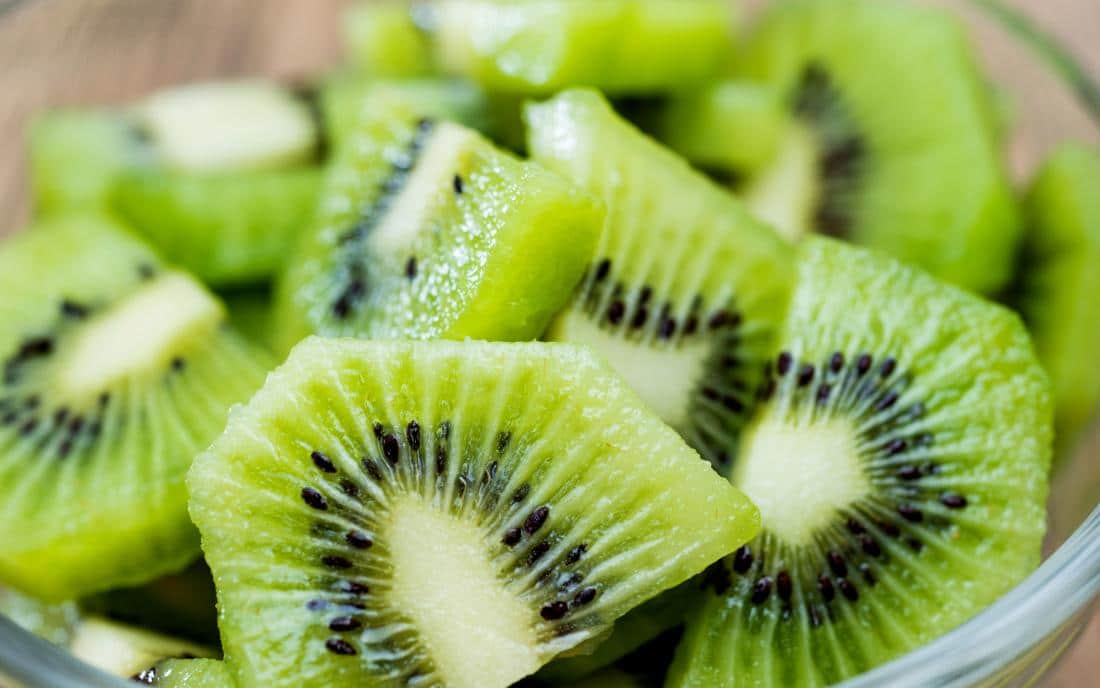
Kiwi fruit is one of those fruits that seems to disappear from your counter faster than you expect — until you buy a big bag on sale and suddenly have more than you can eat in a week. If you’ve ever found yourself staring at a pile of ripe kiwis wondering what to do, freezing is a practical solution worth knowing about.
A 100-gram serving of kiwi contains approximately 61 calories, 14.7 grams of carbohydrates, and 2.1 grams of dietary fiber, and it’s particularly high in Vitamin C, providing over 150% of the recommended daily intake per serving, along with potassium, Vitamin K, and folate. That nutritional profile makes it worth preserving correctly. This guide walks you through everything — from whether freezing actually works, to how long kiwi lasts in the freezer, and the smartest ways to use it once it’s thawed.
Can You Freeze Kiwi Fruit?
You can freeze kiwi sliced, whole, or pureed, but you should keep in mind that the fruit will be soft and mushy after thawing. That’s not a deal-breaker — it just means frozen kiwi works better in some situations than others, and knowing that upfront helps you plan.
When frozen properly, kiwi retains much of its nutritional value, including its high Vitamin C content, along with its texture and taste. The key phrase there is “frozen properly.” Tossing a handful of kiwi slices into a bag without any prep will give you a clumped, icy mess. Follow the right steps and you’ll have individually frozen pieces ready to grab whenever you need them.
One thing to think about before you reach for the freezer: kiwis last quite a long time in the fridge — even a couple of weeks — which in most cases gives you plenty of time to go through your supply without having to freeze the fruit. Only freeze kiwis if you know they’re going to spoil before you can eat them. If you’re curious about the many varieties that might be sitting in your produce drawer, check out this guide to different types of kiwi fruits to learn what you’re working with.
Does Freezing Change the Texture or Taste of Kiwi Fruit?
Yes — and it’s worth being honest about that so you’re not caught off guard. Similarly to other fruit like mango, the texture of kiwi changes once you thaw it. Kiwifruit becomes mushy, and that difference is definitely noticeable to anyone who pays attention.
The goal when freezing is to minimize ice crystal formation that could damage the kiwi’s cell structure, leading to a mushy texture upon defrosting. Even with the best technique, some softening is unavoidable because of kiwi’s naturally high water content. Kiwis have a high moisture content, so when thawed they change in texture quite a bit — and it’s almost impossible to remove enough moisture to avoid mushy kiwis once frozen.
Flavor also shifts slightly. With the normal method of freezing, the sweetness of kiwi decreases and the sourness becomes stronger. The change isn’t dramatic, but it’s noticeable if you’re eating the fruit on its own. In a smoothie or blended dessert, most people won’t notice at all.
Pro Tip: Only freeze ripe kiwis. An underripe kiwi that goes into the freezer is unlikely to develop its full sweetness and flavor even after thawing — what you freeze is essentially what you get.
How to Freeze Kiwi Fruit the Right Way
The single biggest mistake people make is skipping the pre-freeze step. Without it, all your slices fuse into a solid block that’s nearly impossible to portion later. Here’s the method that works:
- Choose ripe kiwis. Look for firm, ripe kiwis that are free from blemishes or soft spots. A ripe kiwi will yield slightly to gentle pressure but shouldn’t be overly squishy. Overripe kiwis may not freeze well and can lose their texture during thawing.
- Wash and peel. Rinse each kiwi under cool running water, then peel the skin. It’s a bit harder to peel off when the fruit has been thawed because it changes texture, so if you’re not a fan of the taste of the skin, it’s best to peel it off before freezing.
- Slice or dice. Peel the fruit and slice or dice it. Slicing is fast, but if you plan on using it frozen in a smoothie and your blender isn’t particularly powerful, dicing might be the better option.
- Pre-freeze in a single layer. Grab a cookie sheet, line it with a silicone mat or aluminum foil, and place all the slices in a single layer so they don’t touch one another. Put the cookie sheet in the freezer and leave it there until the pieces freeze solid — that usually takes 2 to 3 hours, but you can leave it overnight.
- Transfer to a freezer bag. Once the slices are rock solid, transfer all of them into a single freezer bag. Since they are all pre-frozen, they won’t freeze together, and you can easily scoop as many slices as you need.
- Label and store. Label the bag with the name and date before putting it in the freezer. This small step saves a lot of guessing later.
Browning often occurs due to oxidation. To prevent this, sprinkle a little lemon juice on your sliced kiwis before freezing. This is especially useful if you’re planning to use the kiwi in dishes where appearance matters, like a fruit topping or a layered smoothie bowl.
If you want to freeze kiwi as a puree, simply blend the peeled fruit until smooth, pour into ice cube trays, freeze until solid, then transfer the cubes to a labeled freezer bag. Freezing kiwis in puree form works well because the fruit puree can be used in many different ways after defrosting — for making smoothies and cocktails, cooking jam, or as a dessert sauce.
Pro Tip: If you want to extend the shelf life of your frozen kiwi slices, mixing equal parts water and sugar to create a simple syrup can help preserve the fruit’s texture and flavor during freezing. Just dip your sliced kiwis in the syrup before placing them in airtight containers.
How Long Can You Freeze Kiwi Fruit?
Storage times vary depending on which source you consult, but the general consensus points to a window of one to twelve months — with quality declining the longer the fruit sits.
| Storage Method | Estimated Freezer Life | Quality Notes |
|---|---|---|
| Sliced or diced (freezer bag) | 1–3 months (best quality) | Good flavor and texture for blending |
| Sliced or diced (airtight container) | Up to 6 months | Acceptable quality; texture softens more |
| Pureed (ice cube tray + bag) | Up to 6 months | Great for smoothies, sauces, and cocktails |
| Whole peeled kiwi | Up to 8–12 months (safe, not ideal) | Texture suffers significantly; not recommended |
There isn’t a set-in-stone answer, but the sooner you use the fruit, the better the quality you should expect. Try to use your frozen kiwi within 1 to 3 months. When stored properly, kiwi fruit can stay fresh in the freezer for up to 6 months. Some sources, like Liebherr , note that you can freeze kiwis for up to 8 months without any problems, but keep in mind that kiwis contain a lot of water, so although they taste fine after defrosting, they will lose their firm texture.
The takeaway: frozen kiwi is safe to eat well beyond three months, but the eating experience gets progressively softer and less flavorful over time. If you’re using it in smoothies or baked goods, a longer storage window is fine. For anything where texture matters more, aim for the one-to-three-month range.
How to Thaw Frozen Kiwi Fruit
How you thaw frozen kiwi matters almost as much as how you froze it. The wrong method can turn already-soft fruit into a watery, unpleasant mush. Here are your best options:
- Refrigerator overnight (best method): The easiest way is to simply let them thaw in the fridge overnight. This slow, gentle process keeps the fruit as firm as possible and avoids excess moisture loss. Transfer as many slices as you need into an airtight container in the fridge — the slices should defrost overnight if you start defrosting them in the evening.
- Cold water bath: Place the frozen kiwi slices in a bowl of cold water for 10–15 minutes. This works when you need the fruit thawed faster but don’t want to use heat.
- Room temperature: Place the kiwis in a bowl and leave them on the kitchen counter for 2–3 hours. This method requires no special equipment.
- Straight from frozen: For smoothies, skip thawing entirely. In many cases, you can skip defrosting the kiwi whatsoever — for example, when using the fruit in a smoothie (make sure your blender can process ice cubes, though).
To preserve the texture and flavor, thaw the frozen kiwi slices in the refrigerator. Avoid microwaving or using hot water, as you don’t want to end up with mushy fruit. After thawing, you’ll likely see some liquid pooling at the bottom of the container — drain that water before using the fruit.
Can You Refreeze Kiwi Fruit After Thawing?
Technically, refreezing thawed kiwi is possible from a food safety standpoint — as long as it was thawed in the refrigerator and hasn’t been sitting out at room temperature for more than two hours. However, the quality hit makes it a poor idea in practice.
To prevent textural changes and flavor loss, it is recommended not to thaw and refreeze frozen kiwi multiple times. Plan ahead and use the desired amount of frozen kiwi at once. Each freeze-thaw cycle causes more ice crystals to form and break down the fruit’s cell walls, resulting in an even mushier, more watery product.
The best way to avoid this situation is to pre-freeze your kiwi in individual slices before bagging them (as described above). Once the slices are rock solid, you can transfer all of them into a single bag — since they are all pre-frozen, they won’t freeze together, and you can easily scoop as many slices as you need when needed. That way, you only thaw exactly what you plan to use.
Important Note: Never refreeze kiwi that was thawed at room temperature for an extended period. Bacteria multiply rapidly between 40°F and 140°F, and kiwi’s high sugar and moisture content make it especially susceptible. When in doubt, use it or toss it.
How to Use Frozen Kiwi Fruit (Best Uses After Freezing)
Once you accept that thawed kiwi won’t have the firm snap of fresh fruit, a whole range of uses opens up. Freezing kiwi for either cooked or blended dishes is fine, but eating it as-is or in a fruit salad is iffy. Here’s where frozen kiwi genuinely shines:
- Smoothies: This is the best use by far. The best way to use a frozen and defrosted kiwi is a smoothie, where everything is blended together anyway, and the fact that the kiwi was soft doesn’t change much. You can also toss frozen slices directly into the blender without thawing.
- Sorbets and frozen desserts: You can make frozen kiwi sorbet by blending the fruit with a teaspoon of lemon juice, then adding vanilla extract and honey, and blending to a smooth sorbet texture.
- Yogurt and oatmeal toppings: Add some thawed kiwi fruit to your bowl of oatmeal or muesli before placing it in the microwave for two minutes. Stirring thawed kiwi into Greek yogurt with a drizzle of honey is another simple, nutritious breakfast option popular across the US.
- Baked goods: If using kiwi in baked goods, chop it into small pieces and mix into the batter to distribute the flavor. Kiwi muffins and quick breads handle the softer texture well.
- Sauces and cocktails: Thawed kiwi puree blends seamlessly into salad dressings, marinades, and cocktail mixers. Its natural enzymes also make it a solid meat tenderizer.
- Granola bowls: Defrost frozen kiwifruit and mix it with granola, toasted coconut flakes, and honey for sweetness and texture.
Kiwi is a well-documented superfood for heart health, and its nutritional benefits hold up well in frozen form. Its frozen form helps maintain much of its nutrient profile while allowing for longer shelf life and easy use in smoothies, desserts, or as a refreshing snack. If you’re building a diet around nutrient-dense ingredients, you might also find value in this list of whole plant-based foods to pair alongside frozen kiwi in your meal planning.
Signs That Frozen Kiwi Has Gone Bad
Frozen kiwi doesn’t spoil the same way fresh kiwi does, but it can still degrade to the point where it’s not worth eating. Here’s what to watch for when you pull a bag out of the freezer:
- Severe freezer burn: White or grayish patches on the surface of the frozen slices indicate freezer burn. The fruit is still safe to eat, but the affected areas will taste dry and bland. Trim them off before using.
- Unusual smell after thawing: Spoiled kiwi smells sour, fermented, or alcoholic. Fresh kiwi has a mild, slightly sweet aroma. If something smells off after thawing, don’t use it.
- Mold: Mold is the clearest sign that kiwi should not be eaten. It may appear as white, green, or gray fuzzy patches on the skin. Because kiwi has soft flesh, mold can spread internally even if it appears localized — discard the entire piece, not just the visibly affected area.
- Dark or discolored flesh: Light browning near the skin may occur naturally, but dark brown or black flesh throughout usually indicates spoilage.
- Off taste: If the kiwi tastes off, bitter, or sour, it may have gone bad. Thawed kiwi is naturally softer and slightly more tart than fresh, but it should still taste like kiwi — not fermented or unpleasant.
- Watery, grainy texture after thawing: Some softness is expected. But if cutting reveals watery, grainy, or sour-smelling flesh, discard the fruit.
When in doubt, trust your senses. If you are unsure whether kiwi is safe, it is better to discard it. The cost of one fruit is small compared to the discomfort of foodborne illness.
Kiwi’s impressive nutrient density makes it worth storing properly alongside other foods for healthy skin and powerful cancer-fighting nutrients. It also pairs well in meal planning with foods that support liver function and foods that promote healthy eyesight.
Frequently Asked Questions
Can You Freeze Whole Kiwi Fruit Without Peeling?
You can freeze kiwi with the skin on, but you’re probably going to regret it. Kiwis turn soft and mushy after thawing, and peeling a mushy fruit is a significant challenge. Peel and slice before freezing to make your life easier later.
Does Frozen Kiwi Still Have Nutritional Value?
Yes. When frozen properly, kiwi retains much of its nutritional value, including its high Vitamin C content. Frozen kiwi boosts immunity with high Vitamin C content, offering 154% of the daily value per 100 grams, and supports digestion with 2.1 grams of dietary fiber per 100 grams. It’s a solid choice for year-round nutrition.
Can You Freeze Kiwi Puree?
Frozen kiwi fruit puree can be stored in the freezer for up to 6 months. When you’re ready to use the puree, simply remove it from the freezer and allow it to thaw in the refrigerator overnight or for a few hours at room temperature. Once thawed, use the puree in your favorite recipes.
How Do You Ripen Kiwi Quickly Before Freezing?
Place firm kiwis in a paper bag with a banana or apple and leave them at room temperature. The ethylene gas these fruits naturally release will ripen your kiwis in 24–48 hours. Once ripe, freeze them right away for best results.
Is Frozen Kiwi Good for Smoothies?
Absolutely — it’s the best use for frozen kiwi. You can add frozen kiwi to any smoothie, use it in fruit salads, top yogurt with it, use it in cocktails, and it makes a great sorbet. You can drop the frozen slices directly into your blender without thawing, which also helps create a thicker, colder smoothie.
Can You Freeze Kiwi with Other Fruits?
Yes. Pre-freeze each fruit separately first, then combine them in a single freezer bag once solid. This prevents the different fruits from sticking together. Mix diced frozen kiwi slices with other fruit such as frozen plum, blueberry, or strawberry puree for a tangy flavor. A frozen mixed-fruit bag is one of the most convenient smoothie shortcuts you can keep on hand.