Can You Freeze Ketchup Packets? What You Need to Know Before You Try

October 23, 2026
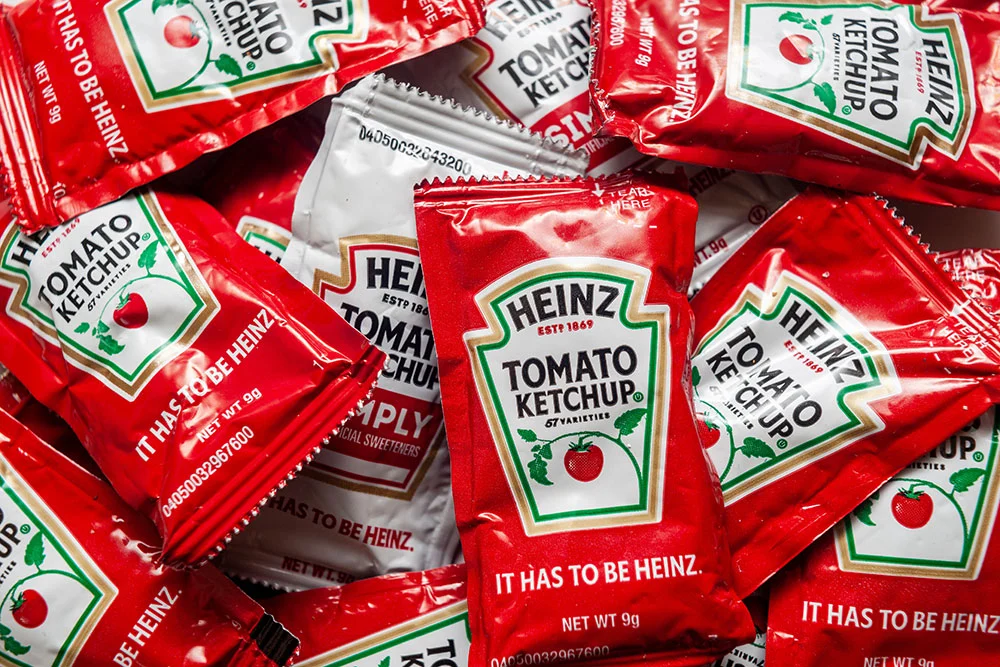
If you have a junk drawer — or an entire dedicated sauce drawer — packed with ketchup packets from McDonald’s, Chick-fil-A, or your last takeout order, you already know how quickly they pile up. At some point, the logical question becomes: can you freeze ketchup packets to make them last even longer?
The short answer is yes, but with some important caveats. Freezing ketchup packets is possible, and it can even serve a few unexpected purposes beyond just food storage. This guide covers everything you need to know, from how freezing affects the taste and texture to the right way to thaw and use them afterward.
Can You Freeze Ketchup Packets?
Yes, you can freeze ketchup packets for further use. Doing so comes with advantages like saving space in your freezer, quick thawing, and reducing food waste. That said, the reason most people freeze them might surprise you.
Throwing ketchup packets in the freezer can do the trick as a makeshift ice pack. This slightly unconventional storage method can be the perfect fix for small children when they have a minor bump or bruise. The packets provide relief that fits better in a child’s hand than a bag of frozen vegetables and can easily be re-frozen for future use.
Adults can also benefit from the makeshift ice packs as a means of pain relief or to combat puffy eyes in the morning. Frozen ketchup packets can also be used in lunch boxes to keep food cool — a handy trick for school lunches or picnics.
When it comes to eating the ketchup afterward, the story gets a little more nuanced. Ketchup packets ensure a longer shelf life compared to bottled ketchup due to their sealed, single-use nature, and they maintain ketchup’s texture by preventing it from becoming watery. Freezing, however, can change that.
Pro Tip: If you plan to freeze ketchup packets specifically as ice packs, keep a separate batch labeled “ice pack only” so you don’t accidentally thaw and eat ketchup that has gone through multiple freeze-thaw cycles.
Does Freezing Change the Texture or Taste of Ketchup Packets?
Freezing ketchup does affect both texture and flavor — though the degree depends on how many times it goes through the freeze-thaw cycle and how well the packets hold up structurally.
Once thawed, some of the flavor might be a bit muted. If you’re okay with your ketchup’s characteristic tang being a little less vibrant, then it’s still usable. Consistency-wise, the ketchup will likely be more watery once thawed.
Ketchup is high in water, so it freezes like ice. By the time it’s defrosted, the ingredients will start separating and the consistency is not the same as a freshly opened bottle. If this happens, give the defrosted ketchup a good stir to incorporate the ingredients.
There is also a structural concern specific to packets. Freezing causes ice crystals to rupture the internal structure, and ketchup can lose viscosity and develop a grainy texture. Freeze-thaw cycles can also damage pouch integrity. This means a packet that has been frozen may be more prone to leaking or tearing when you go to open it.
The great thing about freezing ketchup is that there’s little change in the flavor once it’s defrosted — as long as you only freeze it once and stir it well before eating. For cooking applications, the texture change matters far less than it would for straight dipping.
How to Freeze Ketchup Packets the Right Way
Freezing ketchup packets themselves is straightforward, but there are a few steps that help protect both the packets and the ketchup inside.
- Check the packets for damage first. Any packet with a small tear, pinhole, or weak seal should go straight in the trash. Even a microscopic pinprick caused by rough drawer edges, stacking pressure, or freezing-induced microcracks increases oxygen ingress dramatically, triggering oxidation of spices, browning of tomato solids, and acid hydrolysis that degrades viscosity.
- Place intact packets in a freezer-safe zip-top bag. Group them together in a single layer so they freeze evenly and don’t get crushed by heavier items.
- Label the bag with the date. For the best possible quality, frozen ketchup should be used within six months, so be sure to label the container with the date.
- Store flat in the freezer. Keeping packets flat prevents them from being stacked under pressure, which can stress the seams during freezing.
If you want to squeeze the ketchup out of the packets and freeze it in bulk, you can freeze ketchup in an ice cube tray or silicone mold. Once the ketchup is set, pop out the cubes and store them in an airtight container or freezer-friendly plastic bag. This way, you’ll have individual portions ready to go, and they’ll thaw much faster in your fridge.
Pro Tip: Squeezing multiple packets into an ice cube tray is a great way to consolidate a large stash. Each cube equals roughly one to two packets, making portioning easy when you need just a small amount for a recipe.
How Long Can You Freeze Ketchup Packets?
Ketchup will actually keep indefinitely in the freezer, though as time goes by it might taste less and less flavorful. For practical purposes, you should aim to use frozen ketchup packets within a defined window to get the best quality.
| Storage Method | Estimated Shelf Life | Notes |
|---|---|---|
| Unopened packet, room temperature | 24–36 months (from production) | Ketchup packets: 24–36 months in dry, dark storage |
| Opened bottle, refrigerator | 6–12 months | In the fridge, opened ketchup typically has a shelf life of 6–12 months |
| Frozen (packet or bulk) | Best within 6 months | Safe indefinitely; quality declines over time |
When stored correctly, ketchup will last indefinitely in the freezer. There is nothing within the ingredients that would cause the ketchup to go bad. The vinegar and tomato acidity that make ketchup shelf-stable at room temperature also help it hold up well in the freezer. That said, aim for six months for the best eating experience.
How to Thaw Frozen Ketchup Packets
Thawing frozen ketchup packets is simple, and you have a couple of options depending on how much time you have.
- Refrigerator method (recommended): Transfer the needed amount of ketchup cubes or packets to the fridge to thaw. This is the safest method and helps preserve flavor. Allow a few hours or overnight for full thawing.
- Counter method: Take out your desired amount of frozen ketchup cubes, place them in a bowl, and leave them on your kitchen counter to thaw. This should take approximately one to two hours.
- For whole packets: The same method can be used if you are defrosting ketchup that has been frozen in a packet, though the thaw time may be slightly longer.
There is a chance the ketchup could be a bit watery or have separated during thawing, but just give it a quick mix and it should be as good as new. For packets, simply knead the packet gently before tearing it open to recombine any separated liquid.
Avoid using the microwave to thaw ketchup packets. The sealed pouch can build up steam and burst, and the uneven heat can further degrade the texture. Stick with the fridge or counter for best results. You can also explore other food handling tips for managing food texture and safety at home.
Can You Refreeze Ketchup Packets After Thawing?
Technically, you can refreeze ketchup after it has been thawed — but it comes at a cost to quality, and there is also a structural concern with the original packet packaging.
Constant refreezing may cause the ketchup to become extra watery or runny, so be mindful of how frequently you do this. Each freeze-thaw cycle causes more ice crystal formation, which breaks down the texture further and leads to increased separation.
For the packets themselves, refreezing adds stress to the seams and film. Freeze-thaw cycles can damage pouch integrity. Transfer to freezer-safe glass and freeze only if repackaged — never in the original pouch for repeated cycles.
The safest approach: thaw only what you plan to use. If you squeezed packets into an ice cube tray, pull out individual cubes as needed rather than thawing the whole batch at once. This keeps the rest frozen and in good condition.
Important Note: If you have used a ketchup packet as a makeshift ice pack, do not eat the ketchup afterward. Repeated warming and cooling — especially against skin — is not the same as a controlled food-safe thaw, and the packet integrity may be compromised.
How to Use Frozen Ketchup Packets (Best Uses After Freezing)
Once thawed, ketchup from frozen packets works best in applications where a slightly thinner consistency and muted tang are not a problem. Think cooking and mixing rather than straight dipping.
- Marinades and sauces: Thawed ketchup blends seamlessly into BBQ sauces, meatloaf glaze, or sloppy joe filling. The watery texture is a non-issue when it cooks down.
- Braised dishes: Add thawed ketchup to slow cooker recipes like pulled pork, baked beans, or beef stew for a tomato-sweet backbone.
- Homemade dipping sauces: Mix with mayo, sriracha, or relish to make a fry sauce or burger spread. The added ingredients mask any texture change.
- Eggs and breakfast dishes: A small cube of thawed ketchup works perfectly with scrambled eggs or a breakfast burrito, where the texture difference is unnoticeable.
- Pizza sauce base: In a pinch, thawed ketchup can serve as a quick pizza sauce base, especially when mixed with garlic powder and Italian seasoning.
If you want to use thawed ketchup as a straight condiment for dipping fries or chicken nuggets, be aware that frozen ketchup can be thinner than its original consistency when thawed, which doesn’t make for the best fry or chicken nugget dipping. Stir it well and let it sit for a few minutes — it may firm up slightly as it reaches room temperature.
Ketchup is also a surprisingly useful ingredient in a range of plant-based cooking, where its tomato base and natural acidity add depth to sauces and stews without any animal products.
Signs That Frozen Ketchup Packets Have Gone Bad
Even though ketchup has a long shelf life, frozen packets can still go bad — especially if the packaging was compromised before or during freezing. Here is what to look for before you eat it.
- Damaged or leaking packet: If the packet has a visible tear, pinhole, or the seal has separated, discard it. Air exposure inside the packet accelerates spoilage.
- Off smell: Signs of spoilage include an off smell, discoloration, or a bad taste. Fresh ketchup smells tangy and slightly sweet. If it smells sour, fermented, or metallic, throw it out.
- Color changes: Ketchup can develop a metallic flavor when oxidized. Discoloration — particularly darkening from bright red to brown or orange — is a sign of oxidation and quality loss.
- Unusual texture that won’t stir back together: Some separation after thawing is normal and fixable with stirring. If the ketchup looks chunky, grainy, or has visible mold, discard it immediately.
- Past the “best by” date by a wide margin: Ketchup packets are generally marked with a “best by” date indicating peak quality. Although packets can last beyond this date, it is common for packets to maintain good quality for only six to eight months after that date.
Consumers should pay attention to the expiration or “best by” dates provided by the manufacturer, but these dates are often indicators of quality rather than safety. Although ketchup past its date may still be safe to consume if it appears and smells normal, it is important to inspect it for spoilage signs.
When in doubt, throw it out. Ketchup packets are inexpensive and widely available — there is no good reason to risk eating one that looks or smells questionable. For more on how storage affects the quality and safety of what you eat, check out this guide on foods and their nutritional impact or learn about foods that support liver function, since what you eat and how you store it both matter for overall health.
Frequently Asked Questions
Can you freeze ketchup packets still in the original packaging?
Yes, as long as the packets are undamaged and fully sealed. Place them in a freezer-safe zip-top bag for extra protection. Freeze-thaw cycles can damage pouch integrity, so if you plan to refreeze, transfer the ketchup to a freezer-safe container rather than keeping it in the original pouch.
How long do ketchup packets last without refrigeration?
Unopened ketchup packets stored at room temperature in dry, dark conditions last 24–36 months. That window shrinks by 40–60% if stored above 85°F or in humid environments, such as above-stove cabinets.
Do ketchup packets need to be refrigerated?
For single-serve packets, refrigeration is unnecessary. These sealed containers remain stable at room temperature due to their packaging and preservatives. Once opened, use the contents immediately.
Is it safe to use a frozen ketchup packet as an ice pack and then eat the ketchup?
It is not recommended. Using a packet against skin exposes it to warmth and pressure repeatedly, which can compromise the seal and affect food safety. Keep a separate stash for ice pack use only and do not eat ketchup from those packets afterward.
Why does ketchup separate after thawing?
Ketchup is high in water, so it freezes like ice. By the time it’s defrosted, the ingredients start separating and the consistency changes. This is normal and not a sign of spoilage — simply stir or knead the packet to recombine everything before use.
Can you freeze homemade ketchup from scratch?
Freezing is a good option for long-term storage of homemade ketchup. Thaw it in the refrigerator and use within a few days for optimal flavor and texture. Homemade ketchup, lacking the preservatives found in commercial brands, should always be refrigerated and has a shorter shelf life of about two to three months in the fridge, making the freezer a smart backup option.