Can You Freeze Blue Cheese? What You Need to Know Before You Try

November 7, 2026
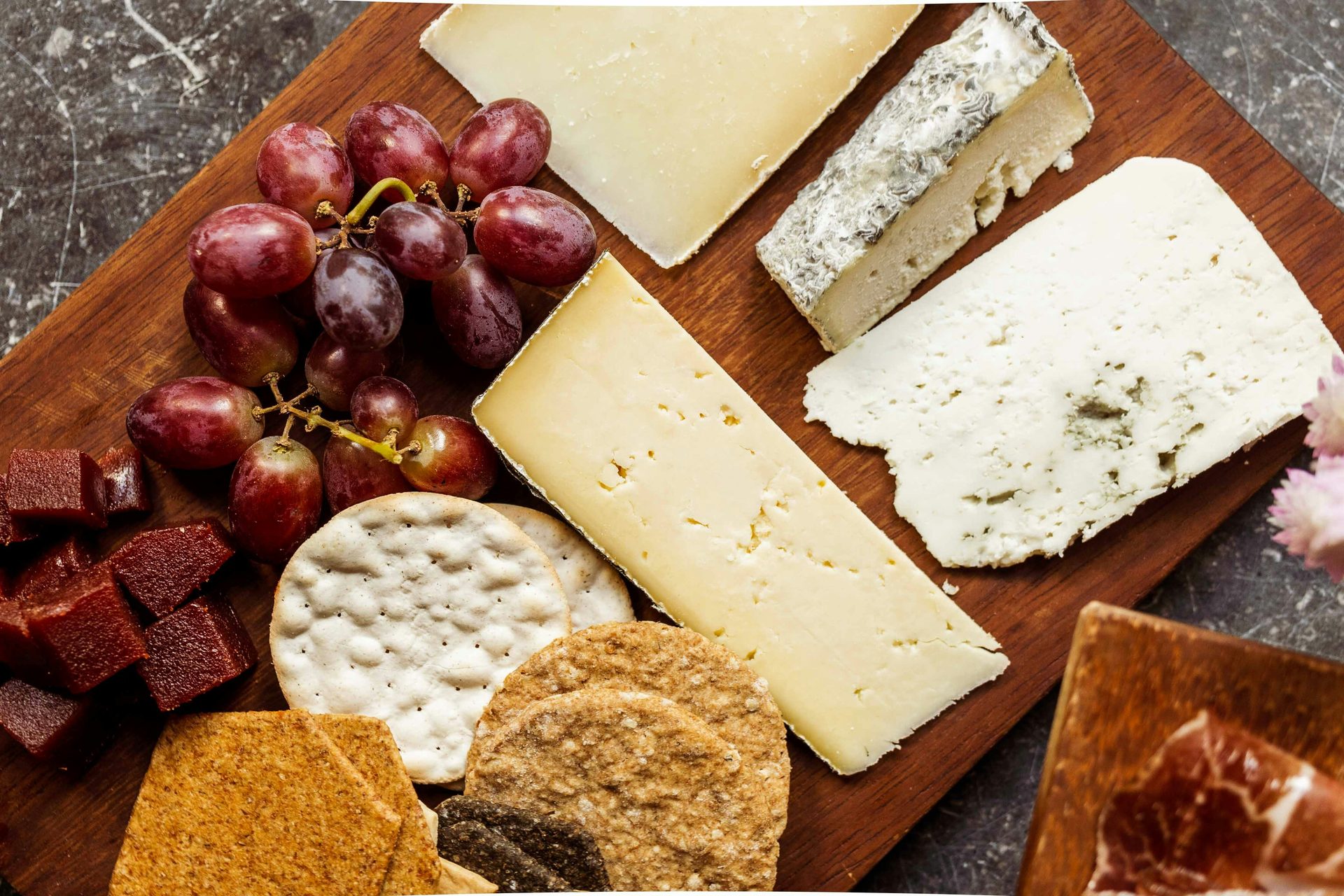
Blue cheese is one of those ingredients that tends to show up in larger quantities than you actually need. Whether you bought a wedge for a recipe, stocked up during a sale, or have leftovers from a party spread, you may be staring at more than you can eat before it turns. The good news: you can freeze blue cheese and still put it to good use.
That said, freezing does come with trade-offs. When you freeze blue cheese, the taste and texture are affected, so after you thaw it, it works better in some dishes than others. This guide walks you through everything you need to know — how to freeze it properly, how long it lasts, how to thaw it, and the best ways to use it after it comes out of the freezer.
Can You Freeze Blue Cheese?
Yes, you can freeze blue cheese. Blue cheese is a unique type of cheese characterized by its blue or green veins created by Penicillium mold cultures. This mold not only gives the cheese its distinctive appearance but also contributes to its sharp, tangy flavor and creamy texture. Popular varieties include Roquefort, Gorgonzola, and Stilton. You can read more about how blue cheese fits into the broader world of foods that are blue and naturally pigmented ingredients.
These cheeses vary in moisture content, fat levels, and aging periods, all of which influence how they react to freezing. The composition of blue cheese makes freezing a bit tricky. It has a higher moisture content than many hard cheeses, which means ice crystals can form during freezing. These crystals can disrupt the creamy structure and lead to crumbliness once thawed. However, freezing remains a practical option for extending shelf life when storage space or usage timing is an issue.
One important note: according to the U.S. Department of Agriculture (USDA), many cheeses can be frozen safely, but the texture can change after thawing, especially in softer cheeses. Blue cheese falls somewhere in the middle — it freezes better than soft varieties like Brie, but not as cleanly as a hard cheddar or Parmesan.
Pro Tip: Only freeze blue cheese that is still within its best-before date. Freezing cheese that is already going bad will not improve it — it will just lock in the decline.
Does Freezing Change the Texture or Taste of Blue Cheese?
Yes — and it helps to know what to expect before you freeze it. When cheese is frozen, small ice crystals form on the inside, disrupting the internal structure of the cheese. When it’s thawed, water is released, causing the product to dry out, become crumbly, and potentially develop a mealy texture.
Here is a breakdown of the specific changes you are likely to notice with blue cheese:
- Texture: After thawing, many find blue cheese less smooth and more brittle.
- Flavor: The strong tangy notes may soften or become muted due to changes in fat distribution.
- Aroma: The pungent smell characteristic of fresh blue cheese can decrease after freezing.
- Ripening: In ripened cheeses like blue cheese, live mold and bacteria populations are deliberately added to give these varieties distinctive textures and flavors. As freezing damages these microbes, it can stop these cheeses from ripening properly when thawed, potentially decreasing their overall sensory quality.
Some blue cheeses fare worse than others. Some blue cheeses like Roquefort and Gorgonzola Dolce have a relatively high moisture content. As a result, they fall in the same category as soft and creamy cheeses when it comes to freezing. Because of the significant texture damage, freezing these specific varieties is not recommended if you plan to eat them fresh. Firmer blues like Stilton tend to hold up better. Blues like Stilton freeze surprisingly well flavor-wise, though texture becomes more crumbly. They are best for sauces, dressings, and soups.
While these changes don’t make frozen blue cheese unsafe or unpleasant for cooking, they might detract from enjoying it fresh on salads or crackers. If you are planning to serve it on a charcuterie board or eat it straight, fresh is always the better choice.
How to Freeze Blue Cheese the Right Way
Proper preparation makes a real difference in how well your blue cheese survives the freezer. Freezing blue cheese is not as simple as tossing it in a freezer bag. Proper preparation ensures better preservation of taste and texture. Follow these steps for the best results:
- Check the date. Before freezing blue cheese, it is essential to check its best-before date and ensure it has not passed, as it will become tasteless and unappealing in texture.
- Portion it out. Cut the cheese into small pieces or slices. Blue cheese is often used in small quantities to add flavor to dishes, and having smaller portions frozen allows you to easily take out what you need. By freezing it in smaller pieces, you can also avoid the issue of having to thaw a large block of cheese, which can be time-consuming.
- Wrap tightly. Wrap each piece of blue cheese in a double layer of plastic wrap to avoid freezer burn and to keep the cheese from taking on other flavors in the freezer.
- Bag it. Place the wrapped cheese in a freezer bag. Squeeze the air from the bag and seal it.
- Label everything. Mark the packaging with the freezing date so you can keep track of storage time.
- Set the right temperature. Freezing blue cheese at temperatures below 0°F (-18°C) slows down enzymatic activity effectively. Ideally, freeze it as soon as possible after purchase or opening for best results.
Important Note: Blue cheese is notoriously pungent. It is essential to ensure your pieces are tightly covered in foil and then placed in a freezer bag to prevent the other contents of your freezer from being tainted.
One thing worth knowing about vacuum sealing: blue cheese is not recommended for vacuum packing due to the unique characteristics of this type of cheese. While freezing can alter the texture and taste of blue cheese, vacuum-sealing can further impact its quality. Blue cheese is characterized by its distinctive blue veining, which is a result of mold growth that requires oxygen. Vacuum-sealing the cheese would deprive the mold of the necessary oxygen, preventing the formation of the blue veins. A regular heavy-duty freezer bag with the air squeezed out is the safer approach.
How Long Can You Freeze Blue Cheese?
Properly wrapped and stored at consistent freezer temperatures, blue cheese can last between two to six months in the freezer without major quality loss. Beyond six months, flavor degradation becomes more noticeable.
For the best eating experience, aim to use your frozen blue cheese sooner rather than later. Blue cheese loses its flavor quickly when frozen, so it is best to use blue cheese within two months of freezing for the best results. The Academy of Cheese also recommends using frozen cheese within two to three months for optimal quality, even if it remains safe beyond that window.
| Storage Method | Estimated Shelf Life | Quality Notes |
|---|---|---|
| Refrigerator (unopened) | Up to 4 weeks | Best flavor and texture |
| Refrigerator (opened) | 1–2 weeks | Wrap tightly; use promptly |
| Freezer (well-wrapped) | 2–6 months | Best quality within 2–3 months |
| Freezer (beyond 6 months) | Technically safe | Noticeable flavor and texture decline |
As well as freezing blue cheese, storing it in the fridge is a good way to preserve it. When stored in the fridge, blue cheese will stay good for up to 4 weeks. Even better, it will also keep its taste and texture. If you only have a small amount left and plan to use it within a couple of weeks, refrigeration is the better call.
How to Thaw Frozen Blue Cheese
How you thaw blue cheese matters just as much as how you froze it. Rushing the process can make the texture worse and introduce food safety risks. Thawing frozen blue cheese properly reduces moisture loss and limits bacterial growth risks. Move frozen portions from the freezer directly into the refrigerator for gradual thawing over 24 hours.
Avoid room temperature thawing, as this accelerates bacteria growth on soft cheeses like blue varieties. Frozen cheese should be thawed in the refrigerator at 32–34°F (0–1°C) for 7–8 hours per 1 pound (500 grams) of cheese. A small portion or a few crumbles will thaw in a few hours; a larger wedge may need a full day.
If you are adding blue cheese directly to a hot dish, you can skip the thawing step entirely. If you are adding the cheese to anything that you cook on the stove or in the oven, you can often skip defrosting. Just throw it in frozen and watch it thaw in minutes.
Once thawed fully in fridge conditions, consume within three days for best taste and safety. Do not leave thawed blue cheese sitting at room temperature for extended periods before using it.
Pro Tip: Keep the wrapping on while the cheese thaws in the fridge. This traps moisture and helps the cheese defrost evenly without drying out on the surface.
Can You Refreeze Blue Cheese After Thawing?
No — and this is one of the most important rules to follow. Like any food, cheese that has been frozen and thawed should not be re-frozen. Refreezing previously frozen cheese can further compromise its texture and taste.
Each freeze-thaw cycle creates more ice crystals, which cause additional structural damage to the cheese. By the time you refreeze and thaw it a second time, the texture will be significantly worse and the flavor noticeably duller. The risk of bacterial growth also increases with each temperature change.
The best way to avoid this situation is to freeze blue cheese in small, single-use portions from the start. Freezing in smaller portions helps avoid repeated thawing and refreezing, preserving quality better. That way, you only pull out exactly what you need for a given recipe and never have to deal with leftovers that need to go back in the freezer.
How to Use Frozen Blue Cheese (Best Uses After Freezing)
Once blue cheese has been frozen and thawed, it is best suited for cooked applications where the texture change becomes less noticeable. Because texture changes are common post-freeze, frozen blue cheese works best when melted into dishes rather than eaten raw. Think of it as your behind-the-scenes kitchen ingredient rather than a centerpiece.
Here are the best ways to put thawed blue cheese to work in your kitchen:
- Cream sauces: Add thawed blue cheese to cream sauces for steaks or pasta dishes where melting masks textural shifts. It is a natural pairing with a ribeye or a simple weeknight pasta.
- Soups: It works well when stirred into soups, casseroles, and sauces. A broccoli cheddar soup or a creamy potato bisque both benefit from a crumbled addition.
- Salad dressings: Blend thawed blue cheese into salad dressings where smoothness is not critical. A classic blue cheese dressing for buffalo wings or a wedge salad is a perfect use.
- Baked dishes: Incorporate it into casseroles, quiches, or stuffed vegetables where heat transforms texture further.
- Eggs: Add crumbled pieces into scrambled eggs or omelets for bursts of tangy flavor without worrying about texture issues.
- Pizza and flatbreads: Crumble thawed blue cheese over a pizza or flatbread before baking — the heat melts it into the other toppings and the textural change becomes completely undetectable.
Avoid using previously frozen blue cheese as a standalone topping if you want that signature creamy bite. For cheeseboards, fresh crumbles on a salad, or any application where the cheese is the star, always use fresh blue cheese. You can explore more ideas for blue savory foods to find dishes where frozen blue cheese fits naturally.
If you are interested in the broader nutritional picture, blue cheese also shows up in conversations about foods for a healthy heart and foods for healthy skin, though fresh varieties retain more of their beneficial compounds than frozen ones.
Signs That Frozen Blue Cheese Has Gone Bad
Blue cheese already looks like it has gone bad to the uninitiated — the blue-green veins are part of the cheese, not a sign of spoilage. But there are real warning signs to watch for, especially after freezing and thawing. While blue cheese contains safe, edible mold strains (such as Penicillium roqueforti), it can go bad if not stored properly or kept too long. Spoilage occurs when unwanted molds or bacteria grow, or when the cheese dries out excessively.
Check for these signs before using thawed blue cheese:
- Unusual mold colors: Fresh blue cheese features characteristic blue or green veins. Spoiled cheese may develop fuzzy white, green, pink, or black molds that differ from the natural veins. Any fuzzy or unusual mold growth is a warning sign.
- Ammonia smell: Blue cheese naturally has a strong, tangy aroma, but if it smells overwhelmingly ammonia-like, sour, or rotten, it has likely spoiled.
- Slimy texture: Fresh blue cheese should be creamy or crumbly but not slimy or excessively dry. A slimy surface, hard chalky patches, or excessive dryness indicate spoilage.
- Off taste: If the cheese tastes bitter, overly sharp, or off in any way, it is best to discard it.
- Color changes in the white portion: If the creamy part is still white or slightly off-white in color, your blue cheese is still good. As soon as it starts to turn green or brown, it has seen better days.
Consuming spoiled blue cheese can cause food poisoning symptoms such as nausea, vomiting, diarrhea, and stomach cramps. Some molds can also produce harmful mycotoxins, which pose health risks. When in doubt, throw it out. The idea that blue cheese is “already moldy” and therefore safe indefinitely is a myth.
If you are also curious about who should be cautious with blue cheese in general, our guide on eating blue cheese while pregnant covers the key safety considerations.
Frequently Asked Questions
Can You Freeze Blue Cheese Crumbles?
Yes, and crumbles are actually one of the easiest forms to freeze. You can use the container the crumbles come in. If you have more than one portion, use airtight containers or freezer bags. If you go with the latter, remove air before sealing the bag. Pre-crumbled blue cheese from the store goes straight into a freezer bag — no extra prep needed.
Can You Freeze Blue Cheese Dressing?
You can freeze blue cheese dressing, but the results are mixed. Freezing may alter the texture and consistency due to the dairy components separating when frozen and then thawed. It can still work in cooked applications, but if you want the original creamy texture, it is better to make smaller batches more often and keep it refrigerated.
Does Freezing Blue Cheese Kill the Mold?
Freezing inactivates microbes in cheese, such as bacteria, yeasts, and mold. This helps extend the shelf life, preventing it from going bad. However, freezing does not kill these microbes — it only damages them. The Penicillium cultures responsible for blue cheese’s flavor and appearance are suppressed during freezing but not eliminated.
How Do You Know if Frozen Blue Cheese Is Still Good?
Always check for visible spoilage such as unusual colors (pinkish hues), sliminess, or foul odors before consuming thawed blue cheese. Crumbliness alone is not a sign of spoilage — it is a normal result of freezing. Trust your nose and eyes more than the texture after thawing.
Is It Worth Freezing Blue Cheese?
It depends on how you plan to use it. If you have leftover blue cheese and you know you will be making soups, sauces, or baked dishes in the coming weeks, freezing is absolutely worth it. Freezing blue cheese can significantly prolong its usability, allowing you to store it for several months beyond the typical refrigerator shelf life. This is especially useful if you have a large quantity or want to avoid waste. If you were planning to serve it fresh on a board or in a salad, buy only what you need and skip the freezer.
For more food storage guidance and tips on getting the most out of your kitchen staples, explore our resources on whole plant-based foods and foods that support liver function. You can also check out resources from Healthline and the Cheese Scientist for additional deep dives into cheese freezing science.