Can You Freeze Oranges for Smoothies? Everything You Need to Know

November 7, 2026
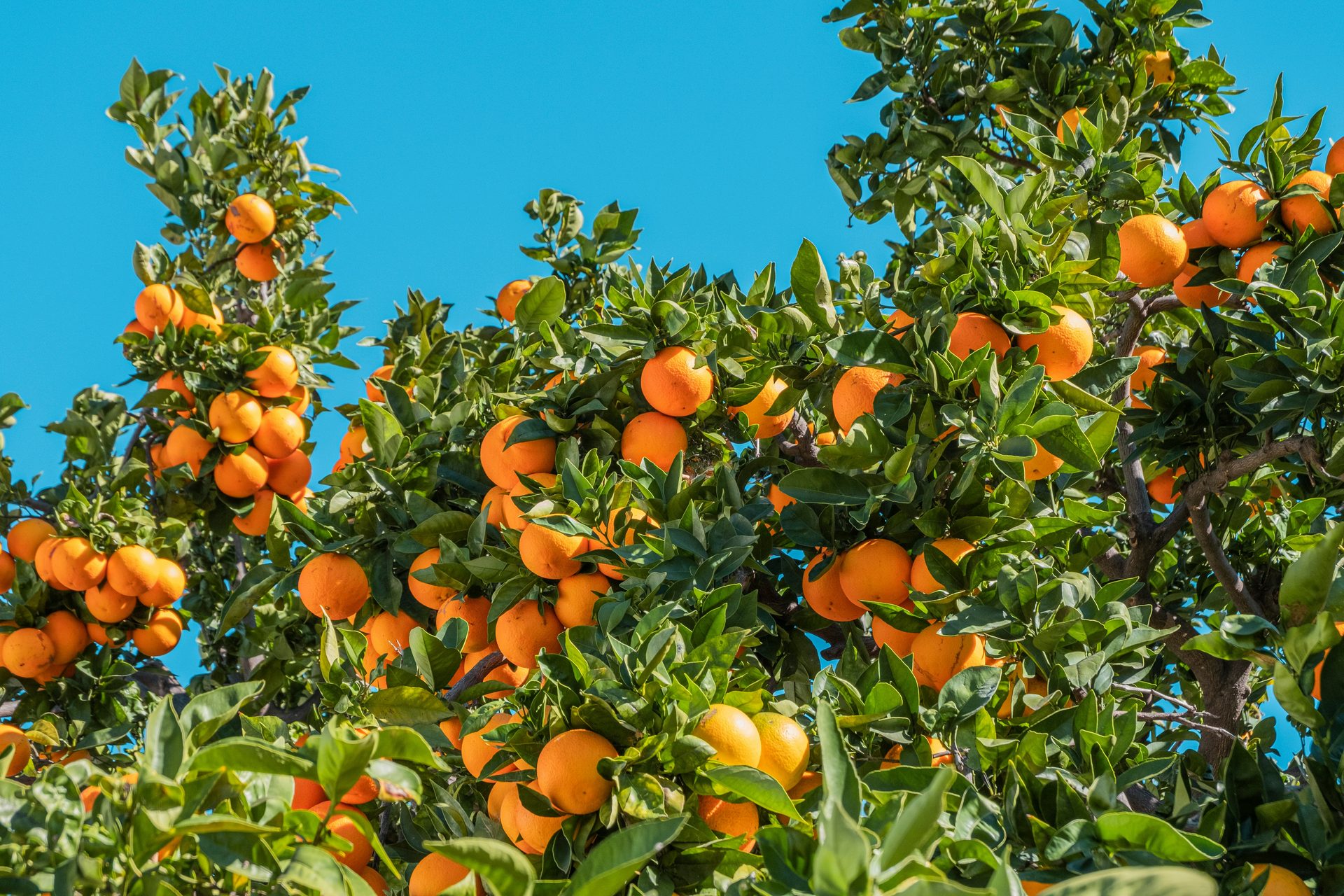
Buying a big bag of navel oranges when they’re on sale is one of the best grocery wins — until you realize you can’t eat them all before they turn. Left on the counter at room temperature, oranges last only about a week, though they fare better in the fridge, where they’ll stay fresh for three to four weeks. Freezing extends that window dramatically, and it turns out oranges are one of the easier fruits to freeze for smoothie use.
Yes, you can freeze oranges, and they freeze well for use in recipes like smoothies, fresh juice, and sauces. The process takes just a few minutes of prep, and the payoff is ready-to-blend citrus whenever you need it. This guide walks you through every step — from prep to storage to knowing when to toss them.
Can You Freeze Oranges?
Yes, oranges can be frozen for smoothies. You can freeze the fruit whole or segmented — whole oranges are great if you plan on juicing them after defrosting, while segments can be tossed directly into smoothies. You can also juice the oranges and freeze orange juice instead.
Many people assume oranges won’t freeze well because they have a high water content. Food items with lots of water do expand as they freeze, which can cause them to break or burst and lose their integrity. But that’s not really the case with oranges. They hold up well in the freezer as long as you prepare them correctly before storing.
Adding oranges to a smoothie is a great way to start the day with a dose of vitamin C and filling fiber. Freezing oranges also helps reduce food waste by keeping them until you’re ready to use them. If you’re looking for more ways to work nutritious foods into your routine, check out these superfoods for a healthy heart and powerful nutrients and foods that fight cancer.
Does Freezing Change the Texture or Taste of Oranges?
Freezing makes oranges noticeably softer and mushier than fresh fruit. Ice crystals form inside the cells during freezing, rupturing membranes and breaking down structure. This texture change actually benefits juicing and smoothie-making. However, it makes thawed oranges a poor choice for snacking or fruit salads.
While the texture changes, the taste and nutritional value remain intact. Frozen oranges retain their juiciness and sweetness, but the texture will change once defrosted. That trade-off is perfectly fine when you’re blending everything together anyway.
Freezing doesn’t sour an orange. When ice forms, the fruit’s natural sugars aren’t affected. Any tanginess after thawing comes from the orange’s natural acidity, not the freezing process.
Pro Tip: If you plan to use frozen oranges only in smoothies, cut each segment in half before freezing. Smaller pieces blend faster and put less strain on your blender motor.
One thing to watch: navel oranges can start to get bitter after two to three months in the freezer, so if you want to keep them longer than that, use a different variety. Clementines, mandarins, and blood oranges tend to hold their flavor longer.
How to Freeze Oranges the Right Way
The method you use depends on how you plan to use the oranges later. For smoothies, the segment method is the most practical. Here’s how to do it properly.
Step-by-Step: Freezing Orange Segments
- Wash and dry. Wash all oranges in hot, soapy water and dry before continuing. This removes surface residue and any wax coating.
- Peel and remove pith. Either peel by hand or slice off the peel and pith. If you’re using the oranges primarily for smoothies, remove most of the bitter white pith.
- Break into segments. Use your hands or a knife to separate the orange into smaller sections — about four to six per orange. If you’re planning to use them in smoothies or blended recipes, cut each wedge in half before freezing to make them easier to blend later.
- Flash freeze on a tray. Lay the orange pieces in a single layer on a parchment-lined baking sheet. Set the tray in the freezer, uncovered, for about an hour.
- Transfer to a freezer bag. Remove the tray from the freezer and transfer the oranges to a freezer-safe bag. Squeeze the air out of the bag, then seal it.
- Label and freeze. Always label your containers with the date and contents. Place the bag flat in the freezer.
Partially freezing the oranges before transferring them to a bag allows the segments to harden slightly, which keeps the pieces from sticking together. This is especially important if the segments are wet and juicy from being broken apart.
Other Freezing Options
| Method | Best For | Notes |
|---|---|---|
| Segments (peeled) | Smoothies, baking | Most versatile; flash freeze first to prevent clumping |
| Whole (unpeeled) | Juicing, zesting | Zest while still frozen for best results |
| Juice in ice cube trays | Drinks, sauces, recipes | Easy to portion; pour into bags after freezing solid |
| Orange zest | Baking, seasoning | Spread on a sheet to freeze, then store in a small airtight bag |
Remove as much air as you can before sealing to prevent ice crystals from forming. A vacuum sealer works best, but pressing out the air manually before zipping a freezer bag is effective enough for most home use.
How Long Can You Freeze Oranges?
According to the USDA, fruit frozen and stored at 0°F or lower will maintain high quality for between 8 to 12 months. Freezing for longer than that results in lower quality taste and texture, but it doesn’t make the fruit unsafe to eat.
Frozen oranges maintain best quality for 6 to 12 months depending on preparation method. Whole and segmented oranges last 10 to 12 months when vacuum-sealed, while fresh-squeezed juice lasts about 6 months. Bottled orange juice extends to 12 months frozen. For the best flavor and texture, use frozen oranges within the first 6 to 8 months of storage.
Key Insight: The USDA recommends storing your freezer at 0°F or below for safe long-term fruit storage. Use a freezer thermometer to verify the temperature, especially if you open the door frequently.
For best quality, use frozen fruits within 8 to 12 months. This is a quality issue, not a food safety issue. Recommended storage times ensure maximum quality — food stored longer will be safe to eat, but you may notice changes in flavor, color, and texture.
How to Thaw Frozen Oranges
How you thaw your oranges depends on what you’re making. For smoothies, you don’t need to thaw them at all — just toss the frozen segments directly into your blender.
Frozen oranges are great for smoothies. They add a cold, frosty texture and bright citrus flavor. You don’t even need to thaw them first — just toss the frozen orange pieces right into your blender with the other ingredients.
When you do need thawed oranges for other uses, here are your options:
- Refrigerator (best quality): Slow thawing is best quality-wise and takes two to four hours for segments, depending on size. If you’re defrosting a whole orange, allow at least 6 to 8 hours in the refrigerator.
- Cold water bath: Transfer frozen orange segments to a sealed freezer bag and submerge in cold water until softened. Change the water every 30 minutes.
- Countertop (segments only): If you need your segments thawed before adding them to a smoothie, leave them on the counter for 40 to 60 minutes and use them right away. Don’t defrost whole oranges at room temperature.
- Microwave: If you need to thaw oranges quickly, especially for juices, microwave them on 50% power for about 60 seconds. This method is not suitable for whole oranges, as they may burst during the process.
Important Note: Bacteria multiply rapidly in the temperature danger zone between 40°F and 140°F. Never leave thawed fruit at room temperature for more than two hours.
Oranges are packed with nutrients that support your overall health. If you’re interested in building a diet around functional foods, explore these fibroid healing foods and foods that promote healthy eyesight for more ideas.
Can You Refreeze Oranges After Thawing?
Once food is thawed in the refrigerator, it is safe to refreeze it without cooking, although there may be a loss of quality due to the moisture lost through thawing. This applies to oranges as well.
Thawed fruit and fruit juice concentrates can be refrozen if they taste and smell good. Since thawed fruits suffer in appearance, flavor, and texture from refreezing, you may want to use them in jam or another cooked application instead.
If the fruit is thawed and then refrozen, the ice crystals can reform and cause further damage, leading to a softer or mushier texture. The fruit may also become more prone to spoilage and develop off-flavors or odors. For smoothies, this usually doesn’t matter much since everything gets blended anyway — but the flavor can become noticeably flat.
To safely refreeze, the thawed product must have been kept cold at 40°F or below for no more than three to four days. Put the food in the coldest part of the freezer, mark it with the date, and use it within two to three months. If food is completely thawed, warmed to room temperature, or left out of the refrigerator for more than two hours, throw it out for safety’s sake.
How to Use Frozen Oranges (Best Uses After Freezing)
Frozen oranges work best in recipes where texture doesn’t matter. Use frozen orange segments in smoothies, infused water, or any recipes that require cooking or blending of the fruit. Serving frozen defrosted oranges alone or uncooked in recipes like fruit salad is not recommended because they tend to get mushy in texture once defrosted.
Here are the best ways to put your frozen oranges to work:
- Smoothies: Frozen oranges work great in smoothies — just toss frozen orange pieces into your blender with other fruits for a cold, refreshing drink. They pair especially well with strawberries, mango, pineapple, and banana.
- Fresh juice: You can make juice with frozen oranges, but allow the frozen orange segments to fully defrost before juicing them.
- Baking: Thawed oranges are perfect for making fruit purees or sauces, adding a velvety consistency. They can also be used in baked goods like muffins, cakes, and bread, providing a moist and tender crumb.
- Savory dishes: Frozen orange pieces work well in savory dishes like orange chicken.
- Infused water and drinks: You can throw a frozen segment or two into a glass of water on a hot day, or use frozen orange pieces instead of ice cubes in your smoothie. Just make sure your blender can handle frozen fruit.
- Sherbet and frozen desserts: Frozen oranges are excellent in smoothies and sherbets, especially in the summer months.
Oranges are one of many whole foods that support a healthy lifestyle. For more on eating for wellness, see this guide to whole plant-based foods and these foods that can help enhance your liver function.
Signs That Frozen Oranges Have Gone Bad
Frozen oranges are generally safe for up to a year when stored properly, but there are a few signs that tell you it’s time to toss them. The USDA’s Kitchen Companion advises discarding foods with unusual odor, color, or texture, and never tasting food to determine its safety.
Watch for these warning signs:
- Off smell: If the orange has lost its citrusy smell and smells off or funny, throw it out. Fresh frozen oranges should still carry that bright citrus scent even from frozen.
- Heavy freezer burn: The USDA and FDA both say freezer burn is mainly a quality issue, not a food-safety issue. The fruit may be dry, tough, or bland, but freezer burn alone does not automatically make it unsafe. That said, heavily freezer-burned segments will taste flat in a smoothie.
- Mold or sliminess: Thawed frozen fruit can go bad if it’s not handled and stored properly. The fruit may develop off-odors, slime, or mold, which can indicate the presence of bacteria or other microorganisms. Discard immediately.
- Unusual discoloration: Strange discoloration, heavy browning, or a texture that feels abnormally damaged after thawing are signs to discard.
- Large ice crystals or frost buildup inside the bag: Large ice crystals, heavy frost inside the bag, and obvious dehydration usually indicate the product was exposed to temperature fluctuations, weak sealing, or repeated opening and closing. The oranges may still be safe, but quality will be poor.
Common Mistake: Don’t taste a questionable piece of frozen fruit to decide if it’s safe. If the smell or appearance is off, discard it. When in doubt, throw it out.
Proper packaging goes a long way toward preventing spoilage. Improper packaging can cause freezer burn, affecting the quality of the oranges. Always use freezer-safe bags or airtight containers, squeeze out excess air before sealing, and store at a consistent 0°F. For more on making smart food choices, see this overview of foods for healthy skin and the cancer-causing foods you need to avoid.
Frequently Asked Questions
Do frozen oranges lose their vitamin C?
The nutritional content remains intact despite texture changes. Freezing, when properly done, can preserve more nutrients than other methods of food preservation. To maintain top nutritional quality in frozen fruits, store the frozen product at 0°F and use it within the suggested storage times.
Can you freeze oranges with the peel on?
Whether you should peel the oranges depends on how you’ll use them. If you’re using a citrus juicer, leave the peel on. But if you have a masticating or centrifugal juicer, peel them so you don’t have to do that after thawing. For smoothies, always peel and remove the pith before freezing — leaving the peel on can result in a bitter taste and unpleasant texture.
Can you freeze clementines and mandarins the same way?
This method works with mandarins, satsumas, clementines, and any other orange or citrus fruit. The same prep steps apply — peel, segment, flash freeze on a tray, then transfer to a freezer bag.
Can you freeze orange juice?
Orange juice freezes well and is one of the simplest preservation methods. Properly frozen juice maintains flavor and vitamin content for months. Fresh-squeezed juice lasts up to 6 months frozen, while bottled juice extends to 12 months. Pour juice into ice cube trays first for easy portioning, then transfer the frozen cubes to a labeled freezer bag.
How do you pick the best oranges to freeze?
Oranges are non-climacteric fruit, which means they will not ripen further after picking. The cells within the fruit will continue to break down and get softer and juicier, but the fruit won’t get sweeter. So it’s important to grab fresh, ripe oranges at the store. Look for oranges with a yellow-orange peel throughout that are firm and heavy for their size. Avoid oranges with bruises or cuts to the peel.
Why does my frozen orange taste bland?
The flavor of frozen orange generally remains good, but some subtle changes can occur due to the breakdown of certain compounds during freezing. Citrus fruits have volatile compounds responsible for their fresh, tangy taste, and freezing can cause a slight dulling of these flavors. This is most noticeable if the oranges were stored for longer than six months or weren’t sealed airtight.