Why Are My Pothos Leaves Small? Causes, Fixes, and Prevention Tips

July 6, 2026
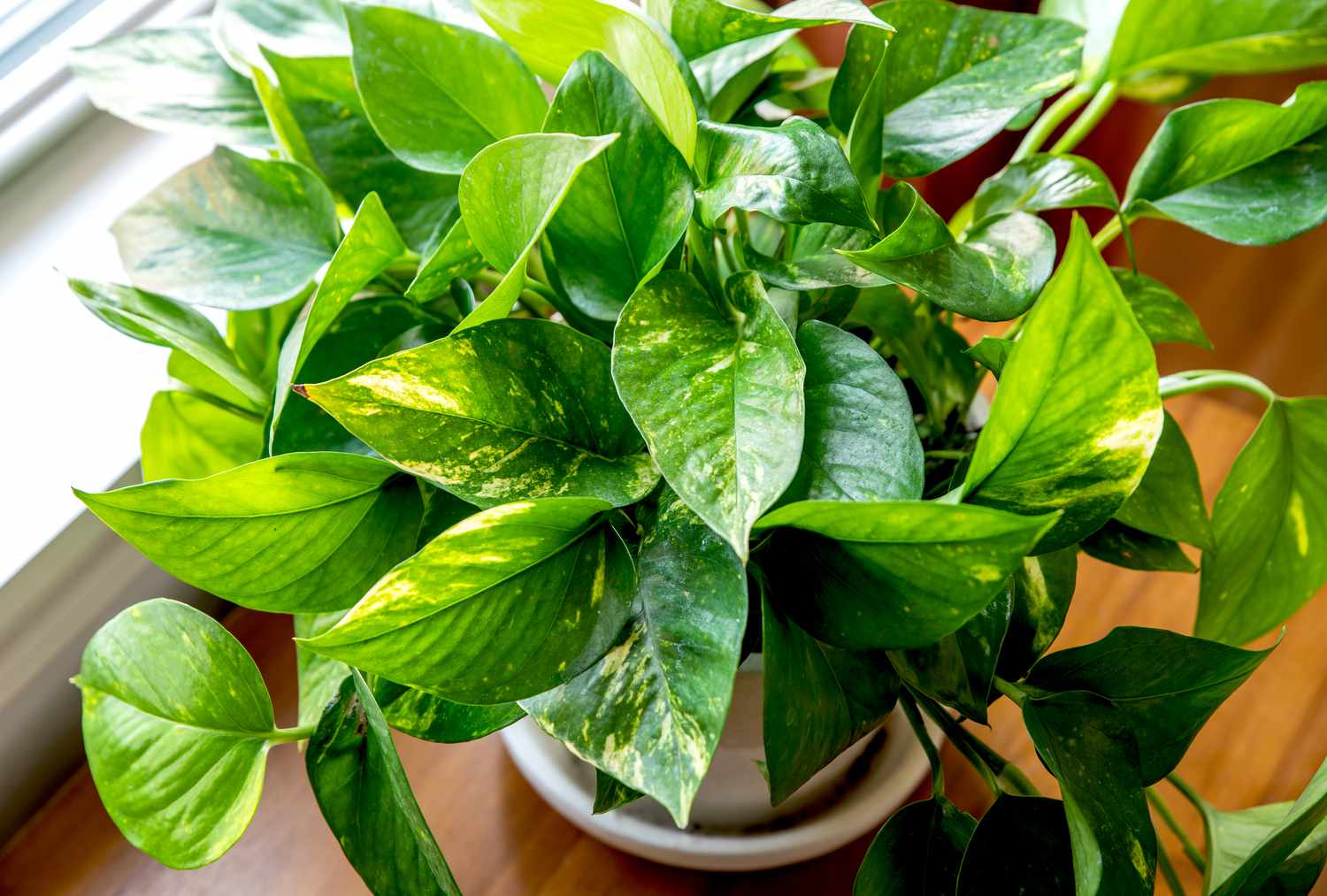
Pothos is one of the most popular houseplants in American homes — forgiving, fast-growing, and gorgeous when it’s thriving. So when you notice the new leaves coming in noticeably smaller than the older ones, it’s natural to wonder what went wrong.
The good news is that small leaves on a pothos are almost always a fixable problem. Small leaves on a pothos plant usually indicate that the plant is not growing under ideal conditions, since healthy pothos produce large, broad leaves when they receive enough light, nutrients, and space to grow. Once you identify the root cause, recovery is well within reach.
This guide walks you through every reason your pothos leaves may be shrinking — from watering habits to pest pressure — along with a clear step-by-step diagnosis and practical fixes you can start today.
What Does It Mean When Your Pothos Has Small Leaves?
Pothos (Epipremnum aureum) is a tropical vine that, in its natural habitat, produces enormous leaves as it climbs toward the forest canopy. Indoors, the leaves are naturally smaller, but they should still be broad, glossy, and healthy-looking. When new growth consistently comes in smaller than what the plant previously produced, that’s your plant communicating stress.
To understand the causes behind shrinking leaf size in pothos, it helps to view it as a cycle: less light means reduced water requirements, and when two components essential for photosynthesis are not actively present, pothos — being a plant with an adapting personality — compromises on leaf size to survive. The result is visible leaf size shrinkage.
Young pothos leaf growth is slightly different from mature leaves. Juvenile leaves are smooth and several inches long, while mature leaves can reach up to 3 feet in length and develop into oval or heart shapes, often with holes at the midrib. Most indoor plants do not achieve leaves of that size, but leaves still develop similarly. So some size difference between new and old growth is normal — but a dramatic, ongoing reduction is a signal worth investigating.
Pro Tip: Keep a photo log of your pothos every few weeks. Comparing images side by side makes it much easier to spot a gradual decline in leaf size before it becomes a serious problem.
Is Small Leaf Size in Pothos Always a Sign of a Problem?
Not always. Pothos leaves do grow in size after unfurling. New leaves are a bright green color that is thin, waxy, and tiny — but as they mature, they grow considerably larger and stronger, provided you are caring for the plant properly. If you’re seeing tiny leaves that are brand new and just unfurled, give them a couple of weeks before drawing conclusions.
There are also some pothos varieties that naturally produce smaller leaves than others. Certain cultivars like ‘Pearls and Jade’ or ‘N’Joy’ have smaller foliage as a genetic trait, not a care problem. If your plant has always had petite leaves and is otherwise healthy, the size may simply be characteristic of that variety.
However, if leaves that were once large are being followed by noticeably smaller new growth — especially paired with slow vining, pale color, or leggy stems — something in the plant’s environment needs attention. Stunted leaves on pothos may be related to nutrient deficiencies, low light, or insect infestations.
Watering Issues Causing Pothos Small Leaves
Water is one of the most common culprits behind stunted pothos growth, and both too much and too little can cause problems — though in different ways.
Underwatering
Too little water is a common cause of stunted pothos plants. In the absence of appropriate watering on a consistent basis, pothos produces smaller leaves. Over time, you will see that the plant adjusts to survive, and this is noticeable as a shrink in leaf size.
Let plants dry out only in the top 2 inches of soil before irrigating. If the plant dries out to the roots, growth will retard and the overall health of the plant will suffer, which can trigger disease and pest outbreaks.
Overwatering
Some plant owners tend to overwater their houseplants. Since pothos likes to be on the drier side, overwatering can cause a number of problems — one of them being smaller leaves that are either yellow and shriveled or diseased with brown spots.
Pothos plants can easily get root rot and start dropping their leaves when in soggy conditions, since they actually prefer to dry out between waterings. Root rot severely limits the plant’s ability to absorb the water and nutrients it needs to build large leaves.
Pro Tip: The finger-dip test is your best watering guide. Check the soil about once a week by sticking your finger in, and only water when the soil feels dried out in the top 2–3 inches. Water just until liquid comes out of the bottom drainage hole and no more.
How Light Affects Your Watering Schedule
How often your pothos needs a drink depends on how much sunlight it receives each day. Typically, if your pothos receives bright indirect sunlight for 4–6 hours a day, it will need more water compared to a pothos that gets very little indirect sunlight. Adjust your watering frequency seasonally — less in winter, more in the active growing months of spring and summer.
Light Conditions Behind Pothos Small Leaves
Of all the causes of small pothos leaves, inadequate light is the most common. The most common issue that most people have with pothos is not giving it enough light — this is most likely the root cause of stagnant progress.
Pothos plants thrive in bright, indirect light. If your plant is not receiving enough light, the leaves can become smaller as it stretches towards the light source. Consider relocating it to a spot where it can receive more indirect sunlight.
If your plant looks stretched out with small leaves, it is hunting for more energy. You may also notice longer gaps between leaves along the vine — a condition called legginess — which signals the same light deficiency.
Too Much Direct Sun Is Also a Problem
For its best health and big bright leaves, pothos requires bright but indirect light. A west or south-facing window provides an ideal sunlight source. Keep in mind that pothos thrive in shade to part shade — too much direct sunlight is harmful and can burn the leaves.
If pothos aren’t getting enough light, the leaves will become smaller and lose their color and variegation. Variegated varieties like Golden Pothos or Marble Queen are especially prone to losing their pattern when light is insufficient. You can read more about the best houseplants for low-light areas to understand which plants truly tolerate dim conditions versus which ones merely survive in them.
Using Grow Lights
Pothos can survive in low light, but they grow best with bright, indirect light. In homes without enough natural light, a grow light can prevent many common pothos problems like leggy growth, pale leaves, and slow growth. A full-spectrum LED grow light placed 6–12 inches above the plant for 12–14 hours per day can substitute effectively for a window.
Soil, Nutrients, and Root Health Causing Pothos Small Leaves
Even if your light and watering are dialed in, poor soil conditions or nutrient imbalances can still keep your pothos leaves small.
Nutrient Deficiency
Pothos plants need proper nutrients to grow healthy leaves. If the soil is depleted of nutrients, this could result in smaller leaves. Stunted growth and weak vines are a big clue — on a pothos with nutrient issues, you often see tiny new leaves, long bare spaces between leaves, and vines that feel brittle instead of strong and flexible.
Whole leaves turning yellow, especially from the tip back, often point to nitrogen problems, while yellowing that sits between green veins can point to magnesium or iron issues. A soil test kit is an easy way to know for sure — it tells you how much of each nutrient your soil has, its organic matter content, and the pH level.
Regularly fertilizing your pothos during the growing season (spring and summer) with a balanced houseplant fertilizer can help replenish nutrients. A nutrient-rich fertilizer should be used in moderate amounts with pothos, just as with any other houseplant. It is best to use liquid fertilizers and types that have a delayed release if you want to preserve the lush color, waxy texture, and the size and form of its leaves.
Too Much Fertilizer
More fertilizer is not always better. Feeding your pothos plant with plenty of fertilizer will not make it healthier — on the contrary, it will only make the condition worse. This can result in leaf curling, leaf discoloration, and production of smaller leaves.
Leach out excess nutrients by watering your plant on low for an hour or longer. The water will help push out fertilizer remnants and allow you to start over. If there aren’t enough nutrients, apply monthly helpings of organic fertilizer from spring through fall.
Root-Bound Pots
A pothos plant will tolerate being pot-bound to a certain extent. If the pot is too small and the rootball is so huge that there is very little potting mix left in the pot, you should move your plant as soon as possible. Pothos plants that are highly pot-confined will produce new growth to survive — but that growth will be small and stressed.
While vining plants like pothos can stay in the same pot for years, it is advisable to check the root ball at least once a year. If you see roots circling the bottom of the pot or poking out of drainage holes, it’s time to size up.
Key Insight: When repotting, choose a pot only 1–2 inches larger in diameter than the current one. Going too large at once can lead to overwatering problems, since the extra soil holds moisture the roots can’t yet absorb.
Environmental Stress Triggering Pothos Small Leaves
Temperature and humidity — two factors that are easy to overlook indoors — play a significant role in how large your pothos leaves grow.
Temperature Extremes
Pothos usually thrive in temperatures ranging between 70°F and 90°F. Anything beyond this range can potentially stunt growth, and you will notice that vines have sparse growth of small leaves. Temperatures outside this range can induce tissue damage and death, or they might inhibit growth and cause leaf shrinkage.
In American homes, the biggest risks are cold drafts near windows in winter and air conditioning vents blowing directly on the plant in summer. Keep your pothos away from exterior doors, drafty windowsills, and HVAC vents to maintain a stable temperature.
Low Humidity
A lack of humidity is another potential cause of leaf shrinkage in pothos plants. Pothos thrive in high humidity because they are tropical plants, and during the winter months, the air within our homes can get dry — which may promote the growth of tiny leaves.
You can use a humidity tray (a tray with stones partly immersed in water), spritz the plant, or invest in a humidifier to enhance humidity levels surrounding the plant, especially if humidity levels in your home are lower than the recommended 40–60 percent. Many US homes drop well below that threshold in winter when heating systems run continuously.
Pests and Disease Leading to Pothos Small Leaves
Pest infestations are easy to miss in their early stages, but they can do real damage to leaf development over time.
Common Pests
You might not consider insect pests a culprit, but their feeding activity can cause malformed leaves and leaf drop. Mealybugs and scale are the most common insect pothos problems. Mealybugs look like small balls of cotton while scale are dark-colored bumps on stems and leaves. Their feeding activity reduces plant sap and redirects nutrients from leaves. In high infestations, the leaves will become distorted and stunted.
Spider mites are another threat. There may be a spider-looking webbing near the base of the leaves. Severe spider mite problems can definitely cause barren vines and dropped leaves. To get rid of them, take the plant outside and squirt the leaves with moderate pressure of water.
If you’re unsure what pest you’re dealing with, plant identification apps can sometimes help you narrow down the culprit from a photo. You might also check out Epic Gardening’s guide to pothos diseases for a thorough breakdown of pathogens that affect this plant.
Treating Pest Infestations
- Use a cotton swab dipped in alcohol to kill pests. If you check the plant weekly, you will likely only find a couple of insects, making the plant easier to treat.
- In high infestations, take the plant outdoors or to the bathtub and rinse off the mealybugs, then use a horticultural oil spray to completely kill all the invaders.
- Isolate any affected plant immediately to prevent spread to nearby houseplants.
Disease
Stem rot is mainly caused by a fungus infection in the stem brought by Rhizoctonia. Root rot in a pothos plant is commonly caused by a pathogen called Pythium. Root rot can be recognized without digging through the roots just yet — from the looks of the leaves, you can already tell if your plant is suffering. Some affected leaves turn yellow while others immediately wilt, stems become mushy and black, and the plant’s overall growth is restricted. When you examine the roots, they become soft and soggy with a brown or black color.
To fix root rot, remove the brown, mushy parts of the roots and replant whatever is left in fresh, new soil with better drainage to avoid the roots from being soaked in water. If you also have cats at home that like to dig in pots, check out these tips on keeping cats out of houseplants — disturbance to the soil can worsen root problems.
How to Diagnose Why Your Pothos Has Small Leaves
A systematic approach saves time and avoids guesswork. Work through the following checklist in order, since the most common causes appear first.
- Check the light. Prevent tiny leaves by keeping your pothos well-fed under sufficient light. If you regularly feed your plant and it still has small leaves, it’s a light issue. If your plant has enough light but hasn’t received fertilizer in months, it needs more nutrients.
- Feel the soil. To tell if the problem is water, humidity, or nutrients, feel the leaves and soil. Dry, thin, papery leaves with bone-dry soil lean more toward underwatering, while normal-feeling leaves in damp soil with white crusts on top point to salt buildup from fertilizer.
- Inspect the roots. Gently slide the plant out of its pot. White, firm roots are healthy. Brown, mushy, or circling roots indicate rot or a root-bound condition.
- Look for pests. Check the undersides of leaves, stem joints, and soil surface. Look for webbing, white fuzz, or dark bumps.
- Assess the environment. Note the room temperature, proximity to vents or drafts, and whether the air feels dry — especially in winter months.
Important Note: Address one variable at a time when diagnosing. Changing light, watering, and fertilizer simultaneously makes it impossible to know which fix actually worked — and can introduce new stress to an already struggling plant.
If you want help identifying your specific pothos variety before diagnosing (since some varieties have naturally smaller leaves), the guide to different types of pothos plants is a helpful starting point. You can also use Android plant identification apps to confirm your variety from a photo.
How to Fix a Pothos That Has Small Leaves
Once you’ve identified the cause, here’s how to address each one effectively.
Fix Light Problems
Move shaded pothos into bright indirect sunlight indoors, ensuring the vines are well-lit throughout the day. An east- or north-facing window works well for indirect light, while a south- or west-facing window is ideal if you use a sheer curtain to diffuse the sun. The easiest fix for leggy, small-leafed growth is moving the plant to a location with 6–8 hours of bright, indirect sunlight.
Fix Watering Problems
For underwatered plants, give the pot a thorough soak — let the plant soak up water through its roots by placing it in a tub filled with water for at least 30 minutes. Doing this once a month can perk up your pothos and provide the hydration it needs.
For overwatered plants, let the roots dry out and/or re-pot the pothos in a soil mix with better drainage. Always use a pot with drainage holes — never let your pothos sit in standing water.
Fix Nutrient Problems
Fertilize potted plants monthly during the growing season with a balanced organic fertilizer. Water in the fertilizer well and watch the leaves grow large, bright, and perky. In fall and winter, reduce feeding or stop entirely, since during darker winter months, pothos grows slowly, so extra feeding can build up and damage roots.
Fix Root-Bound or Root Rot Issues
For root-bound plants, repot into a container 1–2 inches larger using fresh, well-draining potting mix. Your pothos should begin to grow back leaves fairly quickly after repotting. For root rot, trim away all brown, mushy root material with sterilized scissors before replanting in fresh soil.
Fix Humidity and Temperature
Group your pothos with other houseplants to create a naturally more humid microclimate. Place a pebble tray filled with water beneath the pot, or run a small humidifier nearby during dry winter months. Move the plant away from heating vents and cold drafts, keeping it in a room that stays consistently between 70°F and 85°F.
Fix Pest Problems
Treat pests immediately upon detection. For mealybugs and scale, use rubbing alcohol on a cotton swab for small infestations, or a neem oil spray for larger ones. For spider mites, rinse the plant thoroughly with water, then apply insecticidal soap every 5–7 days until the infestation clears.
Some plants take months to recover from a problem, but pothos perks right back up once you’ve fixed the situation. After improving conditions, new leaves usually grow larger within several weeks or months. Keep in mind that existing small leaves will not grow larger — only new leaves produced after the fix will reflect the improvement.
How to Prevent Pothos Small Leaves Going Forward
Prevention is far easier than correction. Building consistent habits into your routine keeps your pothos producing full-sized, healthy leaves all year long.
| Care Factor | Ideal Condition | Common Mistake |
|---|---|---|
| Light | Bright, indirect light; 6–8 hours daily | Placing in a dark corner or under direct sun |
| Watering | Water when top 2–3 inches of soil are dry | Watering on a fixed schedule regardless of soil moisture |
| Fertilizing | Balanced liquid fertilizer monthly, spring–summer | Over-fertilizing or not fertilizing for years |
| Temperature | 70°F–90°F; away from vents and drafts | Placing near air conditioning or exterior doors |
| Humidity | 40–60% relative humidity | Ignoring dry indoor air in winter |
| Pot Size | Repot when roots fill the container | Leaving in the same pot for many years |
| Pest Control | Weekly visual inspection of leaves and stems | Only checking when visible damage appears |
Pruning is another underused prevention tool. Trimming long, leggy vines encourages the plant to redirect energy into new, fuller growth. Use clean scissors and cut just above a leaf node. This also keeps your pothos looking bushy and full rather than sparse and stringy.
Rotate your pothos a quarter turn every week or two so all sides of the plant receive equal light exposure. If your pothos only gets light from one side, you’ll want to rotate it occasionally, since those leaves will lean towards the light source.
For a deeper dive into general pothos care, the pothos houseplant care guide covers everything from propagation to seasonal adjustments. If you’re building out a collection of easy-care plants, the guide to types of plants is a great resource for finding companions that thrive in similar conditions.
Pro Tip: In the winter months, water your pothos less often, hold off on fertilizing and pruning, and possibly move it to a spot with more light to compensate for shorter days and lower sun angles.
FAQ
Why are my pothos leaves getting smaller over time?
Lack of appropriate light, fertilizer rich in nutrients, and inadequate watering are three prime causes for pothos to develop smaller leaves. Start by evaluating your plant’s light exposure, then check your watering consistency and when you last fertilized. One of those three is almost always the culprit.
Will small pothos leaves grow back to normal size?
Small leaves are usually caused by low light or lack of nutrients. Existing leaves stay the same size, but new leaves can grow larger once conditions improve. After improving conditions, new leaves usually grow larger within several weeks or months.
Should I cut off small leaves on my pothos?
Take off damaged pothos leaves as soon as you find them. For leaves that are simply small but otherwise healthy, you don’t need to remove them — focus instead on fixing the underlying care issue so future leaves emerge larger. Pruning leggy vines does help redirect energy to new growth.
How often should I fertilize my pothos for bigger leaves?
Regularly fertilizing your pothos during the growing season (spring and summer) with a balanced houseplant fertilizer can help replenish nutrients. A diluted liquid fertilizer applied once a month during active growth is generally sufficient. Stop or significantly reduce feeding in fall and winter when growth naturally slows.
Can a root-bound pothos cause small leaves?
Yes. If the pot is too small and the rootball is so huge that there is very little potting mix left in the pot, you should move your plant as soon as possible. Pothos plants that are highly pot-confined will produce new growth to survive — but that survival growth tends to be small and weak. Repotting into a slightly larger container with fresh soil usually prompts a noticeable improvement in leaf size within a few months.
Is low humidity causing my pothos to have small leaves?
A lack of humidity is a potential cause of leaf shrinkage in pothos plants, since they thrive in high humidity as tropical plants. If your home’s humidity drops below 40 percent — common in US homes during winter — a pebble tray, plant grouping, or small humidifier can make a meaningful difference in leaf size and overall plant health.
What other houseplants are similar to pothos in care needs?
Many trailing and climbing houseplants share similar light, water, and humidity preferences. Spider plants are a popular low-maintenance alternative, and rubber plants thrive in similar bright-indirect light conditions. If you’re exploring other easy-care options, the aloe vera varieties guide and the types of ivy plants overview are also worth a look.