How Much Does It Cost to Build a House in America: A Complete Cost Breakdown

August 27, 2026
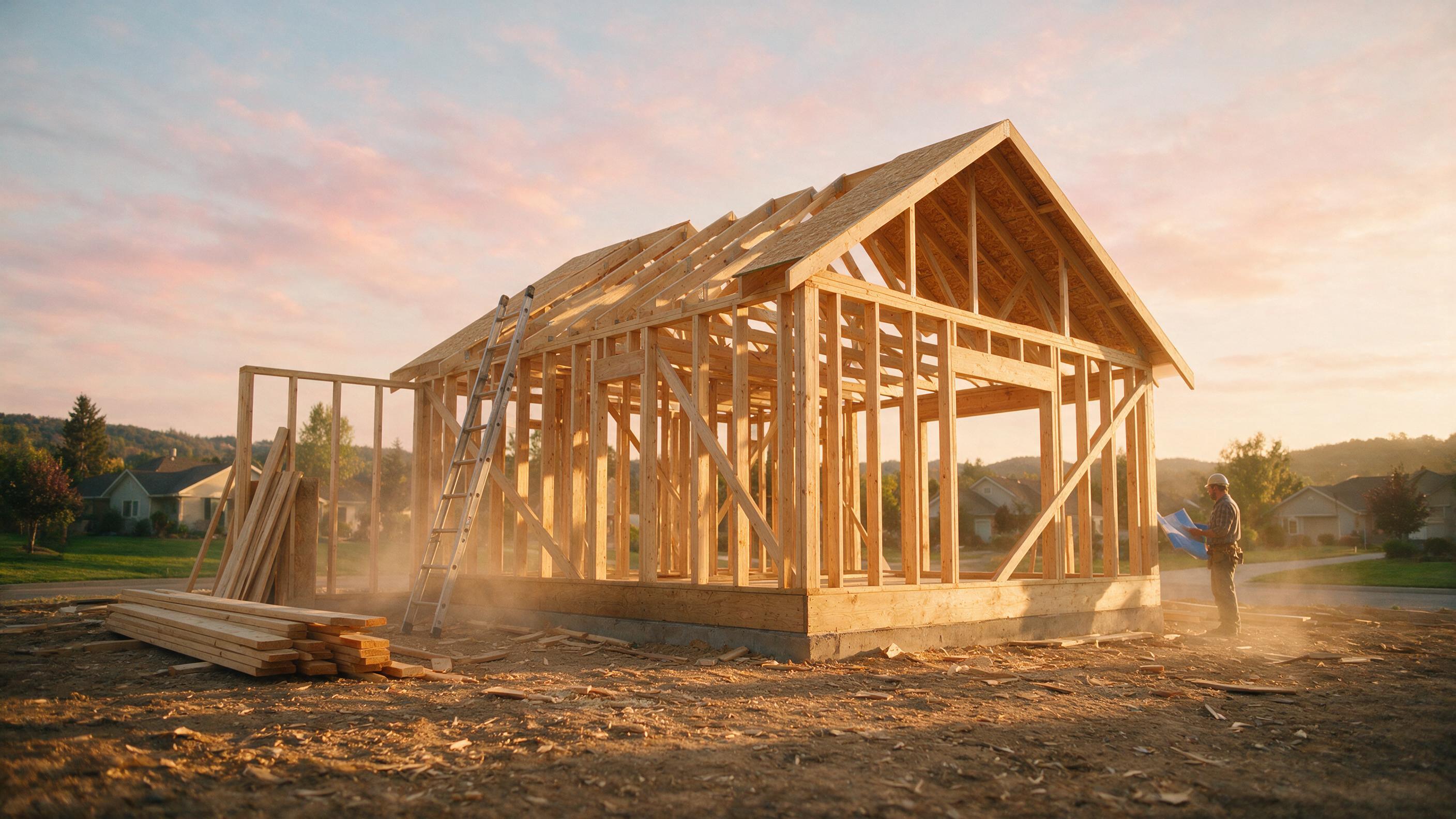
Building a house from scratch is one of the biggest financial decisions you will ever make — and the price tag is rarely what people expect going in. Building a house in the US generally costs between $138,937 and $531,294, with an average of around $323,026, excluding land. That gap between the low and high end is enormous, and it exists for good reason: where you build, what you build, and who you hire all push that number dramatically in either direction.
Before you commit to a plot of land or sign with a contractor, you need to understand every layer of cost that goes into a new build. This guide walks you through average construction costs across the country, per-square-foot benchmarks, a full breakdown of what your money actually covers, land costs, the key factors that drive prices up or down, how building compares to buying, and practical strategies to keep your budget under control.
Average Cost to Build a House in America
According to a survey of 4,000 U.S. home builders by the National Association of Home Builders (NAHB), the average cost of constructing a new home was $428,215 in 2024 — the highest level recorded by NAHB since it began its annual cost surveys in 1998. That equates to around $162 per square foot of finished floor space, with the average home spanning 2,647 square feet.
According to HomeAdvisor’s 2025 data, the national average to build a home is $323,026, with costs typically ranging from $138,937 to $531,294 — and that figure excludes the land. These two numbers differ because the NAHB figure reflects the full construction cost tracked by builders, while HomeAdvisor’s figure is drawn from consumer-reported project costs, which can skew lower depending on the scope of work included.
Low-end builds cost around $150–$200 per sq ft (basic finishes, smaller floor plans, and limited customization), mid-range builds run around $200–$300 per sq ft (durable materials, energy-efficient features, and moderate customization), and high-end or luxury builds come in at $300+ per sq ft (design complexity, premium finishes, and location). As a practical example, a 1,500 sq ft home would take around $225,000 at the low end and $450,000 with higher finishes.
Key Insight: The $323,026 national average does not include land, site preparation, landscaping, or permit fees. When you add those costs, your total project budget will likely run 20–40% higher than the base construction contract.
Regional location has an outsized effect on these averages. National averages suggest a range of $150 to $300 per square foot, yet new home build prices vary widely — the Midwest hovers closer to $130–$200, while the Northeast and West Coast can exceed $350.
Cost to Build a House Per Square Foot in America
The national average cost to build a house per square foot for 2025–2026 ranges between $180–$250 for standard construction, representing a 4–6% increase from previous years due to material cost inflation and labor market changes.
Based on construction cost surveys and builder data, the typical range to build a single-family home in 2026 falls between $150 and $300 per square foot for the base construction contract. Quick national benchmarks for base construction (not total project cost) break down as follows: entry-level or builder-grade runs $130–$180/sq ft, mid-range or standard is $180–$250/sq ft, upper-mid or semi-custom is $250–$350/sq ft, and custom or high-end is $350–$600+/sq ft. Total project cost (including land, site work, permits, and landscaping) typically runs 20–40% above the base construction contract.
One factor that surprises many first-time builders is how home size affects the per-square-foot rate. Larger homes generally cost less per square foot to build than smaller homes of the same quality, because certain fixed costs — the foundation footprint, the roof structure, the HVAC system design, the kitchen — do not scale perfectly with square footage. A 1,200-square-foot home and a 2,400-square-foot home both need one kitchen, one HVAC system, and one set of utility connections.
Here is how per-square-foot costs translate into total construction budgets at common home sizes:
| Home Size | Low-End ($150/sq ft) | Mid-Range ($225/sq ft) | High-End ($350/sq ft) |
|---|---|---|---|
| 1,000 sq ft | $150,000 | $225,000 | $350,000 |
| 1,500 sq ft | $225,000 | $337,500 | $525,000 |
| 2,000 sq ft | $300,000 | $450,000 | $700,000 |
| 2,500 sq ft | $375,000 | $562,500 | $875,000 |
| 3,000 sq ft | $450,000 | $675,000 | $1,050,000 |
These figures cover base construction only. You will need to add land, permits, site work, and landscaping on top of these numbers to arrive at a true total project cost.
Cost Breakdown: What You’re Actually Paying For in America
A construction budget is not a single line item — it is a layered stack of costs, each with its own variables. Understanding where the money goes helps you make smarter trade-offs before you break ground.
Foundation: The average cost to build a foundation is $25,000 to $70,000, depending on the type. The best foundation depends on the soil conditions, water level, and frost line in your area. A concrete or slab-on-grade foundation is the least expensive, while a basement foundation costs the most.
Framing: House framing costs $35,000 to $75,000 on average. This includes the cost of materials and labor for constructing the skeleton of your home, including exterior and interior walls, floor systems, and roof trusses. Homes in areas with extreme weather conditions, such as tornados or hurricanes, may require additional structural support.
Roofing: A new roof costs $10,000 to $25,000+ installed, depending on the home size and roofing material. Asphalt shingles remain the most popular choice due to their cost-effectiveness and performance. Metal roofing costs more but is gaining popularity for its durability and long lifespan.
Electrical: Electrical installation for a new house costs $12,000 to $20,000 total for an average-sized home. Expect costs on the high end of that range if your house has a complex layout or requires a high-capacity electrical service panel to power more appliances and devices.
Plumbing: New plumbing installation costs $12,000 to $20,000 and includes water supply lines, drainage systems, venting, and fixture connections. Homes in areas with cold winters require proper insulation of plumbing in exterior walls and unheated spaces to prevent freezing.
HVAC: HVAC system installation costs $8,000 to $18,000. Total costs depend on the house size and the HVAC system size, type, and brand.
Insulation and Drywall: Insulation and drywall costs $12,000 to $40,000 installed, depending on the insulation type and the home’s interior layout. The location and climate determine the ideal insulation type for your home.
Exterior Finishes: High-quality weatherproof wrapping and exterior siding is an investment in the durability of your home. Siding costs an average of $12 per square foot, and you can choose from several types, such as affordable vinyl or high-end natural stone.
Permits and Plans: On average, house plans can cost anywhere from $500 to $20,000. Building permit requirements will differ between locations, but they cost $150 to $2,000 on average.
Common Mistake: Many first-time builders budget only for construction costs and forget to account for landscaping, appliances, utility hookups, and temporary housing during the build. Budget an extra 15–25% above the base construction estimate for these commonly overlooked expenses.
General Contractor Fees: Materials costs account for roughly 60% of your total construction costs. General contractors charge 10% to 20% of construction costs and may hire various subcontractors.
Living Costs During Construction: While planning your budget, it is important to consider concurrent costs, such as living expenses during construction. Financing your new build means securing affordable housing until you can safely move in. A new home construction can take anywhere from seven to 24 months, and the total timeline depends on the availability of materials and builders in your area as well as the accessibility of the site.
Cost of Land in America
Land is often the most unpredictable line item in a new build budget. On average in the United States, the cost of one acre of land is around $18,000. You can buy an acre for under $1,000 in some places, but some commercial lots and farmland can exceed $100,000 per acre.
Prices range from under $2,000 per acre in remote western regions to over $200,000 per acre in prime California vineyard country. For residential building lots specifically, the range is just as wide. The average price per acre in the US can be between $4,000 and $350,000, depending on the size and location of the land.
State-by-state differences are significant. The most expensive states by price per acre include New Jersey, Rhode Island, Delaware, and Hawaii. On the affordable end, New Mexico, Wyoming, and Nevada consistently offer the cheapest raw land per acre in the country, with rural parcels regularly available under $300 per acre — these are large, rural western states with vast amounts of undeveloped land.
In addition to the purchase price, you need to budget for preparation costs. Land preparation can include tree removal, surveying, and having the land leveled. Nationwide, you can expect to spend $1,600 to $6,200 on surveying and land preparation before breaking ground on construction.
Pro Tip: If you are comparing land parcels, look beyond the sticker price. Access to paved roads costs 2–5x more than adjacent parcels accessible only by dirt road, and a well or creek can add $5,000–$30,000+ to a parcel’s value, while grid power and municipal water dramatically increase value near rural town borders.
Urban and suburban lots carry a premium that rural land does not. Urban areas face higher permit fees, complex zoning, unionized labor, and premium land costs, while rural areas offer lower fees and land costs but fewer contractors and suppliers, which can delay projects. If you are considering building in a city or suburb, factor in those additional regulatory and permitting costs on top of the land price itself. You can explore how apartment and housing costs compare in specific cities — including Miami, Washington D.C., and San Francisco — to understand the broader housing market context before choosing your location.
Factors That Affect Building Costs in America
No two builds cost the same amount, and several major variables determine where your project lands on the cost spectrum.
Location: Geography is the single biggest cost driver. The five most expensive states — Hawaii, Alaska, California, New Jersey, and New York — all exceed $210 per square foot, driven by limited land availability, stringent building codes, high union labor costs, and expensive material transportation logistics. West Coast and Northeast states occupy the top cost tiers, while South Central and Midwest states dominate the affordable construction markets.
Labor Shortages: Inflation cooled in some sectors, but construction costs per square foot remain volatile because the prices of concrete, steel, and copper continue to fluctuate. Labor shortages persist, with hundreds of thousands of jobs unfilled, driving wages higher and timelines longer.
Energy Codes and Regulations: State-level energy codes and new compliance rules add costs that simply did not exist a decade ago. California is one of the most dramatic examples: California builders face the nation’s most complex regulatory environment, with Title 24 energy code compliance, California Environmental Quality Act (CEQA) review processes, and local solar mandates adding a cumulative $25,000–$45,000 to standard construction budgets before accounting for the state’s $225 per square foot baseline cost.
Climate and Geography Requirements: Florida’s post-Hurricane Andrew building code revisions require all new construction in High Velocity Hurricane Zones to withstand 140+ mph winds, necessitating impact-resistant windows ($12,000–$18,000 premium), reinforced roof-to-wall connections ($4,000–$7,000), and engineered foundation systems that collectively add 8–12% to construction costs in coastal counties. In colder climates, Minnesota, North Dakota, and Wisconsin require residential foundations to extend below the 42–60 inch frost line to prevent freeze-thaw heaving, adding $8,000–$15,000 to foundation costs compared to Southern states, where 12–18 inch slab-on-grade foundations suffice.
Home Size and Design Complexity: More complex designs cost more to build. Custom rooflines and large spans increase structural costs. Simpler, more rectangular floor plans are consistently cheaper to frame and finish than homes with multiple angles, cantilevers, or elaborate architectural details.
Material Choices: Material choices can swing your budget dramatically. Lumber, concrete, and steel prices still fluctuate, and choosing durable, locally available materials often helps control spending.
Build Type: Prefab and modular construction methods may reduce costs by 10–15% in some markets, while new efficiency requirements may add 2–4% to construction costs but reduce long-term operating expenses.
Important Note: Rural markets can be deceptive — lower base labor rates are sometimes offset by subcontractors who charge travel time or premium pricing when the job site is far from their base, and specialty trades such as HVAC, electrical, and plumbing may have limited local competition.
Building vs. Buying a House in America
The build-versus-buy question does not have a universal answer — it depends heavily on your local market, your timeline, and how much customization matters to you.
Here is how the numbers compare as of mid-2025: According to U.S. Census Bureau and National Association of REALTORS data from Q2 2025, the median price for a new single-family home was $410,800, while existing homes sold for $429,400. That means in many markets, buying an existing home is actually more expensive than purchasing a new build — a shift from the historical pattern.
When you factor in the full cost of building from scratch (including land), the picture shifts again. As of June 2025, data from HomeAdvisor shows that the average cost to build a home in the U.S. is $323,077, though the typical cost of building a new house is between $138,937 and $531,039 — and that excludes land. Add land, permits, site prep, and landscaping, and many custom builds exceed the cost of buying a comparable existing home.
| Factor | Building a House | Buying an Existing Home |
|---|---|---|
| Average cost (construction only) | $323,026 (excl. land) | $405,400 median (as of Dec 2025) |
| Timeline to move in | 7–24 months | 1–2 months |
| Customization | Full control | Limited without renovation |
| Financing | Construction loan (higher rate) | Standard mortgage |
| Hidden costs | Land, permits, site prep | Repairs, updates, older systems |
| Energy efficiency | Built to current codes | May need upgrades |
| Builder incentives | Available on spec homes | Negotiable with seller |
Financing is a key distinction. You may need separate financing to purchase land and fund construction. Construction loans often come with higher interest rates and stricter requirements than traditional mortgages, and you will typically refinance into a standard mortgage once the home is complete. Closing costs and loan fees across multiple loans can add several thousand dollars to your total project cost.
Building a house can be cheaper than buying one when you already own the land, especially in a place where home prices are inflated due to excessive demand, scarce supply, or both. In high-demand markets like Hawaii and parts of California, building often pencils out better than competing for limited existing inventory at elevated prices. In more affordable markets like Indiana, Iowa, or Arkansas, buying an existing home is typically the more cost-effective path. You can compare housing costs in specific markets — including national apartment averages, Phoenix, Las Vegas, and North Carolina — to better understand whether building or buying makes more financial sense in your target area.
About 65% of builders surveyed in January 2026 said they were offering some form of incentive to buyers, according to the National Association of Home Builders — marking the tenth consecutive month that more than 60% of builders have given buyers incentives. If you are leaning toward a new construction purchase rather than a custom build, those incentives can meaningfully reduce your out-of-pocket costs.
How to Save Money When Building a House in America
Keeping a new build on budget requires discipline before, during, and after construction. These strategies can help you reduce costs without sacrificing the home you want.
Lock in your design early. Change orders are one of the most common budget killers in residential construction. Every modification made after construction begins costs more than if it had been included in the original plan. Finalize your floor plan, finishes, and fixtures before breaking ground and stick to those decisions.
Right-size your home. More square footage means more materials and labor. Reducing your home by just 200 square feet can save tens of thousands of dollars without sacrificing comfort. A well-designed 1,800 sq ft home will live better — and cost significantly less — than a poorly laid-out 2,400 sq ft home.
Choose a simpler design. Rectangular floor plans, standard roof pitches, and conventional window sizes are all cheaper to build than custom shapes and specialty components. Simplifying your property’s design helps minimize construction costs.
Build in a contingency fund. Set aside 10–20% of your budget as a contingency for unexpected issues. Cost overruns are common even on well-managed projects. Having that buffer prevents you from having to make rushed, expensive decisions mid-build.
Get multiple contractor bids. Labor and material costs make up the bulk of home building expenses, and these depend heavily on supply and demand in your area. Always compare quotes from local construction professionals. Getting at least three bids for both the general contractor and major subcontractors gives you a realistic sense of market pricing and negotiating leverage.
Consider prefab or modular construction. Prefab and modular off-site construction methods may reduce costs by 10–15% in some markets. These approaches also tend to have more predictable timelines, which reduces carrying costs if you are paying for temporary housing during the build.
Time your materials purchases strategically. If your contractor allows it, purchasing certain materials — like appliances or fixtures — during sales events can save meaningful amounts. Work with your builder to identify which items you can source independently without voiding warranties or disrupting the build schedule.
Pro Tip: If you are planning a larger build, take advantage of the economies of scale in construction. Fixed costs like permits, site work, and mechanical rough-ins spread over more square footage, and a 3,000 sq ft home typically costs 10–15% less per square foot than a 1,500 sq ft home with the same finishes.
Explore alternative home types. Barndominiums, modular homes, and smaller custom builds can all deliver comfortable living spaces at a fraction of the cost of a traditional custom home. If your primary goal is homeownership rather than a specific architectural style, broadening your options opens up more affordable paths. If you are also considering adding a structure to an existing property, it is worth reviewing what it costs to build a greenhouse as a point of comparison for smaller-scale construction projects.
Buy land in a less competitive market. Texas acre prices average $7,500 in 2026, ranging from $2,000 for remote West Texas rangeland to $25,000+ for East Texas timberland with road frontage — and development land near Austin, Dallas, or Houston suburbs can exceed $50,000 per acre. Choosing a location even 30–40 minutes outside a major metro area can reduce your land cost by tens of thousands of dollars, often with minimal impact on quality of life. Cities like Idaho, Ohio, and Oklahoma represent more affordable housing markets worth exploring if location flexibility is on the table.
Invest in energy efficiency upfront. Spending more on insulation, windows, and HVAC efficiency during construction reduces your utility costs for the life of the home. These upgrades often pay back their cost within 5–10 years through lower monthly bills — and they add to resale value. New efficiency requirements may add 2–4% to construction costs but reduce long-term operating expenses.
Building a home in America is a complex undertaking, but it is one that rewards careful planning. Whether your budget is $300,000 or $800,000, understanding where costs come from — and where you have room to control them — puts you in a far stronger position to get the home you want at a price that works for your financial situation.