Can You Freeze 3-Day-Old Cooked Chicken? What You Need to Know

October 18, 2026
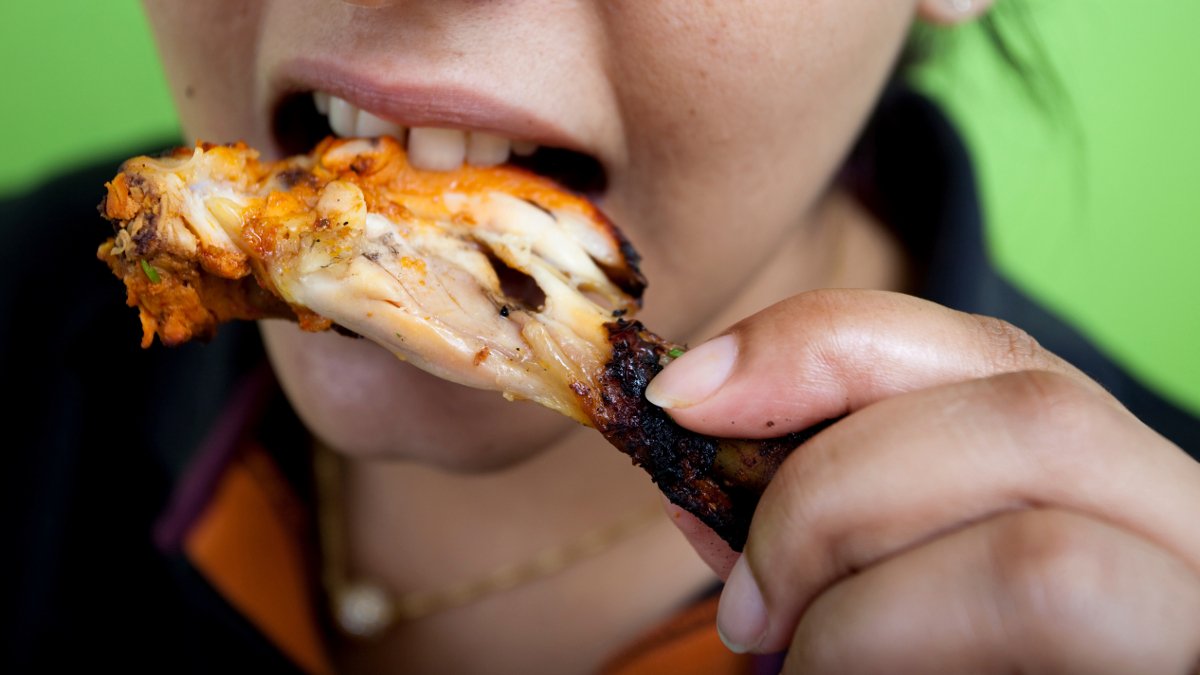
Cooked chicken is one of the most practical proteins to keep on hand in an American kitchen — great for meal prep, quick weeknight dinners, and stretching a grocery budget. But when that rotisserie bird or batch of grilled breasts has been sitting in the fridge for three days, a very real question comes up: can you still freeze it, or has that window already closed?
The short answer is yes — but timing matters, and so does the way you pack and freeze it. Whether you have leftover baked chicken, shredded thighs, or a carved whole bird, this guide walks you through everything you need to know to freeze cooked chicken safely and get the best results when you pull it out weeks later.
Can You Freeze Cooked Chicken?
You can freeze cooked chicken, as long as you follow a few rules for the best quality and to make sure it is still safe to eat later. This applies to virtually any cut or cooking method you can think of.
You can freeze almost any kind of cooked chicken — whether it is roasted, grilled, poached, or sautéed — as long as it was cooked thoroughly, you can preserve it in the freezer. Breasts, thighs, wings, drumsticks, and shredded meat all freeze well when handled properly.
Now, back to the specific question: what about chicken that has already been in the fridge for three days? The USDA recommends that chicken that has been cooked and refrigerated be used within 3 to 4 days, but for food safety purposes, it is not advised to freeze already cooked chicken after the third day. So if your chicken is on day three, freeze it today — do not wait until tomorrow.
Pro Tip: If you know you will not eat your cooked chicken within two days of cooking it, go ahead and freeze it right away. The sooner you freeze it, the better the quality will be when you thaw it.
If chicken is not stored properly, harmful bacteria such as Salmonella or Campylobacter can grow, leading to foodborne illness. Freezing on day three — before that four-day fridge window closes — keeps you on the safe side and preserves the most flavor.
Does Freezing Change the Texture or Taste of Cooked Chicken?
Freezing does affect cooked chicken to some degree, and it helps to understand why so you can minimize the impact. As the chicken freezes, ice crystals form inside it. The sharp edges of these ice crystals rupture the chicken’s cell walls, causing the muscle fibers to weaken and break down, which noticeably alters the texture and means the meat can no longer hold in moisture effectively.
As the chicken thaws, lots of moisture will be lost, leading to a drier piece of chicken. This is especially noticeable with boneless breasts, which are already leaner than thighs or drumsticks. Shredded or chopped chicken tends to hold up better in the freezer because the texture change is less obvious once it is mixed into a dish.
Freezer burn is the other quality concern. Freezer burn occurs when chicken is exposed to air in the freezer, leading to dehydration and oxidation of its surface. This causes the chicken to develop dry, discolored patches, often appearing as grayish-brown spots, and can result in a tough, leathery texture. While freezer-burned chicken is still safe to eat, its quality is significantly compromised, with a noticeable loss of flavor and moisture.
The good news: the quicker you freeze the meat, the less time the ice crystals have to form. Chilling the meat in your fridge first so it is as cold as possible before going into the freezer helps. Proper airtight packaging is the single biggest factor in preventing freezer burn and preserving taste.
How to Freeze Cooked Chicken the Right Way
Good freezing technique makes a real difference in the quality of what you pull out weeks later. Follow these steps every time.
- Cool it down first. Chicken should not be frozen hot or warm. It should be at room temperature or cold. Once it has cooled down to room temperature, it is ready to be transferred into a freezer-safe container or zip bag and placed in the freezer. If your chicken is already cold from the fridge, you can transfer it straight to the freezer.
- Remove bones and skin. The best way to freeze cooked chicken is in smaller portion sizes and without the skin and bones. This makes it easier and faster to defrost and reheat, and ensures you have the amount you will actually need and eat.
- Divide into meal-sized portions. Divide the cooked chicken into smaller, meal-sized portions before freezing. This not only makes it easier to thaw and use only what you need, but also promotes faster and more even freezing, preserving the quality of the chicken.
- Seal out the air. Seal the cooked chicken in airtight containers or heavy-duty freezer bags to prevent freezer burn and maintain freshness. Removing excess air ensures a longer shelf life and preserves the flavor and texture of the chicken. A vacuum sealer gives the best results, but pressing all the air out of a zip-top freezer bag before sealing works well too.
- Label everything. Clearly label each container or bag with the date of freezing and a brief description of the contents. This helps you keep track of how long the chicken has been in the freezer and ensures you use the oldest items first.
- Freeze flat first. Place packages in a single layer on a freezer shelf — not stacked — for the first 24 hours. Once solid, stack vertically to conserve space.
Pro Tip: Store your frozen chicken in the back of the freezer, away from the door. Every time the freezer door opens, some cold air escapes and the temperature fluctuates, increasing the risk for freezer burn.
How Long Can You Freeze Cooked Chicken?
According to USDA guidelines, cooked chicken will last in the freezer for up to 4 months when packaged properly — this goes for all cuts, such as breasts, thighs, wings, and drumsticks. That is the quality benchmark you should aim for.
Technically, the guidelines for freezer storage are for quality only — frozen foods stored continuously at 0°F (-18°C) or below can be kept indefinitely. But “safe” and “good” are two different things. Quality degrades over time, and chicken kept past the four-month mark will often taste dry, bland, or slightly off even if it is not technically spoiled.
Here is a quick reference for cooked chicken freezer life by cut:
| Chicken Type | Best Quality Window | Maximum Safe Duration |
|---|---|---|
| Breasts (boneless) | 2–3 months | 4 months |
| Thighs and drumsticks | 3–4 months | 4 months |
| Shredded chicken | 2–3 months | 4 months |
| Ground chicken (cooked) | 3–4 months | 4 months |
| Chicken in sauce or broth | 2–3 months | 4 months |
For the best-tasting results, plan to use your frozen cooked chicken within the “best quality” window rather than stretching it to the limit. Chicken stored in sauce or broth tends to retain moisture better than plain frozen pieces, so it is a smart approach if you know the chicken will be sitting in the freezer for a while. You can read more about freezing other foods safely to build out a well-stocked freezer.
How to Thaw Frozen Cooked Chicken
How you thaw your chicken is just as important as how you freeze it. Defrosting cooked chicken safely is important to maintain its flavor and texture while avoiding the risk of bacterial growth. There are three safe methods, and one you should always avoid.
Refrigerator thawing (best method): The simplest way to defrost chicken is to transfer it to your fridge. Once in the fridge, it will typically take a full day to thaw, so plan your meals accordingly. This is the safest option because the chicken stays at a consistent, safe temperature throughout the process.
Cold water thawing (faster method): Place your chicken into a tight-sealing bag and submerge the bagged chicken in a bowl of cold water to prevent bacteria from being introduced into the food. Be sure to change out the water every thirty minutes. About a pound of chicken may thaw in an hour or less.
Microwave thawing (quickest method): Use your microwave’s defrost setting and cook the chicken immediately after thawing. The microwave can partially warm the chicken during defrosting, which means bacteria could begin to multiply if you let it sit.
Never thaw at room temperature. Never thaw cooked chicken at room temperature or in standing water. According to the USDA, bacteria grows rapidly between the temperatures of 40°F and 140°F, meaning that after chicken is cooked, it must be kept hot at 140°F or warmer to prevent bacteria from growing. Thawing on the counter puts your chicken right in that danger zone.
Once thawed, reheat your chicken to an internal temperature of 165°F before eating. Always reheat to at least 165°F before eating to kill bacteria.
Can You Refreeze Cooked Chicken After Thawing?
This is one of the most common questions about frozen chicken, and the answer depends on how you thawed it. Only refreeze chicken if it was thawed in the refrigerator and remained below 40°F. Never refreeze chicken thawed at room temperature or in warm water.
Even when it is technically safe to refreeze, it is not ideal. Avoid freezing chicken more than once — once chicken has been thawed, it should not be refrozen unless it has been cooked again. Refreezing can affect the texture and taste of the meat.
The general rule of thumb is to cook, freeze, defrost, and reheat your food only once. If you have leftover cooked chicken that has been thawed out, it is safer to eat it or find alternative uses rather than refreezing it.
Pro Tip: Freeze your cooked chicken in single-serving or meal-sized portions so you only thaw what you need. That way, refreezing is never an issue in the first place.
How to Use Frozen Cooked Chicken (Best Uses After Freezing)
Once thawed, previously frozen cooked chicken works best in recipes where it will be combined with moisture, sauce, or bold seasoning. Because freezing changes the texture slightly, dishes that rely on the chicken being the star of a simple preparation — like a plain grilled breast — may show that texture change more than mixed dishes will.
Here are the best ways to use thawed cooked chicken:
- Soups and stews: Chicken noodle soup, white chicken chili, and tortilla soup are ideal because the broth rehydrates the meat and the flavors meld together. This is especially good for chicken that has been in the freezer for close to the four-month mark.
- Tacos and burritos: Freezing shredded chicken is one of the best ways to have cooked protein on hand for mealtime staples like pasta, soups, and tacos. Season generously with cumin, chili powder, and garlic for a quick weeknight filling.
- Casseroles: Chicken and rice casserole, chicken pot pie, or a cheesy pasta bake all work well because the sauce keeps the meat moist during baking.
- Salads: Chicken salad (the mayonnaise-based kind), grain bowls, and Caesar salads are great uses for thawed chicken when it is consumed cold and mixed with other ingredients.
- Stir-fries: A high-heat stir-fry with plenty of sauce is a fast way to use thawed chicken. The sauce compensates for any dryness from freezing.
- Pizza and flatbreads: Shredded or diced frozen-then-thawed chicken works well as a pizza topping, especially with BBQ sauce or a white garlic base.
If you are looking for ideas to build nutritious meals around your frozen chicken, check out these heart-healthy foods and whole plant-based foods that pair well with lean protein. You can also explore foods that support healthy skin for ideas on building balanced, nutrient-rich meals.
Signs That Frozen Cooked Chicken Has Gone Bad
Knowing when to toss your frozen chicken is just as important as knowing how to store it. The tricky part is that some spoilage signs are only visible after thawing. In order to tell if your chicken has gone bad, you will need to defrost it first. Changes in color or texture are hard to detect if the chicken is frozen solid.
Here is what to look for before and after thawing:
| Sign | What It Means | What to Do |
|---|---|---|
| Ice crystals and grayish-brown patches (while frozen) | Freezer burn — quality issue, not a safety issue | Trim affected areas; use in saucy dishes |
| Sour or rancid smell after thawing | Bacterial spoilage | Discard immediately |
| Slimy or sticky texture after thawing | Bacterial growth on the surface | Discard immediately |
| Green or gray discoloration after thawing | Spoilage | Discard immediately |
| Dry, white, or leathery spots (while frozen) | Freezer burn — dehydration | Trim and use in moisture-rich recipes |
Freezer burn signs include dry, whitish or gray patches, ice crystals, and a firm or leathery feel on the surface with no strong off odors once thawed. Spoilage signs include a sour or rancid smell, a sticky or slimy surface, a green or iridescent sheen, unusual softness, or mold after thawing — these are reasons to discard.
When in doubt, throw it out. Cooking chicken to an internal temperature of 165°F will kill most bacteria, but it is no salvage for spoiled chicken. If it is bad, cooking will not make it safe to eat. No meal is worth the risk of food poisoning. For more on food safety and building a healthy diet, see this guide on foods to avoid for better health and nutrients that support your body.
Frequently Asked Questions
Can you freeze cooked chicken after 3 days in the fridge?
Yes — day three is the last safe day to freeze cooked chicken. The USDA recommends that chicken that has been cooked and refrigerated be used within 3 to 4 days, but for food safety purposes, it is not advised to freeze already cooked chicken after the third day. Do not wait until day four.
How long does cooked chicken last in the freezer?
According to USDA guidelines, cooked chicken will last in the freezer for up to 4 months when packaged properly — this goes for all cuts, such as breasts, thighs, wings, and drumsticks. For the best taste and texture, aim to use it within 2 to 3 months.
Is it safe to eat cooked chicken that has been frozen for 6 months?
It may still be safe if it has been kept continuously frozen at 0°F, but the quality will have declined noticeably. Even though frozen cooked chicken can stay safe in the freezer for up to 6 months, that does not guarantee it will be good once defrosted. Expect drier, blander meat — best used in heavily sauced dishes if you choose to eat it.
Can you freeze rotisserie chicken?
Yes, but do not freeze it whole. When it comes to rotisserie chickens, it is best to remove the skin and bones, separate the meat, and freeze it for future use. Shredded rotisserie chicken freezes especially well and thaws quickly for fast meals.
Do you need to reheat frozen cooked chicken before eating?
If you plan to eat it hot, yes — always reheat to 165°F. Reheat only the portion you plan to eat to maintain quality. If you are adding it to a cold dish like chicken salad, make sure it was thawed safely in the refrigerator and is consumed right away.
What happens if you freeze cooked chicken while it is still warm?
Placing hot chicken in the freezer will affect the temperature of the surrounding foods and possibly set up a breeding ground for any bacteria present to multiply. Always let chicken cool to room temperature before transferring it to the freezer — but do not leave it out for more than two hours total.
For more on making smart food choices at home, explore our guides on foods that support liver function, the pros and cons of eating seafood, and healing foods for overall wellness.