Traditional Pakistani Breakfast: 13 Nashta Dishes from Halwa Puri to Pink Noon Chai

November 22, 2026
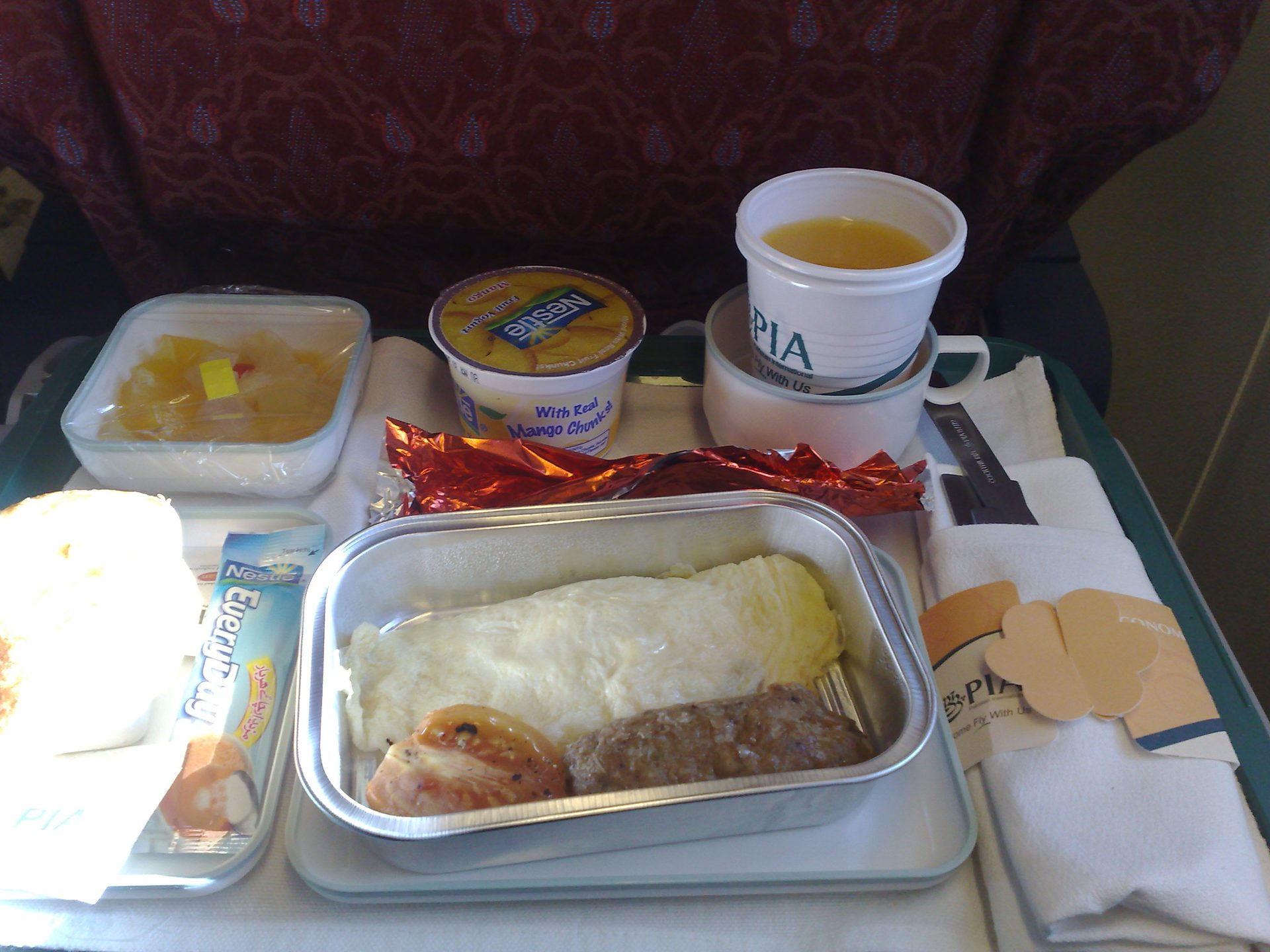
A traditional Pakistani breakfast rarely looks like a quick bowl of cereal. On weekend mornings across Lahore, Karachi, and Peshawar, families gather around plates of fried bread, spiced stews, and sweet semolina halwa that can out-calorie dinner by midmorning.
Nashta, as breakfast is called in Urdu, is less a single meal than a regional map of flavors: Punjabi fried breads, Kashmiri salt tea, Hunza stone-baked loaves, and Mughal-era stews that migrated south after Partition. This piece walks through 13 dishes that define a traditional Pakistani breakfast, from the famous Sunday ritual of halwa puri to the pink-hued cup that closes the meal.
Each dish carries its own history, ingredient list, and regional stronghold, and together they explain why breakfast in Pakistan is treated as a social event rather than a rushed start to the day. For a broader look at how other cultures approach the first meal, this collection of breakfast traditions offers useful context.
1. Halwa Puri
Halwa puri is the dish most people picture when they hear “Pakistani breakfast,” and for good reason. The spread combines fluffy, deep-fried wheat bread (puri) with sweet semolina halwa and a spiced chickpea curry called chana masala, usually finished with a side of fried potatoes and tangy pickle.
The meal is heaviest on Sundays, when extended families and friend groups treat it as a leisurely social occasion rather than a weekday grab-and-go. Street-side halwa puri stalls in Lahore and Karachi often start frying before sunrise, and lines form early because the puri loses its crispness once it cools.
A full halwa puri plate typically includes:
- Puri — deep-fried, golden wheat bread with a slight puff
- Sooji halwa — sweet semolina pudding flavored with cardamom and nuts
- Chana masala — spiced chickpea curry, sometimes called cholay
- Aloo bhujia — a dry, spiced potato side dish
- Achar — tangy mango or mixed vegetable pickle
Pro Tip: Eat halwa puri while the puri is still hot. The bread turns chewy and loses its signature crunch within minutes of leaving the fryer.
The ritual around halwa puri says as much about Pakistani food culture as the dish itself, and it pairs naturally with the kind of family gatherings described in pieces on traditional Pakistani clothing worn for Sunday visits and celebrations.
2. Nihari
Nihari is a slow-cooked meat stew, usually made from beef or mutton shank, simmered for six to eight hours until the meat falls apart in a thick, reddish-brown gravy. It is one of the few breakfast dishes in Pakistan built almost entirely around meat rather than bread or legumes.
The name comes from the Arabic word for morning, and the dish was initially served as breakfast to the Muslim Nawabs of Lucknow and Dehli during the Mughal era. Nihari invented in the 18th century originated in the Indian subcontinent, in the Lucknow and Delhi region, long before it became a Pakistani staple.
Many Pakistanis now consider it close to a national dish. After the 1947 Partition, the dish began its journey in Pakistan through Urdu-speaking migrants from Delhi who settled in Karachi, where restaurants serving it multiplied and the city became a hub for nihari culture.
Modern versions vary by region: some cooks add bone marrow or brain (maghaz) for richness, while others keep it lean. The dish shares its slow-braising technique with other subcontinent classics covered in guides to traditional Indian foods, given the shared Mughal culinary roots.
3. Paratha
Paratha is a layered, pan-fried flatbread made by folding whole wheat dough with ghee or oil before cooking it on a flat griddle called a tawa. The folding technique creates visible layers that crisp up during cooking, giving paratha a flakier texture than plain roti.
Plain paratha is the base version eaten across Pakistan, usually torn by hand and paired with a cup of tea, a fried egg, or a side of daal. It is sturdy enough to scoop thick curries without falling apart, which is part of why it remains a daily staple rather than a weekend treat.
Home cooks typically make paratha fresh each morning since the dough does not keep its texture well once refrigerated. The technique of folding fat into dough for flaky layers appears in flatbread traditions well beyond South Asia, including some of the griddle breads featured in overviews of traditional Malaysian food.
Key Insight: The number of folds in paratha dough directly affects how many flaky layers form during frying — more folds generally mean a crispier result.
4. Aloo Paratha
Aloo paratha takes the base flatbread and stuffs it with a mashed, spiced potato filling before pan-frying it in ghee. The potato mixture usually includes green chilies, coriander, cumin, and sometimes onion, giving the bread a savory punch on its own.
Because the filling is already seasoned, aloo paratha is often eaten with little more than plain yogurt or a dollop of butter, letting the spiced potato carry the flavor. It is a common choice for school and work mornings since one piece is filling enough to replace a full meal.
Regional versions swap in different fillings alongside the potato, including grated radish or crumbled paneer, though the potato-stuffed original remains the most widespread. The stuffed-bread format echoes other filled flatbreads found in traditional Egyptian food, where similar griddle-cooked breads carry savory fillings.
Street vendors in Punjab often serve aloo paratha straight off the tawa, wrapped in paper for easy eating on the move, which has made it one of the more portable items on a traditional Pakistani breakfast table.
5. Anda Paratha
Anda paratha folds a beaten egg directly into the flatbread while it cooks, creating a softer, custard-like layer sandwiched between the crisp bread. The egg can be plain or mixed with chopped onion, chili, and coriander before it goes onto the tawa.
This version is popular with children and anyone short on time, since it combines protein and carbohydrate into a single handheld piece rather than requiring a separate egg dish. Some cooks crack the egg onto the dough as it fries, while others whisk it first for a more even distribution.
Anda paratha sits alongside other egg-and-bread breakfast formats found worldwide, including the rolled egg dishes common in traditional Japanese breakfast spreads, where eggs are also folded into a starch base rather than served plain.
Because it needs no separate curry or side dish, anda paratha is one of the simplest items on this list to prepare, making it a frequent weekday choice even in households that save heavier dishes like halwa puri for weekends.
6. Channa Puri
Channa puri pairs the same deep-fried puri bread used in halwa puri with a standalone spiced chickpea curry, minus the sweet halwa. The chickpeas are simmered with tomatoes, onions, and a blend of spices until they soften into a thick, tangy curry.
This combination is common at smaller breakfast stalls that do not offer the full halwa puri spread, making it a lighter but still substantial alternative. The curry is often finished with a squeeze of lemon and chopped green chili for brightness against the fried bread.
Chickpea-based breakfasts appear in several culinary traditions outside South Asia as well, including legume-forward spreads discussed in overviews of traditional Greek foods, where slow-cooked beans and legumes play a similar role.
Channa puri works well as a mid-morning option since it is lighter than a full nihari or haleem plate but still provides enough protein and carbohydrate to carry someone through to lunch.
7. Siri Paye
Siri paye is a slow-cooked stew made from goat or cow trotters (paye) and sometimes the head (siri), simmered for hours until the connective tissue breaks down into a thick, gelatin-rich broth. The dish reflects a long-standing habit in Pakistani kitchens of using offal cuts that many Western cooking traditions discard.
Offal is widely available in Pakistani cooking and is a favorite for both home cooking and restaurants, with liver, kidneys, heart, and trotters among the main items prepared at home. Siri paye sits at the heavier end of that spectrum, prized for its rich, sticky texture and deep flavor built from marrow and collagen.
Important Note: Siri paye is traditionally considered a warming, high-energy dish, often favored in winter months or after physically demanding work.
The stew is usually eaten with naan or roti to soak up the broth, and it shares cooking logic with nihari in that both rely on long, slow simmering to transform tough cuts into something tender. It remains more of a specialty-shop dish than a daily home-cooked one, since the preparation time runs long.
8. Haleem
Haleem is a thick, porridge-like dish made by slow-cooking shredded meat with wheat, barley, and a mix of lentils until everything breaks down into a single, sticky mixture. It is made with wheat, barley, and lentils mixed into a spicy beef mixture, and the long cooking time is what gives it its signature smooth, almost spreadable texture.
The dish has deep historical roots. It spread across the Islamic world, including Persia, Central Asia, and the Indian subcontinent, through migration, trade, and cultural exchange, reaching the region between the 12th and 16th centuries as a variation on the older Arab dish harees.
Haleem is especially popular during Ramadan, when its density and slow-release energy make it a practical choice for the pre-dawn meal, though it is eaten year-round as a breakfast and brunch dish. Garnishes typically include fried onions, chopped green chili, ginger slivers, and a squeeze of lemon, with each diner adjusting the balance to taste.
The porridge-and-meat format has parallels in European one-pot cooking as well, such as the slow-simmered combinations described in guides to German eintopf, where a single pot similarly carries both starch and protein.
9. Saada Naan
Saada naan is the plain, unstuffed version of naan, baked in a clay tandoor rather than pan-fried like paratha. “Saada” simply means plain, distinguishing it from stuffed or flavored naan varieties sold at the same bakeries.
Unlike paratha, which most households make at home, naan is almost always bought fresh from a neighborhood tandoor, since achieving the right char and chew requires the high, direct heat of a clay oven. Morning tandoors in Pakistani neighborhoods often have a line of customers buying naan to go with breakfast curries like nihari or haleem.
Saada naan’s role as a neutral, absorbent bread places it alongside other tandoor and hearth breads found across global breakfast tables, including the crusty loaves discussed in profiles of traditional French food, where bread similarly anchors the meal rather than competing with it for flavor.
Because it has no added fat or filling, saada naan is often the bread of choice when the main dish is already rich, letting the curry or stew stay the center of attention.
10. Saag
Saag is a slow-cooked greens dish, traditionally made from mustard greens (Brassica juncea) combined with spinach and sometimes fenugreek leaves, simmered down into a thick, dark green curry. The greens are typically finished with ginger, garlic, and a generous amount of butter or ghee stirred in just before serving.
While saag appears at other meals too, a breakfast version is common in Punjab, often paired with makki di roti, a corn flatbread, rather than wheat-based breads. The bitterness of mustard greens is balanced by the richness of added fat, which is why ghee is rarely skipped in a properly made batch.
Leafy green dishes built around a base vegetable cooked low and slow for hours show up in other regional cuisines as well, including the stewed greens featured in surveys of traditional South African food.
Saag is one of the few items on a traditional Pakistani breakfast table that leans vegetable-forward, offering a lighter counterpoint to the meat-heavy stews that dominate much of the rest of the spread.
11. Phitti
Phitti is a thick, slightly leavened flatbread associated with the northern regions of Pakistan, particularly Gilgit-Baltistan, where wheat and local grains form the backbone of the morning meal. It is denser and chewier than naan or paratha, built to hold up against the cold mountain mornings of the region.
The bread is typically cooked on a dry griddle or hot stone rather than fried in oil, giving it a rustic, slightly charred exterior. In mountain households, phitti is often torn and dipped directly into butter tea or a simple lentil side rather than served with the curries common in Punjabi breakfasts.
Thick, hearth-baked breads built for cold climates appear in other high-altitude and cool-weather food cultures too, including the dense, filling flatbreads covered in overviews of traditional Venezuelan food, where cornmeal-based breads play a similarly sturdy role.
Phitti’s simplicity reflects the ingredient limitations of high-altitude farming, where wheat, barley, and dairy form the bulk of what is locally available for a morning meal.
12. Chochwor
Chochwor is a round, layered bread specific to the Hunza and Gilgit-Baltistan region, made by stacking thin layers of dough with butter or ghee between them before baking on a stone or griddle. The layering technique produces a bread with a flaky, almost pastry-like interior despite its rustic preparation method.
Unlike the fried breads common in Punjab, chochwor is typically baked without oil submersion, relying instead on the fat worked between the layers for richness. It is usually eaten warm, torn apart by hand, and paired with local dairy products or a cup of salted tea.
The bread holds cultural weight beyond its ingredients, often appearing at celebrations and family gatherings in the mountain communities where it originates, much the way specific regional dishes signal identity in other parts of the world.
Because chochwor requires skill to layer evenly, it is often associated with experienced home bakers rather than being something every household makes on a daily basis, giving it a slightly more special-occasion status than everyday flatbreads like saada naan.
13. Pink Noon Chai
Pink noon chai, also called Kashmiri chai or gulabi chai, is a salted milk tea that gets its distinctive rose-pink color from a combination of baking soda and extended aeration during brewing rather than from any added coloring. The tea leaves used are typically a specific green tea variety, brewed strong and then whisked vigorously with milk to develop the color and foam.
Unlike the sweet, spiced chai found in much of Pakistan and India, noon chai is savory, seasoned with salt instead of sugar, which makes it a distinctly regional departure from typical South Asian tea customs. It is especially associated with Kashmir and parts of northern Pakistan, where it is often served alongside bread rather than on its own.
Pro Tip: The pink color in noon chai develops from oxidation and aeration during brewing, not from any dye, so skipping the vigorous whisking step will leave the tea pale rather than pink.
Salted and savory tea traditions are not unique to the region; similar approaches to tea as a savory rather than sweet beverage appear in profiles of traditional Egyptian drinks and in the tea customs explored in guides to traditional Chinese drinks, where tea similarly plays a role beyond simple sweetness.
Pink noon chai typically closes out the meal rather than opening it, served alongside or after bread like phitti or chochwor in the mountain regions where it is most common.
| Bread | Cooking Method | Texture | Typical Pairing |
|---|---|---|---|
| Paratha | Pan-fried on tawa | Flaky, layered | Tea, egg, daal |
| Aloo Paratha | Pan-fried, stuffed | Crisp outside, soft inside | Yogurt, butter |
| Saada Naan | Tandoor-baked | Chewy, charred | Nihari, haleem |
| Phitti | Griddle or hot stone | Dense, rustic | Butter tea, lentils |
| Chochwor | Layered, stone-baked | Flaky, pastry-like | Dairy, salted tea |
A traditional Pakistani breakfast rarely stands on a single dish; it works as a rotating set built around region, season, and occasion. Halwa puri and channa puri dominate Punjabi Sundays, nihari and haleem carry Mughal-era cooking techniques into daily life, and phitti, chochwor, and pink noon chai mark out the distinct food culture of the northern mountains.
Trying even a handful of these dishes gives a clearer sense of why breakfast holds such a central place in Pakistani food culture, treated less as a quick refuel and more as the first real gathering of the day.