Donuts, Bagels, and Pancakes: The Story Behind Traditional New Year’s Day Breakfast

November 21, 2026
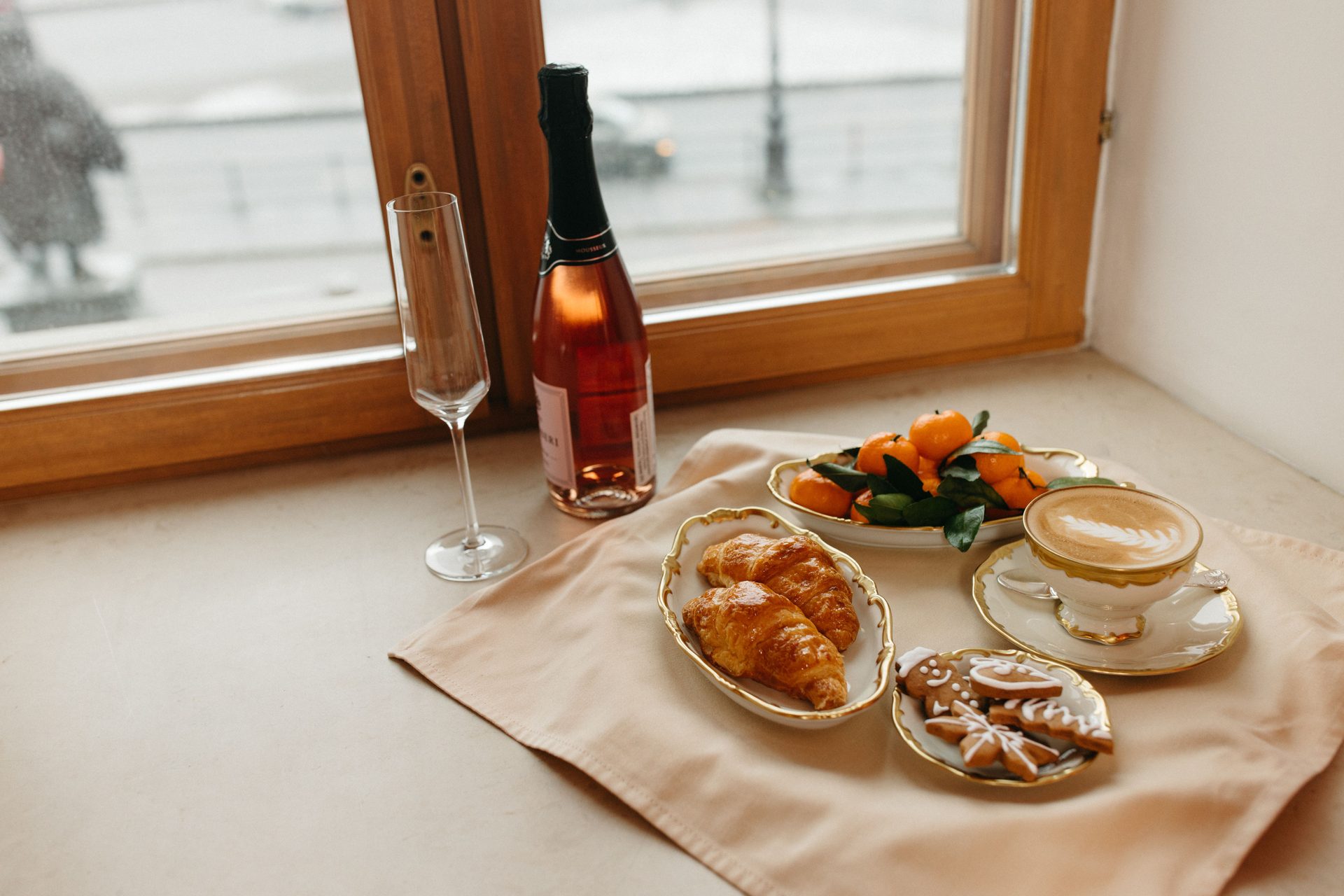
Walk into almost any bakery on the morning of January 1, and you’ll notice something strange: nearly everything on the shelf is round. A traditional New Year’s Day breakfast built around donuts, bagels, and pancakes isn’t a modern brunch trend so much as the tail end of a very old superstition about shapes, luck, and starting the year with something sweet in hand.
From German jelly doughnuts to New York bagel counters to the stack of pancakes on a diner griddle, each food carries its own regional backstory. Some of it is tied to money symbolism, some to folklore about spirits, and some simply to what was cheap and filling after a long night of celebrating. Here’s where each tradition actually comes from, and why the circle shape keeps showing up on breakfast tables from the Netherlands to the American South.
1. Donuts
Few New Year’s breakfast foods carry as much folklore as the doughnut, officially known by the culinary term for sweet fried dough, Berliner Pfannkuchen in German-speaking regions. In Germany, where New Year’s Eve is called Silvester, bringing out jelly doughnuts is a New Year’s tradition in Germany, and after the celebrations it is custom to bring out jelly doughnuts. The logic behind the pastry is almost poetic: the dough signifies a “rise” in your money for the following year.
The Dutch take the tradition even further with oliebollen, round fritters studded with raisins or currants. Oliebollen are a traditional Dutch food eaten on New Year’s Eve, made from a yeast dough full of dried fruits and apples. One Dutch food blog, CultureAtz , estimates that the majority of Dutch households eat them during the holiday stretch between late December and early January.
Key Insight: According to Dutch folklore, oliebollen were originally eaten to protect against the goddess Perchta, who supposedly flew through the midwinter sky and used her sword on anyone she met. The oil from the fritter was believed to make her blade slip harmlessly off the eater’s body.
Stateside, the symbolism is simpler but just as persistent. Pennsylvania Dutch communities and broader American tradition hold that foods shaped like a circle, such as donuts and bagels, can supposedly bring good fortune in the coming year, since the closed circle symbolizes a year coming back around. A similar idea shows up in Maryland’s Eastern Shore, where the circular shape symbolizes money and wealth, so people carry coins and eat round foods like donuts, bagels, and cookies to boost their funds for the next 12 months.
Not every culture reaches for fried dough on New Year’s morning, though. Albania’s petulla, a deep-fried dough dish eaten across much of the Balkans, points to how widespread the idea of starting the day with something fried and shareable really is, even outside the circle-for-luck framework common in Western Europe and North America. For readers curious how other countries build their own morning rituals, the traditional Japanese breakfast takes a completely different approach built around rice, fish, and miso soup rather than pastry.
2. Bagels
Bagels earn their spot on the New Year’s table for the same reason donuts do: the shape. Ring-shaped baked goods such as cakes, bagels and doughnuts are often eaten on New Year’s Day to bring a year of luck full circle. In some households, the symbolism gets literal. A coin, trinket, or whole nut gets put into the batter, and whoever discovers it in their piece is supposedly blessed with extra good fortune.
The bagel’s path to brunch-table staple runs through a more specific cultural history than donuts or pancakes. In the U.S., bagels became brunch staples through Jewish delis in the mid-20th century, and pairing bagels with lox and cream cheese grew into a brunch tradition, especially in New York. That deli-counter pairing, now standard on New Year’s spreads everywhere from Manhattan to Melbourne, is less about luck than about a century of immigrant food culture reshaping what “brunch” means in America.
The bagel also carries its own proverb. A well-known Yiddish saying holds that “a bagel has a hole, but it’s still whole”, a line often read as a metaphor for resilience that fits neatly with a holiday built around fresh starts.
Pro Tip: For a New Year’s brunch spread, slice bagels into halves or quarters so guests can sample multiple toppings, lox, cream cheese, smoked salmon, honey, without committing to a whole bagel before they’ve tried everything on the table.
Regional spins on the ring-shaped loaf go well beyond New York. Greece’s vasilopita, a sweet bread baked with a hidden coin and cut at midnight on New Year’s Day, follows the same full-circle logic as the bagel, just with a different dough and a different holiday name attached. Readers interested in that tradition and others like it can find more detail in this breakdown of traditional Greek foods. Germany leans a different direction with hearty stews like eintopf, served alongside the jelly doughnuts to balance out the sweetness of a New Year’s spread.
3. Pancakes
Pancakes round out the trio, both literally and symbolically. One roundup of American New Year’s food customs lists them directly alongside the other two: donuts, bagels, pancakes, and even round cakes are enjoyed on New Year’s morning as symbols of wholeness and good fortune. Unlike donuts and bagels, though, pancakes don’t carry a single dominant origin story. Their New Year’s appeal leans more on comfort and ritual than coin symbolism.
That comfort-food instinct has deep roots. The winter solstice in the Northern Hemisphere was viewed as the demarcation point between one year and the next, and was traditionally a cause of feasting and celebration, with feasting during this period symbolizing prosperity in the coming year. A stack of warm pancakes, griddled fresh and often loaded with butter or syrup, fits squarely into that feasting instinct even without an explicit luck legend attached.
The broader logic behind why any of these foods became “lucky” in the first place ties back to scarcity. Most foods considered to bring good luck stem back to when the particular food was scarce or rare, and since availability was low, they became luxury items; that’s why foods so commonly found today, such as rice or sweets, are still considered lucky even though they’re no longer rare. Butter, sugar, and white flour, once splurge ingredients for most households, fit that pattern exactly.
Pancake-style breakfasts also appear well beyond North America and Europe, which is worth knowing if you’re planning an international-themed New Year’s spread:
- Dosa (India): a fermented rice and lentil crepe, often served with chutney, that shows up in the broader context of traditional Indian foods
- Crêpes (France): the thin, delicate cousin of the American pancake, central to French breakfast and brunch culture detailed further in this guide to traditional French food
- Roti Jala (Malaysia): lacy, net-like pancakes usually served with curry, part of the wider spread covered in traditional Malaysian food
None of these are tied to New Year’s luck lore the way donuts and bagels are in Western traditions, but they show how universal the pancake format is as a breakfast comfort food, which may explain why it slides so easily into a holiday meal built around starting fresh.
| Food | Tradition Rooted In | Core Symbolism | Classic Pairing |
|---|---|---|---|
| Donuts | Germany (Silvester), Netherlands (oliebollen), Pennsylvania Dutch households | Ring shape for a “rising” fortune and a year coming full circle | Coffee or mulled wine |
| Bagels | Jewish deli culture, mid-20th century America | Wholeness despite the hole; completeness of the past year | Lox and cream cheese |
| Pancakes | General winter-feast comfort food, no single origin | Abundance through once-scarce ingredients like butter and sugar | Maple syrup or fresh fruit |
Whichever of the three ends up on the table, the thread connecting them is older than any single country’s claim to the custom: round, golden, and a little indulgent, eaten on purpose to coax a better year out of the first morning of January. Many traditional New Year dishes revolve around the food’s resemblance to money or to its appearance symbolizing long life, and sweets, symbolizing a sweet new year, are often given or consumed. That’s as true of a jelly-filled doughnut in Berlin as it is of a bagel platter in Brooklyn or a pancake stack anywhere in between.
For readers building out a full holiday breakfast rotation, it’s worth browsing other morning traditions too, from the best Valentine’s Day breakfast ideas to the full collection of recipes on the breakfast archive. New Year’s morning may be the one day donuts, bagels, and pancakes all get equal billing, but each one has earned its place at the table long before brunch menus made it official.