Can You Freeze McCormick Gravy? Storage Tips That Actually Work

October 22, 2026
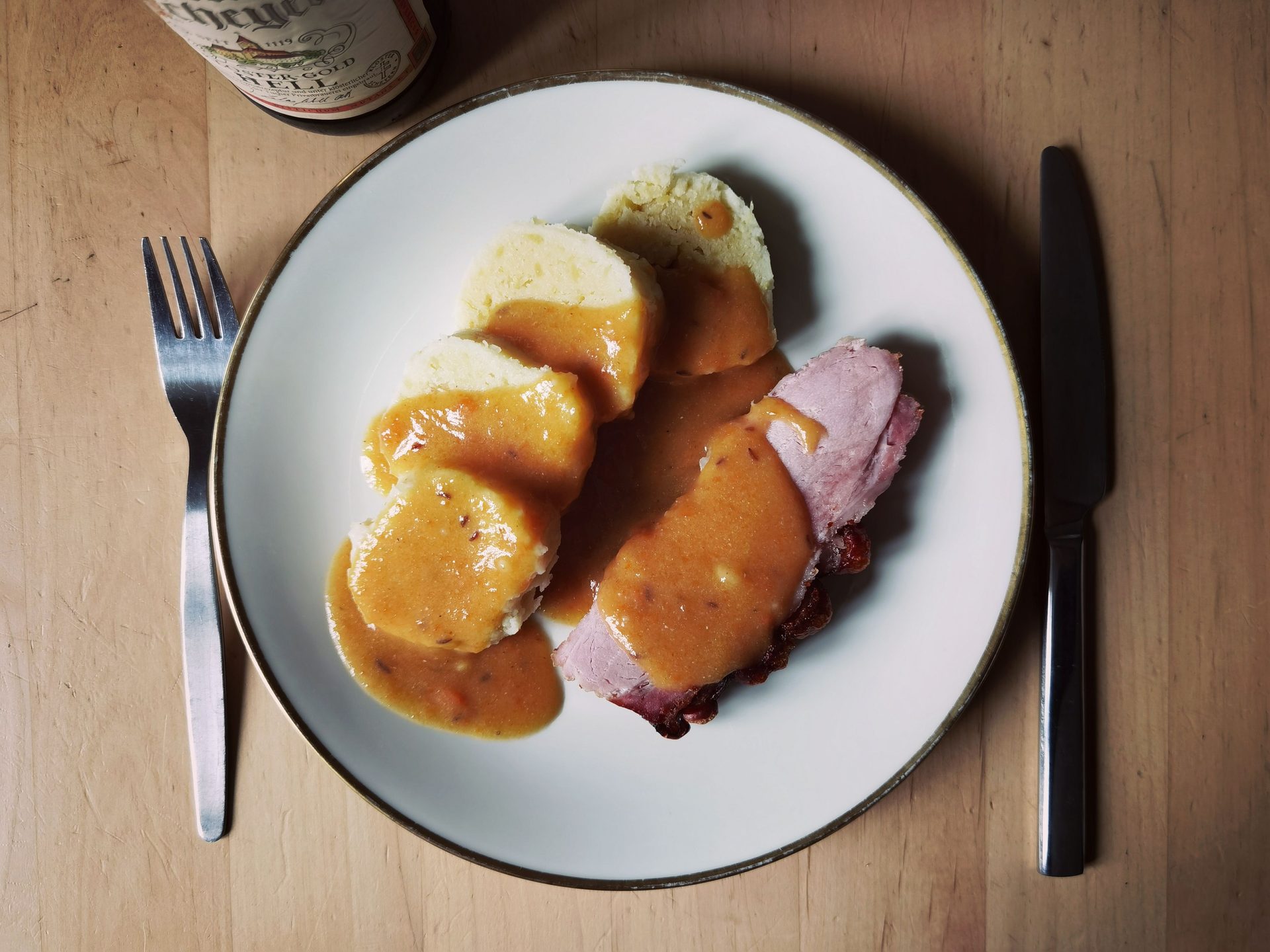
McCormick gravy mixes are a staple in American kitchens for good reason — they come together in five minutes and pair with everything from mashed potatoes to pot roast. But what happens when you make a big batch and can’t use it all? Freezing is a smart option, and it works better than most people expect.
Whether you prepared a packet of McCormick Brown Gravy, Turkey Gravy, or Country Gravy, the same core rules apply. This guide walks you through everything you need to know about freezing McCormick gravy safely, storing it correctly, and bringing it back to life when you’re ready to eat.
Can You Freeze McCormick Gravy?
Yes, you can freeze prepared McCormick gravy. McCormick has confirmed this directly in response to customer questions, and the good news is that most varieties of their gravy hold up well in the freezer when handled properly.
The type of gravy matters, though. A flour-based gravy will last for up to three months in the freezer as long as it’s properly sealed. Unfortunately, cream or milk-based gravies will not freeze well, as these gravies will separate during the thawing process. McCormick’s standard Brown Gravy and Turkey Gravy mixes are flour-thickened, which makes them good candidates for freezing. If you prepared your McCormick Country Gravy with milk — as the package suggests — expect some separation when you thaw it.
The instructions for freezing work for both homemade and store-bought gravy, like instant gravy that is sold either in packets or jars. So whether you made a single packet or a large batch for a holiday meal, the same approach applies.
Pro Tip: If you prepared your McCormick Country Gravy with milk and want to freeze it, try making it with water instead next time. You can stir in a splash of milk or cream when reheating to restore the creamy texture without the separation risk.
Does Freezing Change the Texture or Taste of McCormick Gravy?
Freezing can sometimes cause gravy to separate or change texture, especially if it’s flour-based. However, the taste generally remains the same. For McCormick’s flour-thickened varieties, this is worth knowing upfront so you’re not caught off guard when you open the container.
Freezing gravy can cause some changes in texture. When liquids like gravy are frozen, the water content forms ice crystals that may break down the structure of the gravy upon thawing. This can result in a slightly watery or separated consistency. The good news is that this is fixable.
While freezing typically preserves the flavor of gravy, certain spices and seasonings can become slightly muted or altered over time. The rich, savory taste may not be as pronounced after freezing, although the overall flavor should still remain largely intact. A quick whisk over low heat on the stove is usually all it takes to bring the texture back together.
You can add a small amount of cornstarch, flour, or roux to the gravy before freezing, as this will help thicken it and prevent separation. Alternatively, just plan to whisk it well during reheating.
How to Freeze McCormick Gravy the Right Way
Proper technique makes a real difference in quality. Rushing the process — especially skipping the cooling step — leads to ice crystals, texture problems, and food safety risks. Follow these steps to get the best results.
- Cool it first. Allow the gravy to cool at room temperature for no more than two hours to prevent bacterial growth. Don’t put hot gravy directly into the freezer.
- Portion it out. You can freeze gravy in airtight containers, freezer bags, or even ice cube trays if you plan to use up just a little of it at a time. Ice cube trays are especially practical for McCormick gravy since a single packet only makes about one cup — you can freeze individual portions and pull out exactly what you need.
- Transfer frozen cubes to bags. Once frozen, pop the frozen cubes out of the tray and transfer them to a freezer bag. This frees up your ice cube tray and keeps things organized.
- Remove excess air. Store gravy in freezer-safe containers or heavy-duty freezer bags to prevent freezer burn and absorption of odors. Press out as much air as possible before sealing freezer bags.
- Leave headspace. Leave about one inch of space in containers or bags to allow for expansion during freezing.
- Label everything. Be sure to label and date the containers before you place them into the freezer. Write the type of gravy and the date so you know exactly what’s in there and when to use it by.
Pro Tip: To save space in your freezer and cut down on thawing time later, lay freezer bags flat when you put them in. Once frozen flat, they stack neatly and take up far less space than bulky containers.
How Long Can You Freeze McCormick Gravy?
According to the FDA, gravy or “meat broth” can be safely stored in the fridge for one to two days, then the freezer for two to three months. That’s the baseline for food safety. For best quality, most sources align on a similar window.
| Storage Method | How Long It Lasts | Notes |
|---|---|---|
| Room temperature | Up to 2 hours | Discard after 2 hours at room temp |
| Refrigerator | 1–4 days | Store in airtight container |
| Freezer (prepared gravy) | 2–3 months (optimal) | FDA-recommended window for best quality |
| Dry McCormick mix (unopened) | Up to 2 years | Store in cool, dry pantry |
| Dry McCormick mix (opened) | 6–12 months | Seal tightly after each use |
Ideally, use the frozen gravy within 2 to 3 months for the best flavor and texture. Longer storage can cause changes in taste and consistency. The gravy won’t become unsafe immediately after that window, but quality starts to decline. If you’re thinking about making a big batch of McCormick gravy to stash away, this timeline is worth planning around.
On the dry mix side, unopened brown gravy mix generally has a shelf life of about 2 years, while opened packages should be used within 6 to 12 months for best flavor. So if you’re debating whether to prep a batch now or freeze the dry mix for later, there’s no need to freeze the dry mix — it keeps well in the pantry on its own.
How to Thaw Frozen McCormick Gravy
Thawing gravy the right way protects both the texture and food safety. The refrigerator method is always the best choice.
You should always thaw frozen gravy in the refrigerator. This method ensures that the gravy remains at a safe temperature, reducing the risk of bacterial growth. Avoid thawing gravy at room temperature, as this can lead to uneven thawing and potential spoilage.
If you’re short on time, you have two other options. You can also thaw it by placing the container of frozen gravy in a bowl of cold water, and worst comes to worst, the defrost setting on your microwave is an option, too.
Once thawed, heat it slowly in a saucepan on your stove, whisking frequently and adding small amounts of water if needed to remove any lumps. This step is especially important for McCormick’s flour-based gravies, which can thicken or clump during freezing. If you find that your gravy has thickened when it was frozen, you can add a splash of broth or even water to make it the right consistency again.
Pro Tip: Thaw, reheat over low heat, and whisk in a splash of water or a cornstarch slurry if it needs thickening. Don’t crank up the heat — low and slow gives you the smoothest result.
Can You Refreeze McCormick Gravy After Thawing?
This is one of the most common questions about freezing gravy, and the answer is straightforward: it’s not a good idea.
While you can refreeze gravy, it is not recommended. Refreezing gravy can cause changes in texture and flavor, especially if it’s been reheated. To avoid this, freeze your gravy in smaller portions that can be used up in one go.
Once you’ve thawed and reheated your gravy, you don’t want to freeze it again, so try to only thaw what you’re going to use. This is exactly why portioning before freezing — using ice cube trays or small individual containers — is worth the extra minute of effort upfront. Each McCormick packet makes about one cup of gravy, so dividing it into quarter-cup portions gives you four servings to pull from as needed.
If you thawed the gravy in the refrigerator and haven’t reheated it yet, you have a little more flexibility. Once thawed in the refrigerator, use within 2 days or discard.
How to Use Frozen McCormick Gravy (Best Uses After Freezing)
Frozen and thawed McCormick gravy is just as versatile as freshly made. Even if the texture shifted slightly during freezing, many uses are forgiving enough that you won’t notice a difference.
- Mashed potatoes and stuffing: Serve alongside classic sides like mashed potatoes, stuffing, and noodles. These dishes absorb gravy quickly, so minor texture variations are a non-issue.
- Roasted meats: Thawed brown gravy works well drizzled over roast beef, pork tenderloin, or a braised meat dish.
- Casseroles: Mix the gravy into casseroles or baked dishes to add moisture and flavor. The sauce blends into the dish, so any separation from freezing disappears entirely.
- Soups and stews: Thawed gravy can be used as a base for soups or stews. Add some pan drippings, broth, or sautéed vegetables to enhance the flavor.
- Pasta and rice: Stir it into pasta or rice to add an extra layer of richness.
- Pot pies: You can always use it as a flavoring in other dishes, such as soups, stews, or pot pies, which are more forgiving if the gravy is not as perfect as when it’s fresh.
For dishes where the gravy is the star — like pouring it over a plate of biscuits or a open-faced sandwich — take the extra time to whisk it well during reheating so it looks and tastes its best. Thinking about plant-based meals? McCormick’s vegetable-based gravy varieties freeze just as well and work beautifully over grain bowls or roasted vegetables.
Signs That Frozen McCormick Gravy Has Gone Bad
Frozen gravy that’s been stored too long or improperly can spoil. Knowing what to look for keeps you from accidentally serving bad gravy.
If it’s been a questionable amount of time and you’re wondering if your thawed gravy has gone bad, here are the signs of spoilage to look for: a sour or “off” smell, a slimy texture, visible mold, or dramatic discoloration.
Here’s a quick reference for what to watch for:
| Warning Sign | What It Means | What to Do |
|---|---|---|
| Sour or off smell | Bacterial growth has occurred | Discard immediately |
| Slimy texture | Spoilage, not just separation | Discard immediately |
| Visible mold | Contamination | Discard the entire batch |
| Dramatic color change | Oxidation or spoilage | Discard if in doubt |
| Watery or separated | Normal freeze-thaw separation | Whisk and reheat — usually fine |
It’s worth noting the difference between normal freeze-thaw separation and actual spoilage. Freezing gravy can cause some changes in texture, and when liquids are frozen, the water content forms ice crystals that may break down the structure of the gravy upon thawing, resulting in a slightly watery or separated consistency. That’s normal and fixable. A sour smell or sliminess is not.
Prepared gravy that has been left out for more than 2 hours at room temperature should be discarded. This applies whether you plan to freeze it or refrigerate it — the two-hour window is a hard limit for food safety. Also, if gravy smells sour or shows mold after thawing, discard it — no reheating fixes spoilage.
For more tips on how food choices affect your overall health, check out these superfoods for a healthy heart or explore foods that promote healthy skin.
Frequently Asked Questions
Can you freeze the dry McCormick gravy mix powder?
There’s no need to freeze the dry mix. Unopened brown gravy mix generally has a shelf life of about 2 years, while opened packages should be used within 6 to 12 months for best flavor. Just keep it sealed in a cool, dry pantry away from moisture and heat.
Can you freeze McCormick Country Gravy made with milk?
Unfortunately, a cream-based gravy like a white gravy will not freeze well, as it separates during freezing. If you want to freeze a batch of country gravy, prepare it with water instead of milk, then stir in a splash of milk or cream when you reheat it.
How do you fix gravy that’s too thick after freezing?
Reheat over low heat and whisk in a splash of water or a cornstarch slurry if it needs thickening. Add liquid gradually — a tablespoon at a time — until you reach the right consistency.
Can you freeze McCormick Turkey Gravy?
Yes, turkey gravy made from scratch or made from the McCormick seasoning packet freezes perfectly. Follow the same steps as any other flour-based gravy: cool, portion, seal, label, and freeze for up to three months.
Is it safe to freeze gravy that sat out for a while?
Prepared gravy that has been left out for more than 2 hours at room temperature should be discarded. Don’t try to salvage it by freezing — freezing doesn’t kill bacteria, it just slows growth. When in doubt, throw it out.
Can you reheat frozen gravy directly from frozen?
If reheating from frozen, use a low heat setting and stir often, breaking up ice crystals as the gravy warms. This works well for the cube-sized portions, which thaw quickly in a saucepan. For larger amounts, thaw in the refrigerator overnight first for better results.