4 Traditional Onam Breakfast Dishes That Define Kerala’s Festival Morning

November 21, 2026
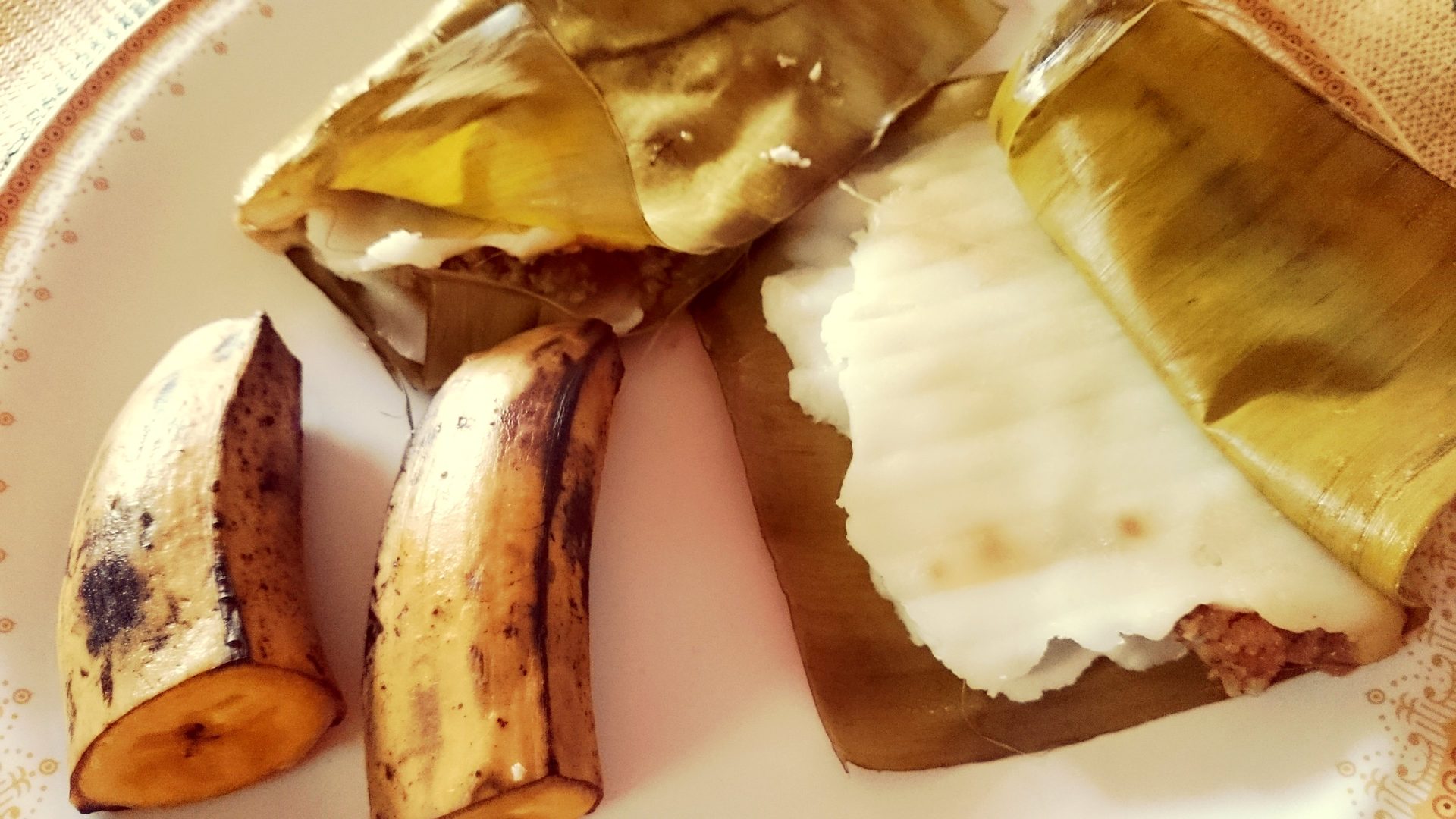
Long before the banana leaves come out for Kerala’s famous midday feast, most Malayali homes start Onam with something far humbler: rice, coconut, and jaggery eaten quietly in the kitchen. A traditional Onam breakfast rarely competes with the twenty-plus dishes of the afternoon sadya, and that restraint is the point rather than an oversight.
These morning dishes carry their own history, built from ingredients every Kerala household keeps on hand: rice flour, beaten rice, fresh coconut, and jaggery. This piece looks at four fixtures of that festival morning, from the unhurried philosophy behind the meal to three specific dishes that show up on plates across the state every Onam.
| Dish | Main Ingredients | Preparation Style | Texture |
|---|---|---|---|
| Ela-Ila Ada | Rice flour, coconut, jaggery, banana leaf | Steamed | Soft, chewy parcel |
| Aval Varattiyathu | Beaten rice (poha), jaggery, coconut, nuts | Cooked/sauteed | Dry, slightly caramelized |
| Aval Nanchathu | Beaten rice, jaggery, coconut, cardamom | No-cook, mixed raw | Moist, soft flakes |
1. Ottada-Oottada
Before any dish is named, there is a rhythm that governs the Onam morning itself. Ottada-oottada describes the unhurried, single-sitting way families eat breakfast on festival day: a modest plate finished quickly so hands are free for the real work ahead, from grating coconut to laying out the banana leaves for the sadya.
The logic is practical as much as cultural. Filling up on an elaborate morning spread would leave little appetite for the sadya’s rice, sambar, and payasam that follow a few hours later, so the grand feast later in the day stays the centerpiece rather than competing with breakfast for attention.
Pro Tip: Keep the Onam breakfast light and mostly make-ahead so the kitchen is free for sadya prep by mid-morning.
In many households, this translates to one or two simple items rather than a full spread: a plate of ela ada, a bowl of sweet aval, or whatever leftover rice can be repurposed. The idea of a traditional breakfast here is less about variety and more about getting through the morning efficiently before the day’s main event.
2. Ela-Ila Ada
Ela ada is the dish most people picture when they think of a traditional Onam breakfast, and it earns that reputation through its banana-leaf wrapping as much as its flavor. According to Wikipedia, Wikipedia’s entry on ada notes that it consists of rice parcels encased in a dough made of rice flour, with sweet fillings, steamed in a banana leaf, and served as an evening snack or as part of breakfast. The same source traces related versions across Kerala, Karnataka, Konkan, and parts of Tamil Nadu, though the Onam version sticks closely to the rice-coconut-jaggery combination.
The name itself carries the method inside it. One Kerala food blog explains that ‘vazha’ is a term that means banana leaf while ‘Ada’ refers to dumpling in the region’s native language, which is why the dish also goes by vazhayila ada or elayappam depending on the household.
Making it follows a short routine: roasted rice flour is kneaded into a soft dough, flattened onto a banana leaf, filled with a coconut-jaggery mixture, folded, and steamed. According to Archana’s Kitchen , the filling comes together when grated coconut and grated jaggery and cardamom powder are combined with your hands till well combined, then layered inside a dough made of rice flour and steamed in a banana leaf, a process the site notes is usually prepared on Onam and goes well with any sadhya.
Pro Tip: One Kerala cook recommends assembling ela ada the night before since you can make this recipe night before, keep it in the fridge, steam it the next day to save time.
Because the dough and filling hold up well overnight, ela ada fits neatly into a busy Onam schedule. It also pairs naturally with other traditional Indian foods served around the same festival window, giving households a reliable, make-ahead anchor for the morning table.
3. Aval Varattiyathu
Where ela ada needs steaming and wrapping, aval varattiyathu is built for speed. The name explains the method directly: as one Kerala food writer puts it, aval means poha and varattiyathu means sauteed, so aval varattiyathu means poha sauteed and cooked. That single phrase covers the entire technique, since the dish is little more than beaten rice cooked briefly with jaggery, coconut, and whatever nuts are on hand.
Regional naming gets a little tangled here, which is worth clearing up before cooking. The same dish appears under several names depending on which part of Kerala or Tamil Nadu a household comes from, since aval varatti is also known as aval vilayichathu, vella aval, aval varattiyathu, or sweet poha. Despite the different labels, the preparation stays largely the same: melt jaggery into a syrup, stir in roasted coconut, fold in the poha, and finish with cardamom and a handful of fried cashews or raisins.
Sweet poha of this style is not unique to Onam. Writers who cover South Indian home cooking note that sweet poha is popular in and around Tamil Nadu and Kerala for festivals beyond just Onam, including Krishna Jayanthi. What makes the Onam version distinct is mostly context: it is served warm, in smaller portions, as one part of that lighter festival-morning plate rather than a standalone dessert.
The texture sets it apart from other rice-flake dishes served the same morning. Cooking the poha directly in jaggery syrup, rather than simply mixing it in raw, gives aval varattiyathu a drier, slightly caramelized bite, closer to a granola bar than a porridge. That distinction matters when comparing it with the fourth dish on most Onam breakfast tables, which skips the stove entirely, much as some traditional breakfast cultures elsewhere favor quick, no-cook morning staples over elaborate cooked spreads.
4. Aval Nanchathu
Aval nanchathu, sometimes spelled aval nanachathu, solves the same craving as varattiyathu with none of the cooking. It belongs to a wider family of names that cross regional kitchens, since one recipe archive lists it alongside Meetha Poha, Teepi Atukulu, Sweetened Rice Flakes, Sweet Beaten Rice, and Rice Flakes Sweetened with Sugar or Jaggery, depending on which part of South India is doing the naming.
Important Note: Aval varattiyathu and aval nanchathu use nearly identical ingredients, so the difference comes down entirely to whether the poha is cooked or left raw.
The method is described well by one Kerala recipe blog, which calls its version a sweet aval with jaggery recipe, a quick no-cook version that comes together in minutes rather than over a stovetop. Soft poha is simply moistened with a little water, then mixed with powdered jaggery, grated coconut, a spoon of ghee, and a pinch of cardamom until every flake is coated.
That simplicity is exactly why aval nanchathu shows up on Onam mornings. It needs no advance planning, no steaming equipment, and no banana leaf, which makes it the easiest of the three dishes to put together when the rest of the household is busy prepping for the sadya. For a festival built around one elaborate meal later in the day, a five-minute breakfast that still tastes distinctly of coconut and jaggery earns its place on the table, in the same way other regional breakfast traditions lean on quick, minimally cooked morning staples.
Served side by side, these three dishes plus the unhurried pace of ottada-oottada sum up what a traditional Onam breakfast is meant to do. It keeps things simple, relies on ingredients that are already in the pantry for the sadya anyway, and gets out of the way before the real cooking begins. Much like breakfast traditions in other festival cultures, the morning meal here exists to support the bigger celebration rather than overshadow it.