Traditional Zulu Clothing for Men: 8 Garments and Their Meanings

November 18, 2026
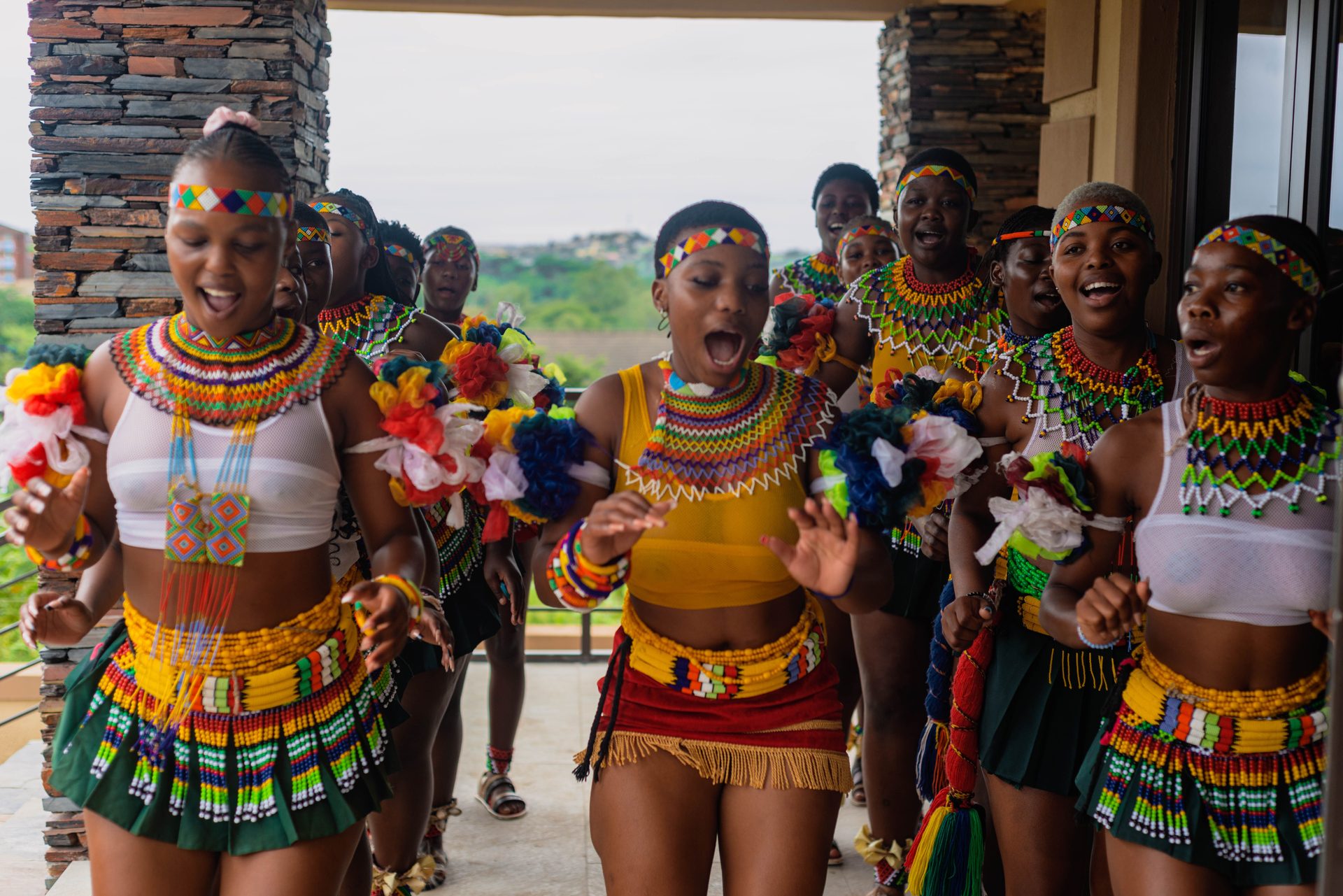
A Zulu man’s traditional dress tells observers his age, his marital status, and his standing in the community before he says a single word. Traditional Zulu clothing for men is not one outfit but a layered system of garments worn across South Africa’s KwaZulu-Natal province, each piece signaling a specific stage of life or rank within Zulu society. Unmarried boys, warriors, and married elders are all dressed differently, and the difference is never accidental.
This guide moves through eight garments that make up this dress system, from the waist belt that anchors everything else to the headring reserved for married men. Along the way, it touches on the materials used, the occasions each piece is worn for, and how these traditions sit alongside clothing traditions from other cultures that use dress to mark similar life transitions.
| Garment | Worn On | Traditional Material |
|---|---|---|
| Umutsha | Waist | Hide and glass beads |
| Iqoyi | Hips | Twisted hide strips or fibre |
| Ibheshu | Rear/buttocks | Calfskin, cowhide, or goatskin |
| Isinene | Front/groin | Hide, often with fur tails |
| Umqhele | Head | Fur, leopard or otter skin |
| Isicoco | Head/hair | Fibre, gum, and beeswax |
| Imbhata | Chest | Beadwork or soft hide |
| Iziqu | Neck | Beads |
One wedding-attire account sums up the three most visible pieces of men’s dress in a single sentence: the men wear hide aprons around their waists, Ibhesu to cover their buttocks, Umutsha, a beaded waist belt, and Isinene to cover their genitals. The sections below unpack each of those garments individually, along with the headwear, chest piece, and beadwork that complete the traditional set.
1. Umutsha
The umutsha functions as the foundation of a man’s traditional outfit, the belt that everything else hangs from. It is a beaded belt worn by Zulu men and women, featuring colourful glass beads on a leather base, with meticulous beadwork in bold colours and patterns. Among warriors in particular, the umutsha represents a key element of Zulu traditional attire and is also a primary component of the isinene, the protective layer of clothing fashioned from animal skins, meaning the belt and the front apron work as a single functional unit rather than separate accessories.
The term also carries a different meaning in women’s and girls’ dress. Girls in their maiden phase wear umutsha, or loin cover, as a signal of their status as unmarried, which shows how the same word shifts meaning depending on who wears it and at what age. Some senior regiments historically wore an additional kilt of twisted fur over the standard umutsha for ceremonial distinction, a layering pattern that recurs throughout Zulu dress. For a closer look at the traditional American clothing traditions that use belts and sashes the same way to mark rank, the comparison highlights how universal this kind of visual shorthand really is.
2. Iqoyi
The iqoyi is a fringed hip adornment, typically made from twisted strips of hide or fibre and worn over or alongside the umutsha. It adds movement and visual texture to a man’s outfit, particularly during dancing and ceremonial performance, where the swinging fringe becomes part of the display itself.
Important Note: Terminology for hip and waist tassels varies between Zulu clans and regions, and English-language ethnographic sources describe these fringed pieces less consistently than better-documented garments like the ibheshu or isinene. Readers researching a specific regional variant should expect some naming overlap with related tasseled garments.
What stays consistent across regions is the underlying logic: age and social standing is reflected in the clothes a person wears in Zulu culture, and a fringed accessory like the iqoyi adds another visible layer to that signaling system. Cultures as far apart as China also use fringe and tassel work on traditional garments to mark ceremonial status, a pattern explored further in this overview of traditional Chinese clothing.
3. Ibheshu
The ibheshu is one of the most recognizable pieces of men’s traditional Zulu clothing, a flap of hide that hangs from the belt at the back. The Dictionary of South African English defines it plainly as a hide flap covering the buttocks, worn especially by Zulu men on ceremonial occasions, and one 1970s ethnographic account gets specific about its construction: the ibeshu is usually made of dressed calf-skin, cut to a length of about 15 inches, with a breadth of approximately 12 inches, and acts as a loosely hanging apron which covers the buttocks.
Beyond its practical covering function, the ibheshu carries weight as a marker of maturity. It is a key traditional Zulu garment for men, symbolising their maturity and cultural identity, made from goat or cow skin that highlights the importance of livestock in Zulu culture. Men typically take up the ibheshu after participating in particular rites of passage or ceremonies that signify their entrance into adulthood, making it comparable in social function to the coming-of-age garments described in guides to traditional Indian clothing, where specific pieces are likewise reserved for adulthood or marriage rites.
4. Isinene
Where the ibheshu covers the back, the isinene covers the front, and together the two aprons complete the lower-body portion of a man’s outfit. Because the Zulu revere leopards as the king of all predators, only royalty are allowed to wear leopard skin, and a front apron known as the isinene is worn alongside a rear apron, the ibheshu, to cover the genitals and buttocks.
Material choice and decoration on the isinene also signal rank within warrior regiments. Senior fighters often wore isinene pieces finished with fur strips from animals such as the serval cat, Sykes monkey, or genet serving as tails at the garment’s front, with senior warriors frequently merging assorted furs to form a vibrant shield. This kind of status-through-material signaling has parallels in traditional Japanese clothing, where fabric and dye choices historically marked rank in a comparable way.
5. Umqhele
The umqhele is a circular fur headband and one of the clearest visual markers of a man’s standing. According to Wikipedia’s entry on the garment, an umqhele is a traditional Zulu circular headband made of fur, worn by Zulu men prior to the colonization of South Africa, especially by soldiers and elites, and it is still worn by male members of the Nazareth Baptist Church today.
Rank within Zulu regiments determined which fur a man could wear on his umqhele. Historical records compiled by South African History Online note that a headband called umqhele was worn, made of leopardskin for junior regiments and otterskin for senior ones, stitched into a tube and stuffed. Headwear carrying this kind of layered rank signaling also shows up in traditional German clothing, where regional hats and caps historically marked guild status and marital standing in similar fashion.
Important Note: Sources differ slightly on who could wear an umqhele. Some ethnographic accounts tie it to regimental rank regardless of marital status, while other modern descriptions present it as reserved for married men specifically. Both patterns likely coexisted across different eras and regions of the Zulu kingdom.
6. Isicoco
The isicoco is not a separate accessory but a modification of the hair itself, and it is reserved strictly for married men. A glossary of Zulu terminology relevant to nineteenth-century Zulu history describes it as married Zulus’ headring made from binding a ring of fibre into the hair, coated in a mixture of charcoal and gum, and polished with beeswax.
Key Insight: The isicoco functions as the male counterpart to the isicholo headdress worn by married women, meaning both genders carry a visible, permanent marker once they marry rather than relying on a ring or other removable symbol.
Historically, a man could not simply choose to wear the isicoco whenever he wished. Academic research into the garment notes that the wearing of head-rings dates back to pre-colonial times, when kings, chiefs, headmen, and married men wore head-rings in their public appearances as a marker of rank and status, and in nineteenth-century KwaZulu, permission to marry, and therefore to take the headring, often rested with the king himself. The practice is documented enough that the isiCoco head-ring worn by married Zulu men is symbolic of ultimate wisdom, placing it alongside similar coming-of-age or marriage markers found in traditional Pakistani clothing, where specific headwear likewise distinguishes married status.
7. Imbhata
The imbhata is a chest covering worn across the torso, usually crafted from beadwork or soft hide and draped diagonally over one shoulder or across the front of the body. It typically appears as part of a complete ceremonial outfit alongside the umqhele headband and the isinene front apron, rounding out the upper body in formal or celebratory settings rather than being worn on its own for daily activity.
As with much of Zulu beadwork, color and pattern choice on the imbhata are rarely random. Because specific colors and bead combinations carry agreed meanings within the culture, the chest piece a man chooses to wear at a wedding or ceremony communicates something about him beyond simple decoration, similar in principle to the symbolic patterning found in traditional Australian clothing and other cultures where woven or beaded patterns encode social information.
8. Iziqu
The iziqu are neck ornaments historically associated with valor, worn by men who had distinguished themselves in battle or through acts of bravery recognized by their community. Functioning somewhat like a military honor worn as jewelry rather than pinned to a uniform, the iziqu typically take the form of beaded necklaces, with the specific beads and arrangement reflecting the wearer’s particular achievement.
This practice fits within the broader Zulu tradition of using beadwork as a coded visual language. The Zulu nation is well known for its intricate beadwork, with each colour having a symbolic meaning, and the decoration, designed and patterned in a particular manner, expresses certain literal and figurative meanings while also showing status and social display. A man’s beadwork, including his iziqu, often tells as much about his history within the community as his aprons or headwear do, which is part of why beadwork traditions pair naturally with discussions of South African food traditions in broader cultural coverage, since both carry similarly layered social meaning passed down through generations.
Taken together, these eight garments show that traditional Zulu clothing for men was never designed purely for covering the body. The umutsha, iqoyi, ibheshu, and isinene build the lower-body foundation; the umqhele and isicoco mark the head according to age and marital status; and the imbhata and iziqu finish the look with chest covering and earned honors. Many of these pieces are still worn today at weddings, cultural festivals, and within communities such as the Nazareth Baptist Church, keeping a centuries-old visual language in active use rather than treating it as a museum piece.