Traditional Yugoslav Clothing: 20 Garments That Define Balkan Heritage

November 18, 2026
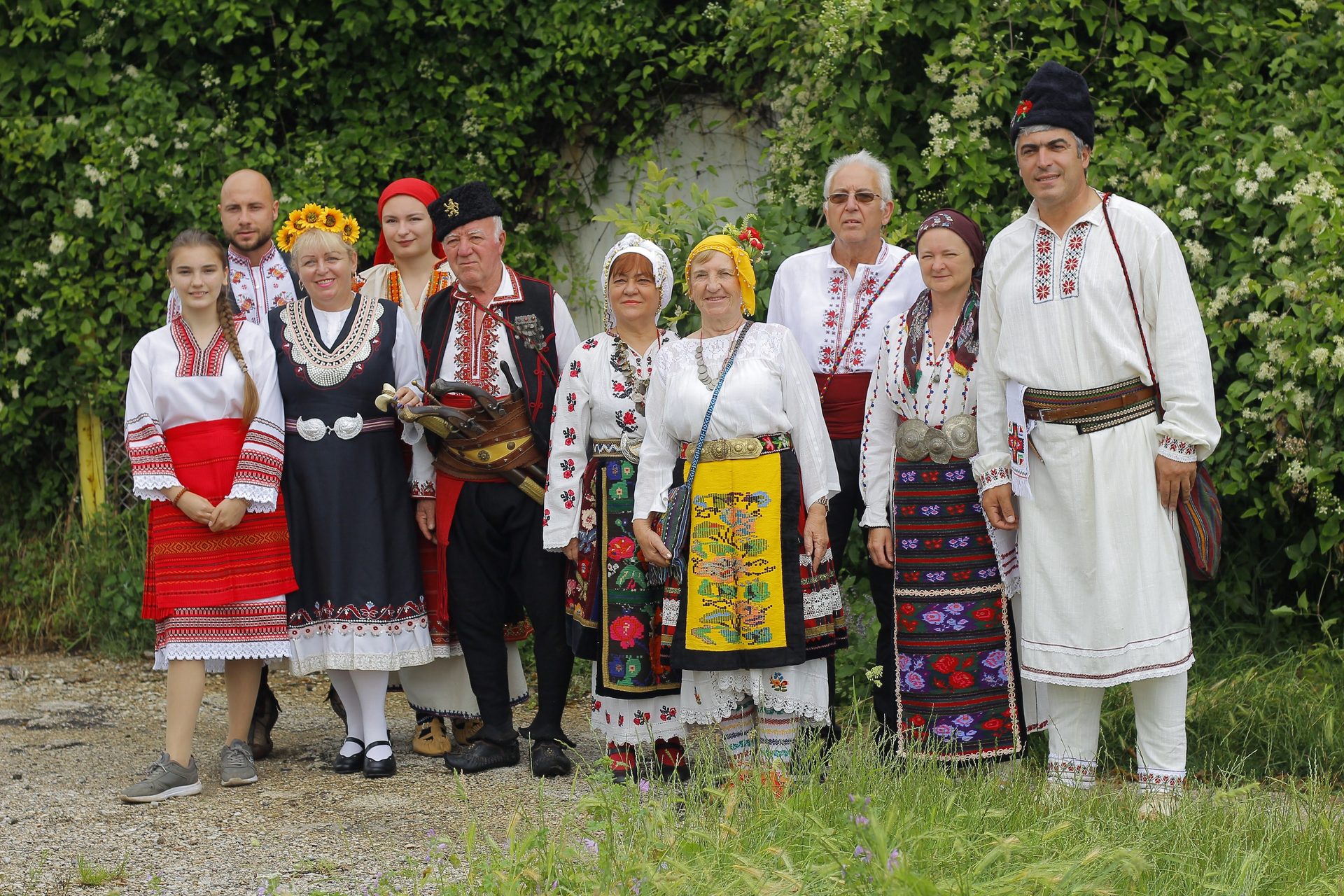
Traditional Yugoslav clothing never belonged to a single style or a single people. The phrase covers the folk dress of Serbs, Croats, Bosniaks, Montenegrins, Macedonians, Slovenes, and the Albanian communities of Kosovo and Macedonia, all of whom once shared the borders of the former Yugoslavia. Each group layered its own wool, leather, and embroidery into garments that signaled a wearer’s village, faith, marital status, and even wealth at a glance.
This guide walks through 20 garments and accessories that built that wardrobe, from the rawhide opanak worn on mountain paths to the coin-heavy đerdan necklace saved for feast days. Many of these pieces still turn up at weddings and folklore festivals across the region, and several share close cousins in Albanian national dress, a reminder of how tightly the traditional Albanian costumes of the south and the Slavic folk dress of the north grew together over centuries of shared geography.
| Garment | Category | Typically Worn By |
|---|---|---|
| Opanci | Footwear | Men and women, rural communities |
| Šajkača | Headwear | Men, Serbian countryside |
| Šubara | Headwear | Men, highland regions |
| Čakšire | Trousers | Men |
| Gunj | Outerwear | Men |
| Džamadan | Vest | Men and women |
| Jelek | Vest | Women |
| Fez | Headwear | Men, Ottoman-era |
| Škrlak | Headwear | Men, coastal regions |
| Bareta | Headwear | Men, Adriatic coast |
| Tkanica | Belt/sash | Men and women |
| Zubun | Outer vest | Women |
| Pregača | Apron | Women |
| Dimije | Trousers | Women, Muslim communities |
| Libada | Robe/coat | Women, urban Muslim households |
| Ćurdija | Fur-trimmed jacket | Men and women |
| Dolama | Long coat | Men |
| Kotula | Skirt | Women |
| Bosca | Textile wrap | Women, bridal customs |
| Đerdan | Jewelry | Women |
Important Note: “Yugoslav” is an umbrella term for the dress of several distinct ethnic groups, not one unified costume. The garments below vary by village, religion, and era, so treat regional names and details as general patterns rather than fixed rules.
1. Opanci
The opanak (plural: opanci) is the oldest and most widespread piece of traditional Yugoslav clothing, worn from the Adriatic coast to the Macedonian highlands. Opanci are traditional peasant shoes worn in Southeastern Europe, built from leather, lacking laces, durable, and finished with various toe endings. In Serbia, the shape of the horn-like toe ending often indicated the wearer’s home region.
According to the Balkan Insight feature on Belgrade’s craft workshops, opanci are peasant leather shoes fastened around the leg with a strap, quaint and old-fashioned in appearance, yet once nearly universal footwear. The outlet notes that opanci were the only footwear available in Serbia and the rest of the region until the mid-20th century, which explains why the shoe still anchors so much folk costume today.
Regional variants multiplied across the Balkans. The vrnčan opanak, the most common shoe in the eastern and southern Balkans, was made from tanned leather, while rougher styles skipped a sole entirely for use on grass or mud. Albanian communities wore a close relative called opinga; these traditional shoes appear among Albanians in Albania, Kosovo, North Macedonia, Montenegro, and Arbëresh villages in Italy, underscoring how footwear traditions crossed ethnic lines long before modern borders did.
2. Šajkača
No piece of headwear says “traditional Yugoslav clothing” faster than the šajkača, the soft, boat-shaped cap recognized as Serbia’s national hat. The šajkača is the Serbian national hat or cap, traditionally worn by men in the Serbian countryside and named after Serb river troops known as šajkaši. It became a popular national symbol in Serbia from the early 20th century onward, typically black, grey, or green and made of soft, homemade cloth.
The cap’s material carries its own folklore. The wool fabric called šajak keeps a constant temperature on the head, making the cap comfortable in both summer and winter. Because the design folds flat, wearers could tuck it under a belt while working, a practicality that helped it outlast more formal headwear.
Key Insight: The šajkača did not start as everyday wear; it rose to prominence partly as a political statement, worn to reject Ottoman-associated headgear during the fight for Serbian independence.
Serbian traditional clothing catalogs the šajkača as one of its most easily recognizable garments, and it remains standard issue for folklore ensembles and national-day celebrations across Serbia and the diaspora.
3. Šubara
The šubara is the tall, dark sheepskin or lambskin hat associated with highland dress in Serbia, Montenegro, and parts of Bosnia. Unlike the softer šajkača, the šubara is built for brutal mountain winters, with thick fur that stands upright around the crown. Herders and soldiers alike relied on it, and its height and fur quality traditionally signaled status within a village.
Because the šubara doubled as military headwear in several 19th and 20th century uniforms, it carries a tougher, more martial image than most other Balkan hats. Folklore ensembles still pair it with heavy wool coats for winter performances, and antique examples are prized by collectors of Balkan ethnographic material.
4. Čakšire
Čakšire are the tight-fitting woolen trousers that formed the base of men’s traditional Yugoslav clothing across Serbia, Bosnia, and Montenegro. Cut close to the leg and usually dark navy or black, they were often finished with black braid (gajtan) stitched along the outer seam in decorative loops and swirls. The fabric itself, a dense felted wool, kept out wind on exposed hillsides better than woven cloth.
Čakšire sit in the same family as other European wool breeches made for working outdoors, a category that also produced the embroidered leather trousers of traditional German clothing. In both wardrobes, decorative stitching turned a practical garment into a visible marker of regional identity, something a neighbor could read from across a field.
5. Gunj
The gunj is a short, sleeveless or short-sleeved overcoat of thick wool, worn by men over a shirt and vest as the first real barrier against cold. Typically brown, grey, or black, it was trimmed with the same braided cord used on čakšire, tying a man’s outfit together visually from collar to cuff.
Quilted wool outer layers like the gunj appear in cold-climate folk dress well beyond the Balkans, including in parts of traditional Chinese clothing worn by highland and steppe communities. The shared logic is simple: dense wool, minimal seams, and enough room to layer a vest or jacket underneath.
6. Džamadan
The džamadan is a fitted, sleeveless vest worn over a shirt by both men and women, most closely associated with Macedonia, Serbia, and Bosnia. Made from dark wool or velvet, it was usually the most heavily decorated piece in an everyday outfit, covered edge to edge with cord trim, metal thread, or small coin-like buttons.
Because the vest sat at chest height, directly in a viewer’s line of sight, embroiderers treated the džamadan as a showcase piece. Wealthier families commissioned versions with gold or silver thread, while everyday examples used wool yarn in red, black, and white, colors that recur throughout Balkan folk textiles.
7. Jelek
The jelek is a short, open-fronted vest worn by women, almost always left open to reveal an embroidered blouse or chemise underneath. Velvet and wool versions both exist, and the garment is covered in floral or geometric embroidery, often finished with metallic braid along the edges.
The jelek is not exclusive to Slavic dress; a nearly identical vest, also called jelek, forms a core piece of Albanian national dress, worn over long dresses or blouses and decorated in regional patterns. That overlap makes the jelek one of the clearest examples of shared Balkan tailoring traditions, not unlike the embroidered bodices found in traditional Indian clothing, where a short vest layered over a longer garment serves a similar decorative role.
8. Fez
The fez is the brimless, flat-topped felt cap, usually red with a tassel, that dominated Balkan headwear for centuries under Ottoman influence. The fez was the dominant choice of headwear for both Muslims and Christians in the Balkans, and fezzes were frequently emblazoned with national or religious symbols. In Serbia, regulations for ministerial uniforms from 1850 even required the Serbian coat of arms to appear on officials’ red fezzes.
Its dominance did not last. It was not until the decade following the Serbian-Ottoman wars of 1876 to 1878 that the šajkača began to overtake the fez in popularity among Serbs, and similar shifts played out elsewhere as national movements sought headwear that broke from Ottoman association. The fez still appears in Bosnian and Macedonian folk costume today, a visible layer of the region’s long Ottoman-era history.
9. Škrlak
The škrlak is a wide-brimmed straw hat worn by men along the Dalmatian coast and on the Adriatic islands, built for sun protection rather than warmth. Woven from dried straw or rush, it has a shallow, rounded crown and a brim wide enough to shade the face and neck during long days of fishing or farming.
The škrlak’s practical, sun-first design puts it in the same functional category as the broad-brimmed bush hats found in traditional Australian clothing, another coastal and rural wardrobe shaped by harsh summer light. Today the škrlak shows up mostly at Dalmatian folklore events and tourist-facing cultural displays rather than daily wear.
10. Bareta
The bareta is a soft, flat, beret-style cap worn by men along the Adriatic coast, particularly in Dalmatia and parts of Montenegro. Dark wool versions were everyday wear, while red barete appeared on formal or ceremonial occasions, adding a splash of color to otherwise somber coastal dress.
Together, the šajkača, šubara, fez, škrlak, and bareta map the region’s headwear by both geography and climate, as this quick comparison shows.
| Headwear | Material | Region |
|---|---|---|
| Šajkača | Soft wool cloth | Serbian countryside |
| Šubara | Sheepskin or lambskin fur | Highlands of Serbia and Montenegro |
| Fez | Felt | Ottoman-era Balkans, Bosnia |
| Škrlak | Woven straw | Dalmatian coast |
| Bareta | Wool felt | Adriatic coast, Montenegro |
11. Tkanica
The tkanica is a long, handwoven sash or belt wrapped several times around the waist over a shirt or dress, worn by both men and women across the region. Patterns ran geometric and colorful, and the weaving itself was considered a skill passed from mother to daughter, with each village favoring its own motifs and color combinations.
- Red and black wool, common in central Serbian villages
- Fringed ends, often tied with small metal ornaments
- Narrower versions for everyday wear, wider ceremonial sashes for weddings
- Geometric diamond and zigzag motifs unique to specific regions
Pro Tip: On antique or museum pieces, look closely at the weaving pattern of a tkanica before the garment itself. The sash’s color sequence and motif often identify a specific village or valley faster than the cut of the dress it accompanies.
12. Zubun
The zubun is a sleeveless outer vest or short tunic worn by women over a blouse, usually reaching to the hip or knee and heavily embroidered along the neckline, armholes, and hem. Wool felt was the standard material, often dyed deep red, black, or blue, with embroidery concentrated where the eye naturally lands first.
Because the zubun sat as the outermost visible layer in many regional outfits, it functioned much like the structured outer vests found in broader traditional clothing and style guides worldwide: a canvas for the wearer’s identity, displayed in public view rather than tucked beneath other garments.
13. Pregača
The pregača is a decorative apron worn by women over a skirt, with the front panel typically covered in dense embroidery, woven stripes, or appliqué. Far from a purely practical kitchen apron, the pregača often carried symbolic weight, with certain colors or patterns signaling whether a woman was married, widowed, or unmarried.
Bridal pregače tended to be the most elaborate pieces a woman owned, woven or embroidered over months in preparation for a wedding. Even now, folk dance ensembles treat the pregača as a focal point of the women’s costume, often the single most photographed element of an outfit.
14. Dimije
Dimije are loose, baggy trousers gathered tightly at the ankle, worn by women in Bosnia, Macedonia, and Kosovo, particularly within Muslim communities influenced by centuries of Ottoman rule. Made from lightweight cotton or silk-blend fabric, they billow out at the hip and narrow sharply at the cuff, a silhouette shared across much of the former Ottoman world.
The style sits in the same family as the shalwar trousers central to traditional Pakistani clothing, both descending from similar loose-trouser traditions that spread along historic trade and migration routes. In Kosovo and western Macedonia, dimije remain part of everyday dress for some older women, making this one of the few garments on this list still worn outside festivals.
15. Libada
The libada is a long, open-fronted robe or coat worn by women, typically in velvet with heavy gold or silver embroidery running down the front panels and sleeves. Associated with urban Muslim households under Ottoman influence, the libada signaled wealth and status far more than rural wool garments did.
Its long, flowing cut and metallic embroidery place it alongside other formal robe traditions, including the layered silk robes seen in traditional Japanese clothing, where a long outer robe similarly serves as the most visually dominant layer of a formal outfit. Libade were typically reserved for special occasions, weddings, and visits rather than daily chores.
16. Ćurdija
The ćurdija is a short, fur-trimmed jacket worn over a vest or shirt, cut from velvet or fine wool and bordered with fur at the collar, cuffs, and front edges. Both men and women wore versions of the ćurdija, though cut and embroidery differed by gender and region.
Fur trim made the ćurdija one of the more expensive garments in a traditional wardrobe, so ownership itself signaled a household’s standing. Braided cord in gold or silver thread often ran alongside the fur, adding another layer of visible craftsmanship to an already costly piece.
17. Dolama
The dolama is a long, formal coat or robe worn by men, cut with wide sleeves and falling well past the knee, closer to a ceremonial garment than everyday outerwear. Ottoman administrative and merchant classes favored the dolama, and its cut reflects that bureaucratic, urban origin rather than rural herding life.
Heavier wool or brocade versions were reserved for officials and wealthier merchants, while simpler dolame appeared among village elders on formal occasions such as weddings or religious feast days. The garment’s length and sleeve width made it impractical for farm work, reinforcing its role as a marker of status rather than labor.
18. Kotula
The kotula is a full, heavy wool skirt worn by women, typically dark in color and pleated or gathered at the waist for volume. Unlike lighter cotton skirts worn in warmer seasons, the kotula was built for cold-weather wear, often paired with a zubun or jelek on top and a pregača layered over the front.
Hem decoration varied by region, with some villages favoring a plain dark wool skirt and others adding woven borders or embroidered trim at the bottom edge. The kotula’s volume and weight made it a practical base layer for winter dress across much of the rural Balkans.
19. Bosca
The bosca is a large, often embroidered cloth traditionally used to wrap and present a bride’s trousseau or wedding gifts, more a ceremonial textile than a worn garment in the strictest sense. Woven or embroidered by the bride’s family, the bosca displayed needlework skill in a way that doubled as a public statement about the household’s standing.
Beyond weddings, similar wrapping cloths served everyday storage and transport purposes, carrying bread, linens, or market goods between households. The custom of elaborately decorated carrying cloths echoes similar heirloom textile traditions found across many folk cultures, where a single woven piece carries both practical and ceremonial weight.
20. Đerdan
The đerdan is a necklace made from coins, beads, filigree silver, or coral, worn by women as one of the most visible status symbols in traditional Yugoslav clothing. Older đerdani often used real silver or gold coins strung together, passed down through generations as part of a family’s accumulated wealth.
- Coin đerdani, often using old Ottoman or Austro-Hungarian currency
- Coral bead strands, associated with Adriatic coastal regions
- Filigree silver pendants, common in Serbian and Macedonian dress
- Amber bead variants, found in northern Balkan regions
Common Mistake: Treating the đerdan as a generic folk necklace undersells its role. The number and metal of the coins strung on a đerdan traditionally signaled a family’s wealth and a woman’s dowry, not just decoration.
Similar coin-and-bead jewelry traditions appear in Albanian folk attire as well, where strands of silver coins serve the same dual role as adornment and visible family wealth. The closest parallel in form, if not origin, might be the layered beaded jewelry found in traditional American clothing, where heirloom pieces similarly carry family history from one generation to the next.
Taken together, these 20 garments show that traditional Yugoslav clothing was never one wardrobe but a patchwork of regional answers to the same questions: how to stay warm, how to signal status, and how to mark a village’s identity in cloth, leather, and thread. From the opanak on a shepherd’s foot to the đerdan around a bride’s neck, each piece still carries that history into folklore festivals, museum collections, and family heirlooms across the Balkans today.