Can You Freeze Zucchini Slice? Everything You Need to Know

November 7, 2026
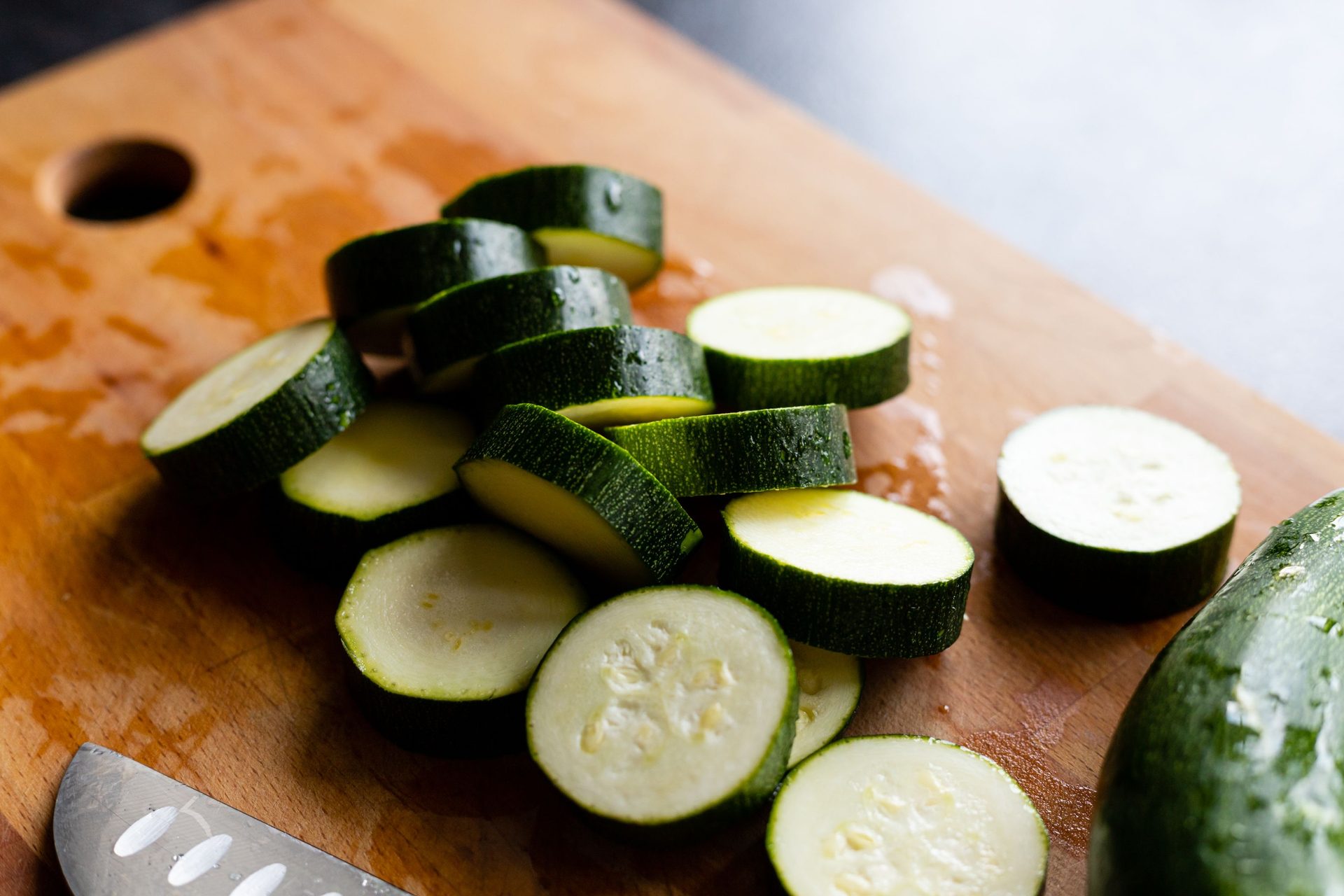
Zucchini is one of those vegetables that seems to multiply overnight, especially if you grow it in your backyard garden. Whether you have more raw zucchini than you can cook this week or a leftover pan of baked zucchini slice sitting in your fridge, the freezer is your best option for making it last.
The good news: both raw zucchini slices and the baked zucchini slice dish freeze well — you just need to know the right method for each. This guide walks you through everything, from prep and packaging to thawing, reheating, and knowing when to toss it.
Can You Freeze Zucchini Slice?
Yes, you can freeze zucchini slice in both forms — as raw cut pieces and as the egg-and-cheese baked dish popular in many American and Australian households. Zucchini slice is freezer friendly. Simply wrap individual portions, pop them into an airtight container, and the zucchini slice will keep in the freezer for up to 3 months.
Raw zucchini slices are also very freezer-friendly. You can freeze zucchini and use it in your kitchen all year long — as noodles, shreds, or slices. The main thing to understand before you start is that zucchini has a very high water content, which affects texture after thawing. That’s not a dealbreaker — it just means you need to match the thawed product to the right use.
If you’re looking to preserve fresh uncooked zucchini specifically, the process differs slightly from freezing the baked dish, and both are covered in detail below.
Does Freezing Change the Texture or Taste of Zucchini Slice?
Freezing does change the texture of zucchini, and it’s worth knowing what to expect. Because zucchini is 95% water, it can become quite soft after you freeze and thaw it, and a little puddle of water may surround it — so it’s best used in soups, casseroles, sauces, and smoothies.
For raw slices, the softening is most noticeable. Frozen raw zucchini can end up the mushiest and most watery when thawed. Blanching helps a little, but it’s still softer than the texture of fresh zucchini. The flavor itself doesn’t change dramatically — it’s mainly the texture that shifts.
For the baked zucchini slice dish, the change is less dramatic because the eggs and flour in the recipe already bind the ingredients together. To maintain the flavor and texture of your frozen zucchini slice, use fresh ingredients when making it, avoid overmixing the mixture, and don’t overbake — overbaking can cause the slice to become dry and crumbly before it even goes into the freezer.
Pro Tip: If you’re freezing the baked dish, slightly underbake it by a few minutes. When you reheat from frozen, the extra oven time will bring it to perfect doneness without drying it out.
How to Freeze Zucchini Slice the Right Way
The method you use depends on whether you’re freezing raw zucchini slices or the fully baked dish. Both approaches work well when done correctly.
Freezing Raw Zucchini Slices
The National Center for Home Food Preservation recommends water blanching to freeze zucchini slices. Here’s how to do it step by step:
- Wash and slice: Trim away the stem and blossom end of the zucchini, then slice into 1/4-inch thick slices.
- Blanch: Bring a large pot of water to a boil and prepare an ice bath. Place the zucchini slices into the boiling water and blanch them for 1 to 2 minutes — no longer, or the zucchini will get mushy.
- Ice bath: Immediately transfer the blanched zucchini into the ice bath to stop cooking. Leave them for the same amount of time they were blanched, then drain and pat dry with a clean kitchen towel or paper towel to remove excess moisture.
- Flash freeze: Place the dried zucchini slices in a single layer on a large baking sheet — make sure the pieces don’t overlap so they don’t stick together. Place the baking sheet in the freezer for 2 to 3 hours or until firm and frozen.
- Transfer and seal: After the zucchini is firm and frozen, place the pieces in a large gallon-sized zip-top bag or other airtight container. Remove as much air as possible before sealing, and add the date on the bag before placing it in the freezer.
If you skip blanching, you can still freeze raw zucchini slices. You can technically freeze zucchini without blanching — just slice it into pieces, place them on a baking sheet to flash freeze for a couple of hours, and then transfer to bags or containers. Zucchini that hasn’t been blanched probably won’t last as long, so use it within 1 month for best results.
Freezing the Baked Zucchini Slice Dish
If you’ve made the egg-based baked dish, let it cool to room temperature first — never freeze it while it’s still warm. When freezing and reheating zucchini slice, follow proper food safety guidelines. Always cool the dish to room temperature before freezing, and reheat it to an internal temperature of at least 165°F (74°C) to ensure food safety.
Once cooled, cut the dish into individual portions. Zucchini slice is freezer friendly — simply wrap individual portions in plastic wrap, pop them into an airtight container, and the zucchini slice will keep in the freezer for up to 3 months. Label each container with the date so you always know what’s inside. A quality food slicer can help you cut uniform portions before freezing.
Pro Tip: Double-wrap individual portions — first in plastic wrap, then in a zip-top freezer bag. This extra layer protects against freezer burn and keeps the egg-based dish from absorbing any freezer odors.
How Long Can You Freeze Zucchini Slice?
Storage time varies depending on which form you’re freezing. Here’s a quick comparison:
| Type | Freezer Life | Notes |
|---|---|---|
| Baked zucchini slice dish | Up to 3 months | Best quality within the first 2 months |
| Blanched raw slices | 3–6 months | Blanching extends shelf life and preserves texture |
| Raw (unblanched) slices | Up to 1 month | Best for smoothies and short-term storage |
| Shredded/grated zucchini | 3–6 months | Squeeze out moisture before freezing |
After 6 months, the quality of the frozen zucchini slice may start to degrade, so it’s best to use it within this timeframe for optimal flavor and texture. When you’re ready to use it, simply thaw it in the refrigerator or reheat it in the oven or microwave.
Label each container or bag with the freezing date and periodically check the stored zucchini for any signs of freezer burn. Freezer burn can occur if it’s not adequately sealed or stored for an extended period, and it may affect the taste and quality.
How to Thaw Frozen Zucchini Slice
How you thaw zucchini slice depends on the form it’s in and how you plan to use it.
For the baked dish: Remove slices from the freezer and place them in the fridge overnight to thaw. Reheat in an oven or microwave until hot. For oven reheating, place the slice on a baking sheet and bake at 350°F for 10–15 minutes, or until heated through. To reheat in the microwave, place the slice on a microwave-safe plate and heat for 30–60 seconds, or until heated through.
For raw slices going into cooked dishes: In many cases, there’s no need to thaw your frozen zucchini. Slices and cubes can be tossed directly into smoothies, soups, and stews without thawing first. This is actually the preferred method because it prevents excess water from pooling in your dish.
For raw slices going into baked goods or sautéed dishes: If adding zucchini slices to soup, it is not necessary to thaw them out before using. However, if you will be sautéing them in a skillet or adding shredded zucchini to bread or muffin batter, you will want to thaw before using.
To thaw frozen zucchini, let it defrost in the fridge overnight. Avoid microwaving it to thaw, as that can make it more watery. If you’re in a hurry, you can also place the sealed bag in a bowl of cool water to speed things up.
Can You Refreeze Zucchini Slice After Thawing?
Refreezing is technically possible, but it’s not recommended for either form of zucchini slice. Each freeze-thaw cycle causes more ice crystals to form inside the vegetable cells, which breaks down the texture further.
For raw zucchini slices, always freeze sliced zucchini in a single, non-overlapping layer, and be cautious with food safety with foods that have thawed and refrozen. If the zucchini was thawed in the refrigerator and hasn’t been sitting out for more than two hours, it’s generally considered safe to refreeze — but the texture will be noticeably mushier than the first freeze.
For the baked zucchini slice dish, refreezing after reheating is not a good idea. Once reheated to 165°F, the dish should be consumed. When reheating frozen zucchini slice, always check the dish for any signs of spoilage, such as off odors or slimy texture. If in doubt, it’s best to err on the side of caution and discard the dish.
The best strategy is to freeze in individual portions from the start, so you only thaw exactly what you need each time. This eliminates the refreezing question altogether.
How to Use Frozen Zucchini Slice (Best Uses After Freezing)
The thawed texture of zucchini slices means some uses work better than others. Match your frozen zucchini to the right recipe and you’ll never notice the difference.
Best Uses for Thawed Raw Zucchini Slices
- Soups and stews: Frozen zucchini slices are great added to soups, stews, and smoothies, and don’t need to be thawed beforehand.
- Casseroles and pasta sauces: You can add them directly to soups, stews, stir-fries, casseroles, or pasta sauces without thawing. This works especially well for recipes with longer cook times.
- Smoothies: It’s a great way to sneak more veggies into a smoothie — it’ll go virtually undetected. It’s also a great alternative to bananas for a lower-sugar smoothie.
- Zucchini bread and muffins: Shredded frozen zucchini works especially well in baked goods. Zucchini helps keep dishes moist, so many recipes that include it, like muffins, quick breads, and soups, are perfect for freezing.
Frozen zucchini is not recommended as a stand-alone side dish or used in salads or stir-fries, as it’ll be too watery. For dishes where texture matters — like roasted zucchini or grilled planks — stick with fresh.
Best Uses for Thawed Baked Zucchini Slice
The baked dish holds up much better after freezing than raw slices do, because the eggs and cheese help stabilize the structure. After reheating, you can serve it as:
- A quick weeknight dinner alongside a green salad
- A packed lunch or meal-prep option for the week
- A protein-rich breakfast when reheated in the microwave
- A party appetizer cut into smaller squares after reheating
Zucchini is also a nutritious addition to your diet beyond just its versatility in cooking. It’s a good source of skin-supporting nutrients and pairs well with other heart-healthy foods in a balanced meal plan.
Signs That Frozen Zucchini Slice Has Gone Bad
Frozen food doesn’t last forever, and zucchini slice is no exception. Here’s what to look for before eating anything that’s been in the freezer for a while.
| Warning Sign | What It Means | What to Do |
|---|---|---|
| Freezer burn (white, dry patches) | Moisture has escaped from the surface | Safe to eat but flavor and texture will suffer; trim affected areas |
| Off or sour smell after thawing | Bacterial growth or spoilage | Discard immediately |
| Slimy or mushy texture beyond normal softening | Spoilage, especially in egg-based dish | Discard immediately |
| Unusual discoloration (gray, brown, or black spots) | Oxidation or mold | Discard immediately |
| Ice crystals throughout the package | Temperature fluctuations during storage | Check quality after thawing; use promptly |
Always check the dish for any signs of spoilage before consuming it, such as off odors or slimy texture. For the baked dish specifically, the eggs and dairy make it more perishable than plain vegetable slices — so when in doubt, throw it out.
Frozen zucchini will last for up to 3–4 months. After this time, the zucchini will begin to get freezer burn and will lose a large majority of its flavor. Keeping your freezer at a consistent 0°F and using airtight packaging are the two most effective ways to extend quality and avoid these issues.
Important Note: The baked zucchini slice dish contains eggs and cheese, which are more susceptible to spoilage than plain vegetables. Always reheat the dish to an internal temperature of 165°F before eating, and never leave thawed portions sitting at room temperature for more than two hours.
Frequently Asked Questions
Can you freeze zucchini slice without blanching?
Yes, you can skip blanching for both the raw slices and the baked dish. You can technically freeze zucchini without blanching — just slice it into pieces, place them on a baking sheet to flash freeze for a couple of hours, then transfer to bags or containers. Zucchini that hasn’t been blanched probably won’t last as long, so use it within 1 month for best results. For the baked dish, blanching isn’t relevant since the zucchini is already cooked.
How long does zucchini slice last in the fridge before freezing?
In an airtight container, zucchini slice will keep in the refrigerator for 5 days, making it the ideal make-ahead dinner for busy families. If you haven’t eaten it within that window, freeze it before it goes past its prime.
Can you freeze zucchini slice raw?
Yes. Raw zucchini slices freeze well for use in cooked dishes. You can freeze zucchini by either freezing raw zucchini slices, freezing blanched zucchini, or freezing grated zucchini. Raw slices work best in soups, stews, and smoothies after thawing. They’re not well-suited for salads or standalone side dishes once frozen.
Does frozen zucchini slice taste different?
The flavor stays largely the same, but the texture softens. Thawed zucchini is soft and watery whether you blanch it or not — but frozen zucchini is a great addition to soups, stews, sauces, muffins, and quick breads. The baked dish holds up better in terms of texture compared to plain raw slices.
What is the best container for freezing zucchini slice?
Airtight packaging is the most important factor. Options include zip-top freezer bags (with air pressed out), glass food storage containers with tight lids, or vacuum-sealed bags. Label each container or bag with the freezing date and periodically check the stored zucchini for any signs of freezer burn. Freezer burn can occur if it’s not adequately sealed or stored for an extended period.
Can you eat frozen zucchini slice straight from the freezer?
For the baked dish, no — always thaw and reheat it to at least 165°F before eating. For raw slices going into a hot recipe like soup or a stew, yes — to prevent it from getting mushy, avoid thawing before using in cooking. Just add slices straight from frozen to soups, stir-fries, and sautéed or roasted dishes.
If you’re interested in more ways to eat well and store food smartly, explore how whole plant-based foods fit into a healthy lifestyle, or check out nutrients and foods that support long-term health. For liver-supportive eating, this guide on foods that help enhance liver function is also worth a read.