Why Are My Zucchini Leaves Turning Yellow? Causes, Fixes, and Prevention

September 17, 2026
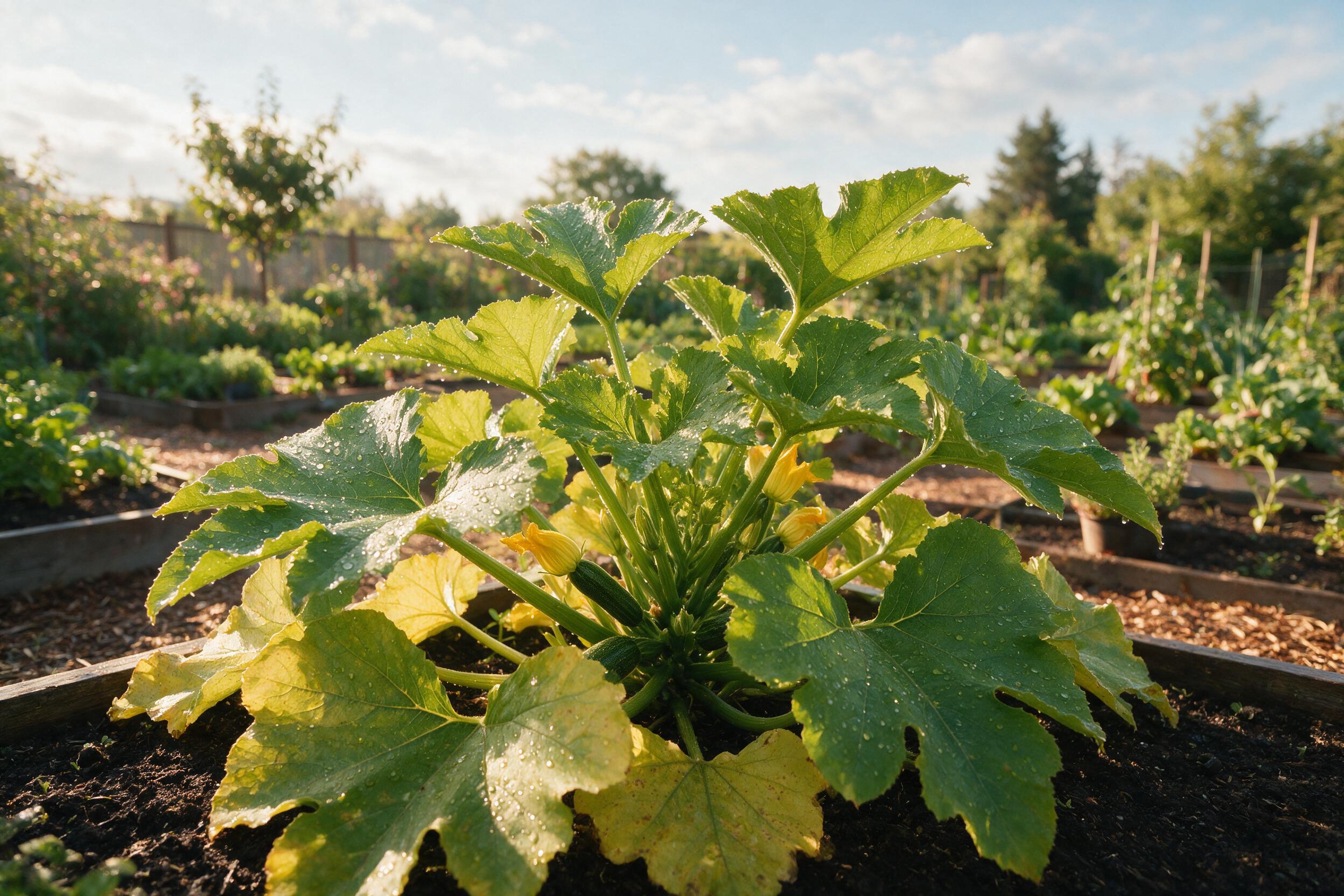
You head out to your garden, coffee in hand, and notice that your once-lush zucchini plant is starting to look a little off. The leaves that were a deep, healthy green just last week are now pale, yellowing, or even spotted. It’s a frustrating sight, especially when you’re counting on a solid summer harvest.
The good news is that yellow zucchini leaves are one of the most common problems home gardeners across the United States face, and in most cases, the issue is fixable. Yellow zucchini leaves are one of the most frequently misdiagnosed plant problems — the yellowing itself is not a diagnosis; it is a symptom. The pattern, the location on the plant, the time of season, and what else you see alongside it are what point to the real cause.
This guide walks you through every major reason your zucchini leaves might be turning yellow, how to pinpoint the exact cause, and what to do about it — so you can get your plants back on track before the season slips away.
What Does It Mean When Your Zucchini Leaves Are Turning Yellow?
Zucchini (Cucurbita pepo) is a warm-season summer squash that’s beloved by backyard gardeners for its fast growth and generous yields. But those big, leafy plants can be surprisingly communicative — and yellow leaves are one of the clearest signals that something in the growing environment needs attention.
A healthy zucchini plant creates chlorophyll, which is what gives the leaves their rich green color. When the leaves turn yellow, something is interfering with chlorophyll production — a clear indication that something is wrong with your plant. This condition is technically called chlorosis, and it can have many different root causes.
A zucchini leaf can turn yellow from nutrient and soil imbalances, too much or too little water, damaged roots, lack of sunlight, and several diseases and pests. The key is figuring out which one you’re dealing with before you start treating the plant — because the wrong fix can make things worse.
Is Yellowing in Zucchini Always a Sign of a Problem?
Not always. Before you panic, it’s worth knowing that some leaf yellowing is completely normal and not a cause for concern.
Especially later in the season, older leaves turn yellow, which is part of the plant’s natural aging process and nothing to worry about. As zucchini plants mature and fruit production peaks, the lower, older leaves naturally senesce — they’ve done their job and the plant redirects energy to the fruit and new growth above.
As the fall sun wanes, a zucchini plant will start going dormant and the leaves will turn yellow. This is a natural progression and should be allowed to take its course. Similarly, zucchini has tender roots that are prone to transplant shock. Often, older leaves turn yellow and drop off after transplanting while the plant puts its energy into growing more roots and new leaves.
The situation becomes a problem when yellowing spreads to newer growth, appears mid-season without an obvious trigger, or comes with other symptoms like wilting, spots, or stunted fruit. That’s when it’s time to dig deeper.
Pro Tip: Always look at which leaves are yellowing first — bottom leaves versus top leaves, old growth versus new growth. That single detail narrows down the cause dramatically.
Watering Issues Causing Zucchini Leaves to Turn Yellow
One of the most common reasons that zucchini plant leaves turn yellow is too much water or too little water. In the case of yellowing leaves, overwatering can be just as much to blame as underwatering. Both extremes disrupt the plant’s ability to absorb and transport nutrients, which shows up as yellowing foliage.
Overwatering doesn’t only happen when you water your plants too much — it can also occur with moderate amounts of water and poorly drained soil. The roots become waterlogged and are unable to take up nutrients, leading to yellow leaves. Pay particular attention to how much water you give your zucchinis when they are growing in heavy, clay soil. Clay soils are especially susceptible to overwatering, as the tightly packed soil particles trap water and excess water cannot drain away.
On the flip side, underwatering starves the plant of the moisture it needs to move nutrients through its system. Underwatering leads to wilting, dry leaf edges, and yellowing. This issue often arises from infrequent watering or high temperatures, which can stress the plant.
Zucchini plants require 1–2 inches of water weekly. The soil around the plant should be watered enough to moisten the top 6 inches of soil. If the top 1 inch of soil is totally dry, it indicates the plant needs water. A simple finger-test before each watering session goes a long way toward keeping moisture levels consistent.
Pro Tip: Water your zucchini deeply at the base of the plant in the early morning, and avoid splashing the leaves. Wet foliage invites fungal problems on top of whatever else might be going on.
Light Conditions Behind Zucchini Leaves Turning Yellow
Zucchini is a sun-loving plant, and insufficient light is a surprisingly common cause of yellowing — especially in gardens where taller plants, fences, or structures cast shade during key hours of the day.
Zucchini plants need full sun — at least six hours of direct sunlight daily — to support strong growth and vibrant, green foliage. Without it, plants may grow leggy, leaves can turn pale or yellow, and flower and fruit production often suffers. This is a common issue in gardens with north- or west-facing exposure or areas shaded by taller plants.
During the growing season, any sign of yellowing leaves could indicate that the zucchini plant is not getting enough sun. Zucchinis require full sun, which means at least 6 to 8 hours of direct sunlight each day (and more is even better).
If your zucchini is in a fixed garden bed that’s become shaded over time — perhaps by a neighboring tomato plant that’s taken off — try trimming back competing foliage. If sunlight is limited, consider relocating young plants to a sunnier, south- or east-facing spot. When garden space is limited, compact zucchini varieties can be grown in containers that can be moved to catch the sun throughout the day. You can find inspiration for companion planting layouts in this guide to different plants to grow with tomatoes, which covers sun-sharing strategies in mixed vegetable beds.
Soil, Nutrients, and Root Health Causing Zucchini Leaves to Turn Yellow
Nutrient problems are among the most frequent causes of yellow zucchini leaves, and they show up in distinct patterns that can help you identify exactly what’s missing.
Nitrogen Deficiency
Nitrogen deficiency is the most common nutritional cause of yellow zucchini leaves, and the one easiest to fix once you recognize it. Both nitrogen and magnesium deficiencies start on older leaves because plants cannibalize their own nutrients. Nitrogen is a mobile nutrient in plants — when supply runs short, the plant pulls nitrogen out of older tissues and redirects it toward the growing tips. Those stripped older leaves lose their chlorophyll and turn a uniform pale yellow, then papery and brown before dropping. The yellowing climbs the plant from the bottom up, which is the key visual tell.
Iron, Magnesium, and Other Deficiencies
Iron availability to the zucchini plant should be suspected if leaves are yellow between green veins. This can be corrected by lowering the soil’s pH, improving compacted soil, reducing phosphorus, and correcting overly wet soil.
Magnesium deficiency can be identified by interveinal chlorosis, where the area between leaf veins turns yellow, often accompanied by leaf curling. Magnesium plays a role in photosynthesis and enzyme function, so its absence can significantly impact plant health. Soil that is too low in iron, sulfur, or manganese can leave your plants with yellowing leaves, especially in new growth. Nutrient deficiencies cause other problems for your zucchini plants as well, including blossom end rot.
Fertilizer Burn and Over-Fertilizing
Using fertilizer and pesticides can cause yellowing squash foliage if they’re improperly used or overused. Fertilizer can result in leaf burn or scorch as well as wilting, margin yellowing, and stunting. This occurs most often when conditions are hot and dry, which concentrates fertilizer salts in the soil. Yellowing as a result of fertilizers can be mitigated by using a slow-release, organic fertilizer or amending the soil with 1–2 inches of compost.
What to Do About Nutrient Problems
A soil test can show if your soil type lacks certain nutrients, and any deficiencies can be treated with fertilizer or with the addition of compost to the planting site. Apply a balanced fertilizer, such as a product with an NPK ratio of 10-10-10, at planting time and again when flower buds appear. For healthy root development, avoid compacting the soil around the base of the plant, and make sure your beds drain freely. You can also explore types of plants that improve soil health through companion planting.
Environmental Stress Triggering Zucchini Leaves to Turn Yellow
Sometimes the culprit isn’t a pest or a disease — it’s the environment itself. Zucchini plants can react strongly to temperature swings, humidity extremes, and physical root disturbance.
Heat stress is a real concern for US gardeners in USDA hardiness zones where summer temperatures regularly climb above 90°F. When temperatures soar, plants can struggle to keep up with transpiration demands, leading to wilting and leaf yellowing even when the soil has adequate moisture. Providing afternoon shade with a shade cloth can help in the hottest regions.
Heavy soils that don’t drain readily become deprived of oxygen, which leads to wilting and yellowing foliage along with browning of leaves and stems. Prolonged periods of rain combined with heavy clay soil leads to a lack of drainage followed by these signs of disease. The solution may be to plant your zucchini squash in raised beds where you have more control over the soil.
Root disturbance from nearby cultivation, digging, or aggressive weeding can also stress the plant enough to trigger yellowing. Zucchini roots spread wide and shallow, so be gentle when working the soil around established plants. For gardeners interested in low-maintenance growing setups, browsing drought-tolerant plants in Florida can offer ideas for companion groundcovers that protect soil moisture and reduce the need for frequent disturbance.
Pests and Disease Leading to Zucchini Leaves Turning Yellow
Pests and disease are two of the most serious causes of yellow zucchini leaves, and they often work in tandem — many insects spread disease as they feed.
Common Pests
Pests are always a problem in a vegetable garden. Spider mites and aphids both suck sap from the plants as they arrive en masse and feast on foliage and stems. Aphids leave behind a sticky black residue on the leaves, while spider mites weave trails of silk — two easy visual clues to help you tell them apart.
The squash vine borer is perhaps the most dreaded insect affecting zucchini. The larvae of the squash vine borer devour the spongy matter inside the zucchini plant stem, disrupting the flow of crucial nutrients and water. Squash bugs are also notorious for causing wilting and yellowing leaves. Check the undersides of leaves regularly for egg masses and remove them by hand as soon as you spot them.
Fungal Diseases
As urban farmer Teneya Parks of Farmscape explains, “Powdery mildew, a common fungal infection, starts as white powdery spots on leaves and stems, eventually causing yellowing and leaf drop.” Downy mildew survives in damp and cool conditions. Besides the spotty yellow leaves, it can be identified by the fuzzy-looking fungus on the underside of the leaves. The spores are usually spread by the wind and can survive for years in the soil.
Overhead watering and wet summers can cause fungal problems, so use drip irrigation to keep moisture off leaves — or simply make sure you soak the base of the plants if watering by hand.
Viral Diseases
One of the more common zucchini diseases caused by the presence of insect pests is cucumber mosaic virus, which also afflicts cucumbers. The disease manifests as yellowing zucchini leaves, usually along the leaves’ veins. When zucchini leaves develop an irregular mosaic — patches of bright yellow mixed with normal green, crinkled or blistered tissue, distorted leaf shape — you are looking at a virus. Once the plant is infected, there is no cure. You can try to halt the progression of the disease by removing and destroying any infected plant parts.
When dealing with diseases, it is important to properly dispose of the plants and never put any diseased plant matter in your compost.
Important Note: Viral diseases like cucumber mosaic virus and zucchini yellow mosaic virus have no chemical cure. Your best defense is controlling the aphids and beetles that spread them, using row covers before flowering, and practicing crop rotation.
How to Diagnose Why Your Zucchini Leaves Are Turning Yellow
Diagnosing the problem correctly before you treat it saves time, money, and the plant itself. Here’s a step-by-step approach to narrowing it down.
When diagnosing yellow leaves on your zucchini plants, start by observing color changes. Is the yellowing gradual, or does it appear suddenly alongside wilting? Next, examine the leaf texture. Look for signs of wilting, curling, or any unusual spots that could indicate underlying issues.
Use this quick-reference table to match what you’re seeing to the most likely cause:
| What You See | Where on the Plant | Most Likely Cause |
|---|---|---|
| Uniform pale yellow, no spots | Older, lower leaves first | Nitrogen deficiency |
| Yellow between green veins | Older or newer leaves | Iron or magnesium deficiency |
| Yellow and wilting, soggy soil | Whole plant | Overwatering / poor drainage |
| Yellow with dry, crispy edges | Whole plant | Underwatering / heat stress |
| Mottled yellow-green mosaic, distorted leaves | New and old growth | Viral disease (mosaic virus) |
| Yellow spots with fuzzy gray underside | Scattered across plant | Downy mildew |
| White powder turning yellow | Upper leaf surface | Powdery mildew |
| Sticky residue, curling leaves | Younger growth, undersides | Aphid infestation |
| Speckled or stippled yellowing | Scattered, often upper surface | Spider mites |
| Sudden wilting and yellowing | Whole plant, often one side | Squash vine borer or bacterial wilt |
To pinpoint the cause of yellowing, assess the age of the leaves. Older leaves are more likely to show signs of nutrient deficiencies, while new growth may indicate other problems. Also inspect the soil — check the soil moisture. Is it too dry, leading to stress, or overly wet, which can suffocate roots? Finally, inspect for pests. Look closely for visible insects or webbing that could be damaging your plants.
If you’re unsure what you’re looking at, a plant identification app can help. Check out the best iPhone apps for identifying plants or the best Android apps for identifying plants to get a quick second opinion right from your garden.
How to Fix a Zucchini Plant That Is Turning Yellow
Once you’ve identified the cause, here’s how to address it. Work through the most likely fix first, give it a few days, and then reassess.
Fix Watering Problems
If you fear overwatering may be the cause, the easiest fix is to stop watering the plant and keep a close eye on what happens to the color and health of the plant as the soil dries out. For underwatering, gradually increase frequency rather than flooding the plant all at once. If the yellowing is determined to be too little irrigation, set up a regular schedule for watering early in the morning. Water deeply at the base of the plants and avoid getting water on the leaves.
Fix Nutrient Deficiencies
It may be a lack of nitrogen, iron, or manganese which causes the leaves to yellow. A soil test can show if your soil type lacks certain nutrients, and any deficiencies can be treated with fertilizer or with the addition of compost to the planting site. The ideal feeding regime is to add a balanced slow-release fertilizer when you plant zucchini and then use a feed designed for growing vegetables when the plants start blooming.
Fix Pest Infestations
To get rid of aphids and spider mites, you can use insecticidal soap or neem oil, and even simply dislodge the pests from plants with a jet of water. Any sign of aphids should be treated immediately with an insecticidal soap or neem oil. For squash bugs, hand-remove egg masses in early morning when adults are slow, use row covers until plants begin flowering, and clear plant debris in autumn where adults overwinter.
Fix Fungal Disease
Downy mildew is usually not fatal to your zucchinis, and your plants can be cured by providing a warm, dry environment. Spacing out your zucchinis is a great way to let air circulate among the plants and to let the sunlight in to dry things out. Powdery mildew can be treated with an approved fungicide or a diluted baking soda spray in the early stages. Remove and bag any heavily infected leaves before disposal.
Address Viral Infections
Transmitted by aphids, viral disease causes mottled yellowing, leaf distortion, and malformed fruit. There is no cure, so remove infected plants and sanitize tools. Prevent aphid infestations with horticultural oils or insecticidal soap. Pulling an infected plant is painful, but it protects the rest of your garden.
For more ideas on what to do with a healthy zucchini harvest once your plants recover, take a look at what to serve with zucchini or even what to serve with zucchini noodles for creative meal inspiration.
How to Prevent Zucchini Leaves from Turning Yellow Going Forward
Prevention is far easier than treatment, and a few consistent habits can keep your zucchini plants looking healthy all season long.
- Test your soil before planting. A soil test is the best way to determine nutrient levels. Enrich average or poor soil with compost, aged manure, or humus as needed.
- Plant in full sun. Choose a garden bed that gets at least 6–8 hours of direct sunlight daily. Avoid spots that become shaded as neighboring plants grow tall through summer.
- Water consistently, not erratically. Consistent watering is best. Irregular watering stresses roots and makes nutrient uptake unreliable. Use a drip irrigation system or soaker hose if possible.
- Use raised beds in heavy-soil areas. Planting your zucchini squash in raised beds gives you more control over the soil and drainage, which prevents both overwatering and compaction problems.
- Practice crop rotation. Observe a 3 to 4 year crop rotation to reduce the buildup of soil-borne pathogens and pests that overwinter in garden beds.
- Monitor plants daily. Check your zucchini plants daily. Look for yellow spots or wilting leaves. Early signs help catch problems fast.
- Use companion planting strategically. Beans and peas are legumes that release nitrogen to the soil, which benefits zucchini plants. Radishes make excellent zucchini companion plants because they deter squash vine borers. Nasturtiums serve as a trap crop for aphids and attract pollinating insects.
- Keep fertilizer off the leaves. If you’re using granular fertilizer, be sure to keep it off the leaves of the plant and water it in well immediately after application.
- Remove diseased material promptly. When dealing with diseases, it is important to properly dispose of the plants and never put any diseased plant matter in your compost.
Understanding how leaves function as indicators of overall plant health is a skill that applies across your whole garden. If you want to build that knowledge further, the guide to types of leaves is a helpful read. And for gardeners who love keeping plants indoors as well as out, the roundup of best houseplants for low-light areas offers ideas for spaces where sun is limited.
FAQ
Why are only the bottom leaves on my zucchini turning yellow?
If only the bottom leaves are yellow and the top leaves are still slightly greener, the culprit is likely nitrogen deficiency. Nitrogen is mobile in the plant, and when there is a shortage it moves from the old growth to the new growth. Apply a nitrogen-rich fertilizer or side-dress with compost to correct this quickly.
Can yellow zucchini leaves recover and turn green again?
It depends on the cause. Leaves that have yellowed due to nutrient deficiency or watering problems can sometimes recover their green color once the underlying issue is corrected, especially if the yellowing is mild. Leaves that have yellowed due to viral infection or severe fungal damage will not recover and should be removed.
How do I know if my zucchini has a virus versus a nutrient problem?
When zucchini leaves develop an irregular mosaic — patches of bright yellow mixed with normal green, crinkled or blistered tissue, distorted leaf shape — you are looking at a virus. Nutrient deficiencies, by contrast, tend to produce more uniform, solid yellowing without distortion or mottling.
Should I remove yellow leaves from my zucchini plant?
Yes, in most cases. Yellow and diseased zucchini leaves should be removed and disposed of. Removing them improves airflow, reduces the spread of fungal spores, and helps the plant focus its energy on healthy growth. Always sanitize your pruning tools between cuts, especially if disease is suspected.
What is the white powder on my zucchini leaves, and is it related to yellowing?
Powdery mildew on leaves starts as white and may turn yellow and brown later. It is an unsightly fungal disease, but it is not deadly. Improve airflow around your plants, avoid overhead watering, and treat with a fungicide or diluted baking soda solution at the first sign of infection.
My zucchini leaves turned yellow and the whole plant wilted suddenly. What happened?
Bacterial wilt and mosaic virus, two serious plant diseases, are spread by cucumber beetles. Bacterial wilt first causes leaves to change to dull green and wilt in the daytime. Eventually, the leaves turn yellow, wither, and die. Sudden, total plant collapse can also point to squash vine borer damage at the stem base — check the stem near the soil line for entry holes and frass.
Is it safe to eat zucchini from a plant with yellow leaves?
If the yellowing is due to nutrient deficiency, watering issues, or natural aging, the fruit is perfectly safe to eat. If the plant has a viral infection like cucumber mosaic virus, the viral disease causes patchy yellowing in the leaves, stunted growth, and misshapen, bitter-tasting fruits — in that case, the fruit may be unpalatable but is not harmful to humans. When in doubt, taste a small piece before committing to a full harvest. For recipe ideas once your crop is back on track, check out what to serve with zucchini fritters or what to serve with grilled zucchini.