Why Are My Pepper Flowers Dropping? Causes, Fixes, and Prevention

September 9, 2026
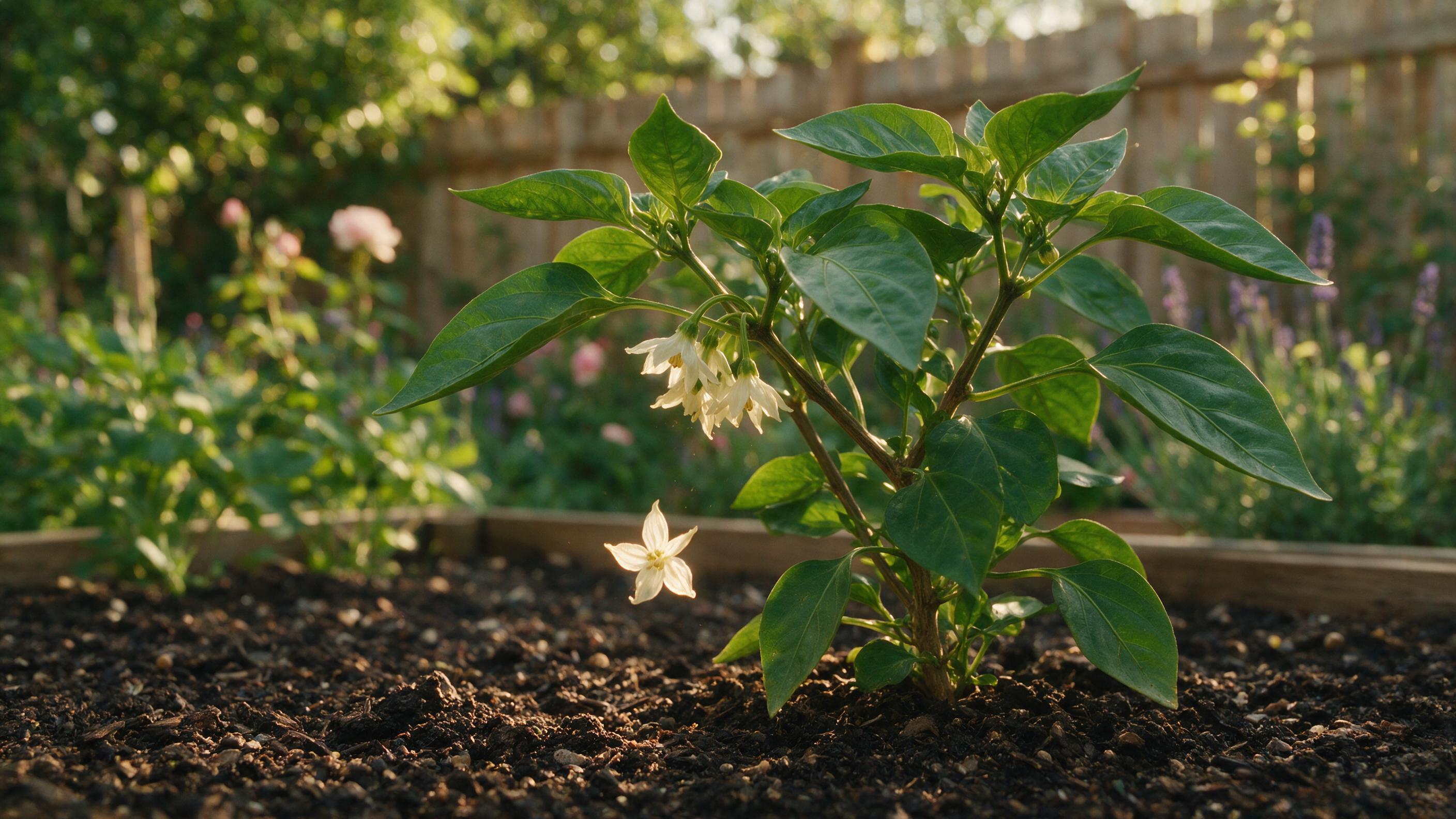
You’ve been tending your pepper plants all season, and just when things seem to be going well, the flowers start falling off before a single pepper forms. It’s one of the most discouraging things to watch in the garden — but it’s also one of the most common problems pepper growers face across the United States.
The good news is that pepper flower drop, also called blossom drop, is almost always fixable once you know what’s driving it. Whether you’re growing bell peppers, jalapeños, or a fiery Scotch bonnet, the causes are largely the same — and so are the solutions. This guide walks you through every major reason your pepper flowers are dropping and gives you practical steps to turn things around.
What Does It Mean When Your Pepper Plant Is Dropping Flowers?
Pepper flower drop is exactly what it sounds like: flowers detach from the plant before they can be fertilized and develop into fruit. Pepper flowers are a natural part of the plant’s growing journey, and it’s normal for some of them to fall off during the growing season — pepper plants often produce more flowers than they can support, and not all of them will turn into fruit.
The plant produces these extra flowers as a strategy. Pepper plants produce more flowers than needed to be more attractive to pollinators, which ensures that at least some flowers are fertilized. So a few dropped flowers here and there are nothing to worry about.
The concern arises when you notice large numbers of flowers falling off consistently. If you’re noticing a large number of flowers dropping from your plant, it may be a sign of environmental stress or growing issues. At that point, it’s worth investigating the root cause so you can protect the rest of your season’s harvest.
Is Flower Drop in Pepper Plants Always a Sign of a Problem?
Not at all. Pepper blossom drop is normally not caused by gardener error but, instead, by uncontrolled environmental factors. Many gardeners blame themselves when they see flowers falling, but the truth is that much of the time the plant is simply responding to conditions outside your control.
Tomatoes and peppers drop their blossoms when environmentally stressed, but when conditions are less extreme, a plant that has dropped its blossoms will flower again, set fruit, and be productive. In other words, a round of blossom drop doesn’t have to mean the end of your harvest.
The key is understanding the difference between normal, occasional drop and the kind of persistent, heavy drop that signals a real problem. Some pepper buds dropping is completely normal, but proper care will help get better harvests. If you’re seeing a steady stream of fallen flowers with no fruit setting, it’s time to diagnose what’s going on.
Pro Tip: Keep a quick garden log for a week. Note the temperature highs and lows, how often you watered, and how many flowers dropped each day. Patterns in that data will point you toward the most likely cause faster than any single observation.
Watering Issues Causing Pepper Flower Drop
Water is one of the biggest levers in pepper plant health, and getting it wrong in either direction can trigger blossom drop. Water stress is a significant factor contributing to pepper plant blossom drop. Both overwatering and underwatering can lead to stress, causing blossoms to fall off prematurely. Maintaining consistent soil moisture is crucial for the health and productivity of pepper plants.
Overwatering is a particularly common mistake. Too much water affects nearly all aspects of your pepper plant’s growth, including the way it causes flowers to fall off. Your plant requires even watering throughout the life cycle, and with too much water and not enough drainage, you essentially drown your pepper plant. When roots sit in saturated soil, they can’t absorb oxygen, which starves the plant and triggers flower shed.
On the flip side, drought stress is equally damaging. Uneven watering or drought will cause pepper flower and bud drop. Letting the soil dry out completely between waterings puts the plant into survival mode — and producing fruit is the first thing it gives up.
The fix is straightforward: make sure you are only watering your pepper plants when the top 2–3 inches of soil have dried out. Watering deeply but less often will encourage the plant’s roots to grow deeper into the soil. For container-grown peppers, always make sure drainage holes are clear so excess water can escape freely.
Light Conditions Behind Pepper Flower Drop
Peppers are sun-loving plants that need plenty of direct light to flower and set fruit well. In most parts of the US, they need at least 6–8 hours of full sun per day. Too little light slows photosynthesis, which means the plant has less energy to sustain blooms — and flowers are among the first things sacrificed when energy runs low.
Too much intense, direct afternoon sun can also be a problem, particularly in hot-summer states like Texas, Arizona, and Florida. Pepper plants suffer stress under intense heat, which throws off their usual growth patterns. Before they have an opportunity to set fruit, this stress can cause flowers to drop. The issue here is less about light itself and more about the heat that comes with it — but the two are linked in outdoor growing situations.
If you’re growing in a region with brutal afternoon sun, try planting the pepper plants in an area that gets full morning sunlight but will be shaded in the hot afternoon sun. For plants already in the ground, a shade cloth rated at 30–40% diffusion can reduce heat stress without cutting off the light your plants need to thrive. You can find helpful plant identification and care apps that can also help you monitor light exposure and spot stress symptoms early.
Soil, Nutrients, and Root Health Causing Pepper Flower Drop
What’s happening underground has a direct impact on what you see above it. Poor soil, imbalanced nutrients, and cramped roots are all common drivers of blossom drop that gardeners often overlook.
Excess nitrogen is one of the most frequent nutrient mistakes. Excessive fertilization can lead to pepper plant blossom drop. While it might seem beneficial to give plants plenty of nutrients, too much fertilizer — especially nitrogen — can cause more harm than good. High levels of nitrogen can promote lush, green foliage at the expense of flowers and fruits. This nutrient imbalance can cause plants to drop their blossoms as they focus on vegetative growth instead of reproductive growth.
Fertilizers used in the seedling stage tend to have more nitrogen that promotes healthy growth of plant stems and leaves. Excess nitrogen during flowering encourages leaf growth at the expense of flowers and fruit. Once your peppers start blooming, switch to a fertilizer with a lower nitrogen ratio and higher phosphorus and potassium — look for something like a 5-10-10 or a bloom-specific formula.
Shifting the fertilizer regime to favor less nitrogen and more phosphorus (the “P” in “N-P-K” on your fertilizer label) will also help the plant allocate more to blooms than leaves and shoots. If you suspect a magnesium deficiency, try adding 1 tablespoon of Epsom salts around the base of the plants and mixing that in — Epsom salts can help plants improve flowering and fruit set.
Root health matters just as much as nutrients. One of the most important steps in transplanting your pepper seedlings is putting them in a large enough container. Plants adapt to their environment, and if their container is too small, then they grow as much as they can before the container limits them, leading to stress-induced flowering. With more space and nutritious soil to grow in, pepper plants thrive much more, mitigating any premature flowering and producing more fruit.
For in-ground beds, work compost into the soil before planting each season. Adding compost, manure, or other organic material every year keeps the good bacteria within the soil healthy, leading to better water retention, nutrient uptake, and general plant health for your peppers. You might also enjoy exploring companion planting strategies that can help improve soil health and attract beneficial insects to your garden beds.
Pro Tip: Before switching fertilizers mid-season, do a quick soil test. Many US cooperative extension offices offer low-cost tests that tell you exactly which nutrients your soil is missing — no guesswork needed.
Environmental Stress Triggering Pepper Flower Drop
Temperature is the single most common environmental trigger for pepper blossom drop in the US. Peppers have their own ideal temperature range for optimal growth and fruit set. When temperatures exceed or drop below this ideal range, the plants tend to abort fruiting in favor of survival.
The optimal daytime temperatures for pepper plants are in the range of 70–85°F, while nighttime temperatures should range from 60–75°F. A majority of the time, the plants will need to be exposed to temperatures above or below these ideal ranges for several days to induce flower dropping, but extremes such as daytime temperatures over 105°F or nighttime temperatures below 50°F can cause blossom drop in a matter of hours.
Humidity plays a role too. Although pepper plants are of a tropical origin, they only require moderate humidity for proper pollination — in the range of 35–70%. Levels too low or too high can reduce the viability of the pollen and lead to blossom drop. In dry desert climates like the American Southwest, low humidity is a common culprit. In humid Gulf Coast states, excessively high humidity can interfere with pollen release.
Pollination failure is closely tied to environmental conditions. Pepper plants are mostly self-pollinating, but movement from insects or airflow helps pollen transfer. Normally, outdoor pepper plants enjoy plenty of pollination from beneficial insects like bees, hummingbirds, and butterflies. If you’re growing indoors or in an enclosed space, you must make sure that you pollinate each and every flower — do this once a day during the flowering stage of growth. You can use your finger or a small paintbrush. Gently twist and brush the inside of each flower and move onto the next.
To attract more pollinators to your outdoor garden, consider planting companion flowers nearby. You can manage aphid pressure and support pollination by encouraging beneficial predators like ladybugs — to lure them in, plant flowers and herbs that contain lots of pollen, like marigolds, fennel, and dill. Explore some different types of plants that work well as pollinator companions in a US vegetable garden.
Pests and Disease Leading to Pepper Flower Drop
When cultural conditions look fine but flowers keep dropping, pests and disease move to the top of the suspect list. Common infestations that your pepper plant may experience include aphids, spider mites, mealybugs, fungus gnats, thrips, and slugs. Each of these can weaken the plant enough to trigger blossom shed.
Aphids are among the most frequent offenders. The green peach aphid (Myzus persicae) is particularly common on pepper plants across the US. Aphids cluster on new growth and the undersides of leaves, sucking sap and excreting a sticky residue called honeydew that promotes sooty mold. A weakened, sap-drained plant simply doesn’t have the resources to hold onto its flowers.
Spider mites are another serious threat, especially in hot and dry conditions. You’ll see webbing that they weave, as well as yellow stippling on the foliage, falling or curling leaves, and leaf bronzing. In really bad cases, existing fruit and flowers will drop and the plant might become stunted and lack vigor.
Thrips cause damage in a different way. Thrips tend to congregate on the leaves or flowers of pepper plants. Like aphids, they suck nutrients from the plant and cause it to dry up and shrivel. Thrips also spread viruses like tomato spotted wilt virus between plants. This virus transmission is particularly dangerous because it can spread through an entire garden quickly.
On the disease side, verticillium and fusarium wilt are fungal diseases that leave plants stressed and fighting to survive — blossoms drop as the plant fights to overcome the disease. The tarnished plant bug is another pest worth knowing: the tarnished plant bug feeds on vegetable flower stems and is ¼-inch long, oval, flat, and brownish.
For organic treatment options, neem oil is a broad-spectrum fungicide and insecticide that disrupts insect hormone systems rather than killing on contact, so it works slowly. It’s best used preventively or at first sign of infestation and is effective against powdery mildew, spider mites, and aphids. You can also explore aloe vera plants and other natural garden companions that can help deter pests organically.
Important Note: When treating pests on flowering pepper plants, always apply insecticidal soap or neem oil in the early morning or evening — never midday. This protects visiting pollinators and prevents leaf burn from the combination of treatment and direct sun.
How to Diagnose Why Your Pepper Plant Is Dropping Flowers
Good diagnosis means working through the most likely causes systematically before jumping to a fix. Here’s a practical checklist you can run through when you notice blossom drop:
- Check the temperature record. Look at recent highs and lows for your area. If daytime temps have been consistently above 90°F or nights have dipped below 55°F, heat or cold stress is your most likely culprit.
- Assess your watering habits. Stick your finger 2–3 inches into the soil. If it’s soggy, you’re overwatering. If it’s bone dry, you’re underwatering. Either extreme triggers drop.
- Inspect the leaves. Look out for yellowing or browning edges on your leaves — this is normally a sign of excessive nitrogen. Pale, yellowing leaves across the whole plant can also point to overwatering or root rot.
- Look for pests under leaves. Aphids are small, soft-bodied insects commonly found on the undersides of leaves, stems, and new growth. They vary in color and often cluster together in large groups, which can make infestations easy to miss at first.
- Check for webbing. Look for fine webbing on leaf undersides and a stippled, bronze appearance on the leaf surface — both are signs of spider mites.
- Review your fertilizer. If you’ve been using a high-nitrogen formula since transplanting, that’s likely contributing to the problem once the plant hits the flowering stage.
- Evaluate pollination conditions. Are there pollinators visiting? Is there adequate airflow? For indoor or enclosed plants, manual pollination may be necessary.
Yellowing or wilting leaves can signal heat stress, overwatering, or nutrient issues — use these visual cues alongside the checklist above to narrow down your diagnosis before taking action.
How to Fix a Pepper Plant That Is Dropping Flowers
Once you’ve identified the likely cause, here are targeted fixes for each major issue:
| Cause | Fix |
|---|---|
| Heat stress (temps above 90°F) | Add 30–40% shade cloth; increase watering frequency; mulch around the base to keep roots cool |
| Cold stress (nights below 55°F) | Use floating row covers or plastic tunnels at night; move containers indoors |
| Overwatering | Let top 2–3 inches of soil dry before watering; improve drainage; check for root rot |
| Underwatering | Water deeply and consistently; add mulch to retain soil moisture |
| Excess nitrogen | Switch to a low-N, high-P bloom fertilizer; add bone meal to offset nitrogen levels |
| Poor pollination | Hand-pollinate with a small brush or cotton swab daily; add oscillating fan for indoor plants |
| Aphids / thrips | Spray with strong water jet; apply insecticidal soap or neem oil every 5–7 days in the evening |
| Spider mites | Raise humidity; remove heavily infested leaves; apply neem oil or spinosad spray |
| Fungal disease | Improve air circulation; avoid overhead watering; apply copper-based fungicide if needed |
| Root-bound container plant | Repot into a larger container with fresh, well-draining potting mix |
For hand pollination indoors, use a small paintbrush or cotton swab to manually transfer pollen from one flower to another — this method ensures that blossoms receive adequate pollen, even in adverse weather. Tomatoes and peppers that suffer from environmental stress and drop their blossoms but do not succumb will commonly blossom again and set fruit once conditions improve. So don’t give up on your plants — recovery is very possible.
For disease management, prevention is better than cure: make sure soil is well-drained; avoid overhead irrigation; space plants allowing for air circulation; eradicate weeds; remove and destroy infected plants; and don’t plant members of the tomato and pepper family in the same spot two years in a row once disease hits.
How to Prevent Pepper Flower Drop Going Forward
Prevention is far easier than fixing an active problem mid-season. Building good habits from transplant day forward keeps blossom drop from becoming a recurring issue.
- Choose the right planting time. In hot summer regions, time planting so that plants flower and set fruit before average daytime temperatures are too warm. In most of the US, this means getting transplants in the ground 2–4 weeks after your last frost date.
- Use well-amended soil. Give plants an even fertilizer — not too much nitrogen, phosphorus, or potassium. Work aged compost into planting beds twice a year; the nutrients in aged compost are evenly balanced.
- Transition your fertilizer at first bloom. Stop high-nitrogen feeds as soon as you see the first flower buds forming and switch to a bloom-support formula.
- Mulch consistently. Apply a layer of mulch around the base of the plants to help retain soil moisture and keep the roots cool. Two to three inches of straw or wood chip mulch works well in most US climates.
- Improve pollinator habitat. For a small number of plants, manual pollination with a Q-tip may be used to gently pollinate each blossom. For larger pepper gardens, try planting flowers that attract natural pollinators to do the work for you.
- Inspect plants weekly for pests. Early detection and fast action are key when it comes to pest management. Check leaf undersides every 7–10 days throughout the growing season.
- Rotate crops annually. Rotate your vegetable crops each season to prevent buildup in the soil of diseases or insects. Avoid planting peppers, tomatoes, or eggplants in the same bed two years in a row.
If you’re growing peppers alongside other edibles, check out this guide to plants that grow well with tomatoes — many of those same companions benefit peppers too. And if you’re planning your harvest, it’s worth knowing what to serve with stuffed peppers so you have something to look forward to when those fruits finally set.
Key Insight: The most resilient pepper gardens in hot US climates combine three things: morning sun with afternoon shade, consistent deep watering, and a mid-season fertilizer switch to a bloom formula. Get those three right and blossom drop becomes the exception rather than the rule.
FAQ
Why do my pepper flowers fall off before fruiting?
In order for a pepper flower to become a pepper fruit, the flower needs to be fertilized — a grain of pollen must be accepted into the flower’s pistil. Typically, bees and other insect pollinators will take care of this naturally. However, if you are growing indoors or in an isolated location outdoors, pollination rates can be low. Temperature extremes and overwatering are the other two most common reasons flowers fall before fruiting.
Should I remove dropped pepper flowers from the soil?
Yes, it’s good practice to remove fallen flowers from the soil surface around your plants. Decaying plant material can harbor fungal spores and attract pests. Clearing dropped flowers helps keep the growing environment clean and reduces disease pressure.
Can pepper plants recover from blossom drop?
Try your best to provide the right growing conditions for your plants but realize that some things are just outside of your control. When the weather conditions improve, your pepper plants will stop dropping their flowers and start producing again. Most healthy plants will rebound once the stressor is removed.
How often should I water pepper plants to prevent flower drop?
Peppers require even watering throughout their entire life cycle. A general rule for most US climates is to water deeply every 2–3 days in summer heat, checking the top 2–3 inches of soil before each watering. Container plants typically need water more frequently than in-ground plants.
Does too much sun cause pepper flowers to drop?
Intense afternoon sun can indirectly cause blossom drop by raising temperatures above the plant’s comfort zone. Particularly above 90°F, high temperatures could lead to a decline in pepper plant bloom count. Pepper plants suffer stress under intense heat, which throws off their usual growth patterns. Before they have an opportunity to set fruit, this stress can cause flowers to drop.
What fertilizer is best for preventing pepper flower drop?
Once your pepper plants start blooming, high phosphorus fertilizer, or bone meal, can help offset high nitrogen levels too. Look for a fertilizer with a lower first number (nitrogen) and higher second and third numbers (phosphorus and potassium) on the N-P-K label, such as 5-10-10 or a dedicated bloom formula. You can also explore how garlic flowers and other edible plants benefit from similar phosphorus-focused feeding strategies during their reproductive stages.