Why Are My Rose Leaves Turning Brown? Causes, Fixes, and Prevention

September 28, 2026
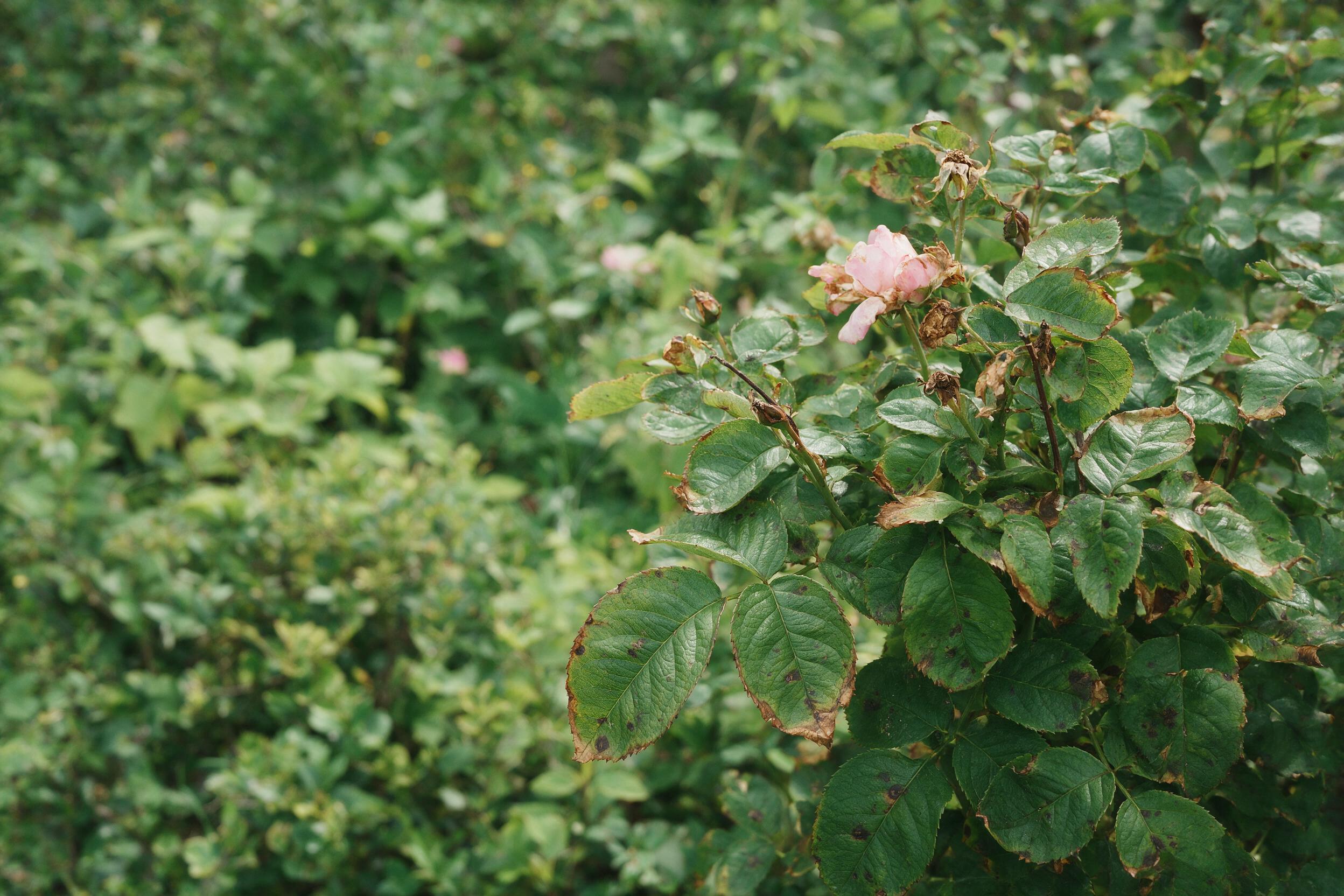
Few things are more frustrating than watching the lush, green foliage on your rose bushes slowly go brown. You water them, you feed them, you give them sunlight — and still the leaves look scorched, spotted, or crispy around the edges. The good news is that browning leaves on roses almost always trace back to a handful of identifiable causes, and most of them are fixable once you know what you’re looking at.
Whether your roses are garden classics like hybrid teas, low-maintenance shrub types, or climbing varieties trained along a fence, the same core issues tend to show up across the board. This guide walks you through every major reason rose leaves turn brown, how to tell them apart, and exactly what to do about each one.
What Does It Mean When Your Rose Leaves Are Turning Brown?
Brown leaves on a rose are a stress signal, not a death sentence. Brown leaves are a symptom, not a sentence — regular hydration, pruning, and proper feeding can stabilize nutrient flow and keep foliage healthy. Your rose is telling you that something in its environment or care routine has shifted, and it needs your attention.
The location and pattern of the browning are your first clues. The difference between causes often comes down to spot shape — round spots with feathery edges point to one fungus, smaller spots with smooth purple borders point to a different one, and angular, vein-trapped spots point to a third. Browning along the outer leaf margins typically points to something environmental, while spotty or blotchy browning across the leaf surface is more likely disease-related.
Causes are varied and can stem from environmental problems, chemical toxicities, mineral deficiencies, and fungal or viral pathogens. A plant responds to these conditions with symptoms that include wilting, spotting, color irregularities, or misshapen leaves. Pests leave telltale signs of their presence with damage such as distorted leaves, webbing, and holes. Taking a few minutes to observe the full picture before reaching for any product will save you time and help your roses recover faster.
Is Browning in Rose Leaves Always a Sign of a Problem?
Not always — and this surprises a lot of gardeners. Some rose bushes have leaves that turn a dark reddish brown at the edges once they have matured. This is not a problem of any kind — the darkening edges are natural to the growth of the rose bush and may actually be something the rose breeder was trying to achieve.
New growth on roses often emerges with a reddish or bronzy tint before greening up, which can look alarming if you’re not expecting it. Normal new growth on roses may be reddish in color and mistaken for rose rosette disease. Similarly, older leaves at the base of the plant may yellow and brown as the plant naturally sheds them to redirect energy upward.
The key question to ask is whether the browning is spreading, affecting young leaves, or accompanied by other symptoms like spots, webbing, or wilting. If the answer is yes to any of those, you’re likely dealing with a real problem worth addressing. If the browning is confined to mature leaf margins on an otherwise healthy, blooming plant, it may simply be a natural trait of that particular variety.
Pro Tip: Before diagnosing a problem, check whether the browning pattern matches your rose variety’s natural foliage characteristics. Look up your specific cultivar online or at a local nursery to confirm what “normal” looks like for that rose.
Watering Issues Causing Rose Leaves to Turn Brown
Watering problems — both too much and too little — are among the most common reasons rose leaves go brown, and they can look deceptively similar. Getting this diagnosis right is worth the extra attention.
Underwatering
When a rose plant is underwatered, it struggles to take up enough water and nutrients from the soil. As a result, the leaves may start to curl and turn yellow or brown, starting from the edges and spreading inward. The lack of water also affects the plant’s ability to photosynthesize effectively, causing the leaves to become dry, brittle, and prone to breakage.
The leaves of underwatered plants often have dry, crispy edges or tips. If the soil around your rose feels bone dry an inch below the surface, underwatering is almost certainly the culprit. To address this issue, establish a consistent watering routine for your roses. Check the moisture level of the soil regularly by sticking your finger about an inch deep into the soil — if it feels dry, it’s a sign that your roses need watering.
Overwatering
When rose plants are overwatered, their roots become saturated, depriving them of much-needed oxygen. This lack of oxygen hampers the root system’s ability to function properly, resulting in poor nutrient absorption and weakened overall plant health. One of the first signs of overwatering is the appearance of yellowing leaves, which later progress to browning. These brown spots may start at the tips or edges of the leaves and gradually spread throughout the foliage.
Overwatered plant leaves often feel soft and limp to the touch, unlike the crisp texture of underwatered plants. If you’re unsure which camp you’re in, check the soil. Wet, soggy soil that stays damp for days at a time points to overwatering. Water deeply but less frequently, allowing the soil to dry out slightly between waterings. This helps promote a healthy root system and prevents the accumulation of excess moisture.
Roses growing in clay-heavy soils common across parts of the Midwest and Southeast U.S. are especially prone to overwatering issues because drainage is poor. In very clay soils, consider growing your roses in raised beds to give their roots the drainage they need.
Pro Tip: Water roses at the base of the plant, not overhead, and aim for early morning. This reduces moisture on foliage and lowers the risk of fungal disease, which thrives in wet conditions.
Light Conditions Behind Rose Leaves Turning Brown
Light is one of the most overlooked factors when gardeners try to diagnose brown rose leaves. Both too much intense sun and too little light can push foliage toward browning, though the patterns look different.
Hot, dry air dehydrates leaf margins faster than roots can replace moisture, leaving burnt tips or patches. In regions like the American Southwest, the Deep South, or anywhere summer temperatures regularly push past 90°F, afternoon sun scorch is a real and common problem. Heatwaves and high summer temperatures can lead to dehydration and sun scorch — look for brown, crispy patches on the foliage and exposed bud tips. Water deeply and infrequently at the base of the plant, preferably in the early mornings.
On the flip side, roses planted in spots with too little direct sun — under a dense tree canopy, for example — may develop weak, pale foliage that eventually browns. Roses generally need at least six hours of direct sunlight per day to thrive. If your plant is in a low-light situation and also struggling with browning, consider whether repositioning it is an option. You might also find our guide on best houseplants for low-light areas helpful if you’re looking for alternatives to fill a shady spot.
Drought and high heat are among the most common issues that may cause brown spots on roses. During this time, the plants may drop old leaves in order to direct energy towards supporting new growth. Providing afternoon shade during the hottest weeks of summer — using a shade cloth or a nearby taller plant — can make a significant difference in hot-climate gardens.
Soil, Nutrients, and Root Health Causing Rose Leaves to Turn Brown
What’s happening underground is just as important as what you can see above it. Soil chemistry, pH, and root health all directly affect the color and condition of rose foliage.
Nutrient Deficiencies and Imbalances
Roses need the primary nutrients nitrogen (N), phosphorus (P), and potassium (K). They also require three secondary elements — calcium, magnesium, and sulfur — and trace amounts of micronutrients including boron, chlorine, copper, iron, manganese, molybdenum, nickel, and zinc. A shortfall in any of these can show up as leaf discoloration.
Low potassium or calcium weakens leaf tissue, often producing brown margins. Deficiencies of an individual nutrient can result either when there is an inadequate amount of a specific nutrient in the soil or when it is unavailable to the plant due to an incorrect soil pH. The ideal pH for roses is 6.5. According to the University of Maryland Extension , soil pH affects the availability of nutrients to plants, and roses grow best in slightly acidic soil with a pH between 6.0 and 6.5.
Fertilizer Burn and Salt Buildup
Fertilizer burn or pesticide toxicity can show up as brown or burnt leaf tips or leaf edges, or blotches on the entire leaf surface. Nutrient toxicity — the accumulation of soluble salts in the soil — is common in the rose garden especially with constant use of synthetic fertilizers. In addition to tip and marginal browning of leaves, it can stunt plant growth by interfering with water availability in the root zone.
According to the American Rose Society , salts must be leached from the soil by deep watering, and you should always follow fertilizer and pesticide label directions — do not over-fertilize and water your roses before and after you apply fertilizer. A simple soil test, available through most U.S. Cooperative Extension offices, takes the guesswork out of fertilizing. Fertilize roses only if a soil test indicates a nutrient deficiency and adjust soil pH if recommended by the soil testing lab.
Explore our guide on types of plants if you’re thinking about diversifying your garden with species that are naturally less nutrient-demanding.
Root Rot
The most severe consequence of overwatering is root rot, characterized by a foul smell and black, mushy roots. It’s often discovered too late, so prevention is key. If your rose is wilting despite regular watering and the soil stays wet, pull back the mulch and check the base of the plant for dark, soft tissue. Improving drainage and reducing watering frequency are the first steps to recovery.
Environmental Stress Triggering Rose Leaves to Turn Brown
Even well-fed, properly watered roses can develop brown leaves when the environment turns against them. Several external stressors are worth knowing about, especially if you garden in regions with temperature extremes or strong seasonal shifts.
- Heatwaves: High summer temperatures can lead to dehydration and sun scorch. Look for brown, crispy patches on the foliage and exposed bud tips.
- Cold snaps and frost: Late cold snaps can damage new growth. Look for blackened wood and prune back to a healthy bud.
- Strong winds: Strong winds cause tattered leaves and desiccated buds. Consider staking your roses or creating a temporary windbreak structure.
- Transplant shock: If you see petals suddenly drooping after moving or repotting your roses, they may be suffering from transplant shock. Provide temporary afternoon shade and steady moisture, and they should bounce back.
- Winter protection: Protect roses from frost and mulch around the base during winter months.
Salt damage is another environmental stressor that’s easy to overlook. Salt burn symptoms include the edges of the leaves turning brown. This common problem is caused by a buildup of salts in the soil and subsequently in the plant tissue. This is especially relevant for gardeners near roads that are salted in winter, or in areas with naturally saline soils. Deep, thorough watering helps flush excess salts out of the root zone.
Pro Tip: Applying a 2–3 inch layer of organic mulch around the base of your rose bush moderates soil temperature, retains moisture, and reduces the thermal stress that leads to summer leaf scorch — one of the most common environmental triggers in the U.S.
Pests and Disease Leading to Rose Leaves Turning Brown
Fungal diseases and insect pests are responsible for a large share of brown-leaf complaints in American rose gardens. The good news is that most are recognizable once you know what to look for.
Common Fungal Diseases
Fungal attacks can cause the edges of rose leaves to turn brown, but usually the brown edges are not the only sign of the attack. Most fungal attacks leave their mark on the overall leaf or leaves as well. Here are the most common ones:
- Black Spot: Black spot-infected leaves are distinctive because the spots have feathery margins on the upper side of leaves. The affected leaves must be bagged up and removed from the trash.
- Downy Mildew: According to Ask Extension , downy mildew is caused by the fungus Peronospora sparsa. Contrary to its name, it really doesn’t look “downy” on roses. Symptoms on leaves vary from yellow, purple to brown irregularly shaped interveinal blotches surrounded by a yellowing of the leaves to a scorch-like burn. Downy mildew can defoliate a rose bush within a few days.
- Rose Rust: Rust symptoms include yellow to reddish brown lesions on the upper leaf surfaces and orange rust pustules containing powdery spores on the lower surfaces. Pustules may also develop on rose stems.
- Botrytis Blight: Flowers may have irregular flecks and brown spots, and older flowers tend to rot quickly. Soft, brown spots appear on leaves, stems, and flowers following periods of low temperatures and wet conditions. Affected parts of roses may be covered with a gray mold, and buds fail to open.
- Anthracnose: Anthracnose has red, brown, or purple spots that darken with age. According to the Missouri Botanical Garden , spots caused by black spot are fuzzy around the edges, then turn yellow and brown, while spots caused by anthracnose are smooth edged and the centers turn grey and drop out.
The best method for treating brown edges on rose leaves due to fungus is to not let the fungi get going in the first place. Maintaining a good fungicide spraying program will go a long way to keeping them at bay. According to the University of Minnesota Extension , powdery mildew is one of the most visually recognizable diseases, producing a white coating on leaves and stems that often worsens in mid to late summer.
Common Insect Pests
One common culprit is aphids, tiny sap-sucking insects that can quickly multiply and weaken the rose plant. They typically cluster on the undersides of leaves, causing them to curl and turn brown. A strong spray of water from a garden hose can knock aphid colonies off leaves, and you can also try spraying a mixture of water and dish soap onto the affected areas, or introducing natural predators like ladybugs to your garden.
The two-spotted spider mite is smaller than the head of a pin. They tend to feed on the underside of the leaves, removing chlorophyll and causing leaves to have a “bronzed” and/or stippled appearance. Silken webbing may be present on the underside of the leaf. Heavily infested leaves turn brown, curl, and drop off.
Thrips have rasping mouthparts that cause silver streaks and browning on rose leaves. In severe infestations, the leaves may even become distorted. To control thrips, you can use insecticidal soap or neem oil, making sure to thoroughly coat the leaves and stems.
If you use a plant identification app to help confirm pest damage, check out our roundup of the best iPhone apps for identifying plants or the best Android apps for identifying plants for handy tools that can help you put a name to what you’re seeing.
How to Diagnose Why Your Rose Leaves Are Turning Brown
Accurate diagnosis saves you from applying the wrong treatment. Brown spots on roses trigger a predictable response: grab the fungicide and spray. Two of the six common causes respond to that. The other four don’t respond at all — including the single most common misdiagnosis, heat scorch — and spraying a plant that’s actually drought-stressed or fertilizer-burned wastes your time and leaves the real problem untreated.
Work through this diagnostic checklist before taking action:
- Check the pattern: Are the edges brown and crispy (environmental/watering) or are there distinct spots or blotches (disease/pests)?
- Check the soil: Is it bone dry (underwatering) or soggy and compacted (overwatering/drainage)?
- Check the undersides of leaves: Check the undersides of the leaves for spores, webbing, or tiny insects. Spider mites and rust spores are found there first.
- Check recent care history: Take note of which leaves are affected (old or new), check for soil moisture, and record any recent feedings. Over-fertilizing recently? That could explain brown tips.
- Check the weather: Has there been a heatwave, late frost, or extended dry spell? Environmental stress often follows weather events by a few days.
- Run a soil test: A simple soil test will tell you exactly what your roses need. Things to look for include high pH (above 7.5 may indicate iron deficiency), low organic matter (a common cause of nutrient imbalance), and salt buildup (a sign of overfertilization).
| Browning Pattern | Most Likely Cause | Key Confirming Sign |
|---|---|---|
| Crispy brown edges, spreading inward | Underwatering or heat scorch | Dry soil, hot weather |
| Soft, yellow-brown edges or whole-leaf yellowing | Overwatering or root rot | Soggy soil, mushy roots, foul smell |
| Round spots with feathery edges and yellow halos | Black spot (fungal) | Spots on upper leaf surface, leaf drop |
| Brown blotches between leaf veins | Downy mildew | Purple/brown lesions, spores on undersides |
| Stippled, bronzed leaves with fine webbing | Spider mites | Webbing on leaf undersides |
| Brown leaf tips with green centers | Fertilizer burn / salt buildup | Recent heavy feeding, no other symptoms |
| Orange pustules on undersides, brown on top | Rose rust (fungal) | Powdery orange spores on leaf undersides |
How to Fix a Rose That Is Turning Brown
Once you’ve identified the cause, here’s how to address each one effectively:
Fix Watering Problems
For underwatered roses, water deeply and thoroughly at the base of the plant, saturating the root zone. Deep watering is recommended, as it encourages the roots to grow deeper into the soil, making them more resilient to drought conditions. When watering, ensure that the water reaches the root zone of the plant. For overwatered roses, stop watering immediately, improve drainage by amending the soil, and allow the root zone to dry out before resuming a reduced schedule.
Fix Fungal Disease
For black spot and anthracnose, remove infected leaves, avoid overhead watering, and apply a fungicide from the same active ingredient list — chlorothalonil and myclobutanil are both effective options. Prune out affected parts at first appearance. For rust, avoid overhead watering and dispose of all rust-affected leaves on the plants and those that have fallen off.
Fix Pest Infestations
For spider mites, a high-pressure spray of water will remove mildew spores and mites that haven’t embedded themselves into the leaf — do this early in the day to prevent water-initiated rust and black spot. Follow up with neem oil or insecticidal soap for persistent infestations, coating both the tops and undersides of leaves thoroughly.
Fix Nutrient and Soil Issues
To best determine the problem, many growers opt to test their garden soil. Once you have results, amend accordingly. If your soil tests too alkaline, sulphur or aluminum sulphate can be used to add acidity. The most common way to raise the pH is to add pulverized limestone to the soil. For salt buildup, flush the soil with deep, slow watering over several hours to leach excess minerals out of the root zone.
Fix Environmental Stress
Space plants so air can move freely through foliage. This reduces humidity and fungal development that darkens leaf edges. Add a 2–3 inch layer of organic mulch around the base to moderate soil temperature and retain moisture during heat events. For cold-damaged growth, wait until the frost risk has passed and then prune back to healthy tissue.
Pro Tip: After pruning away brown or diseased leaves, always disinfect your pruning shears with rubbing alcohol or a dilute bleach solution between cuts. This prevents spreading fungal spores from one branch to another.
How to Prevent Rose Leaves From Turning Brown Going Forward
Prevention is far easier than treating an established problem. Building good habits into your regular rose care routine keeps browning at bay through every season.
- Water correctly: Dry soil or irregular watering causes leaf edges to crisp and brown. Roses prefer deep, even moisture — not frequent surface splashes. Aim for one deep watering session per week during the growing season, adjusting for rainfall.
- Monitor weekly: Regular monitoring is key to maintaining healthy roses. Early detection of issues leads to better recovery and helps sustain overall plant health and vigor.
- Choose disease-resistant varieties: Buying disease-resistant rose bushes does help — just remember they are “disease-resistant,” not disease-free. Varieties labeled as resistant to black spot and powdery mildew are widely available at U.S. garden centers.
- Fertilize with care: Fertilizer should not be applied to roses after early August in most U.S. growing zones, as late feeding pushes tender new growth that can be damaged by the first frost.
- Maintain good airflow: Crowded plantings trap humidity and create the perfect conditions for fungal disease. Space your roses according to the mature size on the plant tag and prune out crossing branches annually.
- Refresh mulch seasonally: Remove old mulch and replace it with a fresh layer of mulch in the spring to minimize problems with overwintering pests and pathogens.
- Keep the garden clean: Diseased foliage, flowers, and stems should be removed from the planting site and composted — or bagged and discarded if the disease is severe. Never leave infected debris on the ground over winter.
If you’re building out a mixed garden bed, pairing roses with the right companion plants can improve airflow and even deter some common pests. Our guide on plants to grow together covers companion planting principles that apply broadly across the garden. For drought-prone regions, you might also consider supplementing with drought-tolerant plants that require less intensive watering management nearby.
Keeping a simple garden journal — noting when you water, feed, and observe symptoms — makes it much easier to spot patterns and catch problems before they escalate. The types of leaves guide on this site is also a helpful reference for understanding normal vs. abnormal leaf appearance across a wide range of plants.
Frequently Asked Questions
Why are just the tips of my rose leaves turning brown?
Brown tips that are dry and crispy, with the rest of the leaf still green, almost always point to fertilizer burn, salt buildup, or mild underwatering. Fertilizer burn or pesticide toxicity can show up as brown or burnt leaf tips or leaf edges. Nutrient toxicity — the accumulation of soluble salts in the soil — is common in the rose garden especially with constant use of synthetic fertilizers. Flush the soil with deep watering and hold off on feeding for several weeks.
Can brown rose leaves recover and turn green again?
Once a leaf has turned brown, that tissue will not turn green again. However, once the underlying cause is corrected, your rose will produce new, healthy green growth. Once trimmed and fed correctly, new shoots replace damaged leaves quickly. Remove the brown leaves to tidy the plant and direct its energy toward fresh growth.
Why are my rose leaves turning brown after rain?
Prolonged wet weather creates ideal conditions for fungal diseases. Cool temperatures, high humidity, and leaf wetness are favorable for downy mildew and similar diseases. If brown spots appear after a rainy stretch, inspect the leaf undersides for spores and apply a preventive fungicide if needed. Improve airflow around the plant to help foliage dry faster after rain.
Should I remove brown leaves from my rose bush?
Yes, in most cases. Removing brown and diseased leaves reduces the spread of fungal spores and helps the plant redirect energy to healthy growth. Remove any leaves or stems that are more than half brown. This prevents fungal spread and allows new shoots to grow cleanly. Always dispose of diseased material in the trash rather than the compost pile.
Why are my rose leaves turning brown in summer specifically?
Drought and high heat are among the most common issues that cause brown spots on roses. Summer browning is often a combination of heat scorch, increased water demand, and higher fungal disease pressure from warm, humid nights. Increase watering frequency during heat waves, apply mulch, and check for spider mites, which thrive in hot, dry conditions. You can also explore our guide on deer-tolerant plants if summer pest pressure from wildlife is also a concern in your garden.
Is rose rosette disease causing my brown leaves?
Rose rosette disease is a virus transmitted by the feeding of microscopic rose leaf curl mites. Symptoms include abnormally thin leaves, a proliferation or clustering of stems (“witch’s broom”), excessive thorniness, reddening of stems, distorted flower buds, and stunted growth. Flowering is reduced and flowers may be aborted from the plant. If you see these symptoms together — especially the witch’s broom growth pattern — rose rosette is a strong possibility, and the affected plant should be removed and disposed of to prevent spread.