Why Are My African Violet Leaves Turning Yellow? Causes and Fixes

September 16, 2026
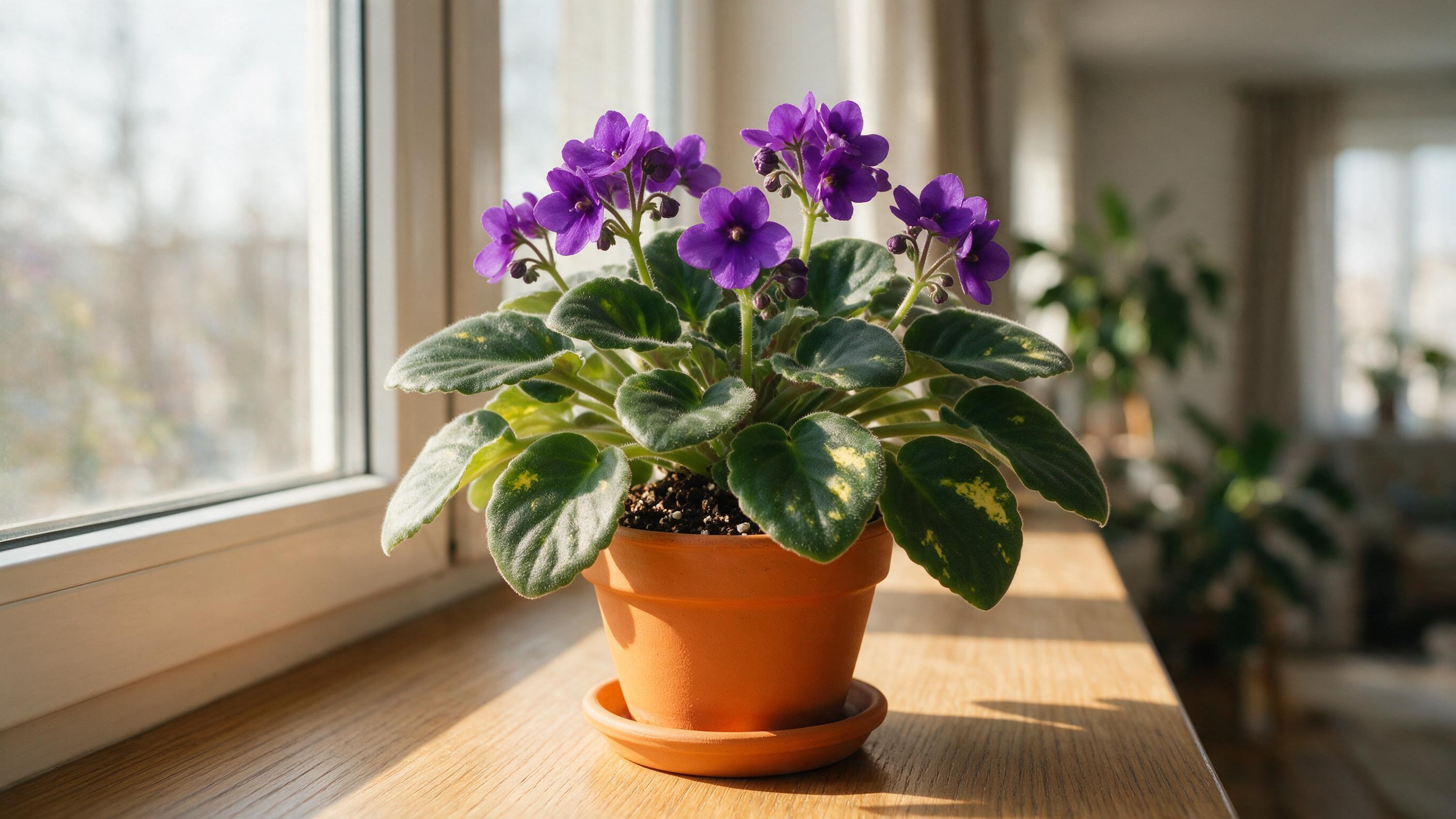
You spot a few yellow leaves on your African violet and immediately wonder what went wrong. The good news is that yellow leaves do not always mean your plant is in serious trouble — but they do mean it is time to pay attention.
African violets (Saintpaulia ionantha) are popular houseplants across the United States, loved for their compact size, velvety foliage, and cheerful blooms. They are generally easy to care for, but they do have a few specific preferences around water, light, and soil that, when ignored, show up quickly as discolored leaves.
This guide walks you through every reason your African violet leaves might be turning yellow, how to figure out which one is causing the problem, and exactly what to do about it — so your plant can get back to looking its best.
What Does It Mean When Your African Violet Leaves Are Turning Yellow?
When African violet leaves are yellow, the plant is signaling that it has either a shortage or excess of something. That “something” could be water, light, nutrients, temperature, or a pest or disease. The challenge is that several different problems can produce similar-looking yellowing, so you need to look at the whole picture — which leaves are affected, where on the plant they are, and what your care routine looks like.
Knowing how to take care of yellowing African violets can minimize the effect, but lower leaf yellowing is a natural part of the growth process and not a cause for worry. African violet leaves usually only live for about a year, and it is a common trait for the older leaves to fade and turn yellow before they die and drop off, leaving room for new foliage.
However, if newer leaves begin to turn yellow, your African violet is telling you there is something wrong. There may be a problem with watering, sunlight, nutrients, or soil — problems you want to correct as soon as possible to keep your African violet healthy.
Is Yellowing in African Violets Always a Sign of a Problem?
Not always. Sometimes yellow leaves are simply part of the natural lifecycle of the plant. Each leaf on an African violet will live about a year. As it nears the end of its life cycle, your plant will stop sending nutrients in its direction; instead, it saves that energy for higher-functioning foliage.
African violets grow from the crown outward, so if you notice the leaves closest to the surface turning yellow, they are probably on their way out. Feel free to trim them. This kind of gradual, outward yellowing on the oldest leaves is nothing to stress over.
The situation becomes a problem when yellow leaves appear on newer growth, spread across multiple leaf tiers, or are accompanied by other symptoms like wilting, spots, or stunted growth. In those cases, something in the plant’s environment or care routine needs to change.
Pro Tip: Before diagnosing a problem, check which leaves are yellowing. Outer, older leaves yellowing slowly is natural aging. Yellowing on newer inner leaves or across the whole plant points to a care issue worth investigating.
Watering Issues Causing African Violet Leaf Yellowing
Overwatering is one of the most common causes of yellow leaves in African violets. When the soil is constantly wet, the roots can become waterlogged and deprived of oxygen. This can lead to root rot, which can cause the leaves to turn yellow.
Underwatering can also cause yellow leaves in African violets. When the soil is too dry, the plant will start to wilt and the leaves will turn yellow. In extreme cases, the leaves may even fall off.
Water temperature is another factor that catches many growers off guard. You should avoid using water that is very hot or very cold on your African violets. The drastic change in temperature can harm the leaf cells, causing yellow spots to develop. Water from the tap should work fine, but if it is significantly warmer or colder than room temperature, give the water a little time to come to room temperature before using it to water your African violet.
Getting water directly on the leaves is also a problem. African violets sometimes get yellow spots on their leaves when water gets on them. This discoloration does not harm the African violets, but you will still want to avoid getting water on the leaves. Allowing moisture to remain on the top of the plant can lead to crown rot. You will keep your plant looking better and make it less susceptible to damage if you keep water away from the leaves.
The best watering approach is to water from the bottom. To bottom water, fill up a tray or other container an inch deep or so with water. Then place your African violet in the water for 20 minutes to allow the plant to absorb water. After 20 minutes, remove the plant from the water. You will still need to water from the top every few months to help flush out any built-up salt in the soil.
Pro Tip: Check the soil before every watering session. African violets prefer evenly moist soil, but they are sensitive to overwatering. Water when the top inch of soil feels dry, and always use room temperature water to avoid shocking the roots.
Light Conditions Behind African Violet Leaf Yellowing
Finding the perfect amount of light for African violets can be tricky. Too much and the leaves turn yellow; too little, and the same can happen. Both extremes produce yellowing, but the appearance differs — which makes light one of the easier causes to diagnose once you know what to look for.
When African violets are exposed to too much direct sun, it can cause burning on the leaves that turns them yellow. These houseplants need bright, indirect light, and are ideally placed near a south-, west-, or east-facing window. Before you know it, most of the leaves can turn yellow or tan and appear dry where the most intense sun hits them.
Too little light produces a different pattern. In the case of too little light, you will not see dry patches or discolored areas; the leaves will be pale and wan all over. Plants that are grown further inside the home or office under unnatural lighting will turn yellow on the edges. This is a signal that the plant is not getting sufficient light. Leaves will recover if you move the plant to a brighter location in indirect light.
African violets need at least 8 hours of bright indirect sunlight each day. Anywhere between 10 and 16 hours of light per day is ideal, with an additional 8 hours of darkness. If your home does not have a suitable window, you can use supplemental grow lights. Place the lights 10 to 30 inches away from the African violets and leave them on for six to 12 hours a day, depending on how much natural light the houseplant is receiving.
If you grow other houseplants and are looking for low-light options that might be better suited to darker corners of your home, check out this guide to the best houseplants for low-light areas — African violets are not among them.
Soil, Nutrients, and Root Health Causing African Violet Leaf Yellowing
What your African violet is planted in matters just as much as how you water it. Improper soil can cause the leaves on an African violet to turn yellow. African violets cannot grow in regular indoor potting soil, as the mix is too heavy and does not provide the environment the plant needs. You need to use a soil mix designed for African violets. Regular potting mix for indoor plants is too heavy and holds too much water, which keeps African violet roots from accessing the necessary air and nutrients.
Old soil is also a problem. Leaving African violets in the same soil for years without repotting can be problematic. Over time the soil degrades, making it difficult for African violets to get the water or nutrients they need. Make sure you have the correct type of soil and remember to repot on a regular basis to keep your African violets healthy. According to Gardening Know How, it is necessary to repot your plant at least every two years. The soil will gradually lose its nutrient content and texture, making it difficult for the plant to uptake water and food.
Nutrient deficiency is another common culprit. If you notice your African violet beginning to turn yellow around the edges of the leaves or between the veins on the leaves, a nutrient deficiency could be the problem. The most common cause of this issue is a lack of magnesium; however, it is also possible that a lack of iron or zinc is the problem. Either way, you will want to be sure that you are fertilizing your African violet to correct the imbalance.
Typically, it is the older, lower leaves that will change color due to nutrient deficiency. If all of the foliage is discolored, look to other causes before nutrient deficiency. Nitrogen and phosphorus deficiencies are the most common, but a lack of any of the essential nutrients can result in yellowing leaves.
To address a nutrient deficiency, first begin by repotting the African violet in new soil. Sometimes a nutrient imbalance occurs because substances built up in the previous soil that prevented the plant from accessing all the nutrients it needed. Thoroughly water the plant after repotting to help wash out any substance that might still be on the roots. Wait a week to allow the African violet to adjust, and then begin fertilizing your African violet to make sure it gets the nutrients it needs.
On the fertilizing schedule, use a food prepared for African violets and dilute it according to the directions. Fertilize once per month in the growing season. To prevent over-fertilizing, drench the soil four times per year to remove excess salts. Also, to prevent the buildup of fertilizer salts that can lead to yellow leaves, flush the soil with water quarterly.
Pro Tip: If you are not sure whether your soil mix is right for African violets, look for a bag labeled specifically for African violets or mix your own using peat moss, perlite, and vermiculite. An airy mix, like sphagnum peat moss with vermiculite, is ideal for a happy, healthy violet.
Environmental Stress Triggering African Violet Leaf Yellowing
Temperature swings and drafts are a common source of stress for African violets grown indoors, especially in homes with central air conditioning or heating — both of which are standard in most American households.
African violets prefer a temperature range of 65–75°F (18–24°C). If the temperature drops below or rises above this range, it can cause the leaves to yellow. If you think cold air is the culprit, rescue your African violet from that drafty hallway or chilly great room and transport it somewhere more pleasant. Your plant will be happiest in a space with a steady temperature of 68–70°F.
Humidity also plays a role. Maintaining appropriate humidity levels is important. African violets prefer high humidity, but excessive moisture can lead to fungal growth. Aim to keep the humidity level between 40% and 60%, which can be achieved by using a humidifier or placing a tray of water near the plant.
Sudden changes in environment — like moving the plant from a garden center to your home, or shifting it from one room to another — can also trigger temporary yellowing as the plant adjusts. Introduce any location change gradually over a week or two rather than moving the plant all at once.
| Environmental Factor | Ideal Range | Yellowing Risk If Outside Range |
|---|---|---|
| Temperature | 65–75°F (18–24°C) | High — cold drafts and heat sources both cause stress |
| Humidity | 40–60% | Moderate — too low dries leaves; too high encourages fungal issues |
| Light (daily hours) | 8–16 hours indirect | High — too little causes pale yellowing; too much causes scorched spots |
| Water temperature | Room temperature | Moderate — cold or hot water shocks leaf cells, causing yellow spots |
Pests and Disease Leading to African Violet Leaf Yellowing
When care conditions seem fine but yellowing persists, pests and disease move to the top of the suspect list. Several common houseplant pests and fungal issues can cause or contribute to yellow leaves on African violets.
Spider Mites
Spider mites are almost invisible to the naked eye, but their damage is easy to see. Look for tiny webs and stippled, yellowing leaves. These pests thrive in dry conditions and can quickly become a problem if not addressed. Treat a spider mite infestation by rinsing the plant gently and applying neem oil or insecticidal soap.
Cyclamen Mites
Cyclamen mites are one of the most serious pests of African violets. They are extremely small (approximately 1/100 inch long) and cannot be seen with the naked eye. Typically, damage to plants is the first indication of their presence. They feed on new growth, and symptoms may include severe stunting of leaves in the center of the plant, sometimes with leaf curling. According to Clemson University’s Home and Garden Information Center, mites feed by sucking sap from the plant. During feeding, they inject a toxic chemical that disrupts normal growth patterns. With heavy infestations, leaf and flower buds may die.
Mealybugs
Mealybugs look like small balls of cotton on your African violet’s leaves and stems. They feed on plant sap, weakening the plant and leaving behind a sticky residue known as honeydew, which can encourage sooty mold. Remove them manually with a cotton swab dipped in rubbing alcohol, or treat heavier infestations with insecticidal soap.
Botrytis Blight
Botrytis blight is caused by the fungi Botrytis cinerea. The first signs you will notice are gray blooms and a lack of growth at the crown. As the disease spreads, it will cause the leaves to have fuzzy gray and brown spots. If left untreated, you may notice that your African violet seems to “melt” as the plant begins to wilt.
As soon as you notice symptoms, isolate any affected plants and remove any leaves or blooms with spots. Sterilize your tools between cuts. Afterward, apply a fungicide to keep the disease from returning. If you act quickly, you may be able to save your African violet.
Powdery Mildew
The first sign of powdery mildew on African violets is the appearance of a light powder that seems to cover the leaves and flowers. There may also be discoloration in the blooms. As the powdery mildew progresses, the blooms will fall off and the plant’s growth will halt. Powdery mildew is a fungus that pops up when African violets do not have adequate air circulation in a humid environment.
To treat it, first isolate the affected plants to prevent the mildew from spreading. Try treating the plants with a homemade mix to begin with. Mix one tablespoon of baking soda with one gallon of water, and coat the infected plant with the mixture. If that does not work, then you may have to use a fungicide made to treat powdery mildew.
Foliar Nematodes
If you look on the underside of your African violet’s leaves, there will be shiny brown and yellow spots appearing between the veins on plants infected with nematodes. Foliar nematodes are tiny worms you cannot see with the naked eye, which enter African violets through wounds or through the stomata. Prevent nematode infections by isolating new plants before bringing them into the same area as other plants. Always use pasteurized soil when repotting plants and disinfect pots before reusing.
If you use a plant identification app to help spot early signs of pest damage, this list of the best iPhone apps for identifying plants and the best Android apps for identifying plants can help you get a quick diagnosis.
How to Diagnose Why Your African Violet Leaves Are Turning Yellow
A systematic look at your plant and its environment will usually point you to the right cause. Work through these steps before jumping to a solution.
- Check which leaves are yellowing. If the lower leaves are turning yellow, it could be due to overwatering or underwatering. If the upper leaves are turning yellow, it may be due to too much or too little light.
- Inspect the soil. Push your finger an inch into the soil. If it is soggy, overwatering is likely the problem. If it is bone dry and pulling away from the pot edges, underwatering is the issue.
- Look at the yellowing pattern. Yellowing around leaf edges or between veins often points to nutrient deficiency. Pale, wan yellowing across the whole plant suggests insufficient light. Yellow or tan dry patches in direct sun areas signal sunburn.
- Check for pests. Use a magnifying glass to inspect both sides of the leaves, the leaf axils, and the crown. Look for webs (spider mites), cottony masses (mealybugs), or the tiny stippled damage of cyclamen mites.
- Review your watering method. Yellow or white ring and line patterns on African violet leaves can be caused by contact with cold water. Keep the leaves dry when watering to avoid this problem.
- Assess the environment. Is the plant near a heating or air conditioning vent? Near a drafty window in winter? Temperature extremes and sudden air movement are common overlooked triggers.
Key Insight: Yellowing leaves can result from overwatering, underwatering, nutrient deficiencies, or environmental stressors. Evaluate your watering habits, nutrient levels, and growing conditions to determine the cause.
How to Fix an African Violet That Is Turning Yellow
Once you have identified the cause, the fix is usually straightforward. Here is a breakdown of the most effective solutions by cause.
Fix Overwatering and Root Rot
Remove the plant from its pot and inspect the roots. Healthy roots are white or light tan and firm. Rotted roots are brown, mushy, and may smell unpleasant. Trim away any rotted roots with sterilized scissors, let the roots air dry for an hour, then repot in fresh African violet mix with good drainage. Hold off on watering for a few days to let the plant stabilize.
Fix Underwatering
Set the plant in a tray of room-temperature water and allow it to take up as much water as it needs through the holes in the bottom of its pot. Bottom water going forward, checking water levels every few days.
Fix Light Problems
If your plant receives direct sunlight and the leaves are turning yellow, simply move your plant to a place with less light intensity. South and west-facing windows that receive direct afternoon sun may be too bright. For a plant that is not getting enough light, move it closer to a window with bright indirect light or add a grow light positioned 10 to 30 inches above the plant.
Fix Nutrient Deficiency
To fix a nutrient deficiency, grab a mild, all-purpose food, dilute it to about a quarter strength, and feed the soil. Every time you water after that, do so with fertilizer diluted to one-eighth strength. If the deficiency is severe, repot in fresh soil first before beginning a fertilizing routine.
Fix Water-Damaged Leaves
Unfortunately, if a leaf has been damaged by temperature-shocked water, it will not recover. Trim the affected leaves and adopt a bottom-watering practice to avoid this problem in the future.
Fix Pest Infestations
To treat a mite infestation without using a chemical treatment, you can spray neem oil on infected plants. Keep infected African violets isolated until the infestation is under control. For mealybugs, use a cotton swab dipped in rubbing alcohol for manual removal. For severe infestations of any pest, a species-appropriate insecticidal soap or miticide may be needed. You can find helpful guidance from the Clemson University Home and Garden Information Center on registered pesticides for African violet pests.
To keep cats away from your recovering plant while it heals, the tips in this guide on how to keep cats out of houseplants are worth a read.
How to Prevent African Violet Leaf Yellowing Going Forward
Prevention is far easier than treatment. Once your plant is healthy again, a consistent routine will keep yellow leaves from coming back.
- Water from the bottom consistently. Bottom watering keeps moisture off the leaves and encourages healthy root development. Flush the soil from the top every few months to prevent salt buildup.
- Use room-temperature water every time. Keep a watering can filled and sitting out so it is always at the right temperature when you need it.
- Find the right window. To ensure your African violet gets the amount of sunlight it needs, place it in a window that faces west or south. Protect your African violet from direct sunlight during the middle of the day by using blinds or a sheer curtain.
- Fertilize on a schedule. Use an African violet-specific fertilizer monthly during the growing season. Reduce feeding in winter when growth slows.
- Repot every one to two years. Fresh soil restores nutrients and prevents the compaction and salt buildup that lead to root stress and yellowing.
- Give each plant enough space. You can prevent powdery mildew by making sure there is enough space between your plants to allow for enough airflow.
- Quarantine new plants. It is a very good idea to isolate any new violets you bring home for several weeks, until you can see for sure that new growth is normal.
- Inspect regularly. Regularly inspect your African violets for signs of pests such as aphids, mealybugs, or spider mites. Keep the foliage clean and free from dust, maintain good air circulation, and consider using natural pest control methods such as neem oil or insecticidal soap.
If you enjoy growing other houseplants alongside your African violets, explore this roundup of types of plants for ideas, or browse the guide to types of spider plants for another easy-care indoor option. For houseplants that tolerate lower light conditions better than African violets, the different types of rubber plants are worth considering.
Frequently Asked Questions
Why Are Only the Bottom Leaves on My African Violet Turning Yellow?
Bottom leaves yellowing on their own is usually natural aging. Lower leaf yellowing is a natural part of the growth process and not a cause for worry. African violet leaves usually only live for about a year, and it is a common trait for the older leaves to fade and turn yellow before they die and drop off, leaving room for new foliage. You can simply pinch them off at the base.
Can Yellow African Violet Leaves Turn Green Again?
It depends on the cause. Leaves that have yellowed due to cold-water contact, sunburn, or natural aging will not recover — trim them off to direct the plant’s energy toward healthy growth. However, leaves that have yellowed due to insufficient light or early-stage nutrient deficiency can sometimes regain their green color once conditions are corrected.
How Often Should I Fertilize My African Violet to Prevent Yellowing?
Use a food prepared for African violets and dilute it according to the directions. Fertilize once per month in the growing season. To prevent over-fertilizing, drench the soil four times per year to remove excess salts.
Is It Normal for African Violet Leaves to Turn Yellow After Repotting?
Some temporary yellowing after repotting is normal as the plant adjusts to its new soil and environment. As long as it is limited to a few older leaves and new growth looks healthy within a couple of weeks, there is no cause for concern. If yellowing spreads to newer leaves after repotting, check that you used the correct soil mix and that the pot has adequate drainage.
What Is the Best Soil Mix for African Violets to Prevent Yellowing?
African violets do not like traditional potting soil. They prefer sphagnum peat moss, which you can find at most garden stores. A well-draining mix designed specifically for African violets — or a blend of peat moss, perlite, and vermiculite — gives roots the air and moisture balance they need to stay healthy and keep foliage green.
Can I Propagate Healthy Leaves from a Yellowing African Violet?
Yes, as long as the leaves you select are still green, firm, and free from pest damage or disease. African violets can be propagated from leaf cuttings. Select healthy leaves with stems attached, trim them neatly, and place them in a moist, well-draining growing medium. New plants will develop from the leaf cuttings with proper care and patience.