Why Are My Lettuce Leaves Turning Brown? Causes, Fixes, and Prevention

October 1, 2026
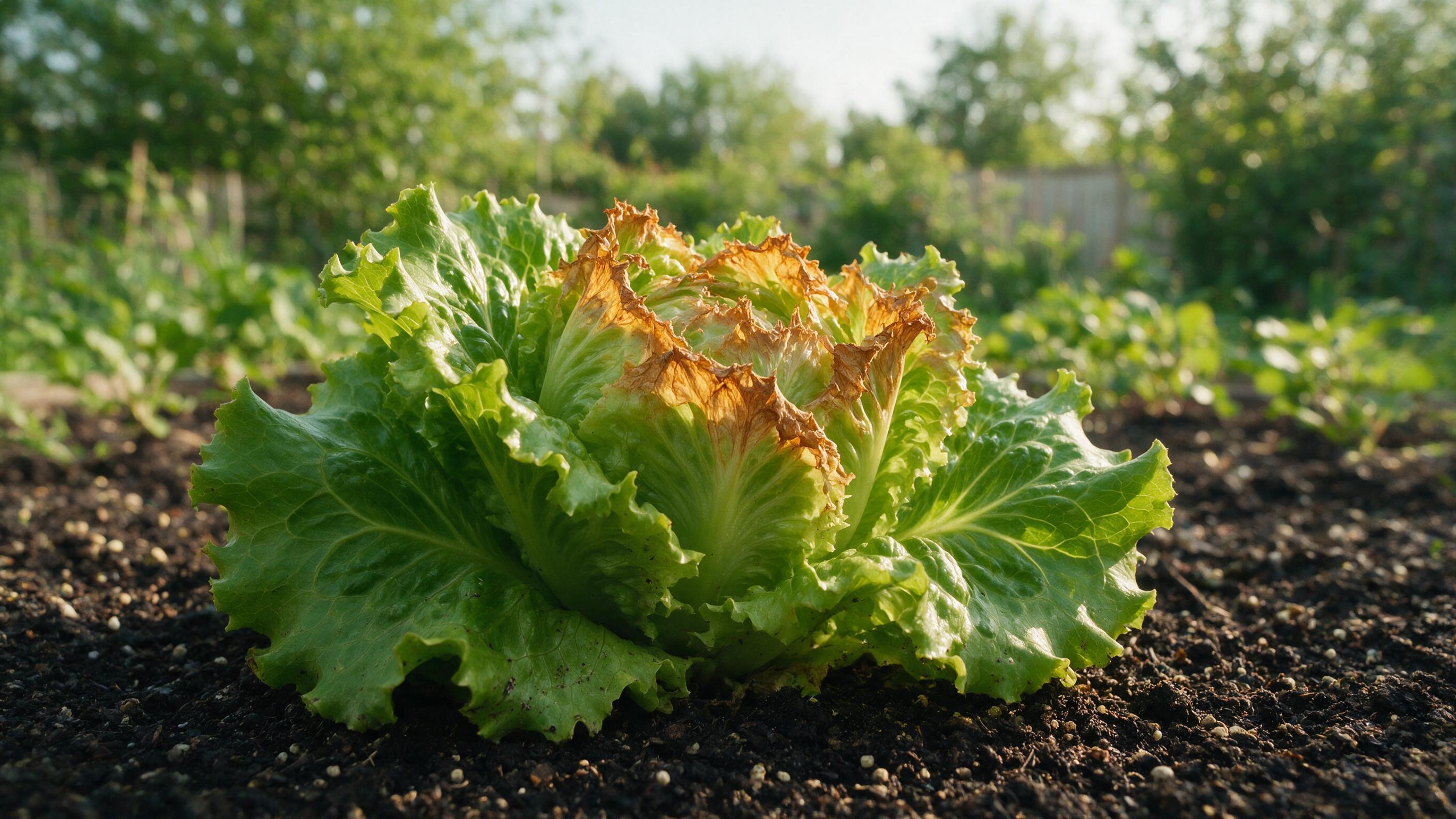
You head out to your garden, ready to snip some fresh leaves for a salad, and notice the edges or tips have gone brown and crispy — or worse, slimy and dark. It’s one of the most common frustrations for home lettuce growers across the United States, and the good news is that it’s almost always fixable once you know what you’re looking at.
Lettuce (Lactuca sativa) is a cool-season crop that’s more sensitive than it looks. Browning can come from a long list of causes — watering habits, heat, nutrient imbalances, pests, or disease — and each one leaves a slightly different clue on the leaf. This guide walks you through every major cause, how to tell them apart, and exactly what to do about each one.
What Does It Mean When Your Lettuce Leaves Are Turning Brown?
Brown lettuce leaves are your plant’s way of signaling that something in its environment is off. The browning itself isn’t a single condition — it’s a symptom with many possible causes, ranging from completely harmless to serious enough to destroy your crop.
The most well-known form is called tipburn, where the ends or edges of the leaves brown. The brown area may be confined to a few small dots at or near the leaf margin or may affect the entire edge of a leaf. But browning can also appear as scattered spots, large wet patches, or a general wilting and darkening of the whole leaf — each pattern pointing to a different root cause.
The most common reason for browning on lettuce is a chemical process known as oxidation. Enzymes activated by cutting the leaves or stems produce compounds that result in brown stains, especially at the base or anywhere the leaves are damaged during harvest and storage. When browning happens in the garden on a living plant, though, the causes are more varied and worth diagnosing carefully.
Knowing where the browning appears is your first clue. Browning at the tips and inner leaves often points to tipburn or calcium issues, while browning on outer or older leaves may simply be natural aging. Wet, slimy brown patches suggest disease or overwatering, and irregular holes with brown edges are usually pest damage.
Is Browning in Lettuce Always a Sign of a Problem?
Not always — and this is worth knowing before you panic. Some browning is completely normal and nothing to worry about.
The older, larger outer leaves of your lettuce will eventually begin to turn light brown around the edges. This is probably not tipburn, but just the process of your lettuce plant supporting older leaves less while growing inner leaves more aggressively. If you see light browning only on the outermost, oldest leaves while the center of the plant looks healthy, that’s natural leaf senescence — not a disease.
Tipburn is not harmful. In the case of commercial growers, it does reduce salability, but for the home grower, simply snip off the browning edges and consume as usual. Similarly, browning from oxidation is not a health issue and does not indicate a loss of nutrients. Still, most people find brown lettuce unappealing and will want to cut off the discolored parts.
The browning that does demand attention is rapid, spreading, wet, or slimy — especially when it appears on young inner leaves or covers large portions of the plant quickly. That’s when one of the causes below is likely at work.
Pro Tip: Before diagnosing your lettuce, check whether the browning is dry and papery or wet and mushy. Dry browning usually points to heat, calcium, or water stress. Wet, slimy browning almost always signals disease or severe overwatering.
Watering Issues Causing Lettuce Browning
Water is the single most common variable that home gardeners get wrong with lettuce, and both too much and too little can cause browning in very different ways.
Lettuce prefers consistently moist but not waterlogged soil. When the soil remains saturated for long periods, roots are deprived of oxygen. This leads to root rot and, eventually, soft, slimy leaves above the ground. If you’re seeing mushy, dark brown patches — especially at the base of the plant — overwatering and poor drainage are the likely culprits.
Underwatering causes a different kind of browning. Tipburn, which causes leaf edges to curl and turn a dry brown, is caused by the plants’ shallow roots drying out. Lettuce roots are shallow by nature, so they dry out faster than you might expect, especially in raised beds or containers during a hot US summer.
Soil water stress can also reduce the transport of calcium to the plant. This is a key connection: even if your soil has plenty of calcium, inconsistent watering prevents the plant from moving that calcium into its leaves, triggering tipburn. What seems to be more important is managing water stress. Consistent irrigation facilitates the transportation of calcium to the plant, which will reduce the incidence of tipburn.
- Check soil moisture by pressing your finger about an inch into the soil — water when it feels dry at that depth
- Water at the base of the plant, not overhead, to keep foliage dry
- Improve drainage in heavy clay soils by mixing in compost or perlite
- Raise garden beds if necessary to allow excess water to escape
- In hot weather, water in the early morning so roots absorb moisture before midday heat evaporates it
Light Conditions Behind Lettuce Browning
Lettuce is not a full-sun crop, and too much direct light — especially during summer in warmer US states — is a very common cause of browning.
Lettuce is a cool-weather crop, and it can be sensitive to high temperatures and intense sunlight. If your lettuce is exposed to too much direct sunlight or heat, the leaves may start to turn brown and wilt. This is particularly common during the summer months or in regions with hot, dry climates.
Lettuce does best with morning sun and afternoon shade, especially from late spring through early fall. In states like Texas, Arizona, or Florida, even a few hours of afternoon sun during summer can scorch the outer leaves and cause rapid browning. To prevent this, try to plant your lettuce in a partially shaded area or provide some form of shade, such as a row cover or a shade cloth.
On the flip side, too little light — such as growing lettuce in a very dark corner of the garden — can weaken the plant and make it more susceptible to disease-related browning. Lettuce grows best with 4 to 6 hours of direct light per day, ideally in the morning. If you’re growing indoors or in a low-light spot, check out this guide to the best houseplants for low-light areas to understand how light levels affect plant health broadly.
Pro Tip: A simple 30% shade cloth draped over a wire frame above your lettuce bed can drop leaf temperature by several degrees on hot days, dramatically reducing heat-related browning without blocking enough light to slow growth.
Soil, Nutrients, and Root Health Causing Lettuce Browning
Nutrient imbalances — particularly calcium, nitrogen, magnesium, and boron — are a significant driver of lettuce leaf browning, and they’re often misdiagnosed as disease.
Tipburn is a result of calcium deficiencies in growing tissue, which can occur even if calcium levels in the soil are adequate. Calcium is important for cell wall strength and membrane integrity. Calcium mostly moves in the transpirational flow in the plant, therefore, the highest concentration of calcium is in outer leaves where higher level of transpiration occurs.
This means adding more calcium to your soil often won’t fix the problem. Tipburn is rarely the result of low soil calcium, but more commonly is due to water stress and low evapotranspiration that causes transient deficiency of calcium in rapidly expanding leaf tissue. The fix is almost always better, more consistent watering rather than a soil amendment.
Other nutrient deficiencies also cause browning with distinct visual patterns:
- Nitrogen deficiency manifests as yellowing leaves, particularly at the tips and edges, which may eventually turn brown. This nutrient is essential for leaf growth and overall plant vigor.
- Magnesium deficiency presents through interveinal chlorosis, where brown spots appear between the veins of the leaves. This nutrient plays a vital role in photosynthesis and enzyme function.
- Boron deficiency can cause leaves to become brittle and develop brown, necrotic spots.
Root health matters too. Compacted soil or waterlogged conditions cut off oxygen to roots and prevent nutrient uptake even when soil fertility is fine. A lack of key nutrients, particularly calcium, can weaken plant cell walls and increase susceptibility to disease and rot. Magnesium and potassium deficiencies can also lead to poor leaf structure and discoloration. A basic soil test from your local cooperative extension office is the most reliable way to pinpoint what’s actually missing before you start amending.
For a broader look at how different plants respond to soil and nutrient conditions, the types of plants guide offers helpful context on plant-specific needs.
Environmental Stress Triggering Lettuce Browning
Beyond light and water, several environmental conditions unique to US growing regions can push lettuce into browning — sometimes very quickly.
Heat stress is the most common. Lettuce is a cool-season crop that struggles in high temperatures. Excessive heat causes rapid moisture loss, weakens tissues, and makes plants more susceptible to bacterial or fungal invasion. When temperatures consistently exceed 80°F, lettuce shifts its energy toward bolting (going to seed) and away from healthy leaf production, causing rapid browning and bitterness.
Frost damage causes a different kind of browning that’s common in spring and fall across the Midwest and Northeast. Damage from frost or freezing temperatures is another cause of lettuce browning. Freezing causes a lettuce leaf’s cell walls to break down and separate, appearing as slimy or watery areas on the leaf and usually rotting rather quickly. Avoid setting lettuce seedlings outdoors too early in the growing season if your area is prone to unpredictable spring frosts, or be prepared to cover young plants if frost is forecast.
Ethylene exposure is worth mentioning for container or indoor growers. Lettuce is particularly sensitive to ethylene, a gas that accelerates ripening and is emitted in differing concentrations by most fruits and vegetables during storage. Although ethylene rarely causes browning of lettuce leaves, the leaves’ strong midribs frequently turn a rust or brown color when exposed to the gas. Keep ripening fruits away from your lettuce, whether in the fridge or on the counter.
Rapid growth spurts during warm, humid weather can also cause tipburn independent of other stressors. Rapid growth creates conditions for the development of tipburn because the plant simply can’t move calcium fast enough to keep up with new leaf tissue expansion.
Pests and Disease Leading to Lettuce Browning
Pest damage and disease can produce browning that spreads quickly if not caught early. Knowing what each culprit looks like helps you act before the whole plant is lost.
Common Pests
Aphids congregate in large colonies on the underside of lettuce leaves or on growing lettuce tips. Aphid feeding causes leaves to curl and stunts growth. Left unchecked, heavy aphid infestations can weaken or even kill young lettuce plants. Look for tiny green, black, or white insects and sticky residue on the undersides of leaves. If you see aphids or their residue, try spraying them with a strong stream of water to detach their mouthparts from leaves.
Slugs and snails are frequent visitors, leaving telltale slime trails and large, ragged holes in leaves — look for them early in the morning or after rain. The ragged hole edges often brown and dry out after feeding. Scout at dusk and dawn to hand-pick slugs and snails from the leaves. In the middle of the day, they’ll tuck in under leaves or on the mulch and soil around the crowns. If numbers increase, bait them with beer or soda traps by filling a shallow dish and placing it at soil level.
Caterpillars such as cutworms and armyworms feed at night and can swiftly chew through stems and leaves, sometimes leaving entire seedlings toppled over. According to NC State Extension , aphids cause additional problems by transmitting several viruses, including lettuce mosaic.
Common Diseases
The most common disease in lettuce is downy mildew. It causes yellow spots on the leaves that eventually turn brown, and it spreads quickly in cool, humid conditions. Good airflow, watering at the soil level, and removing affected leaves help keep it under control.
Fungal leaf spot presents as brown or black spots on the foliage, sometimes encircled by a yellow halo. These spots can merge in wet conditions. Bacterial leaf spot, on the other hand, often shows up as shiny, firm spots that can expand and potentially cover the entire leaf.
Bacterial soft rot, caused by Pectobacterium or Erwinia species, is a leading cause of brown and slimy lettuce leaves. This disease thrives in warm, wet conditions and spreads rapidly among crowded plants. Once bacterial soft rot sets in, affected plants must be removed and destroyed. Prevention through proper watering, sanitation, and plant spacing is the best defense.
For help identifying insects you find on or near your lettuce, the best iPhone apps for identifying plants and the best Android apps for identifying plants can also help you ID unfamiliar bugs using your phone’s camera.
How to Diagnose Why Your Lettuce Is Turning Brown
Good diagnosis saves you from applying the wrong fix. Work through these questions in order to narrow down the cause before you do anything else.
- Where is the browning? Tip and edge browning on inner young leaves = likely tipburn (calcium/water stress). Browning on older outer leaves only = natural aging. Wet, spreading patches = disease. Ragged holes with brown edges = pest damage.
- Is the browning dry or wet? Dry and papery = heat, drought, or tipburn. Slimy or water-soaked = overwatering, bacterial, or fungal rot.
- What’s the weather been like? Recent heat wave or drought points to environmental stress. Cool, humid, rainy periods favor fungal and bacterial disease.
- Check the undersides of leaves. Pests can wreak havoc on your lettuce, so regular inspections are crucial. Look closely at the leaves for any visible pests or their droppings, which can indicate an infestation. Additionally, watch for signs of feeding damage, such as holes or discoloration.
- Check your watering habits. Evaluate your watering practices and soil drainage. Overwatering or poor drainage can lead to root issues. Is the soil staying soggy between waterings, or drying out completely?
- Look at the pattern across multiple plants. If browning is uniform across the whole row, it’s likely environmental. If it’s random or spreading from one plant outward, disease is more probable.
Key Insight: The location of browning is your most reliable clue. Tipburn almost always starts on the youngest inner leaves, while heat scorch and drought browning start on the outer leaves exposed to the most sun and wind.
How to Fix a Lettuce Plant That Is Turning Brown
Once you’ve identified the cause, here’s how to address it. Work through the relevant fix rather than applying all of them at once.
Fixing Tipburn (Calcium / Water Stress)
Calcium sprays may have some benefit, but this disorder is not related to calcium in the soil but rather how it is distributed within the plant. The real fix is watering consistency. Set up a drip irrigation system or a regular hand-watering schedule so the soil never swings between wet and bone-dry. If your pH and EC are both within range and you’re still experiencing tipburn, you may want to consider adding a calcium supplement like CalMag to your system to increase the amount of calcium available to your plants.
Fixing Heat and Sun Damage
Providing shade during hot afternoons and choosing heat-tolerant lettuce varieties help prevent heat-related problems. Install a shade cloth rated at 30–40% over your bed, water in the early morning, and consider mulching around the base of plants to keep soil temperature lower. For the next planting, try bolt-resistant varieties suited to your US region.
Fixing Overwatering and Root Rot
Let the soil dry out partially between waterings. If root rot has already set in, remove the affected plant, improve drainage in that bed with compost or coarse sand, and avoid replanting lettuce in the same spot until the soil has dried and been amended. Let the soil dry out a bit between waterings — check the top inch; if it’s dry, it’s time for a drink. And when you do water, do it carefully to avoid splashing the leaves.
Fixing Nutrient Deficiencies
Applying well-balanced organic fertilizers or top-dressing with compost replenishes lost nutrients naturally, strengthening plant resilience. Run a soil test first so you’re adding what’s actually missing. A balanced vegetable fertilizer applied at planting and again mid-season covers most deficiency scenarios.
Fixing Pest Infestations
For aphids: blast them off with a strong stream of water, then spray the plant with a mix of water, a few drops of mild soap, and a little neem oil. For slugs: set beer traps and hand-pick at dusk. Azadirachtin, which is a natural compound derived from the neem tree, is effective against caterpillars and aphids. Remove and dispose of any severely affected leaves or plants to prevent the spread of the problem.
Fixing Disease
Treatment includes removing infected leaves, improving airflow, and applying natural fungicides like neem oil or potassium bicarbonate solutions as preventive measures. For bacterial soft rot, remove and destroy affected plants entirely — do not compost them. Avoid overhead watering and improve spacing so air can circulate freely between plants.
If you enjoy growing lettuce alongside other edibles, the guide on different plants to grow with tomatoes offers companion planting ideas that can also benefit your lettuce bed by improving biodiversity and reducing pest pressure.
How to Prevent Lettuce Browning Going Forward
Most lettuce browning is preventable with a few consistent habits and smart planting choices. Here’s what to build into your routine.
Choose the Right Variety
Leaf lettuce, butterhead, and endive are more susceptible to tipburn than crisphead varieties. If tipburn is a recurring problem in your garden, switching to a crisphead or romaine variety — or selecting one labeled as tipburn-resistant — will make a significant difference. There are some lettuce varieties that are more resistant to tipburn. If you prefer to grow lettuce while growing other plants at higher conditions, this may be a solution for you. Browse the full range of options in this guide to different types of lettuce to find varieties suited to your climate.
Water Consistently
Aim for evenly moist soil at all times. Drip irrigation is the most reliable method for lettuce because it delivers water directly to roots without wetting foliage, reducing disease risk. Avoid letting the soil dry out completely between waterings, and check more frequently during hot or windy weather.
Time Your Plantings Wisely
In most of the US, lettuce grows best from seed in early spring (February–April) and again in late summer (August–September) for a fall harvest. Planting during the hottest part of summer sets you up for heat stress and browning almost immediately. Work with your local climate rather than against it.
Maintain Good Airflow and Spacing
Space lettuce plants appropriately for their type, or remove excess plants to promote better air flow among the remaining plants. Crowded plants trap humidity, which promotes the fungal and bacterial diseases that cause browning. Most leaf lettuces need 6–8 inches between plants; head varieties need 10–12 inches.
Practice Crop Rotation
Crop rotation is a farmer’s best friend when it comes to outsmarting diseases. By switching up what you plant and where, you essentially give diseases an eviction notice. Two years is the magic number for keeping non-susceptible crops in rotation, which can starve out pathogens that have a taste for your lettuce.
Keep the Garden Clean
Sanitation is the hygiene of the garden. Remove crop debris, and don’t let old lettuce leaves become a playground for pathogens. Clear out spent plants promptly at the end of each season, and avoid leaving wet mulch piled against plant stems.
Use Companion Plants Strategically
Plant garlic or chives to deter aphids. Plant alyssum — it attracts syrphid flies, which love to eat aphids. These companion plantings reduce pest pressure naturally without any spraying. For a broader look at how plants interact in the garden, the companion planting guide is a useful starting point.
Important Note: Avoid late-afternoon or evening watering on your lettuce. Wet foliage overnight creates ideal conditions for downy mildew and bacterial leaf spot — two of the most common disease-related causes of browning.
Understanding your lettuce’s leaf structure also helps you spot early warning signs faster. This overview of types of leaves explains how leaf anatomy affects how plants respond to stress, which applies directly to diagnosing browning patterns. And if you’re growing lettuce for cooking, check out ideas for what to serve with lettuce wraps to make the most of your harvest.
FAQ
Why Are Only the Tips of My Lettuce Turning Brown?
Brown tips on lettuce — especially on young inner leaves — almost always indicate tipburn. Tipburn is an abiotic (non-infectious, physiological) disorder of lettuce that can develop on the tips and edges of young leaves growing near the shoot tip. It is believed to result from a calcium deficiency localized to that specific tissue even when there are adequate amounts of calcium in other parts of the plant. Improving watering consistency is the most effective fix.
Can I Still Eat Lettuce With Brown Edges?
Yes, in most cases. Browning from tipburn or oxidation is not a health issue and does not indicate a loss of nutrients. Simply trim off the browned portions before eating. The exception is wet, slimy browning — once lettuce becomes slimy, it is breaking down due to bacterial or fungal activity and should be discarded.
Why Is My Lettuce Turning Brown After I Harvest It?
The chemistry that takes place when lettuce leaves become brown involves chemicals called polyphenols reacting with enzymes called polyphenoloxidases. This oxidation happens when cells are cut or bruised. Tearing the leaves by hand follows the natural leaf veins and leads to less harmful cell rupturing, which encourages browning. Store unwashed lettuce in the crisper drawer and wash just before use.
Why Does My Lettuce Keep Turning Brown Even After I Fix the Problem?
Recurring browning usually means the underlying cause hasn’t been fully resolved — most often inconsistent watering or a variety that’s highly susceptible to tipburn. Try switching to a crisphead or tipburn-resistant variety, install drip irrigation for consistent moisture delivery, and make sure your bed has adequate drainage. Cultivars vary in their susceptibility to tipburn. In areas and seasons in which tipburn is likely to occur, use resistant cultivars.
What Pests Cause Brown Spots on Lettuce?
Slugs’ nocturnal visits can cause browning of lettuce leaves. The damage appears as a light or heavy sprinkling of pinpoint punctures or brownish, sunken areas. Aphids, caterpillars, and earwigs also cause browning through feeding damage. Check the undersides of leaves and the soil surface near your plants at dusk for the most common culprits. The Epic Gardening guide to lettuce pests and the NC State Extension lettuce pest guide are both reliable resources for identification.
How Do I Tell the Difference Between Fungal and Bacterial Browning?
To differentiate between fungal and bacterial causes, observe the patterns and edges of the spots. Fungal infections tend to create circular brown spots with a concentric ring or dark margin. Bacterial leaf spot often shows up as shiny, firm spots that can expand and potentially cover the entire leaf. Fungal diseases also tend to produce visible mold or powdery coatings in humid conditions, while bacterial infections usually look water-soaked first. For authoritative disease identification, the UC IPM Lettuce Pest Management Guidelines and Gardening Know How’s tipburn guide are excellent references.