Why Are My Sweet Potato Leaves Turning Yellow? Causes and Fixes

September 23, 2026
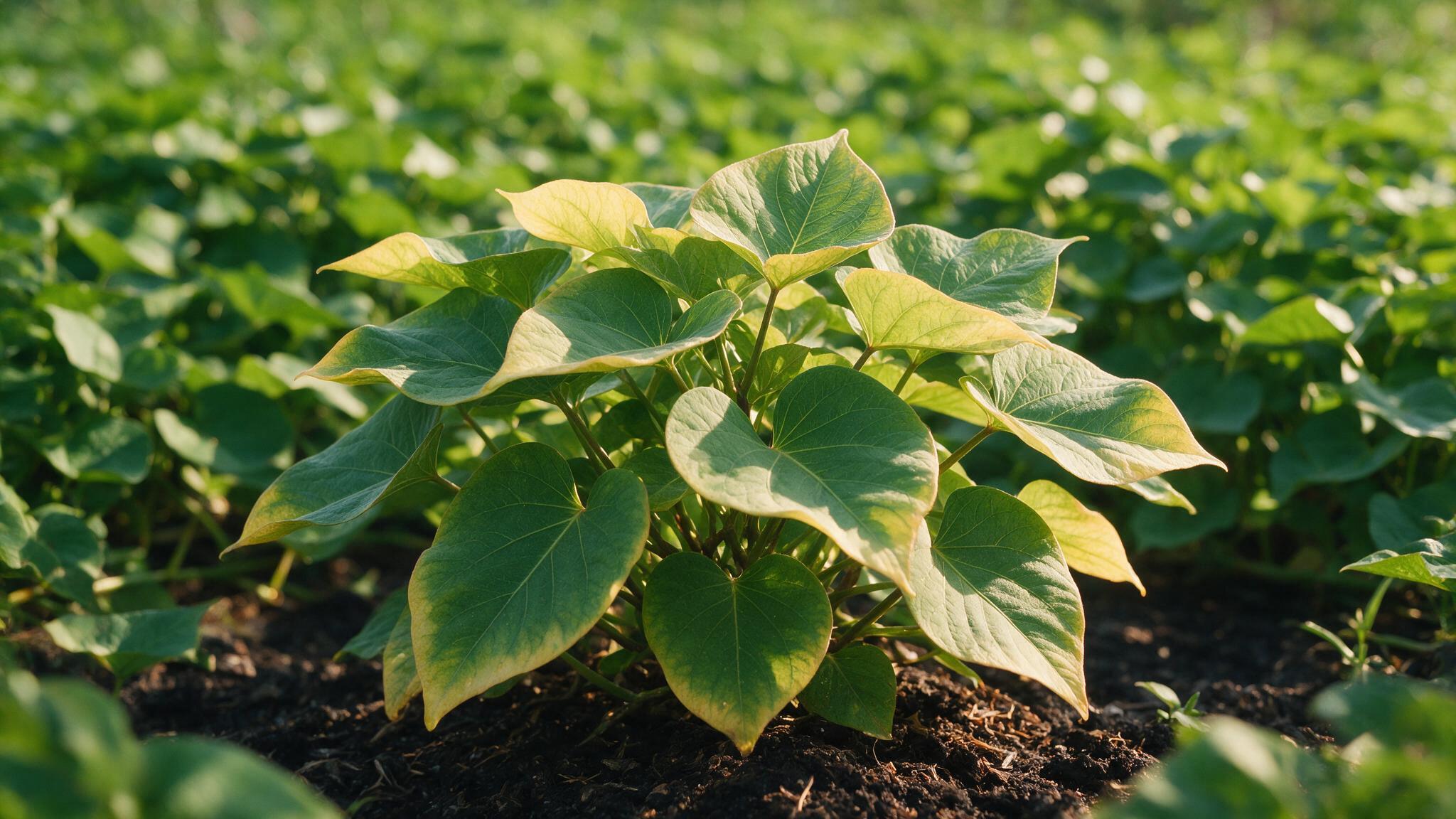
You step outside to check on your sweet potato patch, and something stops you: the leaves that were lush and green just last week are now fading to yellow. It’s a frustrating sight, especially when you’ve put real effort into your garden. The good news is that yellowing leaves on sweet potatoes are one of the most common plant problems home gardeners face, and in most cases, it’s entirely fixable once you know what’s behind it.
Reasons why sweet potato leaves are turning yellow include watering issues, poor growing conditions, nutrient deficiencies, fungal diseases, and pests. Some of these causes are easy to correct with a quick adjustment to your care routine, while others require a bit more detective work. This guide walks you through every possible cause, how to spot which one applies to your plants, and exactly what to do about it.
What Does It Mean When Your Sweet Potato Leaves Are Turning Yellow?
Yellow leaves are your sweet potato plant’s way of telling you something is off. The sweet potato (Ipomoea batatas) belongs to the morning glory family, Convolvulaceae. The spectacular vines are dotted with lobed, heart-shaped leaves that may reach up to 13 feet in length. When those leaves shift from deep green to yellow, it signals a disruption somewhere in the plant’s environment, nutrition, or health.
Yellow sweet potato leaves may be caused by several factors, and if you see that your sweet potato leaves are turning yellow, you need to identify the source and act immediately, lest the problem spreads to the entire garden. The key is to look at the pattern of yellowing — which leaves are affected, where on the leaf the color change begins, and whether any other symptoms like spots, wilting, or distorted growth accompany the color change.
Think of yellow leaves as a symptom, not a diagnosis. The underlying cause could be as simple as inconsistent watering or as serious as a fungal infection spreading through the soil. Either way, catching it early gives you the best chance of saving your crop and keeping your vines productive through the growing season.
Is Yellowing in Sweet Potatoes Always a Sign of a Problem?
Not always. Sometimes yellow leaves are completely normal and nothing to worry about. The Old Farmer’s Almanac notes that you should harvest sweet potatoes when the leaves and ends of the vines have started turning yellow, or about 100 days from planting. If your plants are approaching that window, a bit of yellowing is simply a natural signal that the tubers are maturing underground.
As plants get closer to harvest, older leaves begin to die back. The plant shifts its energy into growing tubers underground. During this stage, it is normal for leaves to turn yellow. This kind of yellowing typically starts on the oldest, lowest leaves and works its way up gradually — it doesn’t appear suddenly across the whole plant.
However, if yellowing happens early in the season, you should look for other causes. Yellowing that shows up in the first few weeks after planting, spreads rapidly, or comes with other symptoms like spots or wilting is a clear sign that something needs your attention. Use the timing and pattern of yellowing as your first clue.
Pro Tip: Before you diagnose a problem, count the days since you planted your slips. If you’re within 2–3 weeks of your expected harvest window (typically 85–120 days after planting), some leaf yellowing is perfectly natural and not cause for alarm.
Watering Issues Causing Sweet Potato Leaf Yellowing
Water plays a critical role in plant health, and both under-watering and over-watering can cause sweet potato leaves to turn yellow. This makes watering one of the first things you should evaluate when you spot yellow leaves, because both extremes look similar from the outside.
Overwatering and Root Rot
Too much water can lead to root rot, depriving the plant of oxygen and nutrients, resulting in yellow leaves. Root rot appears by making the roots of the plants black and soft. While the soil should be consistently moist, you don’t want it to be waterlogged either. When it comes to sweet potatoes, it’s probably safer to slightly underwater than to over-water.
Underwatering
If they get too dry, especially in high temperatures, sweet potato leaves will start to wilt and turn yellow. While most sweet potato plants are tolerant of droughts, they will do better with more consistent watering. If you stick your finger all the way into the soil and it’s dry, it’s time to water your sweet potatoes.
The Right Watering Approach
Sweet potatoes require consistent, even moisture, but roots should not be constantly moist. Water deeply for 2 to 3 hours at a time, then allow the soil to dry to a depth of 6 to 8 inches before watering again. Mulching can also help retain moisture between watering sessions, which is especially useful during hot, dry summers in states like Texas, Georgia, and the Carolinas where sweet potatoes thrive.
Check soil moisture before every watering session. Push your finger into the soil. If it feels wet several inches down, wait before watering again.
Light Conditions Behind Sweet Potato Leaf Yellowing
Sweet potatoes love heat and sunshine. They need 8–10 hours of direct sun daily to produce high yields. When they don’t get that, the leaves start to lose their color and the plant weakens overall.
It is important to monitor your sweet potato plants for signs of insufficient light, such as stunted growth, elongated stems (etiolation), and pale leaves. If your garden bed gets blocked by a fence, a nearby tree, or a structure that casts afternoon shade, your plants may simply not be getting enough sun to stay green and healthy.
On the flip side, too much harsh, direct sun — particularly in very hot climates — can scorch leaves. Too much sun can lead to leaf scorching, while too little can cause a pale and weak appearance. The goal is a spot with full, unobstructed sun for most of the day.
If you’re growing sweet potatoes indoors or in containers, place them in a south-facing window or use grow lights. For optimal results, position the grow lights 12–24 inches above the plants and provide 12–16 hours of light daily to mimic natural sunlight.
Pro Tip: In northern US states with shorter growing seasons, choose a south-facing garden bed near a wall or fence that reflects heat. This small adjustment can add meaningful warmth and light exposure throughout the day.
Soil, Nutrients, and Root Health Causing Sweet Potato Leaf Yellowing
Nutrient deficiencies are one of the most common reasons sweet potato leaves turn yellow, and different deficiencies create different patterns on the leaves. Learning to read those patterns helps you treat the right problem.
Nitrogen Deficiency
A lack of nitrogen often leads to the yellowing of older leaves, as the plant reallocates this essential nutrient to new growth. If your sweet potato leaves are turning yellow, particularly the older ones, it could indicate a nitrogen deficiency. You might notice stunted growth and pale leaves. Apply a balanced fertilizer with a higher nitrogen content, or amend your soil with compost or well-rotted manure.
Iron and Magnesium Deficiency
Iron deficiency can cause interveinal chlorosis, where leaves turn yellow but veins remain green. Yellowing leaves can also be a sign of a magnesium deficiency, since plants use magnesium to make the chlorophyll that keeps their leaves green and healthy. A quality balanced fertilizer that addresses multiple deficiencies at once is your best tool here.
Potassium Deficiency
Yellowing along the leaf edges or tips may indicate a potassium deficiency. Potassium is vital for overall plant health, including disease resistance and water regulation. Yellowing along the leaf edges or tips may indicate a potassium deficiency. Apply a potassium-rich fertilizer, such as potash, and ensure your soil is well-drained to avoid leaching of nutrients.
Soil pH and Nutrient Availability
The soil’s pH level can also impact nutrient availability. Sweet potatoes prefer slightly acidic to neutral soil with a pH of 5.5–6.5. When the pH falls outside this range, nutrients lock up in the soil and become unavailable to the plant even if they’re present. Conducting regular soil tests can help identify any nutrient imbalances and allow for targeted fertilization.
According to the University of California Cooperative Extension , sweet potatoes grow best in light, sandy soils with a pH of 5.5 to 6.5, and they are sensitive to air temperatures below 50°F. In the absence of a soil test, a fertilizer containing moderate amounts of nitrogen and relatively high proportions of phosphorus and potassium, such as 5-10-10, can be used.
Important Note: Be careful not to over-fertilize with nitrogen. According to the University of Maryland Extension , only moderate amounts of nitrogen are required by sweet potatoes. Excessive amounts may encourage excessive vine growth and result in cracked and misshapen tubers.
Soil structure matters, too. Sweet potatoes perform best in loose, friable, sandy loam — the kind of soil that allows their long tubers to expand without resistance. Dense or compacted soil leads to forked, curled, or undersized roots. Poor soil structure also restricts root health, which directly affects the plant’s ability to take up nutrients and water — both of which contribute to yellow leaves. You can learn more about different types of sweet potatoes and how variety selection can affect your growing outcomes.
Environmental Stress Triggering Sweet Potato Leaf Yellowing
Sweet potatoes are warm-season plants that evolved in tropical conditions. When the environment around them shifts — whether it’s temperature, humidity, or cold drafts — the leaves often show the stress first through yellowing.
Temperature is a crucial factor; sweet potatoes prefer warm conditions between 70°F–80°F (21°C–27°C) and will not tolerate cold. Sweet potatoes are extremely sensitive to frost and need a warm, moist growing season of as many as 150 days. If you’re growing in a cooler northern US climate and temperatures drop unexpectedly, your plants will respond with yellowing and wilting.
Sweet potato vines are native to the tropics and are not at all frost hardy. Blackened or mushy leaves indicate that the plant has frozen and will not recover. Even temperatures that don’t quite reach freezing can stress the plant enough to trigger yellowing, especially in young transplants.
Humidity also plays a role. Sweet potatoes prefer high humidity levels, ideally between 60–80%. In indoor environments, where humidity is often lower, additional measures may be necessary to increase moisture in the air around the plant. Symptoms of low humidity stress include curling or browning leaf edges, wilting despite adequate soil moisture, and slow growth.
Fluctuating temperatures can stunt growth. Maintain a stable environment between 65–85°F (18–29°C) to keep your vine healthy. Avoid placing it near drafty windows or heat sources that can cause sudden temperature changes. This applies especially to container-grown sweet potatoes on patios or porches in states with wide temperature swings.
Pests and Disease Leading to Sweet Potato Leaf Yellowing
Pests and disease are two of the most serious causes of yellow leaves because they can spread quickly and cause lasting damage to your crop if left unchecked.
Common Pests
Pests like aphids, whiteflies, and spider mites suck the sap from leaves, causing them to yellow and weaken. Aphids, flea beetles, and leafhoppers can weaken plants over time, leading to yellowing, curling, or distorted leaves. Check both the top and underside of leaves weekly during the growing season to catch infestations early.
The sweet potato weevil is another pest worth watching for in the southern US. The larvae of the sweet potato weevil are white, legless grubs with a pale brown head about 3/8 inches long. The grub will tunnel through leaves and roots. Sprinkle plants with diatomaceous earth and cultivate the planting bed before planting to disturb the weevil’s life cycle.
Root-knot nematodes are a less visible but equally damaging threat. In addition to brown or discolored leaves, you may notice stunted growth, especially during dry weather. As the nematodes feed, the plant is unable to take up water and nutrients, and eventually dies.
Fungal and Bacterial Diseases
Wilt diseases — sweet potatoes with yellow leaves might be the result of verticillium or fusarium, two of the most common sweet potato diseases. Fusarium wilt is a fungal disease that infects plant vascular tissues. Fungal spores live in the soil and can be carried by cucumber beetles.
Alternaria leaf spot and leaf stem blight are fungal diseases that cause brown lesions on older leaves surrounded by a yellow halo. Stems and petioles become afflicted with large lesions that may result in defoliation of the plant.
Leaf and stem scab causes small brown lesions on the leaf veins, resulting in both curling and raised lesions with a purple-brown center. This disease is one of the most severe in areas of frequent fog, rain, or dew. Gardeners in the Pacific Northwest, coastal California, and the Gulf Coast should be especially alert to this disease during wet stretches.
For natural pest control, you can use insecticidal soap or neem oil to control infestations naturally. For biological control, introduce ladybugs or apply neem oil. You can also explore companion planting strategies to help deter pests naturally around your potato family crops.
How to Diagnose Why Your Sweet Potato Leaves Are Turning Yellow
Diagnosing the cause of yellow leaves is easier when you work through a simple checklist. Start with the most common causes first, then move to the more complex ones.
- Check your timing. If your plants are 85–120 days old, yellowing may be natural pre-harvest senescence. If they’re younger, keep investigating.
- Test soil moisture. Use your finger as a water gauge: only water when the soil feels dry 1 to 2 inches down. If the soil is soggy, overwatering is likely the culprit.
- Look at which leaves are yellowing. Older, lower leaves turning yellow first often point to nitrogen deficiency. Yellow leaves with green veins suggest iron deficiency. Yellow edges or tips point to potassium issues.
- Inspect for pests. Check both the top and underside of leaves weekly during the growing season to catch infestations early. Look for tiny insects, webbing, or sticky residue.
- Look for spots or lesions. If leaves are turning yellow with brown spots, disease may be involved. Note the color and pattern of any spots — brown with yellow halos point to Alternaria, while dark purple-brown lesions suggest leaf scab.
- Assess light and temperature. Count the daily sun hours your bed receives. Check recent nighttime temperatures for unexpected dips below 55°F.
- Run a soil test. Conducting regular soil tests can help identify any nutrient imbalances and allow for targeted fertilization. Many US county extension offices offer affordable soil testing services.
Pro Tip: If you’re unsure which plant identification issue you’re dealing with, plant identification apps can help you cross-reference symptoms with known diseases and deficiencies using your smartphone camera.
How to Fix a Sweet Potato Plant That Is Turning Yellow
Once you’ve identified the cause, here’s how to address it directly. Match your fix to your diagnosis for the fastest results.
| Cause | Fix |
|---|---|
| Overwatering / root rot | Let soil dry out; improve drainage; avoid waterlogging; trim black, soft roots if repotting a container plant |
| Underwatering | Water deeply and consistently; apply mulch to retain moisture between sessions |
| Nitrogen deficiency | Apply a balanced fertilizer higher in nitrogen; amend with compost or well-rotted manure |
| Iron deficiency | Apply chelated iron or a balanced fertilizer; check and correct soil pH to 5.5–6.5 |
| Potassium deficiency | Apply potash or a potassium-rich fertilizer; improve soil drainage to prevent leaching |
| Insufficient light | Move containers to a sunnier location; trim shade-causing vegetation; use grow lights indoors |
| Temperature stress | Cover plants during cold snaps; move containers indoors; avoid drafty locations |
| Aphids / whiteflies / spider mites | Blast with garden hose; apply insecticidal soap or neem oil; introduce beneficial insects |
| Fusarium / Verticillium wilt | Remove and destroy infected plants; rotate crops; plant disease-resistant varieties |
| Alternaria leaf spot | Remove affected leaves; clear plant debris; apply appropriate fungicide; buy certified disease-free seed |
For disease-related yellowing, prune all the yellowed leaves and push some compost around the base of your plants. Stop giving your plants extra water until you’re sure the soil has dried out a bit.
In some cases, yellowing leaves can be reversed by addressing the underlying cause, such as nutrient deficiencies or watering issues. However, it depends on the severity of the damage and the overall health of the plants. Timely intervention and appropriate solutions increase the chances of restoring the plants’ health and improving leaf color.
If you’re dealing with root rot in a container plant, check that the soil is well-draining and that pots have drainage holes. If root rot is detected, repot the plant in fresh soil and trim away any rotten roots. You can find more tips on general plant care in this guide to types of plants and their specific needs.
How to Prevent Sweet Potato Leaf Yellowing Going Forward
The best way to keep your sweet potato leaves green and healthy is to build good habits from the start of each growing season. Prevention is far easier than treatment once yellowing has set in.
- Start with certified disease-free slips. Grow sweet potatoes from certified disease-free slips from a garden center, mail-order nursery, or reputable grower. This eliminates the risk of introducing soil-borne diseases before you even plant.
- Amend your soil before planting. Use disease-free seed tubers and amend the soil with compost. Work in 2–3 inches of aged compost to improve both drainage and nutrient content.
- Test your soil annually. A simple soil test before planting tells you exactly which nutrients are lacking and whether your pH needs adjustment. Many US state university extension programs offer soil testing for a low fee.
- Water at the base, not overhead. Water from the base of the plants to avoid spreading disease and keep the area around the plants free from weeds and plant detritus.
- Rotate your crops. Rotate your sweet potato crops every three to four years, practice good garden sanitation, and immediately treat with the appropriate fungicide at the first signs of fungal infection. According to the University of Maryland Extension , to avoid a buildup of nematodes, wireworms, and disease organisms in the soil, do not grow sweet potatoes in the same location two years in a row.
- Mulch your beds. A 2–3 inch layer of straw or wood chip mulch conserves soil moisture, moderates soil temperature, and suppresses weeds that compete for nutrients.
- Monitor weekly during the growing season. Check both the top and underside of leaves weekly during the growing season to catch infestations early. Early detection is always easier to manage than a full-blown infestation or disease outbreak.
- Clean up after harvest. Destroy all sweet potato detritus once harvesting is completed. Leaving plant material in the bed gives fungal spores and pest eggs a place to overwinter and reinfect next season’s crop.
If you’re interested in expanding your edible garden, check out this guide to facts about sweet potatoes and learn more about companion planting strategies that can benefit your entire vegetable patch. For gardeners exploring other root crops, this resource on Yukon Gold potato substitutes may also be useful when planning meals around your harvest.
FAQ
Can yellow sweet potato leaves turn green again?
Yes, in some cases. Yellowing leaves can be reversed by addressing the underlying cause, such as nutrient deficiencies or watering issues. However, it depends on the severity of the damage and the overall health of the plants. Leaves that have turned fully yellow and dry typically won’t recover, but new growth that emerges after you correct the problem should come in green and healthy.
Should I remove yellow leaves from my sweet potato plant?
You can remove dead or heavily diseased leaves. If only a few leaves are yellow, identify the cause before pruning. Removing diseased leaves helps prevent the spread of fungal spores, but pruning healthy-looking leaves unnecessarily can stress the plant further.
Why are only the lower leaves on my sweet potato turning yellow?
Lower leaves yellowing first is a classic sign of nitrogen deficiency. A lack of nitrogen often leads to the yellowing of older leaves, as the plant reallocates this essential nutrient to new growth. It can also be a natural part of the plant’s life cycle as it matures toward harvest. Check the timing and apply a nitrogen-rich amendment if the plants are still early in their growing season.
How much sun do sweet potatoes need to avoid yellow leaves?
Sweet potatoes need at least 6–8 hours of direct light daily. Anything less and you’ll start to see pale, yellowing foliage and weak, leggy vines. Position your beds in the sunniest part of your yard, ideally with southern exposure.
What is the ideal soil pH for sweet potatoes?
Sweet potatoes prefer slightly acidic to neutral soil with a pH of 5.5–6.5. Outside of this range, nutrients like iron and manganese become locked in the soil, which can cause yellowing even when those nutrients are technically present. A simple soil test kit from your local garden center can confirm your pH quickly.
Are sweet potato leaves edible even when they start to yellow?
Healthy green sweet potato leaves are edible and nutritious. However, yellowing leaves — especially those affected by disease or pests — should not be consumed. Remove and discard any discolored, spotted, or damaged leaves rather than using them in cooking. For more on what sweet potato plants offer, explore these sweet potato facts and the many types of leaves found across edible and ornamental plants.