Why Is My Aloe Vera Turning Brown? Causes, Fixes, and Prevention Tips

September 17, 2026
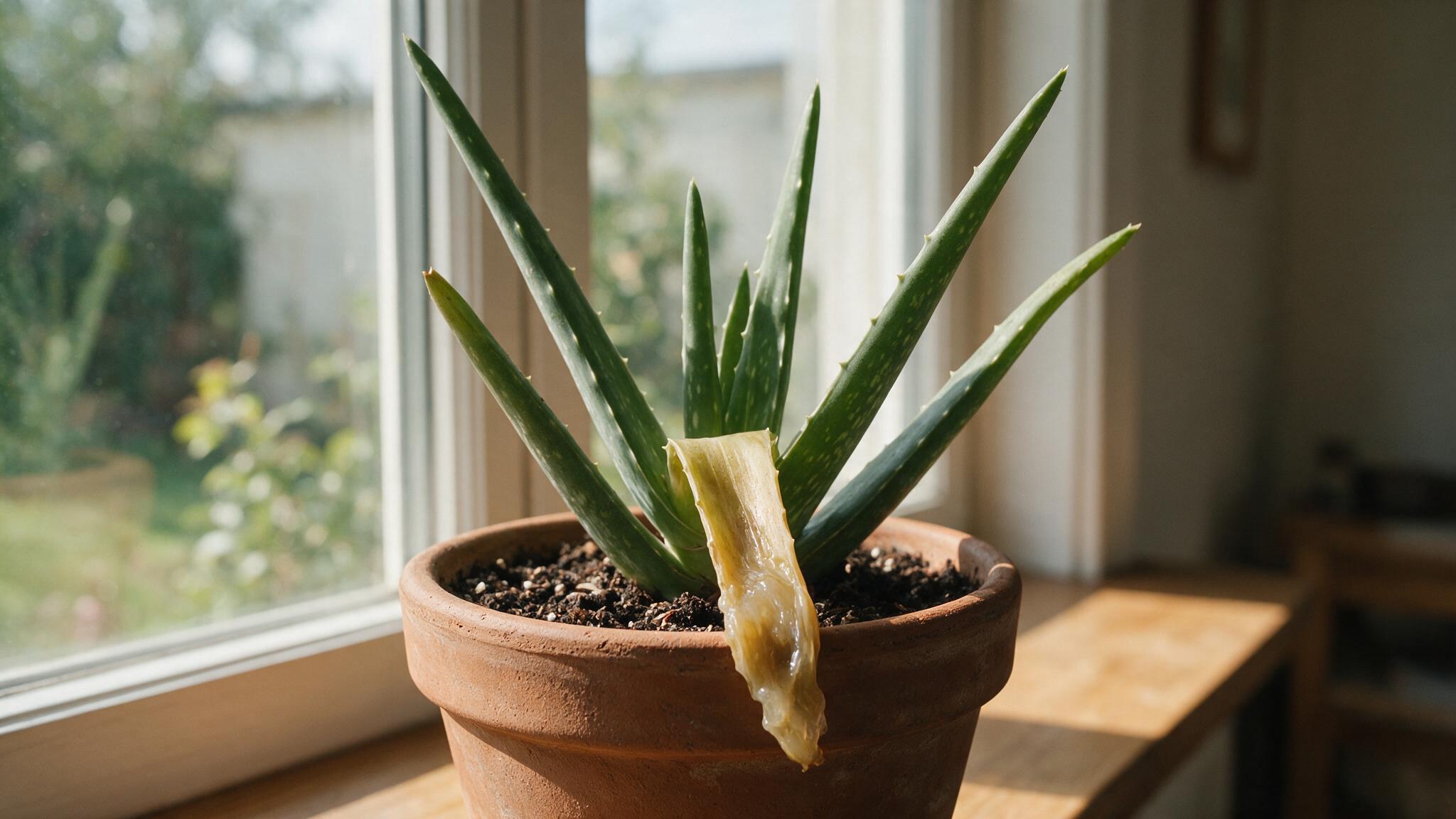
Aloe vera has a reputation for being nearly indestructible, but even the toughest succulents send distress signals when something is wrong. When those normally sturdy green leaves start turning brown, it’s your plant’s way of waving a red flag. The good news is that browning is one of the most readable signals a plant can give you.
Whether you’re seeing crispy brown tips, mushy dark patches near the base, or an overall reddish-tan tint across the whole plant, each pattern points to a different cause — and a different fix. Looking deeper into the pattern and location of discoloration can help determine what the root problem (or problems) may be.
This guide walks you through every major reason aloe vera turns brown, how to diagnose what’s happening with your specific plant, and exactly what to do to bring it back to health. You’ll also find a prevention routine so you’re not dealing with this again a few months from now.
What Does It Mean When Your Aloe Vera Is Turning Brown?
Browning in aloe vera is the plant’s primary way of communicating environmental stress. When your aloe starts to turn brown, it’s easy to assume the worst — but this color change is one of the main ways your plant communicates that something is off in its environment.
Excess moisture, too much fertilizer, poor or improper lighting, and old age are the most common reasons why aloe vera plants can turn brown, though there are many nuances that can be caused by many different issues. The location and texture of the browning narrow things down considerably.
Here’s a quick reference for the most common browning patterns and what they suggest:
| Browning Pattern | Likely Cause | Key Texture Clue |
|---|---|---|
| Soft, mushy leaves near the base | Overwatering / root rot | Squishy, waterlogged feel |
| Dry, crispy leaf tips | Underwatering or low humidity | Papery, thin edges |
| Brown or bleached patches on sun-facing side | Sunburn / excess direct light | Dry, brittle surface |
| Overall reddish-brown tint, otherwise firm | Sun stress (not damage) | Firm, healthy texture |
| Brown lesions or soft spots mid-leaf | Fungal or bacterial disease | Slippery or decaying patches |
| Browning starting from the lowest leaves only | Natural aging | Gradual yellowing then drying |
| Brown collapse after cold exposure | Cold damage | Limp, collapsed leaves |
Is Browning in Aloe Vera Always a Sign of a Problem?
Not always. Some browning is completely normal and not something you need to fix. The lower, older leaves will turn yellow or brown and dry out completely when they’ve served their purpose, and will naturally be shed to make way for new growth. If it’s only the oldest leaves and there are no other issues, you can be confident it’s just your plant’s natural aging process.
Sun stress is another form of browning that looks alarming but is often harmless. Aloe plants can turn different colors due to sun exposure, mostly a deep reddish-brown color. If your plant otherwise looks fine and feels healthy — for example, the leaves are not drying or squishy — then it’s likely just showing off its colors from all the sun it’s been getting.
If only the lowest one or two leaves are affected and the rest of the plant looks healthy and green, there is nothing to worry about. Remove the dead leaves cleanly at the base for cosmetic reasons. The time to act is when browning is progressing upward through the plant, spreading to multiple leaves, or accompanied by soft, mushy, or foul-smelling tissue.
Pro Tip: Use the texture test before you do anything else. Crispy means too dry or too bright; mushy means too wet or too cold. This single check eliminates half the possible causes immediately.
Watering Issues Causing Aloe Vera Browning
Water is the most common culprit behind a browning aloe vera. The tricky part is that both too much and too little water cause browning — they just look and feel different.
Overwatering is by far the more dangerous of the two. One of the most common mistakes in aloe vera care is overwatering. Soggy soil suffocates the roots, hindering their ability to absorb nutrients. The leaves lose their firmness and become soft, swollen, and almost translucent, as if waterlogged from the inside. The color shifts from healthy green to a sickly pale yellow-green, and the base of the plant may feel spongy.
Left unchecked, overwatering leads to root rot. Root-rotting fungi — including Pythium, Phytophthora, and Fusarium — move in and destroy the root system. Without roots, the plant cannot absorb water properly; paradoxically, an overwatered plant dies of dehydration because its roots are dead.
Underwatering causes a different pattern. The leaf tips and sometimes the leaf margins turn brown, dry, and papery, while the rest of the leaf may still be green but feels thinner and less turgid. The plant may curl its leaves slightly inward to reduce water loss, and the soil may have pulled away from the pot edges.
The fix for overwatering is straightforward: stop watering immediately until the soil is completely dry. If root rot has set in, remove the affected roots and repot the plant in fresh, dry soil. For underwatering, gradually increase watering, ensuring you don’t flood the plant all at once, then establish a more thoughtful watering routine — water only when the soil is thoroughly dry.
The right container matters just as much as your schedule. Pair careful hydration with the right growing medium — either a quality succulent mix or a homemade blend of potting soil, coarse sand, and perlite for optimal drainage. Choose a pot that breathes, preferably terracotta with ample drainage holes, to maintain the balance where roots stay hydrated yet never waterlogged.
Pro Tip: Master the “soak and dry” watering method. This is the single most important habit for any succulent owner — you’re essentially mimicking how these plants get water in their natural desert habitat: a rare but heavy downpour, followed by a long, dry spell.
Light Conditions Behind Aloe Vera Browning
Aloe vera needs bright light to thrive, but the intensity and direction of that light matter more than most people realize. Both too much and too little light cause browning, just in different ways.
Sunburn from excess direct light is a common problem for aloe plants placed in south- or west-facing windows, or moved outdoors in summer without a gradual transition. Aloe vera loves sunlight, but too much direct exposure can scorch the leaves. If your plant is suddenly exposed to intense sunlight, it may develop brown, sunburned spots — this usually happens when an indoor aloe is moved outside too quickly or placed in a location with harsh midday sun.
If the leaves turn a deep, angry brown, become brittle, or start looking bleached and washed-out, your aloe is suffering from severe sunburn. Direct summer sun can trigger photooxidative damage, causing leaves to shift from green to reddish-brown in as little as 7 to 10 days.
Insufficient light causes a different kind of decline. Insufficient light can lead to paleness and wilting of the leaves, as well as leggy growth. If your plant’s leaves are lying flat rather than pointing upward, low light is likely the issue.
The ideal position for most US households is a bright spot with indirect light. Find the sweet spot of bright, indirect light. An east-facing window is often ideal, as it provides gentle morning sun that won’t fry the leaves. If your only options are south- or west-facing windows, pull the plant back a few feet from the glass or hang a sheer curtain to filter and soften those intense afternoon rays.
It’s also worth knowing that a reddish-brown tint from sun stress is not the same as sunburn damage. Too much sun can lead to aloe vera leaves turning brown or even a bleach-like color. If the leaves have begun to brown due to a lot of sun, this normally isn’t an issue — you may even notice a more reddish hue, indicating your plant is producing more anthocyanins and carotenoids under the intense heat than chlorophyll. The leaves will still feel firm in this case.
Soil, Nutrients, and Root Health Causing Aloe Vera Browning
Even with perfect watering habits, the wrong soil or a nutrient imbalance can drive browning from the roots up. Aloe vera is a succulent with very specific soil preferences.
Lack of drainage is a prime cause of an aloe vera turning brown. Aloe vera demands soil that lets water flow freely. When trapped in soggy conditions — whether from inadequate drainage holes or water-retentive soil — the roots suffocate and begin to rot. This decay first manifests as browning at the plant’s base before eventually compromising its entire structure.
To check root health without guessing, gently slide the plant out of its pot. Healthy roots are white or pale tan and firm. Rotten roots are brown, black, and mushy, and may smell foul. If you find rot, trim all affected roots with clean scissors, let the bare root system air-dry for a day or two, then repot in fresh succulent mix.
On the nutrient side, both deficiency and excess cause problems. While aloe vera requires little fertilizer, prolonged deprivation of essential nutrients takes its toll. A lack of nitrogen, potassium, or magnesium gradually transforms green leaves into discolored, brown-tipped specimens. Over-fertilizing is equally damaging — too much fertilizer can have adverse effects, leading to leaves turning brown from fertilizer toxicity. If you overdo it with fertilizer, you can leach the soil using distilled water or rainwater to help dislodge the buildup.
A good rule of thumb: fertilize aloe vera once in spring and once in mid-summer with a diluted, balanced succulent fertilizer. Skip fertilizing entirely in fall and winter when the plant’s growth slows.
Key Insight: A terracotta pot’s porous clay actually pulls moisture out of the soil, helping the whole thing dry out much faster than a plastic or glazed ceramic pot ever could — it acts like a built-in safety net against overwatering. Always pair it with a drainage hole.
Environmental Stress Triggering Aloe Vera Browning
Temperature swings, drafts, and low humidity are frequently overlooked causes of browning — especially for aloe plants kept indoors in American homes where HVAC systems run hard year-round.
As natives of southern to eastern Africa, aloes require warm temperatures, well-draining soil, and plenty of light. They prefer temperatures between 70 and 80 degrees Fahrenheit during the day and a nighttime temperature of at least 50 degrees Fahrenheit.
Aloe vera shudders at the cold. A sudden draft, an unexpected frost, or even prolonged exposure to air conditioning can shock the plant, transforming its plump, vibrant leaves into limp, brown casualties. Whether left outdoors on a chilly evening or stationed too close to a vent, the result is the same. Lower temperatures sustained over time can cause the root tips of the leaves to die off, turning soft and tannish brown.
In US homes, the most common environmental triggers are:
- Placement directly in front of or below an air conditioning vent
- Sitting near a drafty window in winter
- Being left on a porch or patio when nighttime temperatures drop below 50°F
- Moving from a climate-controlled interior to full outdoor sun too quickly in summer
The fix is simple: move your plant away from vents and drafts, bring it indoors before the first fall chill, and acclimate it gradually to outdoor conditions in spring by starting it in a shaded spot for a week or two before increasing sun exposure.
Pests and Disease Leading to Aloe Vera Browning
Pests are less common in aloe vera than in many other houseplants, but they do happen — particularly in plants that are already stressed or kept outdoors during warm months.
Aloe vera sometimes falls prey to pests. Common aloe plant pests include mealybugs, aphids, and spider mites. These insects suck the sap from the leaves, causing stress and browning. If you notice small bugs, sticky residue, or webbing on your plant, pests may be the culprit. Aphids, mealybugs, fungus gnats, flies, and mites are among the most harmful, causing infestation on the leaves and black mildew as a result of feeding.
Fungal and bacterial diseases tend to follow overwatering or poor air circulation. Stagnant air and excessive moisture create an environment where fungal or bacterial infections thrive. These reveal themselves through brown lesions, slippery patches, or leaves that become unnaturally soft and begin to decay. Powdery mildew, root rot, or even anthracnose may become a problem when drainage is poor and plants are overwatered or crowded.
For pest treatment, treat with neem oil or horticultural soap — both are non-toxic, effective treatments. Apply to the entire plant, including the undersides of leaves, and repeat every 7 to 10 days until the infestation clears. For fungal disease, pruning infected leaves isn’t just about making the plant look better — you are physically removing the source of the fungal spores, which is the single most important thing you can do to stop the disease in its tracks. Follow up with a neem oil spray as a natural fungicide.
How to Diagnose Why Your Aloe Vera Is Turning Brown
The fastest way to pinpoint the cause is a systematic, hands-on inspection. Work through these steps in order before reaching for any treatment.
- Check the texture of the affected leaves. Soft and mushy points to overwatering or cold damage. Dry and crispy points to underwatering, sunburn, or low humidity. Crispy equals too dry or too bright; mushy equals too wet or too cold.
- Identify where the browning is located. The real clue is in how the plant is turning brown. Are the leaves soft and mushy near the soil? Are the tips just dry and crispy? Or has the whole plant taken on a reddish-brown blush after a sunny spell?
- Feel the soil. Stick your finger about an inch into the soil. Wet or damp soil after several days without watering signals drainage problems. Bone-dry soil that has pulled away from the pot edges signals underwatering.
- Inspect the roots. The only way to know for sure is to gently slide the plant out of its pot and look at the roots. Healthy roots are firm and white. Rotted ones will be black, mushy, and might even fall apart when you touch them.
- Look for pests. Check the undersides of leaves, the base of the plant, and any crevices between leaves for small insects, webbing, or sticky residue.
- Review recent changes. Did you move the plant, change its watering schedule, repot it, fertilize it, or expose it to cold or direct sun recently? Most browning episodes trace back to a change in conditions.
You can also use a plant identification app to photograph symptoms and get a second opinion on what might be affecting your aloe.
How to Fix an Aloe Vera That Is Turning Brown
Once you’ve identified the cause, the fix is usually straightforward. Here’s what to do for each scenario.
Overwatering and root rot: Stop watering immediately until the soil is completely dry. If root rot has set in, remove the affected roots and repot the plant in fresh, dry soil. After trimming rotted roots with clean scissors, let the entire aloe plant sit out in a dry, shady spot for a day or two before repotting — this lets the cut ends callous over and reduces the risk of reinfection.
Underwatering: Water thoroughly until water drains from the bottom of the pot, then allow the soil to dry completely before watering again. The goal is not frequent watering, but deep watering followed by adequate drying time.
Sunburn: Move the plant to a spot with bright, indirect light. Other forms of damage from overwatering or burn damage kill off cells and tissue entirely, so there is no reversing a brown aloe vera leaf back to green if the damage was caused by anything other than natural sun stress. Trim the burned sections cleanly with sterile scissors and allow the plant to recover in its new location.
Cold damage: Move the plant to a warmer spot and remove only fully dead tissue. Avoid the temptation to overwater a cold-stressed plant — it’s already vulnerable.
Fertilizer toxicity: Leach the soil using distilled water or rainwater to help dislodge the buildup. Water the plant thoroughly several times in succession, allowing each pass to drain completely, to flush excess salts from the soil.
Pests: Isolate the affected plant immediately to prevent spread to nearby houseplants. Treat with diluted neem oil or insecticidal soap, covering all leaf surfaces. Repeat weekly for three to four weeks.
Trimming brown leaves: You can improve the appearance of an aloe vera plant with browned leaves by removing the leaves and addressing the issue that caused it to brown in the first place. Use clean, sharp scissors and cut as close to the base as possible without damaging the central stem. Learn more about proper aloe vera care to keep your plant healthy after recovery.
Important Note: The only instance a browned aloe vera may turn green again is if the brown or reddish color is due to sun stress. For all other causes, the damaged tissue stays brown — but the plant can absolutely put out healthy new green growth once the underlying problem is resolved.
How to Prevent Aloe Vera Browning Going Forward
Prevention comes down to nailing three fundamentals: watering, light, and soil. Keeping your aloe vera from turning brown again really boils down to getting the basics right — watering, light, and soil. If you get those three things dialed in, your aloe won’t just hang on; it will genuinely flourish.
Here’s a simple, sustainable prevention routine:
- Water on a “soak and dry” schedule. Water deeply, then wait until the top two inches of soil are completely dry before watering again. In most US homes, this means watering every 2 to 3 weeks in summer and once a month or less in winter.
- Use the right pot and soil. No matter what material you choose for your pot, it must have a drainage hole — that part is not up for debate. Your potting mix is your greatest ally in the fight against root rot. Use a cactus and succulent mix, or blend standard potting soil with perlite at a 1:1 ratio.
- Position for bright, indirect light. An east-facing windowsill is ideal for most US households. Avoid south- or west-facing windows without a sheer curtain filter during summer months.
- Keep temperatures stable. Aloe vera prefers temperatures between 70 and 80 degrees Fahrenheit during the day and a nighttime temperature of at least 50 degrees Fahrenheit. Keep the plant away from AC vents, heating ducts, and drafty windows.
- Fertilize sparingly. Feed once in spring and once in early summer with a diluted succulent fertilizer. Skip fall and winter entirely.
- Inspect regularly. A quick weekly check of the leaves, soil, and base of the plant catches problems early, before they escalate into major browning events.
Once water, light, and proper drainage are in check, your aloe should have no issue putting out healthy, green new growth. If you’re interested in expanding your collection, explore the many different types of aloe vera plants that share similar care needs. You might also find it helpful to browse best houseplants for low-light areas if your space doesn’t get much natural light, or check out the reasons to own an aloe vera plant to remember why this resilient succulent is worth the effort.
FAQ
Why are my aloe vera leaf tips turning brown and crispy?
Brown tips are one of the most common aloe vera complaints. While they rarely indicate an emergency, they often signal that the plant is dealing with environmental stress. Although aloe vera is drought tolerant, extended periods without water can eventually cause the tips of leaves to dry and brown. Low humidity, fluoride in tap water, and heat from nearby vents are also common contributors to crispy tips specifically.
Can a brown aloe vera leaf turn green again?
The only instance a browned aloe vera may turn green again is if the brown or reddish color is due to sun stress. Other forms of damage from overwatering or burn damage kill off cells and tissue entirely, so there is no reversing a brown aloe vera leaf back to green if the damage was caused by anything other than natural sun stress. Trim the damaged leaves and focus on supporting healthy new growth instead.
How do I know if my aloe vera has root rot?
The base of the plant may feel spongy, and if you gently pull the plant, it may come away from the substrate with little resistance — because the roots are gone. Unpot the plant and inspect directly: healthy roots are white or pale tan and firm, while rotten roots are brown, black, mushy, and may smell foul.
Why is my aloe vera turning brown after repotting?
Some browning after repotting is normal — it’s transplant shock. The roots need time to settle into new soil. Keep the plant in bright, indirect light, hold off on watering for about a week to let any damaged roots callous, and avoid fertilizing for at least a month. Most plants recover within two to four weeks.
Is it safe to use aloe vera gel from a brown leaf?
If the leaf is brown due to sun stress and is otherwise firm and healthy inside, the aloe vera gel inside is generally unaffected. However, avoid using gel from leaves that are mushy, discolored all the way through, or showing signs of disease — the tissue may be compromised. For healthy plants, you can also explore how to eat aloe vera and the benefits of aloe vera water for additional uses of this versatile plant.
How often should I water my aloe vera to prevent browning?
There’s no single schedule that works for every household — it depends on your pot size, soil type, humidity, and season. The most reliable method is the finger test: water only when the top two inches of soil feel completely dry. In most US homes, that translates to roughly every two to three weeks in summer and once a month or less in winter. For a complete watering and care breakdown, see this guide on how to care for an aloe vera plant.