Can You Freeze Ginger With the Skin On? (Yes — Here’s How)

November 12, 2026
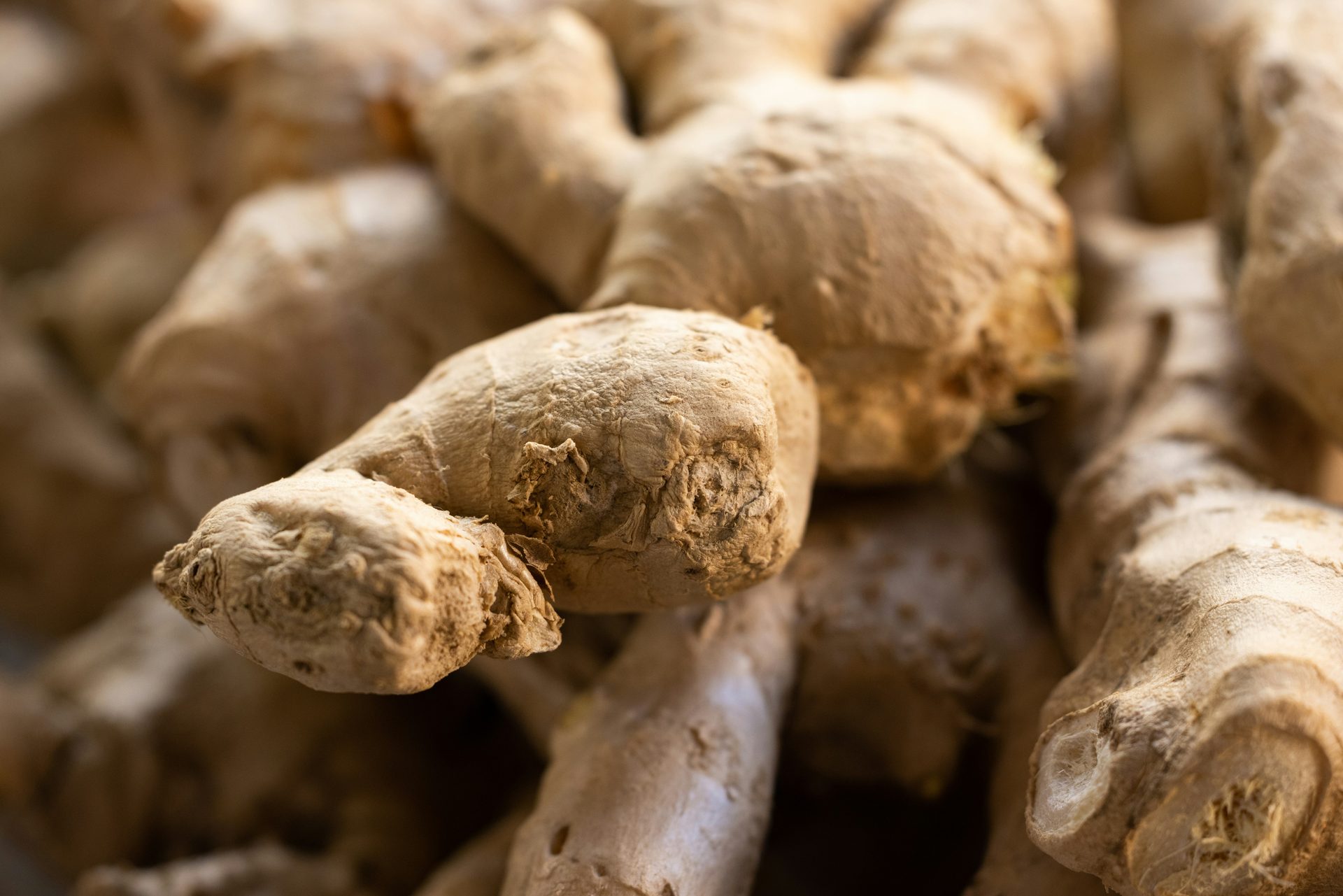
Fresh ginger is one of those ingredients you buy for a single recipe and then stare at for two weeks wondering what to do with the rest. The good news: freezing it solves that problem completely, and you do not need to peel it first.
Whether you grabbed a large knob at your local grocery store or bought in bulk at a farmers market, freezing ginger — skin and all — is a practical way to keep it ready for stir-fries, soups, smoothies, and ginger tea without any waste. This guide walks you through everything you need to know, from prep to long-term storage.
Can You Freeze Ginger?
Yes, you can absolutely freeze ginger, and it is one of the best ways to extend its shelf life. Fresh ginger (Zingiber officinale) is a rhizome — an underground stem — with a thin, papery skin that does not need to be removed before freezing. You can peel it first or leave the skin on; both work fine when stored in the freezer.
Ginger lasts for up to a month in the refrigerator if it’s unpeeled, but it does eventually dry out and go bad. Freezing dramatically extends that window and keeps the root ready to use at a moment’s notice. When you freeze ginger, most of its nutrients stay the same, including the compounds that help reduce inflammation.
The skin-on method is especially useful if you plan to grate the ginger directly from frozen — a technique that many home cooks swear by. It’s easier to peel ginger when it’s fresh, and it’s easier to grate ginger when it’s frozen. You don’t have to peel it before you freeze it, but it’s easier to do that step first. Either way, both approaches are valid depending on how you cook.
Pro Tip: If you plan to use your ginger primarily for grating into sauces or soups, freeze it whole with the skin on. The skin actually makes it easier to grip while grating, and it peels away effortlessly once the root is frozen solid.
Does Freezing Change the Texture or Taste of Ginger?
Freezing does change the texture of ginger slightly, but it has almost no impact on flavor. Ginger that has been frozen keeps its taste and smell well. But ginger slices that have been thawed feel softer than fresh ginger slices. Because of this, they are better for grating than for garnish.
The softening happens because freezing forms small ice crystals inside the root’s cells, which breaks down some of the cellular structure. Freezing slows moisture loss and helps preserve flavor, though ice crystal formation may slightly alter the texture. Once thawed, the ginger will feel less firm than fresh — but that is actually an advantage for most cooking applications, since it blends into sauces and soups more easily.
On the flavor side, most bioactive compounds, like gingerol and shogaol, stay the same when you freeze them. However, over time, some vitamin C and phenolic content may go down. For practical cooking purposes, frozen ginger tastes just as punchy and aromatic as fresh — especially within the first six months.
How to Freeze Ginger the Right Way
There are several methods for freezing ginger, and the right one depends on how you typically use it in the kitchen. All of them start with the same prep step: choose knobs of ginger root that are firm, plump, and fragrant. Avoid ginger that looks shriveled or wrinkly or any pieces that have lots of grayish soft spots.
Once you have fresh ginger in hand, pick the method that fits your cooking style.
Method 1: Freeze Whole With the Skin On (Easiest)
This is the simplest approach and works well if you grate your ginger directly from frozen. Wrap unpeeled ginger tightly with plastic wrap and store in a freezer-safe resealable plastic bag or airtight container. Be sure to label the bag or container with the contents and date. Squeeze out as much air as possible before sealing to prevent freezer burn.
When you need ginger, just pull it out of the freezer and grate what you need using a microplane or box grater. Any unused ginger can be returned to the freezer. No thawing necessary.
Method 2: Peel, Slice, and Flash-Freeze
If you prefer pre-portioned pieces, peel the ginger first using the back of a spoon — the craggy shape of the ginger and the paper-thin skin make the backside of a spoon really convenient. It scrapes off the skin without sacrificing much of the ginger, and it can easily navigate bumps. Then slice into thin rounds or chunks.
Flash-freeze trick: lay pieces on a baking sheet before bagging so they don’t stick together. Freeze for one to two hours until solid, then transfer to a labeled freezer bag. This method allows you to grab exactly how much ginger you need without thawing the entire batch.
Method 3: Grate or Mince Into Portions
This method gives you the most cooking convenience. Peel and grate or mince the ginger, then portion it into teaspoon-sized mounds on a parchment-lined baking sheet. Spread or scoop the ginger onto a parchment-lined tray. Making teaspoon-sized portions works well. Freeze until solid and transfer to an airtight container. It should keep for about six months.
Alternatively, pour the puree into ice cube trays, filling each compartment about three-quarters full. After freezing solid (typically four to six hours), transfer the cubes to a labeled freezer bag. Each cube typically contains about one tablespoon of ginger puree — perfect for adding precise amounts to sauces, dressings, or smoothies.
Pro Tip: Use a silicone ice cube tray for ginger paste or minced ginger — the cubes pop out cleanly without sticking, and you can store them in a zip-top freezer bag for easy grab-and-go portions. If you ship food to family members, check out how to ship frozen food safely to keep those portions intact in transit.
How Long Can You Freeze Ginger?
How long your frozen ginger stays at peak quality depends on the form it’s stored in. Frozen ginger maintains excellent flavor for four to six months when stored properly at 0°F (-18°C) or lower. Beyond six months, you may notice gradual flavor degradation, but it remains safe to eat indefinitely. The key to preserving ginger’s potency is minimizing air exposure through airtight packaging and consistent freezer temperature.
Here is a quick breakdown by storage form:
| Form | Best Flavor Window | Safe to Eat Until |
|---|---|---|
| Whole root (unpeeled) | Up to 6 months | Up to 12 months |
| Sliced or chunked (peeled) | 3–4 months | Up to 6 months |
| Minced or grated | 3–4 months | Up to 6 months |
| Paste or puree | 3–4 months | Up to 6 months |
Storage time is 3–6 months for whole ginger that hasn’t been peeled and is stored in a freezer-safe bag; 3–4 months for ginger that has been peeled or cut into pieces. If you want the strongest flavor punch, aim to use it within three to four months regardless of form. Ginger that is good for your skin health is also best enjoyed when it’s at peak potency.
How to Thaw Frozen Ginger
One of the best things about frozen ginger is that you often do not need to thaw it at all. Frozen ginger works exceptionally well without thawing. For grating, simply rub the frozen piece against a microplane — the cold temperature makes grating easier. For slices, add them directly to hot dishes where they’ll thaw instantly.
When you do need to thaw ginger — for example, to slice it thinly or chop it for a cold application — here are your options:
- Refrigerator overnight: If you’ve frozen a large piece of ginger and need to thaw it, just leave it in the refrigerator overnight. This is the safest method and preserves the most texture.
- Room temperature: Place the frozen ginger on a plate and leave it at room temperature for about 30–60 minutes. Use it promptly after.
- Microwave: If you’re making a sauce or something that isn’t being cooked, thaw your frozen, chopped ginger in the microwave for 20 seconds or so before stirring it into your sauce.
Do not leave ginger at room temperature for too long. Prolonged exposure can lead to bacterial growth. Aim to use room temperature-thawed ginger within an hour.
Can You Refreeze Ginger After Thawing?
Technically, you can refreeze ginger, but it is not recommended. Once thawed, do not refreeze the ginger. Refreezing can cause a loss of texture and flavor. It’s better to thaw only the amount needed.
Repeated thawing can affect both flavor and texture. Each freeze-thaw cycle breaks down the cellular structure a little more, leaving you with mushier, less flavorful ginger. The better strategy is to freeze ginger in small, recipe-ready portions from the start — that way you only pull out exactly what you need.
If you used the ice cube or minced-portion method, this is a non-issue. Each cube is a single-use serving, so there is nothing left to refreeze. This is one reason portioning before freezing pays off in the long run. You can also apply the same logic when thinking about other G foods that freeze well in small batches.
Important Note: If your ginger was thawed in the refrigerator and has not been left out at room temperature, it can technically be refrozen within 24 hours. However, expect a noticeable drop in texture quality with each cycle.
How to Use Frozen Ginger (Best Uses After Freezing)
Frozen ginger is incredibly versatile. Because the texture softens slightly after freezing, it actually works better than fresh ginger in applications where it will be cooked down or blended. One of the benefits of using frozen ginger is that it is easier to grate compared to fresh ginger, which can be fibrous. This makes it perfect for recipes that require a fine texture, like sauces, marinades, and dressings.
Here are the best ways to use it:
- Stir-fries and sautés: If you’re making a stir-fry or other cooked dish, just add the appropriate amount of frozen, chopped ginger right into the pan. It will quickly thaw and mix right in.
- Soups and broths: Drop frozen slices or cubes directly into simmering broth — no thawing needed. The ginger releases its flavor as it heats through.
- Smoothies: For most stovetop cooking and smoothies, you can just throw the frozen ginger directly into your dish. A small cube adds a spicy kick to green smoothies or immunity shots.
- Ginger tea: Grate frozen ginger directly into hot water, or add a frozen slice to a mug and pour boiling water over it. Let it steep for five minutes.
- Marinades and dressings: Grate frozen ginger using a microplane for fine, fibrous-free shreds that blend seamlessly into soy-based marinades or sesame dressings.
- Baked goods: Thaw and mince for gingerbread, muffins, or spiced cookies where the softer texture does not matter.
Many recipes call for ginger in units of inches. For every 1 inch of ginger a recipe calls for, use 1 tablespoon of minced ginger. Keep that conversion in mind when cooking from frozen portions. Ginger also pairs well with many other I foods like ginger-infused dishes and R foods like rice dishes where it adds depth of flavor.
One underrated use: ginger skins can make a zesty ginger broth. Gather the discarded skins, toss them in water, and bring to a boil. Then reduce the heat so the skins simmer for about 30 minutes. Once the broth is ready, separate the skins from the liquid. You can add this tasty ginger broth to your favorite recipes, perhaps to steam veggies or to use as a water substitute when boiling egg noodles.
Signs That Frozen Ginger Has Gone Bad
Frozen ginger does not spoil quickly when kept continuously frozen, but it can decline in quality — and in some cases, it can go bad. Frozen ginger can become unsafe if it was spoiled before freezing, thawed for too long, refrozen after poor handling, or exposed to freezer failure. However, if ginger has been properly packed and kept continuously frozen at 0°F / -18°C or below, the main issue is usually quality decline rather than immediate spoilage.
Use your senses to check before cooking:
- Smell: Good frozen ginger should still smell spicy, fresh, and ginger-like. If it smells sour, fermented, rotten, moldy, or strongly like other freezer foods, do not use it in a clean-flavor recipe. If the odor suggests spoilage, discard it.
- Texture after thawing: Thawed ginger may become softer than fresh ginger, which is normal. But it should not be slimy, sticky, leaking, bubbling, or unpleasant. Sliminess is a stronger sign of spoilage.
- Mold: Mold, blackened wet spots, or suspicious surface growth are clear warning signs. Do not simply cut around mold on frozen ginger paste, minced ginger, or juice. These formats mix too easily, so the safer decision is to discard them.
- Freezer burn: Look out for ice crystals and a dry, leathery texture. You might also notice a loss of ginger’s color. While freezer burn doesn’t make the ginger unsafe to eat, it can diminish its flavor and potency.
- Interior color: Look for any dark spots, mold growth (fuzzy patches in green, white, or black), or significant discoloration. Fresh ginger should have a light yellow interior and a tan or light brown exterior.
When in doubt, trust your nose. Fresh ginger has a bright, citrusy, slightly peppery aroma. Spoiled ginger develops sour, rancid, or musty odors — similar to damp cardboard or fermented vegetables gone wrong. If it does not smell like ginger anymore, it is time to toss it. The same sharp sensory checks apply to other F foods and H foods you store long-term in the freezer.
Frequently Asked Questions
Do You Have to Peel Ginger Before Freezing It?
Ginger skin is edible, so it isn’t entirely necessary to peel ginger, although many people do prefer it. If you leave it unpeeled, wash the skin well and cut away any soft or shriveled spots. Peeling before freezing makes it slightly faster to use later, but leaving the skin on is perfectly fine and keeps moisture locked in during storage.
Does Freezing Ginger Destroy Its Health Benefits?
No. When you freeze ginger, most of its nutrients stay the same, including the compounds that help reduce inflammation. No matter if you use ginger cubes, ginger mince, or grated ginger, the flavor stays strong and the nutrition remains useful. Ginger is also known to support healthy skin thanks to its antioxidant content, and those properties hold up well through freezing.
Can You Freeze Ginger Paste?
Yes. Peel fresh ginger, cut into chunks, and puree in a food processor. Freeze individual portions of the ginger puree in teaspoon-size increments in a small ice cube tray. Once the puree has frozen, transfer the frozen cubes to a freezer-safe resealable plastic bag or airtight container and store in the freezer, up to 3 or 4 months.
Can You Freeze Ginger and Garlic Together?
Yes, and it is a popular shortcut in many American kitchens. Mix ginger and garlic puree before freezing for quick stir-fry flavor. Blend equal parts peeled ginger and garlic in a food processor, portion into an ice cube tray, freeze solid, then transfer to a labeled bag. Drop one cube directly into a hot pan whenever a recipe calls for both.
Is It Safe to Eat Ginger That Has Been Frozen for Over a Year?
Frozen ginger maintains excellent flavor for four to six months when stored properly. Beyond six months, you may notice gradual flavor degradation, but it remains safe to eat indefinitely — as long as it shows no signs of spoilage like mold, sliminess, or a sour smell. Past the one-year mark, the flavor will likely be too faint to be worth using in most recipes.
What Is the Best Way to Store Ginger Long-Term in the US?
Freezing is the most practical long-term storage method for American home kitchens. The ideal storage temperature is 0°F (-18°C) or lower, which slows enzymatic activity that causes flavor deterioration. Most standard US freezers maintain this temperature. Wrap tightly, squeeze out all air, label with the date, and store in the coldest part of your freezer — typically the back, away from the door. You can learn more about storing and handling other N foods, T foods, and L foods using the same airtight freezer principles.