
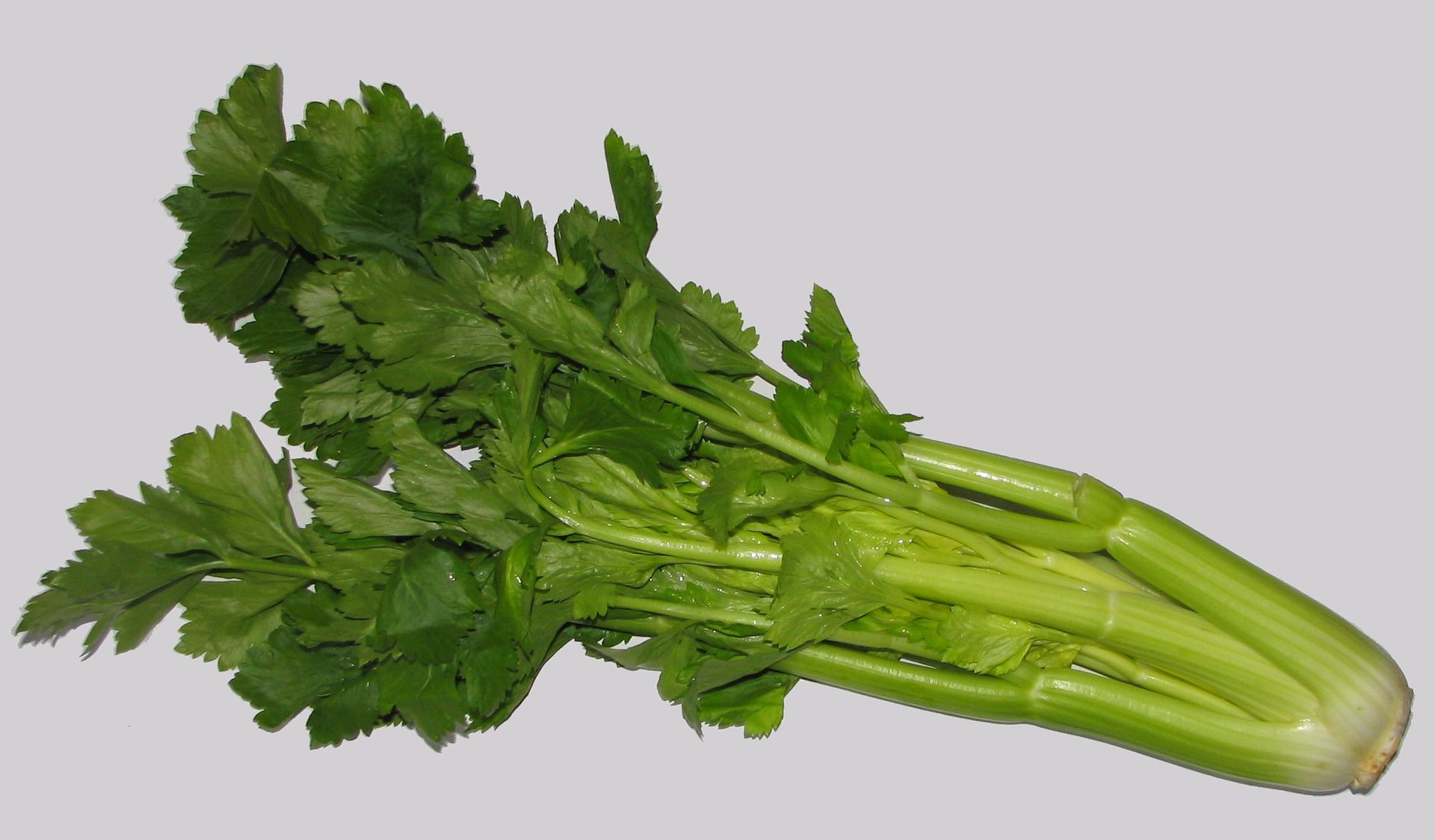
Buying a whole bunch of celery for one recipe and watching the rest go limp in the crisper drawer is one of the most common forms of kitchen waste in American households. The good news: yes, you can absolutely freeze celery, and doing so is one of the easiest ways to stop wasting money at the grocery store.
That said, freezing celery does come with a trade-off you should know about before you start. Once frozen and thawed, celery will never be crisp again — but it works beautifully in cooked dishes, making it a practical staple to keep in your freezer year-round. This guide walks you through every step, from prep to storage to knowing when it’s time to toss a bag.
Can You Freeze Celery?
You can absolutely freeze celery, and if you chop it properly, blanch it, and dry it off before freezing, it can last about 12 months in the freezer. That’s a significant upgrade from the refrigerator, where celery can last anywhere from 1 to 4 weeks in the fridge, depending on how you store it.
Freezing celery is simple and helps prevent food waste. While celery loses most of its crispness after freezing, it works well in cooked dishes such as soups, stews, stir-fries, stuffing, and other recipes. If those are the dishes you’re making anyway — and for most home cooks in the US, they are — frozen celery is a completely practical substitute for fresh.
There are many types of celery preparations you can freeze, and the process may vary depending on whether you are freezing chopped celery, whole celery stalks, or celery juice. Chopped and blanched is the most efficient method for everyday cooking, and it’s the approach most food preservation experts recommend.
Pro Tip: If your celery has gone slightly limp before you get around to freezing it, don’t throw it out. Trim the base and stand the stalks in a bowl of cold water for a couple of hours to rehydrate them before prepping for the freezer.
Does Freezing Change the Texture or Taste of Celery?
Texture is where freezing has the biggest impact. Because celery contains a lot of water, its texture will soften after freezing. The ice crystals that form inside the cell walls during freezing break down the structure that gives fresh celery its signature snap. When thawed, that structure doesn’t come back.
Celery loses its crispness when frozen. The frozen product is suitable only for cooked dishes. This guidance comes directly from the National Center for Home Food Preservation at the University of Georgia, one of the most authoritative sources on home food preservation in the United States.
As for flavor, the change is much more subtle. Blanching before freezing helps lock in the mild, slightly bitter taste celery is known for. Unblanched celery can develop an off flavor over time because the natural enzymes that cause browning and degradation are still active in the freezer. While blanching helps preserve the best flavor, color, and texture for long-term storage, skipping this step is a quicker option for short-term freezing.
The bottom line: if you plan to eat celery raw, as a snack or in a salad, do not freeze it. But if you’re cooking with it, the flavor holds up well and the softened texture is a non-issue once it hits a hot pan or simmering pot.
How to Freeze Celery the Right Way
The process takes about 20 to 30 minutes of active work, plus a couple of hours of hands-off freezer time. Here’s the method that gives you the best results for long-term storage.
Step 1: Choose and Prep Your Celery
Select crisp, tender stalks, free from coarse strings. Avoid stalks that are already limp, discolored, or hollow. Trim off the root of the bunch of celery and pull apart the stalks. Wash them under cold running water, using your fingers or a vegetable brush to remove any dirt. Pat them dry.
Step 2: Chop the Stalks
Cut the stalks into whatever size pieces you think you’ll want to use later. One-inch pieces are a practical default that works in most soups and stews. It is usually better to freeze chopped celery than whole celery stalks: big pieces take up space and thaw slower, so unless you’re juicing, chopping first is usually smarter.
You can also freeze the leaves. Celery leaves can also be frozen. They add wonderful flavor to soups, broths, and sauces. Simply chop the leaves and freeze them in small freezer bags or containers so you can add them to recipes easily.
Step 3: Blanch the Celery
Bring a large pot of water to boil and prepare an ice bath — a large bowl of water three-quarters full of ice cubes and cold water. Water blanch for 3 minutes. Then remove the celery from the water with tongs or a slotted spoon and plunge it momentarily into the ice bath to stop the cooking.
Blanching cleanses the surface of dirt and organisms, brightens the color, and helps retard loss of vitamins. Blanching also wilts or softens vegetables and makes them easier to pack. It’s a small step that makes a real difference in quality six months down the road.
Step 4: Drain and Dry
Remove the celery with a slotted spoon and place it in a bowl of ice water. Drain and pat dry. Getting the celery as dry as possible before it goes into the freezer reduces ice crystal formation and helps prevent clumping.
Step 5: Flash Freeze on a Baking Sheet
Layer your baking sheets with parchment paper. Spread the celery pieces out on the sheets in a single layer, spacing them so they do not touch. Place the baking sheets in the freezer until the celery is frozen solid, about 1 to 2 hours.
Put it in the freezer and let the celery flash freeze before transferring it to a bag. This will make the pieces less likely to stick together in clumps. Flash freezing is what allows you to grab a handful of celery from a bag without pulling out one solid brick.
Step 6: Transfer to Freezer Bags and Seal
Transfer the frozen celery into freezer bags, remove as much air as possible, and seal the bag. Label, date, and store the bags in the freezer for up to 10–12 months. Store frozen celery in airtight freezer bags and label with the date before placing in the freezer.
To prevent freezer burn, remove as much air as possible from the bag before sealing. A vacuum sealer works best, but pressing the bag flat and squeezing out excess air by hand before zipping it shut gets the job done for most home cooks.
Pro Tip: Freeze celery in portion sizes that match how you typically cook. Pre-portioning into half-cup or one-cup bags means you can grab exactly what a recipe calls for without opening and resealing a large bag repeatedly.
How Long Can You Freeze Celery?
How long frozen celery lasts depends mostly on whether you blanched it first. Properly blanched, packaged, and frozen celery will maintain its best quality in the freezer for about 10 to 12 months. That’s long enough to carry a summer or fall harvest all the way through the following year.
Skip the blanching step and the timeline shrinks considerably. Raw celery does not last as long and can be stored for about two months. While you can absolutely freeze raw celery, celery frozen from raw will not keep as long in the freezer and should be used within 1 to 2 months.
| Celery Type | Freezer Life | Best For |
|---|---|---|
| Blanched and chopped | 10–12 months | Soups, stews, stir-fries, casseroles |
| Raw (unblanched), chopped | 1–3 months | Short-term cooking use |
| Whole raw stalks | 1–2 months | Juicing |
| Celery leaves | Up to 12 months (blanched) | Broths, sauces, soups |
Even within these windows, quality does decline gradually. Celery that has been in the freezer for 11 months will be technically safe but may taste less vibrant than celery frozen two months ago. For the best flavor, aim to use frozen celery within six months when possible, and always label your bags with the freeze date so you know what to use first.
How to Thaw Frozen Celery
Here’s the good news for busy cooks: the best part about frozen celery is it doesn’t need to thaw. You can take frozen celery directly out of its bag, throw it into your juicer or stockpot, and proceed as if it were fresh. Adding it straight from frozen also means it doesn’t have a chance to turn mushy before it hits the heat.
If your recipe does call for thawing — for instance, if you’re mixing celery into a cold dish that will be cooked later — the safest approach is to move the bag from the freezer to the refrigerator and let it thaw overnight. This keeps the celery at a safe temperature throughout the process.
If you let it thaw, it will get soggy and therefore doesn’t work well in salads. For any recipe where the celery will be eaten cold or raw after thawing, you’re better off buying fresh. Thawed celery is a cooked-dish ingredient — full stop.
Important Note: Never thaw celery at room temperature on the counter. Leaving it out allows the outer layers to warm into the temperature danger zone (40°F–140°F) while the inside is still frozen, which creates conditions where bacteria can grow.
Can You Refreeze Celery After Thawing?
Technically, you can refreeze celery that has been thawed in the refrigerator, as long as it was never left at room temperature and has not been sitting in the fridge for more than a day or two. The food safety concern with refreezing is not that it makes food immediately unsafe — it’s that each freeze-thaw cycle degrades the texture and flavor further.
Celery that has already lost its crispness after one freeze will become noticeably mushier and more watery after a second freeze. For a vegetable that’s already soft after freezing once, a second round makes it nearly unusable in most recipes. The better approach is to portion your celery before the first freeze so you only pull out what you need each time, avoiding the need to refreeze altogether.
If you thawed celery by cooking it — for example, you added frozen celery to a soup — the cooked soup itself can be refrozen without issue. The celery inside has already served its purpose and the dish as a whole is what matters at that point.
How to Use Frozen Celery (Best Uses After Freezing)
Frozen celery is good for anything that simmers, sautés, or blends. Because the texture change is a given, the key is steering it toward dishes where softness is expected or unnoticeable. Here are the best ways to put your frozen celery to work in the kitchen:
- Soups and stews: Add frozen celery directly to the pot — no thawing needed. It softens quickly and blends into the background of any broth-based soup, from chicken noodle to hearty stews.
- Stocks and broths: Frozen celery is ideal for homemade vegetable or chicken stock. The texture doesn’t matter since you strain everything out at the end, and the flavor contribution is excellent.
- Stuffing and dressing: Classic Thanksgiving stuffing calls for cooked, softened celery. Frozen celery goes straight into the pan with butter and onions without missing a beat.
- Stir-fries and sautés: Add frozen celery to a hot skillet and it cooks down quickly. It works well in dishes where it’s one of several vegetables rather than the star of the plate.
- Casseroles: Any baked casserole that includes celery as an aromatic — tuna casserole, chicken and rice, or a classic green bean casserole — is a natural fit for frozen celery.
- Smoothies and juices: Frozen celery works very well in cold recipes that are blended, including juices and smoothies. The texture is irrelevant when everything gets blended anyway.
- Mirepoix base: Celery is one-third of the classic French mirepoix (celery, onion, carrot). Keep frozen celery on hand alongside frozen onion and carrot to build flavor bases for any dish without running to the store.
For recipe inspiration that puts celery’s heart-healthy properties to work, consider building it into soups and plant-based dishes regularly. Celery is also worth including if you’re exploring whole plant-based foods as part of your everyday cooking routine.
Frozen chopped celery can be added directly to cooked dishes without thawing first. That convenience is one of the biggest practical advantages of keeping a bag in the freezer — it shaves prep time off weeknight dinners without sacrificing flavor.
Signs That Frozen Celery Has Gone Bad
Frozen celery that has been stored correctly and used within the recommended timeframe is safe to eat. But freezer storage isn’t foolproof. Here’s what to look for before you use a bag of frozen celery:
- Severe freezer burn: Some white or grayish patches on the surface are normal and the celery is still safe to eat — just trim those areas away. If the entire bag is covered in thick, dry, frosty patches and the celery looks shriveled, the quality has degraded too far to be worth using.
- Off or sour smell: Properly frozen celery has a mild, faintly vegetal smell. If it smells sour, fermented, or just wrong when you open the bag, discard it.
- Discoloration: Blanched celery retains a bright green color in the freezer. Yellowing, browning, or a dull, gray-green color throughout the bag — not just surface frost — can indicate quality breakdown.
- Slimy texture after thawing: Thawed celery will be soft, but it should not be slimy or mushy to the point of falling apart. Sliminess after thawing is a sign of bacterial activity and the celery should be thrown out.
- Unusual taste: If your celery tastes bitter, sour, or off once it’s cooked, trust your palate and don’t eat it.
Important Note: When in doubt, throw it out. Frozen celery that has been stored too long or improperly is not worth the risk of foodborne illness, especially since a fresh bunch of celery is inexpensive and widely available at grocery stores across the US.
To keep your frozen celery in the best possible condition, store it toward the back of the freezer where temperatures are most consistent, away from the door where temperature fluctuations happen every time you open it. Consistent cold storage is what keeps frozen vegetables safe and flavorful for the long haul. You can find more guidance on foods that support your overall health — including fibroid-healing foods and nutrients that fight cancer — on our site.
Frequently Asked Questions
Can You Freeze Celery Without Blanching It?
Blanching celery before freezing is recommended for long-term storage, but it isn’t always necessary if the celery will be used soon. If you plan on using your celery within about 3 months, you don’t need to blanch it before freezing. Just be sure to rinse it very well before freezing, and cook it before eating.
Can You Freeze Celery Stalks Whole?
You can freeze celery stalks whole, raw, or blanched. However, it is usually better to freeze chopped celery than whole celery stalks: big pieces take up space and thaw slower, so unless you’re juicing, chopping first is usually smarter.
Can You Freeze Celery and Carrots Together?
You can freeze celery and carrots together. Just make sure to blanch them separately since they cook at slightly different speeds. Blanch the celery for about 2 minutes and the carrots for about 3 minutes. Once both are blanched, cooled, and dried, you can combine them in the same freezer bag.
Does Frozen Celery Work in Smoothies?
Yes. Frozen celery works very well in cold recipes that are blended, including juices and smoothies. You can add it straight from the freezer without thawing. It also helps chill the smoothie naturally, reducing the need for added ice.
How Do You Know If Celery Is Still Good Before Freezing?
Choose fresh, crisp celery stalks for the best results. Stalks should be firm, bright green, and free of soft spots or heavy browning. The leaves, if still attached, should look fresh rather than yellowed or wilted. Starting with good-quality celery is the single biggest factor in ending up with good-quality frozen celery.
Can You Freeze Celery Juice?
Yes, celery juice freezes well. Pour freshly made celery juice into ice cube trays, freeze until solid, then transfer the cubes to a freezer bag. This makes it easy to thaw only what you need. Frozen celery juice is best used within two to three months for the freshest flavor. If you’re interested in the health angle, celery is often included in discussions about foods that support liver function and skin-healthy eating habits.
Is Frozen Celery as Nutritious as Fresh?
Freezing preserves most of celery’s nutritional value, particularly when blanched quickly and frozen promptly after harvest or purchase. Blanching cleanses the surface of dirt and organisms, brightens the color, and helps retard loss of vitamins. Some water-soluble vitamins like vitamin C are reduced slightly during blanching, but the mineral content and fiber remain largely intact. For most everyday cooking purposes, frozen celery is a nutritionally sound choice. Celery is also sometimes highlighted alongside other foods worth knowing about for long-term health, making it a worthwhile staple to keep on hand in any form.