Can You Freeze Plums With Stones In? What You Need to Know

November 11, 2026
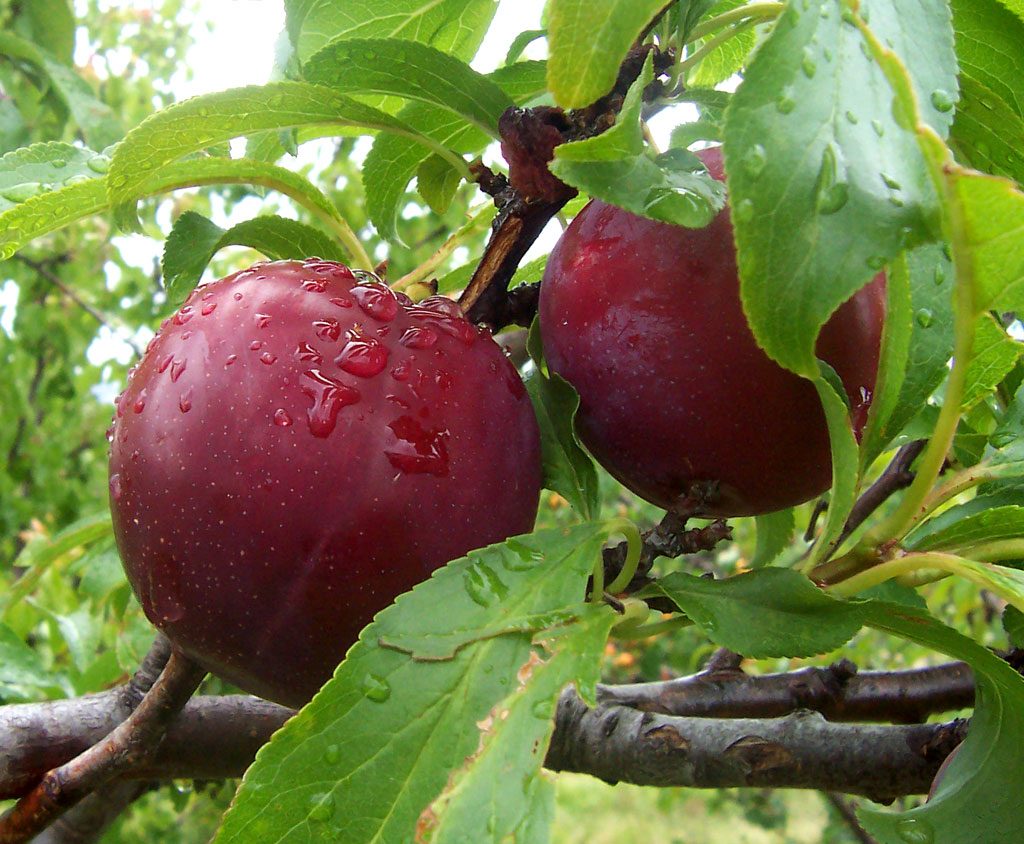
Plum season in the United States moves fast. Whether you picked up a flat at a farmers market or your backyard tree dropped more fruit than you can eat in a week, freezing is one of the smartest ways to hold onto that peak-summer flavor. But a common question stops a lot of people in their tracks: can you freeze plums with the stones still in?
The short answer is yes — technically. The practical answer is a little more nuanced. This guide walks you through everything you need to know about freezing plums the right way, how long they last, how to thaw them, and what to do with them once they come out of the freezer.
Can You Freeze Plums?
Yes, you can absolutely freeze plums. If you’re wondering whether you can freeze plums for later use, the answer is an emphatic yes. Freezing is one of the most practical ways to preserve a bumper crop without spending hours canning or making jam on the spot.
All of the fruit on a plum tree tends to ripen at the same time, so knowing how to freeze plums properly is especially useful when you have more than you can use. The same applies if you spot a great deal at the grocery store or a local orchard stand mid-summer.
Now, back to the stones. Plums with the pit — also called the stone — in them will freeze, but there’s no good reason to freeze them that way. Instead, cut them in half, remove the stone, and then freeze. This saves you time later. Pitting plums after they are thawed is messy, and the pit can sometimes add a bitter flavor over time. So while leaving the stone in is possible, removing it before freezing is always the better call.
Pro Tip: If you grow or buy freestone plums — like Santa Rosa — the pit pops out cleanly. Clingstone varieties take more effort, but the process is the same. Either way, pit before you freeze.
The National Center for Home Food Preservation confirms this approach: select firm, ripe fruit that is soft enough to yield to slight pressure, sort and wash, then leave whole or cut in halves or quarters and pit before freezing.
Does Freezing Change the Texture or Taste of Plums?
Expect some change in texture — that’s just the nature of freezing any high-moisture fruit. Frozen plums, like any frozen produce, will undergo a change in texture. Once defrosted, the fruit will have broken down slightly and its juices will begin to leach out, so it won’t have the crisp texture of a fresh plum for eating out of hand.
This softening happens because of the formation of ice crystals during freezing. To minimize it, freeze the plums as quickly as possible and store them at a consistent temperature. The faster the freeze, the smaller the crystals, and the better the final texture.
Freezing overly ripe plums can result in a mushy texture when thawed, making them less enjoyable to eat. Aim to freeze plums that are just ripe enough for optimal results. Plums that are too firm won’t have developed their full sweetness yet, while overripe ones will turn to mush in the bag.
As for flavor, properly frozen plums hold up well. Plums are packed with vitamins, antioxidants, and fiber. Freezing them not only preserves their nutritional value but also allows you to enjoy them year-round. The sweetness and tartness stay largely intact, especially when you freeze at peak ripeness.
Without blanching, plums can become mushy, develop off-flavors, and lose their vibrant color. Blanching helps to preserve the quality of the fruit, ensuring that when they are thawed, they are as close as possible to their fresh state. That said, many home cooks skip blanching and still get good results — it depends on how you plan to use the plums.
How to Freeze Plums the Right Way
The method you choose depends on how you plan to use the plums later. Here are the three most reliable approaches for home freezing in the US.
Method 1: Dry Pack (Flash Freeze)
This is the most popular method for everyday use. It keeps the slices separate, so you can grab just a handful for a smoothie or a cup for a recipe without having to thaw a giant ice block.
- Wash your plums under cool running water and pat them completely dry with a clean kitchen towel.
- Use a sharp paring knife to slice the plums into one-inch thick wedges. Remove and discard stems and pits.
- Spread your sliced plum wedges on a baking sheet in one layer without overlapping. Cover with plastic wrap. Put the baking sheet in the freezer until the plums are firm and no longer sticky — about an hour.
- Once the plums are firm and dry from freezing, remove them from the baking sheet and put them in a freezer bag, leaving an inch of empty space at the top. Use a vacuum sealer or squeeze out as much air as possible — using a straw can help. Too much air in the bag will cause freezer burn.
- Label the containers with the freezing date so you can keep track of their storage duration.
Method 2: Syrup Pack
Packing plums in syrup gives you better texture preservation and is especially good for pies and cobblers. Use cold 40 to 50 percent syrup, depending on the tartness of the fruit. For better quality, add 1/2 teaspoon (1,500 mg) of ascorbic acid per quart of syrup. Put plums directly into the cold syrup in the container, starting with 1/2 cup of syrup to a pint container. Press the fruit down and add syrup to cover, leaving headspace. Seal and freeze.
To avoid plums browning in the freezer, you can toss them in lemon juice or use a commercial product sold for preventing fruit from browning. This step matters most if you’re freezing halves or wedges without syrup.
Method 3: Blanch Before Freezing (Optional)
Blanching is worth the extra step if you want to preserve color and slow enzyme activity. It involves briefly immersing the plums in boiling water, followed by an immediate plunge into ice water. This process deactivates enzymes that cause deterioration in flavor, color, and texture during frozen storage.
Make an “X” in the end of the plum using a small knife. Put the plums into the boiling water for 30 seconds. Remove with a slotted spoon and put them in the ice bath for 30 seconds. The blanching process makes peeling very easy. After that, pit, slice, and proceed with the dry pack or syrup pack method above.
Pro Tip: If you want to ship frozen plums to family or send them as part of a food gift, proper airtight packaging is non-negotiable. See this guide on how to ship frozen food for packaging tips that keep things cold in transit.
How Long Can You Freeze Plums?
Storage time depends on the method you use. Here’s a quick breakdown:
| Freezing Method | Recommended Storage Time | Maximum Safe Duration |
|---|---|---|
| Dry pack (wedges/halves) | Up to 6 months | Up to 12 months |
| Syrup pack | Up to 12 months | Up to 12 months |
| Stewed/cooked plums | Up to 12 months | Up to 12 months |
| Whole (with stone) | Up to 6 months | Up to 6 months |
Frozen plums will keep for 6 to 12 months, depending on which method of freezing you used. Frozen raw and prepared plums can be used for as long as 6 months without any loss in color and texture. However, plums frozen in syrup or stewed can be kept in the freezer for a total of 12 months.
Frozen plums will last about six months in a refrigerator-attached freezer and up to a year in a stand-alone freezer. More time will begin to degrade the quality of the plums, but this is not necessarily harmful. A chest freezer or dedicated upright freezer maintains a more stable temperature than the freezer compartment attached to your fridge, which sees more temperature swings from daily use.
Pastry instructor Trung Vu of New York City’s Institute of Culinary Education told The Takeout that frozen plums are best used within six months, noting that “they can still be safe to eat after that period; however, the flavor and texture will degrade the longer they are kept.”
How to Thaw Frozen Plums
The best method for thawing frozen plums depends on how you intend to use them. There’s no single right answer — it comes down to what you’re making.
- Refrigerator thaw (best for most uses): If you want to eat them raw, let them thaw in the fridge overnight. This is the slowest method but gives you the most control over texture.
- Cold water thaw (faster): Place the freezer bag or container in a bowl of cold water. Change the water every 30 minutes to ensure consistent thawing.
- Direct use from frozen: For recipes where the texture isn’t critical, such as making jam, sauce, or smoothies, you can thaw the plums directly from frozen. Simply add them to the pot or blender as needed.
Do not thaw plums at room temperature for extended periods. Leaving fruit out on the counter invites bacterial growth and speeds up deterioration. If you’re in a hurry, the cold water method is a safer and faster alternative to room-temperature thawing.
Important Note: Once thawed, plums release a lot of juice. Set them in a bowl or colander over a container to catch the liquid — that juice is full of flavor and works great stirred into yogurt, drizzled over oatmeal, or reduced into a simple syrup.
Can You Refreeze Plums After Thawing?
Refreezing is technically possible but not recommended. You can refreeze plums, but only when they’ve been kept at refrigerated temperatures for less than two days. Plums contain a lot of water, and after freezing and thawing, refreezing can be a risky option. If you have to refreeze a plum, cook it first and then freeze it.
Thawing allows the growth of bacteria and germs that can further multiply when you refreeze the plum. This turns the nutritious fruit rather dangerous for consumption. Even if the plums are technically safe after a second freeze, the texture will suffer significantly — expect a very soft, almost pureed consistency once thawed again.
The best way to avoid this situation is to freeze plums in small, portion-sized bags. Only thaw the amount that will be immediately consumed. If you froze them using the flash-freeze method, you can pour out exactly what you need without disturbing the rest of the bag.
How to Use Frozen Plums (Best Uses After Freezing)
Frozen plums can be used for just about any application. Pastry instructor Trung Vu suggested making jam or blending the plums into smoothies, adding that they’re great for baking. The softer post-thaw texture actually works in your favor in cooked and blended applications.
Here are some of the best ways to put frozen plums to work:
- Smoothies and shakes: Frozen plums can be used directly without thawing in smoothies. Toss them straight into the blender with yogurt, banana, or almond milk for a thick, naturally sweet drink.
- Pies, crumbles, and cobblers: Add them to your favorite pie or crumble recipe for a burst of fruity flavor. Thaw and drain excess liquid first so your filling doesn’t become watery.
- Jams and preserves: Use them to make homemade jams and preserves. When you find plums that have been sitting around for a while, turn them into jam because the texture of the fruit is unimportant.
- Sauces for meat dishes: Create savory sauces to accompany meats or vegetables. Plum sauce pairs especially well with pork tenderloin, duck, and grilled chicken — a popular combination in American home cooking.
- Baked oatmeal and muffins: Fold thawed, drained plum pieces into batter the same way you would use fresh blueberries or peaches.
- Yogurt parfaits and overnight oats: Thaw a small portion in the fridge overnight and spoon over Greek yogurt or oats in the morning.
Keep in mind that the texture of frozen plums may be slightly different when thawed, so it’s best to use them in cooked or baked recipes where the texture is less crucial. Save fresh plums for eating out of hand — use your frozen ones for cooking.
Signs That Frozen Plums Have Gone Bad
Frozen plums don’t spoil the way fresh fruit does, but they can degrade in quality over time or develop problems if stored improperly. Here’s what to watch for before you use them:
- Freezer burn: Leaving air in freezer bags can lead to freezer burn, which affects the taste and texture of your plums. Freezer-burned plums look dry, grayish, or leathery at the edges. They’re safe to eat but taste flat and papery. Cut away the affected portions if the damage is minor.
- Off smell after thawing: Fresh plums have a sweet, slightly floral aroma when thawed. If yours smell sour, fermented, or off in any way, discard them.
- Unusual color: Plums can brown when exposed to air. To prevent browning, treat the plums with lemon juice or ascorbic acid before freezing. Some browning on cut surfaces is normal, but gray or black discoloration throughout the flesh is a sign of significant degradation.
- Slimy or moldy texture after thawing: If thawed plums feel slimy rather than just soft, or if you spot any visible mold, throw them out. This can happen if the plums weren’t fully frozen, or if the freezer lost power for an extended period.
- Excessive ice crystals inside the bag: A heavy buildup of ice inside the bag (not on the plums themselves) often signals temperature fluctuation. The plums may still be usable, but check texture and smell before proceeding.
As time passes, frozen plums may still be safe to eat but could suffer from freezer burn or a decline in taste and texture. When in doubt, use your senses — smell and appearance are your best guides.
Frequently Asked Questions
Can you freeze whole plums without cutting them?
It’s perfectly possible to freeze plums whole, but it’s probably not something you want to do, as there is no benefit to doing so. You’ll be left with fruit that takes a long time to defrost and that will contain an inedible stone that still needs to be removed. Halving and pitting before freezing takes just a few extra minutes and saves a lot of hassle later.
Do plums need to be blanched before freezing?
Many people choose to freeze plums without blanching, as this method can maintain their flavor and nutrients. Blanching is optional but helpful if you want to preserve color and slow enzymatic browning over longer storage periods. For short-term freezing (under six months), skipping blanching is fine.
What are the best plum varieties for freezing?
When it comes to freezing plums, choose varieties that are high in sugar and flavor. These plums will retain their sweetness and flavor even after freezing. Some popular varieties for freezing include Santa Rosa plums, known for their sweet and juicy flesh. Generally, freestone plums, which are easier to pit, are preferred for freezing, as they simplify the preparation process.
Can you freeze stewed plums?
Yes, stewed plums can be frozen for up to 12 months. Once stewed, allow the mixture to completely cool before portioning it out into freezer bags. Stewed plums often freeze better than raw ones because cooking breaks down the cell walls before freezing, so there’s less textural change after thawing.
How do you keep frozen plums from sticking together?
Flash freezing is the answer. Flash freezing involves freezing the plums quickly to preserve their texture and flavor. Spread the prepared plums out in a single layer on a baking sheet. Place the baking sheet in the freezer and freeze the plums until they’re firm and frozen solid. Transfer the frozen plums to airtight containers or freezer bags. Once individually frozen, they won’t clump together in the bag.
Are there other fruits and foods worth learning to freeze and preserve?
Absolutely. If you enjoy preserving seasonal produce, it’s worth exploring other foods that start with P — many stone fruits and produce items follow similar freezing principles. You can also browse options by category, such as foods that start with A, foods that start with C, or foods that start with F for ideas on what else to stock in your freezer throughout the year.