Can You Eat Mango While Pregnant? Yes — Here’s How to Do It Right

April 17, 2026
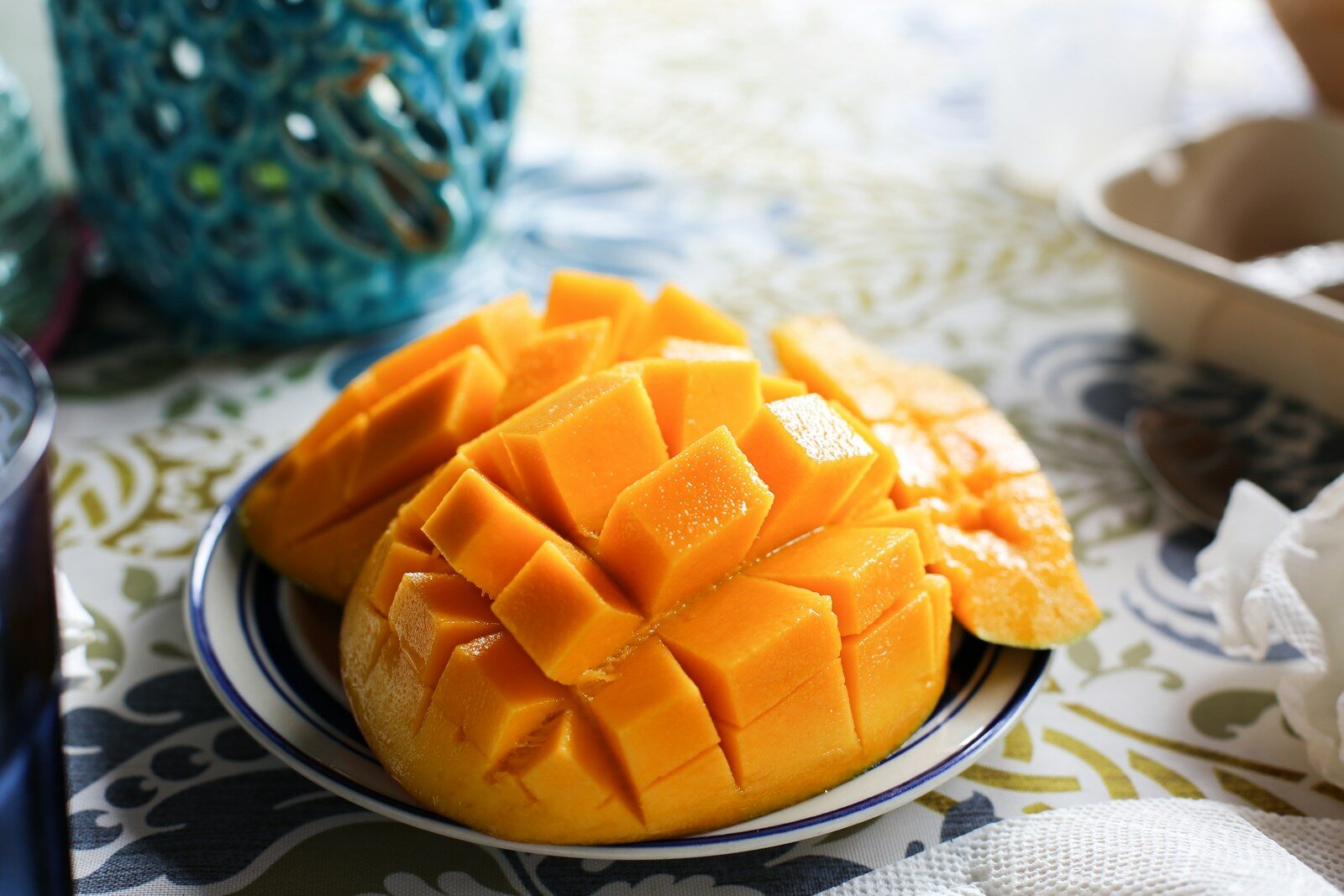
You’re craving a juicy slice of mango and suddenly wondering whether it’s on the approved list. It’s a fair question — pregnancy has a way of turning even the most innocent snack into a cause for second-guessing.
Here’s the good news: not only are mangos safe to eat while you’re pregnant, but they contain a host of nutrients that are beneficial to you. In fact, this tropical fruit might be one of the smartest additions to your pregnancy plate. Below, you’ll find everything you need to know — from safe serving sizes and trimester-specific tips to the few situations where you’ll want to hold off.
The Short Answer
Eating mango during pregnancy is generally considered safe, and mangoes can actually be a healthy addition to a pregnant woman’s diet. According to the FDA, mangos and fruits are safe to eat while you’re pregnant.
The key word is moderation. The majority of nutritionists recommend one medium mango — diced, that’s about 1 cup — per day as being safe during pregnancy. Stick to that range, choose naturally ripened fruit, and you’re in great shape.
Pro Tip: If you’re unsure about portion sizes or have a pre-existing condition like gestational diabetes, check with your OB-GYN before making mango a daily habit. A quick conversation can give you personalized peace of mind.
Why It’s Safe
Mango isn’t just safe — it’s genuinely nourishing during pregnancy. Mangoes contain essential vitamins, minerals, and antioxidants that contribute to maternal well-being and the growth of the fetus. That’s a lot of work for one fruit.
Here’s a closer look at what makes mango such a strong choice for your prenatal diet:
- Folate: One ¾ cup serving of mango is a good source of folate, a key prenatal vitamin. Women who don’t get enough folate are at risk of having babies with neural tube defects, such as spina bifida, and folate deficiency can also increase the likelihood of having a premature or low birth weight baby.
- Vitamin C: Vitamin C increases the absorption of iron from other foods, which can assist in lowering the risk of anemia.
- Vitamin A: Vitamin A is necessary for the proper growth of the baby’s heart, lungs, kidneys, and bones.
- Vitamin B6: Vitamins B6 and folate in mango assist with the development of the fetus’s brain and nervous system early on.
- Fiber: The fiber found in mangoes helps avoid constipation, one of the most common problems during pregnancy, and ensures a healthy digestive system.
- Potassium: Potassium in mangoes helps maintain fluid balance, supporting muscle and blood pressure function.
- Antioxidants: The antioxidants present in mangoes help fight oxidative stress, preventing cellular damage to both the mother and the fetus.
To put it simply, ¾ cup of mango covers 50% of your daily vitamin C, 15% of your daily folate, 8% of your daily vitamin A, 8% of your daily vitamin B6, 7% of your daily fiber, and 15% of your daily copper. That’s a remarkable nutritional return for one small serving. You can explore more powerful nutrient-dense foods worth knowing about, or check out this overview of whole plant-based foods to round out your pregnancy diet.
What the Research Actually Says
Beyond the nutrient profile, researchers have taken a closer look at mango and pregnancy outcomes — and the findings are encouraging.
A study co-author noted that pregnant women are at risk for health conditions like gestational diabetes and hypertension, but that “mangoes are a healthful fruit that contribute many of the nutrients associated with reducing risk of pregnancy-related diseases — including fiber, folate, magnesium, potassium, and vitamin E.”
Researchers gathered data from 16,744 women aged 15–44 from the National Health and Nutrition Examination Survey (NHANES) and found that Healthy Eating Index scores were 16 percent higher among women of childbearing age who included mangoes in their diet, with notably higher intakes of vitamin C, fiber, vitamin E, folate, magnesium, and potassium — and lower intakes of added sugars, saturated fat, and total fat.
It’s also worth clearing up a few persistent myths. Common claims that mangoes cause heat in the body or can induce labor are not supported by scientific evidence. There is no proof that eating mangoes increases heat or causes harm to the baby. Similarly, moderate amounts of raw mango won’t cause miscarriage or preterm labor.
Key Insight: Women of childbearing age who eat mangoes regularly score significantly higher on healthy eating indices — not just because of what mango adds, but because it tends to replace less nutritious choices.
How to Do It Safely
Eating mango during pregnancy is straightforward once you know a few simple guidelines. Here’s how to enjoy it confidently across all three trimesters.
Safe Serving Size
It is safe to consume up to 200 grams of mango per day during pregnancy. This can be taken as pulp or as a smoothie mixed with milk or yogurt, or alongside other cut fruits — just avoid adding sugar, since mango already has adequate sugar content.
How to Prep Mango Safely
- Wash thoroughly. Rinse the mango under running water, then soak it in a bowl of lukewarm water with a few drops of vinegar or lemon juice for 15–20 minutes.
- Scrub gently. Scrub the mango with a clean brush to remove any residue, then rinse again under running water.
- Peel the skin. Only eat the pulpy part — not the peel, which can contain chemicals and pollutants.
- Eat it fresh. Do not eat mango that has been kept uncovered and cut for a long time, or mango that is overripe, as it can cause gut infection or diarrhea.
- Choose naturally ripened fruit. Some mangoes are artificially ripened using calcium carbide, a chemical that is possibly toxic — purchasing organic or naturally ripened mangoes is always better.
Trimester-by-Trimester Guide
First Trimester: Mangoes are a delightful and safe fruit to consume during the first trimester. Packed with folic acid, iron, vitamin C, vitamin A, vitamin B6, and potassium, they play a crucial role in supporting the growth and development of the fetus, and the abundance of folic acid is particularly beneficial for the formation of the baby’s nervous system. Mango’s natural sweetness and B6 content can also help take the edge off morning sickness. Learn which foods and beverages to avoid during pregnancy alongside what’s safe to eat.
Second Trimester: In the middle trimester, ripe mangoes continue to be a safe and delicious choice. Opt for naturally ripened mangoes and ensure they are thoroughly washed before consumption. Peeling the skin can reduce exposure to potential chemicals, and if you have gestational diabetes, consult your gynecologist before enjoying mangoes due to their natural sugar content.
Third Trimester: Approaching the final stretch of pregnancy, mangoes can still be enjoyed, but moderation is key. With their relatively higher calorie content compared to some fruits, it’s wise to be mindful of your intake — and if consuming mango in smoothies, shakes, or desserts, keep an eye on sugar levels to maintain a balanced diet.
Pro Tip: Pair your mango serving with a protein source — like Greek yogurt or a small handful of nuts — to slow sugar absorption and keep your energy steady throughout the day. This is especially helpful in the third trimester when blood sugar management matters most.
Raw vs. Ripe Mango
Both raw and ripe mangoes are safe, but they shine in different ways. Raw mango is tangy, high in vitamin C and fiber, and great for nausea and digestion — best for women craving sour flavors, but it can be harsh on sensitive stomachs. Ripe mango is sweet, rich in antioxidants, and easier to digest, making it perfect for an energy boost, though it is higher in sugar and not ideal for gestational diabetes.
For more guidance on building a nutrient-rich pregnancy diet, see this helpful list of superfoods for a healthy heart and foods that boost brain health — both of which complement a mango-inclusive eating plan.
When to Avoid It Completely
Mango is safe for most pregnant women, but there are specific situations where you should pause or skip it entirely.
- Gestational diabetes: Women with gestational diabetes need to avoid or minimize the intake of mangoes because of a potential high blood sugar level. If you’ve been diagnosed, talk to your doctor about whether and how much mango fits your glucose management plan.
- Recurring digestive issues: If you experience recurring acidity, bloating, or diarrhea following consumption, it’s a sign to cut back or stop.
- Artificially ripened mangoes: If you’re worried about chemical exposure, consume only naturally ripened mangoes, which eliminates the problem of calcium carbide, a chemical commonly used in artificial ripening processes.
- Processed mango products: Do not consume mango milkshakes or store-bought mango juices containing sugar and preservatives. Dried mangoes, chutneys, murabba, and candied mangoes all have added sweeteners, so eat them only occasionally.
- Doctor’s recommendation against it: If your physician recommends against mango based on certain pregnancy-related complications, follow that guidance.
- Mango allergy: Some women may be allergic to raw mangoes or related fruits like cashews. Watch for itching, swelling, or breathing issues, and see a doctor if these occur.
Important Note: This information is for educational purposes only and is not intended as medical advice. Always consult with a qualified healthcare professional before making significant changes to your diet during pregnancy.
Quick Reference Chart
| Mango Type / Form | Status | Notes |
|---|---|---|
| Fresh ripe mango (pulp only) | ✅ Safe | Up to 200g/day; wash, peel, and eat fresh |
| Raw (green) mango | ✅ Safe with caution | Limit to 100–200g/day; can help with nausea; avoid if stomach is sensitive |
| Frozen mango (no additives) | ✅ Safe | Good option; check label for added sugar or preservatives |
| Homemade mango smoothie | ✅ Safe | Use fresh mango; avoid adding sugar; pair with yogurt or milk |
| Mango with gestational diabetes | ⚠️ With Caution | High natural sugar; consult your doctor before including |
| Raw mango in first trimester | ⚠️ With Caution | Safe in small amounts; large quantities may cause uterine stimulation |
| Artificially ripened mango | ⚠️ With Caution | May contain calcium carbide; choose organic or naturally ripened only |
| Mango skin / peel | ❌ Avoid | Can contain chemicals and pesticide residue; eat pulp only |
| Store-bought mango juice | ❌ Avoid | Often contains added sugar and preservatives |
| Candied or dried mango (sweetened) | ❌ Avoid | High in added sugar; only occasional treat if at all |
| Overripe or cut mango left uncovered | ❌ Avoid | Risk of gut infection and diarrhea |
| Mango pickle / spicy mango condiments | ❌ Avoid | Can trigger acidity, bloating, and indigestion during pregnancy |
For a broader look at what belongs on and off the pregnancy menu, the foods and beverages to avoid during pregnancy guide is a helpful companion resource. You might also find value in reviewing fibroid healing foods and foods that support liver function as part of a well-rounded nutritional approach.
Frequently Asked Questions
Can eating too much mango hurt my baby?
Excessive consumption of mangoes can result in weight gain, gastrointestinal upset, or elevated blood sugar levels. Sticking to one medium mango (around 200g) per day keeps you well within the safe range for most pregnancies.
Is mango safe in the first trimester?
During the first trimester, it is okay to eat mangoes in moderation. The vitamins B6 and folate in mango assist with the development of the fetus’s brain and nervous system early on. Raw mango can even help ease morning sickness thanks to its tangy flavor and B6 content.
Can I drink mango juice while pregnant?
Fresh, homemade mango juice without added sugar is generally fine in moderate amounts. Do not consume store-bought mango milkshakes or juices containing sugar and preservatives. If you’re making it at home, skip the sweetener — the fruit is sweet enough on its own.
Does mango cause miscarriage?
Moderate amounts of raw mango won’t cause miscarriage or preterm labor. Just don’t overdo it due to its enzymes. This concern is a common myth with no scientific backing.
Is dried mango safe during pregnancy?
Dried mango is safe to eat during pregnancy, especially when it is made without additives, preservatives, or added sugars. Like many things in pregnancy, it comes down to quality and moderation. Be mindful of portion size, as the sugar content is more concentrated than fresh mango.
What if I have gestational diabetes — can I still eat mango?
The sugar in mango is fructose, which is better tolerated by diabetic patients, but if you have diabetes, it is still important to consume mango in moderation and account for its caloric content. Always confirm with your doctor or dietitian what fits your specific glucose management plan. You can also explore skin-supporting foods and foods that promote healthy eyesight — both of which are nutrient-rich options compatible with a gestational diabetes-friendly diet.
Can mango help with morning sickness?
The tangy flavor of raw mango can relieve nausea, especially in early pregnancy. Vitamin B6 in green mangoes also helps alleviate nausea during pregnancy, particularly in the early months. A small slice of raw mango with a tiny pinch of salt is a popular and effective remedy for many expecting mothers.
Are there good alternatives if I can’t eat mango?
If you’re avoiding mangoes due to gestational diabetes, opt for apples or blueberries, as they have a lower glycemic index and provide similar benefits. Papaya (ripe), berries, and citrus fruits are also excellent pregnancy-friendly options rich in the vitamins mango provides. For ideas on balancing other food groups during pregnancy, that resource is worth a look too.