Can You Freeze Gravy Made With Bisto? (What You Need to Know)

November 11, 2026
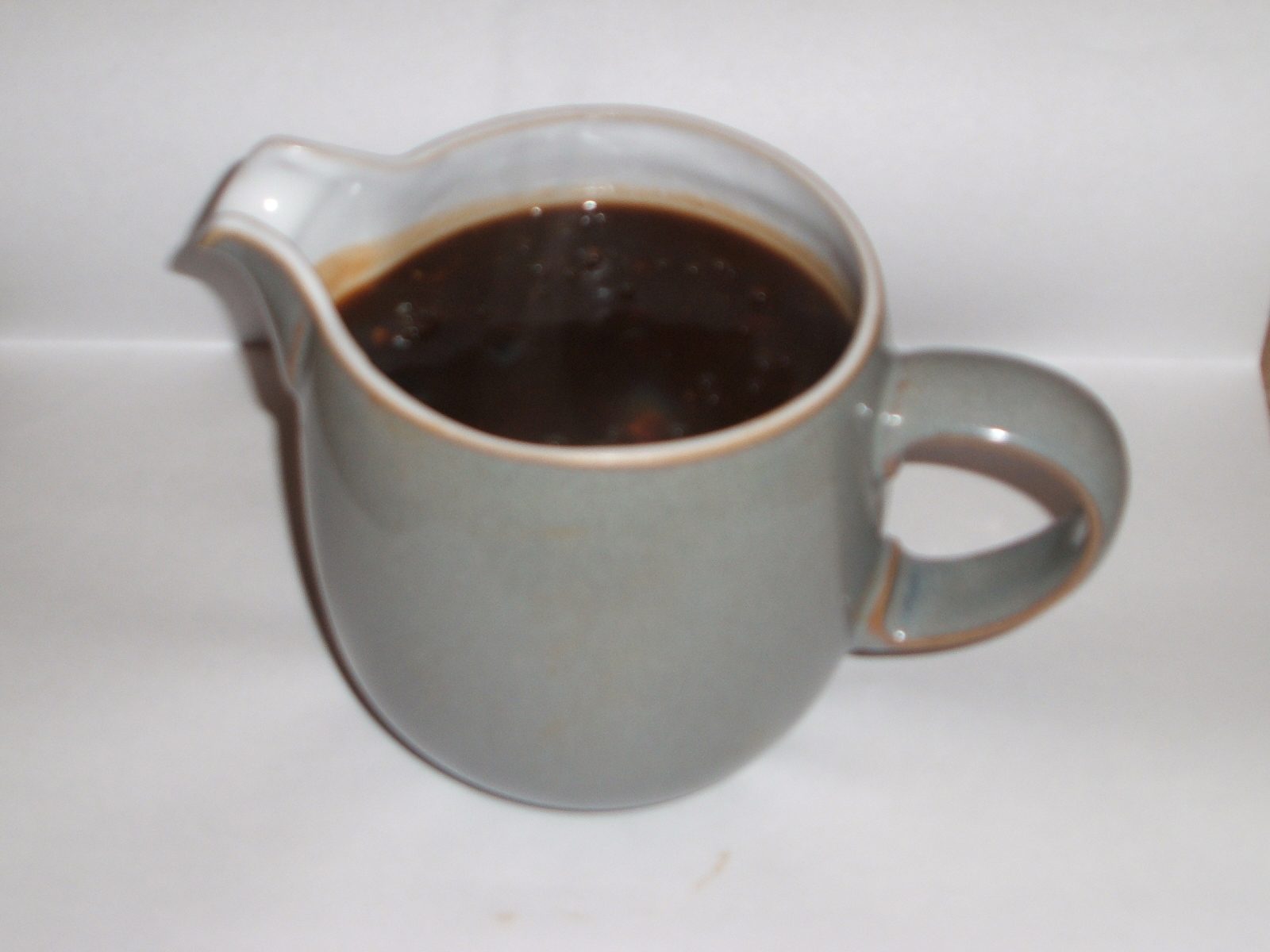
If you’ve made a big pot of Bisto gravy and ended up with more than you need, you might be wondering whether it’s worth stashing the leftovers in the freezer. The good news is that yes, you absolutely can. You can freeze gravy — including beef gravy, turkey gravy, chicken gravy, and gravy made with Bisto granules.
That said, there are a few things worth knowing before you pop that container in the freezer. Bisto-based gravy behaves a little differently depending on how you made it, and the way you freeze and reheat it makes a real difference to the final result. This guide walks you through everything, from portioning and packaging to thawing and spotting spoilage.
Can You Freeze Gravy Made With Bisto?
Yes, you can freeze Bisto gravy, although the texture might change slightly upon thawing. For most people, that minor change is easy to fix with a quick whisk during reheating, and the flavor holds up well enough for everyday meals.
One thing worth keeping in mind: Bisto is both cheap and easy to make as and when you need it. The granules last in the cupboard for months, so if possible, some cooks recommend not freezing Bisto gravy. If you only made a small amount and have plenty of granules on hand, making a fresh batch might be the simpler route. But if you’ve built up a rich, enhanced version — say, with pan drippings, sautéed onions, or meat juices — freezing is absolutely worth it.
You can make a big batch and freeze it in portions for use as and when you need them. Having ready-made gravy can help take the pressure off at busy times. This is especially handy if you’ve cooked a Sunday roast or Thanksgiving-style spread and want to save the extra gravy for weeknight meals.
Pro Tip: If you boosted your Bisto with pan drippings, herbs, or caramelized onions, freezing is well worth the effort — that flavor is much harder to recreate from scratch than plain granule gravy.
Does Freezing Change the Texture or Taste of Bisto Gravy?
Freezing does affect Bisto gravy to some degree, but it’s manageable. The texture and flavor may be slightly affected when you freeze Bisto gravy in large batches. The main issues you might notice after thawing are separation, a slightly thicker consistency, or a mildly diluted flavor.
Gravy made using a flour base freezes well. As long as you follow the instructions, you should be able to freeze and reheat gravy without too many problems. Since Bisto granules use modified starch and wheat flour as thickeners, they generally fall into this category and freeze reasonably well.
The bigger concern is if your Bisto gravy contains a significant amount of cream or milk. Cream-based gravy doesn’t freeze quite as well and can sometimes experience texture changes when frozen and thawed, because the fat in the cream may separate, causing the gravy to become grainy or separate. If your version is purely granule-based with water or stock, you’re in good shape.
If you find that your gravy has thickened when it was frozen, you can add a splash of broth or even water to make it the right consistency again. For gravy with butter or other fats, you can skim the solidified fat off the surface and reheat the gravy to reincorporate the fat for a smoother texture.
How to Freeze Bisto Gravy the Right Way
Proper technique makes a big difference in how well your frozen Bisto gravy holds up. Follow these steps for the best results:
- Cool it completely first. Let your gravy cool completely to room temperature before freezing. This prevents condensation from forming inside the container, which reduces bacteria growth and freezer burn.
- Choose your container. You can freeze gravy in airtight containers, freezer bags, or even ice cube trays if you plan to use up just a little of it at a time. Freezer bags are great because they can be laid flat, saving space.
- Leave headspace. While filling the gravy in airtight containers or bags, leave an inch of headspace for letting the sauce expand freely when frozen.
- Label everything. Label and date the gravy so you know what it is and when it needs to be used up. It’s worth being specific — for example, Chicken Gravy or Beef Gravy — if you’ve made it using meat juices.
- Keep containers upright. Place the container into the freezer and make sure you keep it upright, or you could end up with gravy spilled all over your freezer.
Pro Tip: The ice cube tray method is especially useful for Bisto gravy. Ice-cubed gravy is useful to have around — the cubes act as stock cubes or a great base for sauces to add a little extra flavor. Once frozen solid, transfer the cubes to a labeled freezer bag.
If you want to learn more about shipping or transporting frozen food safely, check out this guide on how to ship frozen food with ease.
How Long Can You Freeze Bisto Gravy?
Storage time depends on how the gravy was made and how well it’s sealed.
| Gravy Type | Freezer Life | Fridge Life |
|---|---|---|
| Standard Bisto (granules + water) | Up to 4 months | 2–3 days |
| Bisto enhanced with meat drippings | 2–3 months (best quality) | 1–2 days |
| Bisto with added cream or milk | Not recommended | 1–2 days |
A gravy made with Bisto will stay fresh for at least 4 months in the freezer. You can easily freeze it in an airtight container by following the proper steps — though the taste may alter a bit, it will remain fresh.
Your gravy will last up to six months in the freezer. However, 2–3 months is the sweet spot where most people don’t notice any degradation of flavor. For the best eating experience, aim to use frozen Bisto gravy within that window.
According to The Kitchn , per the FDA, gravy can be stored safely in the refrigerator for 1 to 2 days and frozen for 2 to 3 months. If you want to push beyond that, make sure the gravy is tightly sealed and free of dairy.
How to Thaw Frozen Bisto Gravy
Thawing slowly in the refrigerator is the safest and most effective method. Thaw the gravy the night before by placing it into a bowl in the refrigerator and let it defrost overnight. This gradual process helps the gravy stay closer to its original consistency.
Once thawed, reheat it carefully. When it comes to reheating, you will need to reheat it slowly over low heat. Don’t try to speed this process up, as you could end up with gravy that is clumpy and separated. Don’t forget to whisk the gravy during reheating.
If you’re short on time, the microwave works too. You can defrost gravy in the microwave — stick to low heat or use the defrost setting and nuke for 30 seconds at a time until the thick sauce is fully thawed. Stir between each interval to encourage even heating.
If the gravy looks separated after thawing, don’t panic. Add a bit of water or stock if it seems too thick, or if the gravy separated. You may be able to pull it back together with a little extra liquid and some vigorous whisking.
Important Note: Never thaw gravy at room temperature for extended periods. If you leave it for a longer time at room temperature, there is a risk of increasing bacteria growth. Always use the fridge or microwave method.
Can You Refreeze Bisto Gravy After Thawing?
This is one area where the answer is a firm no. Refreezing any gravy is not recommended. Whether it contains dairy or is made with turkey drippings, chicken, sausage, or beef, you should not refreeze it. You’ll find that the gravy splits when refrozen and defrosted again, and your chance of illness from bacteria is much higher.
You’ll often find that the fat freezes at a different rate, which will split your gravy. The texture after a second freeze-thaw cycle is generally unpleasant and difficult to rescue.
The best way to avoid this situation is to freeze your Bisto gravy in single-use portions from the start. That way, you only thaw what you need and never have to deal with leftovers from a frozen batch.
How to Use Frozen Bisto Gravy (Best Uses After Freezing)
Even if your thawed Bisto gravy isn’t quite as silky as the day you made it, it still has plenty of uses. If you are worried that your frozen gravy won’t be up to scratch when you defrost it, you can always use it as a flavoring in other dishes, such as soups, stews, or pot pies, which are more forgiving if the gravy is not as perfect as when it’s fresh.
Here are some practical ways to put frozen Bisto gravy to work:
- Pour over mashed potatoes or roasted vegetables — the classic use, and it still works great after freezing
- Use as a braising liquid — even a small amount of gravy could be added to casseroles or stews for some extra flavor
- Make Salisbury steak — simmer hamburger patties and sautéed onions in gravy to make Salisbury steak
- Enrich soups — add a little gravy to soup for rich flavor and to help thicken it a bit
- Simmer meatballs — simmer meatballs in gravy for a fun take on Swedish meatballs
- Top biscuits and gravy — a popular American comfort food that works well with a rich, savory brown gravy base
If the thawed gravy is a little thick, you can add a bit of hot water or stock to the gravy if it becomes too thick, which will help to thin it out and restore its original consistency.
Signs That Frozen Bisto Gravy Has Gone Bad
Frozen gravy doesn’t last forever, and it’s important to know when to toss it rather than risk a bad meal or foodborne illness. Here’s what to look for before reheating:
- Off smell: When it comes to savory sauces like gravy, the most common spoilage sign is the smell. If it smells rotten compared to fresh gravy or tastes sour, throwing it out right away is the best option.
- Slimy texture: If the gravy smells sour or is overly slimy, those are telltale signs that your gravy has gone bad.
- Visible mold: Signs of spoilage also include mold, fuzz, or an abnormal appearance. Discard immediately if you see any growth.
- Freezer burn: If the surface looks dried out, icy, or discolored, the gravy may still be safe but the flavor and texture will be noticeably poor.
- Exceeded storage time: No matter how precisely you store the gravy, it is never a good idea to eat gravy that was created more than 6 months ago.
If you have any hunch that the gravy isn’t good anymore, it’s best to throw it out. With Bisto granules readily available in most grocery stores, making a fresh batch is always the safer and easier call.
For more food storage tips and ideas, explore some of these helpful resources: foods that start with G, foods that start with C, and foods that start with R.
Frequently Asked Questions
Can You Freeze Bisto Gravy Made With Meat Drippings?
Yes. Gravy made with Bisto and enhanced with meat drippings freezes well, as long as it isn’t cream-based. Any kind of meat or vegetable clear-type gravy freezes well and has the same texture and taste when you defrost and reheat it. Aim to use it within 2–3 months for the best flavor.
Can You Freeze Bisto Onion Gravy?
Yes, onion gravy freezes well. Let it cool completely, transfer it to a freezer-safe container, and freeze for up to 3 months. Defrost thoroughly and reheat until piping hot before serving.
Does Bisto Gravy Need to Be Cooked Before Freezing?
Yes — freeze only prepared, cooked Bisto gravy, not the dry granules. The granules themselves keep perfectly well in a cool, dry cupboard for months, so there’s no need to freeze them. Only freeze the gravy once it’s been mixed and cooked.
Can You Freeze Gravy That Has Been Left Out Overnight?
No. Gravy should only be left out of the fridge for about 2 hours. If your Bisto gravy sat out longer than that, it should be discarded rather than frozen. Freezing does not kill bacteria that may have already grown during that window.
How Do You Fix Bisto Gravy That Separated After Freezing?
Whisk it vigorously while reheating over low heat. After thawing, you may need to whisk the gravy vigorously to restore its smooth consistency, as some separation can occur during freezing. Adding a small splash of warm stock or water also helps bring it back together.