Can You Freeze Rotel Cheese Dip? (What Actually Happens and How to Do It Right)

November 10, 2026
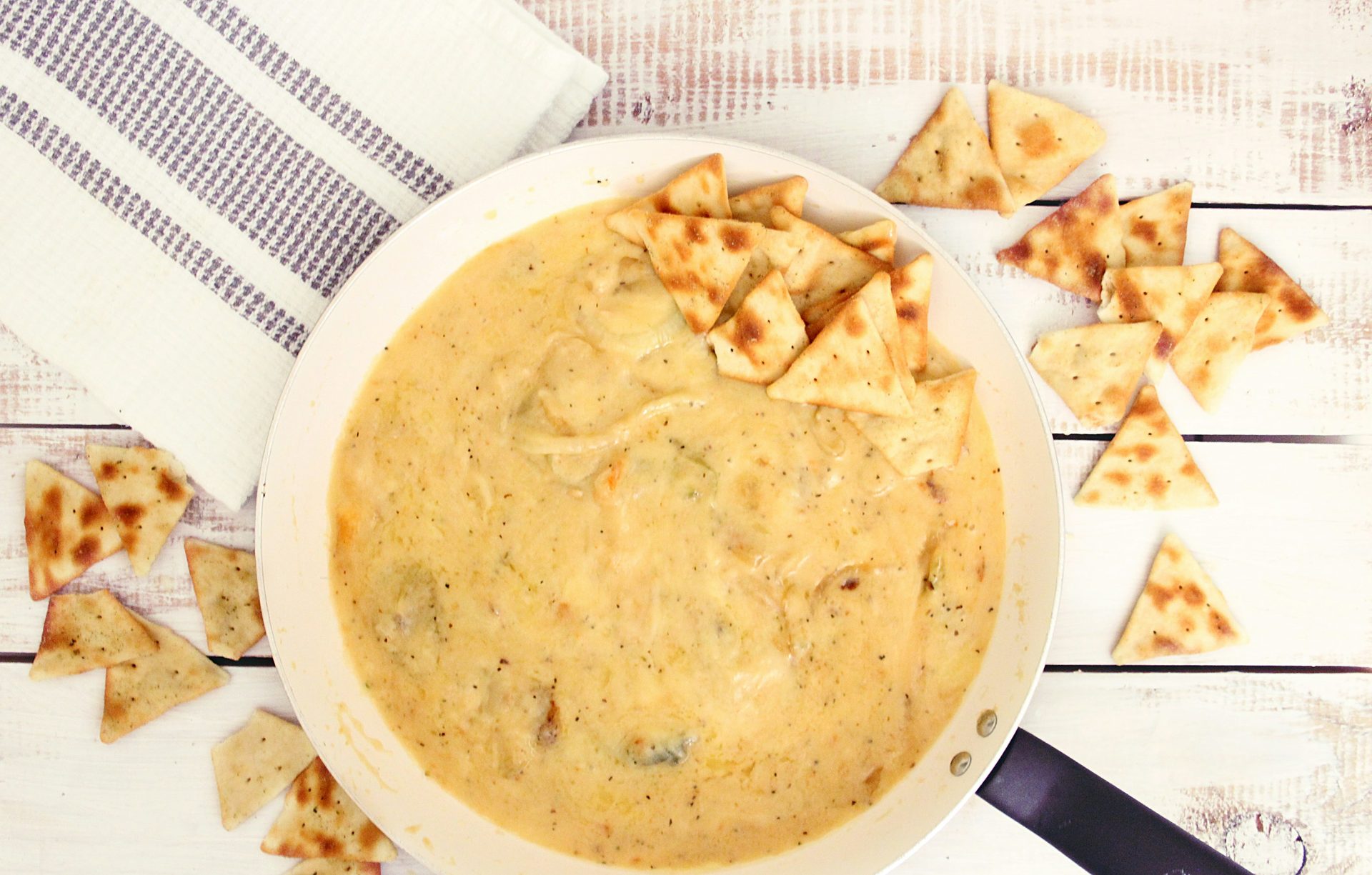
You made a huge batch of Rotel cheese dip for the big game, and now you’re staring at a pot of leftovers. Throwing it out feels like a waste, but you’re not sure whether freezing it is actually worth the trouble.
The short answer is yes — you can freeze Rotel cheese dip. Whether it comes out the other side tasting and feeling exactly like fresh is a different story, and knowing what to expect makes all the difference. This guide walks you through everything: what freezing does to the dip, how to pack it properly, how long it keeps, and the best ways to use it after thawing.
Can You Freeze Rotel Cheese Dip?
Rotel cheese dip can absolutely go in the freezer. Freezing it is a smart way to save leftovers or prep for a party later, but it’s important to pack it in the right containers, understand how some ingredients change with freezing, and know the best way to thaw and reheat it.
The main ingredient to think about is Velveeta. As a processed cheese product, Velveeta contains more emulsifiers and has a higher moisture content than most conventional cheeses. Ingredients like milk, water, whey, milk protein concentrate, and milkfat all contribute to its soft, melty characteristics, but they also lead to excess ice crystal formation once Velveeta is frozen — and crystallization causes changes in texture and flavor once the block is thawed.
That said, many consumers don’t mind because Velveeta is meant to be melted. Unlike soft cheeses you’d serve on a board, it’s unlikely you’ll be thawing Rotel dip to eat cold, so flavor loss and textural changes are relatively easy to hide. The key is knowing what you’re working with before you freeze it.
Pro Tip: If your dip sat out at room temperature for more than two hours before you thought about freezing it, skip the freezer entirely and toss it. Bacteria grow fast at room temp, and that risk is not worth taking.
Does Freezing Change the Texture or Taste of Rotel Cheese Dip?
Yes — and being upfront about this saves you from disappointment later. The biggest catch is texture. Cheese and tomatoes don’t love freezing — they tend to separate or get a bit grainy after thawing.
Here’s why that happens at a chemical level. When you freeze cheese, including processed cheese like Velveeta, the moisture in it crystallizes — all the liquid inside turns to ice. After this happens, the texture of the cheese will never quite be the same again because crystallization disrupts the cellular structure of the cheese. The better a cheese melts, the more moisture it contains, and Velveeta happens to be highly melty. More moisture leads to more crystallization, which is why Velveeta’s texture changes a lot once frozen.
If your dip includes cream cheese or sour cream, expect similar results. Cream cheese can get a bit grainy or separate when thawed, making the dip look a little watery. The same goes for sour cream — it may change texture but will still taste fine. If your dip has ground beef, it freezes well but can lose some moisture, so be sure to stir it gently after reheating.
The good news: a gentle reheat and a quick stir can bring your dip back to life, making it a handy trick for saving that delicious batch without a trip to the trash. The altered texture makes the thawed dip suitable primarily for melting into sauces, soups, or dips where the graininess will be less noticeable.
How to Freeze Rotel Cheese Dip the Right Way
Good freezing technique cuts down on texture damage and prevents freezer burn. Follow these steps and your dip will come out in the best possible shape.
- Cool the dip completely first. Allow it to cool completely before pouring it into an airtight, freezer-safe container. Sealing warm dip traps steam, which adds extra moisture and speeds up separation.
- Choose the right container. Use containers that seal tight and don’t crack in the freezer. Freezer-safe plastic containers or heavy-duty freezer bags work best. Flatten bags before sealing to save space.
- Leave headspace. Transfer the dip to a freezer-safe container, leaving about an inch of space at the top to allow for expansion during freezing.
- Minimize air exposure. The main goal when freezing is to limit air exposure. This minimizes freezer burn and oxidation, which can create a rancid taste in your food. Vacuum-sealing is your best bet, but storing it in a freezer bag will do the trick too.
- Label with the date. Label the container with the date you stored the dip so you’ll know exactly when it’s time to toss it.
- Freeze only cooked dip. The tomatoes and chilies hold up nicely, but avoid adding fresh ingredients before freezing — freeze only the cooked dip.
Pro Tip: Portion the dip into single-serving or two-serving containers before freezing. Smaller portions thaw faster, reheat more evenly, and mean you only pull out what you actually need.
How Long Can You Freeze Rotel Cheese Dip?
Most sources agree on a window of two to three months for best quality. You can freeze Rotel cheese dip in an airtight, freezer-safe container for up to 3 months. Keep the dip stored at a constant freezing temperature to maintain quality throughout that period.
Some sources are a bit more conservative. When stored properly in the freezer, the dip can last for up to two months. Be aware that freezing might affect the creamy texture of the Velveeta cheese — while the flavor remains intact, the dip may become grainy after thawing.
For refrigerator storage without freezing, the shelf life is much shorter. In the fridge, Velveeta and Rotel cheese dip will last for 3–4 days. Keep the temperature below 40°F (4°C) to ensure that bacteria don’t grow. If you know you’ll eat it within that window, skip the freezer altogether and enjoy it fresh.
| Storage Method | How Long It Lasts | Quality Impact |
|---|---|---|
| Room temperature | 2 hours maximum | Discard after 2 hours |
| Refrigerator | 3–4 days | Best quality; minimal texture change |
| Freezer | Up to 3 months | Texture becomes grainy; flavor mostly intact |
How to Thaw Frozen Rotel Cheese Dip
Thawing slowly is the single most important thing you can do to preserve the texture of frozen Rotel dip. For best results, thaw frozen Rotel dip slowly in the fridge overnight. This gentle thaw keeps the texture in better shape and avoids overheating parts of the dip.
Thaw it in the refrigerator for 1 day before reheating. Once it has fully thawed, you can move on to reheating using your preferred method.
If you’re short on time, the microwave works as a backup. If you’re in a rush, use the microwave’s defrost setting, but watch it closely and stop to stir as needed to prevent hot spots. Avoid heating the dip straight from the freezer — it won’t warm evenly and could separate more.
Once thawed, reheat it low and slow. Reheat gently on low heat on the stove or in the microwave, stirring often. If the texture seems off, a quick stir usually brings it back to life. You may want to add a ¼ cup of milk or so if it’s too thick even after reheating.
Pro Tip: Reheating in a slow cooker on the “low” setting is one of the gentlest methods available. Add the dip back to the slow cooker on low heat until it is melted and hot — the even, indirect heat helps smooth out any graininess from freezing.
Can You Refreeze Rotel Cheese Dip After Thawing?
No — refreezing Rotel cheese dip is not a good idea. Avoid freezing the dip after it’s been heated multiple times, as the texture and flavor can worsen.
The science behind this is straightforward. While freezing extends the life of Velveeta by two to three months, unfortunately the quality declines and the consistency changes. If you try to freeze it again for later use, the quality gets even worse. Each freeze-thaw cycle breaks down the emulsifiers further, leaving you with a watery, grainy mess that no amount of stirring will fix.
The practical solution is to portion the dip before the first freeze. Divide it into amounts you’ll realistically use in one sitting, so you only ever thaw what you need and never have to refreeze.
How to Use Frozen Rotel Cheese Dip (Best Uses After Freezing)
Thawed Rotel dip may not be quite as smooth as a freshly made batch, but it’s still packed with flavor and works well in a wide range of dishes. The trick is to use it in applications where it gets melted into something else, so any lingering graininess disappears completely.
- Nachos topping. Drizzle reheated dip over a sheet pan of tortilla chips, then add jalapeños, black beans, and sour cream. The oven’s heat smooths out the texture.
- Queso mac and cheese. Add freshly cooked pasta and a splash of pasta water to make a yummy cheesy chili mac and cheese. The starch in the pasta water helps bind the dip back into a smooth sauce.
- Baked potato topping. Whether you serve it with tortilla chips, drizzle it over nachos, or use it as a topping for baked potatoes, it’s an incredibly versatile dish.
- Casserole base. Consider preparations where the texture may not be as much of a concern when thawed, such as a mac and cheese casserole that can be frozen and baked when needed.
- Soup enricher. Stir a cup of thawed dip into a pot of chili, tortilla soup, or broccoli cheese soup for extra body and flavor.
- Breakfast scramble. Melt a spoonful into scrambled eggs or spoon it over a breakfast burrito for a Tex-Mex twist.
The common thread in all these uses is heat and mixing. When the dip gets folded into another dish and reheated, any textural changes from freezing become nearly undetectable.
Signs That Frozen Rotel Cheese Dip Has Gone Bad
Even when stored correctly, Rotel dip can go bad — in the freezer or after thawing. Knowing what to look for keeps you from eating something that will make you sick.
A sour or unpleasant odor is the first sign that your dip has gone bad. If it doesn’t smell fresh or smells “off,” it’s best to discard it. Fresh Rotel dip has a mild, cheesy, slightly tangy smell. Anything sharp, sour, or rancid means it’s time to toss it.
Watch the texture and appearance too. Spoiled Velveeta and Rotel dip may develop a grainy texture, or you may notice that the cheese has started to separate from the rest of the dip. Keep in mind that some graininess is normal after freezing and thawing — the difference is that spoiled dip won’t smooth back out even with vigorous stirring and gentle heat.
Visible mold or spots of discoloration are clear indicators that the dip is no longer safe to consume. Even if you only see a small amount of mold, the entire dip should be discarded. If the dip tastes sour, bitter, or just unusual, that’s a sign it has spoiled.
Important Note: Normal post-freeze graininess smooths out with heat and stirring. Spoilage does not. If the dip smells off, shows mold, or tastes sour after reheating, discard the entire batch — do not try to salvage it.
For broader guidance on safe food storage temperatures and perishable food handling, the U.S. Food and Drug Administration publishes clear guidelines worth bookmarking before your next big batch.
Frequently Asked Questions
Can you freeze Rotel dip with ground beef in it?
Yes. If your dip has ground beef, it freezes well but can lose some moisture, so be sure to stir it gently after reheating. Make sure the beef is fully cooked and drained of fat before the dip goes into the freezer.
Can you freeze Rotel dip made with cream cheese instead of Velveeta?
You can, but expect more noticeable texture changes. Rotel dip often has cream cheese as an ingredient. Cream cheese can get a bit grainy or separate when thawed, making the dip look a little watery. Reheat it low and slow, and stir continuously to bring it back together.
How do you fix grainy Rotel dip after thawing?
Sometimes when Rotel dip cools down or thaws, it can become thick. You can add milk to thin it out and return it to a creamy consistency. Start with a few tablespoons, stir over low heat, and add more as needed until you reach the right texture.
Does Velveeta Rotel dip freeze better than a dip made with real cheese?
In some ways, yes. Unlike other cheeses that need lemon juice or baking soda to achieve a perfect creamy texture, Velveeta contains a melting salt called sodium citrate, which prevents it from separating during reheating — even after a freeze. Real shredded cheese dips tend to break more aggressively and are harder to rescue.
Can you freeze Rotel dip in a Ziploc bag?
Yes, as long as it’s a heavy-duty freezer bag rather than a standard storage bag. Squeeze out as much air as possible before sealing, lay the bag flat in the freezer to freeze evenly, and store it away from items with strong odors.
Is it safe to eat Rotel dip that was left out overnight before freezing?
No. The rule of thumb for perishable foods applies here: if it has been left out at room temperature for more than two hours (or one hour if the temperature is above 90°F), it should be discarded. Freezing does not kill bacteria that have already multiplied in the dip.
If you enjoy experimenting with bold, flavorful foods, you might also enjoy exploring traditional Greek foods or the rich variety of traditional South African food — both cuisines feature satisfying dips and spreads worth trying at your next gathering. And if you’re planning a party around food, check out some of the best food festivals in Texas for inspiration on crowd-pleasing spreads.