Can You Freeze Apple Cider Vinegar? What Actually Happens

November 10, 2026
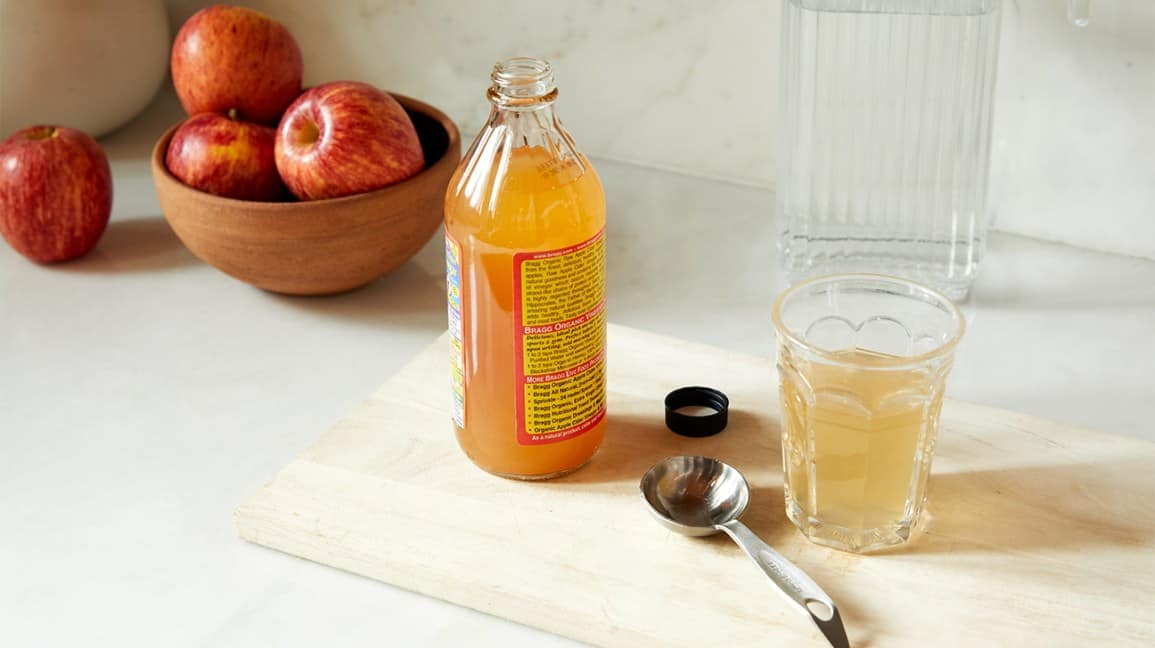
Apple cider vinegar is one of those pantry staples that seems to live forever — and for good reason. But if you’ve ever stocked up on a large bottle, bought in bulk, or simply wondered whether the freezer could extend its life even further, you’re not alone. The question of whether you can freeze apple cider vinegar comes up often, especially among home cooks and wellness-minded Americans who use it regularly in salad dressings, marinades, and health tonics.
The short answer is yes, you can freeze it — but whether you should is a different story. Before you clear freezer space, there are a few important things to know about how freezing affects ACV’s flavor, its “mother,” and its overall usefulness in the kitchen. This guide walks you through everything, from the right way to freeze it to the signs that something has gone wrong.
Can You Freeze Apple Cider Vinegar?
Yes, freezing apple cider vinegar is technically possible. You can freeze apple cider vinegar for up to 12 months. However, the more important question is whether freezing actually benefits you — and the honest answer is that it rarely does.
Apple cider vinegar is self-preserving. The acetic acid it contains is what grants it a long shelf life without the need for refrigeration. That same chemistry means the freezer offers little to no advantage over your pantry shelf.
Due to its high acid content, ACV does not freeze solid at the temperatures of a standard home freezer. Instead, it becomes slushy, which can make measuring out quantities for recipes a bit challenging. So while freezing won’t ruin it outright, it does introduce some practical inconveniences worth knowing about before you commit.
Key Insight: ACV freezes at around 28°F (–2.5°C), slightly below the freezing point of water, because of its acidity. Most home freezers run at 0°F, so it will eventually freeze — but it may remain partially slushy depending on your freezer’s temperature.
If you’re someone who makes your own ACV at home, understanding its composition makes the storage decision even easier. You can read more about the process in this guide on how to make apple cider vinegar at home.
Does Freezing Change the Texture or Taste of Apple Cider Vinegar?
Freezing does affect ACV — mostly in ways that matter if you use it for health purposes or value its sharp, tangy flavor. By freezing apple cider vinegar, it might lose some of its flavor or the good bacteria that make it healthy.
The “mother” — that cloudy, web-like substance found in raw, unfiltered ACV — is especially vulnerable. Many apple cider vinegars include the “vinegar mother,” which are groupings of the healthy bacteria that live in and created the vinegar in the first place. If you freeze apple cider vinegar, you risk killing off these cells and any added health benefits along with them.
As for flavor, freezing is not recommended as it can alter the texture and flavor of the vinegar. Some users report a noticeably flatter or less tangy taste after thawing, which can affect recipes that rely on ACV’s characteristic punch. If you primarily use ACV as a cooking ingredient — in vinaigrettes, brines, or sauces — the flavor loss may be subtle. But if you take it as a daily health supplement, freezing the raw, unfiltered variety is not ideal.
Filtered, pasteurized ACV (the kind without the mother) holds up somewhat better in the freezer since there are no live cultures to damage. Even so, you can keep your apple cider vinegar frozen for up to one year, but the longer you freeze it, the more the flavor will degrade.
How to Freeze Apple Cider Vinegar the Right Way
If you do decide to freeze ACV, the method matters. The biggest mistake people make is reaching for a glass jar — don’t do it. Avoid using glass bottles at all costs. Once a liquid freezes, it expands, and this could break the container, especially if it’s full.
Here’s the safest and most practical approach:
- Use an ice cube tray. The best way to freeze ACV is by using an ice cube tray to freeze cubes of vinegar, which can then be stored in a bag. Fill each slot up to around 80% of the way with vinegar.
- Cover the tray. Wrap the tray in cling film — or place a lid on top if you have one — to keep the vinegar protected.
- Flash freeze. Place the tray in the freezer and allow it to freeze solid.
- Transfer to a freezer bag. Once frozen, remove the tray from the freezer and pop each cube out into a bag for easier storage. Press out as much air as possible before sealing.
- Label and date the bag. Write the date so you know how long the cubes have been stored. Use within 12 months for the best flavor.
Pro Tip: Standard ice cube tray slots hold roughly 1 to 2 tablespoons of liquid each — a convenient portion size for most ACV recipes and salad dressings. Freeze in the amounts you typically use so you’re never thawing more than you need.
If you’d rather skip the ice cube tray, use a plastic container that can go in the freezer, and leave room at the top for expansion. Never fill any container to the brim.
How Long Can You Freeze Apple Cider Vinegar?
You can freeze apple cider vinegar for up to 12 months. Beyond that window, the flavor continues to degrade and the benefits of the mother (if present) diminish further.
That said, context matters here. From a practical standpoint, there’s no advantage to freezing ACV. Its shelf life at room temperature is so extensive that freezing offers no additional preservation benefits.
For comparison, here’s how ACV shelf life stacks up across storage methods:
| Storage Method | Estimated Shelf Life | Quality Impact |
|---|---|---|
| Pantry (sealed, unopened) | Up to 2 years | Best — no quality loss |
| Pantry (opened) | About 1 year | Very good with proper sealing |
| Refrigerator | About 1 year | No benefit over pantry storage |
| Freezer | Up to 12 months | Flavor and mother may degrade |
Vinegar is self-preserving due to its high acidity. While the bottle may have a “best by” date, apple cider vinegar remains safe and usable indefinitely. The flavor may change very slightly over years, but it does not spoil. This makes the freezer largely redundant for long-term storage.
How to Thaw Frozen Apple Cider Vinegar
Thawing ACV properly helps preserve whatever flavor and quality remain after freezing. The method is straightforward, but a few missteps can make things worse.
To defrost your apple cider vinegar cubes, place them in a cup in the fridge to slowly thaw overnight. If you want to speed the process up, place the cube of vinegar in a cup and then set it into a bowl of warm water.
Whenever you defrost apple cider vinegar, avoid bringing it up to a boil, as this can ruin the flavor and any potential health benefits. High heat is the enemy — keep the thawing process gentle and low.
Even though vinegar is, well, vinegar, it’s still not recommended to let it thaw on the countertop. Best food safety practices are to keep any item that has been frozen in the safely chilly temperatures of the fridge. This is especially true if you’re using the thawed ACV in a raw application like a salad dressing.
Pro Tip: Once thawed, give your ACV a gentle swirl or shake before using it. Freezing and thawing can cause slight separation or cloudiness — this is normal and does not mean the vinegar has gone bad.
Can You Refreeze Apple Cider Vinegar After Thawing?
Technically, you can refreeze ACV — but it’s not a good idea. Each freeze-thaw cycle compounds the flavor loss and further stresses any live cultures in raw, unfiltered varieties.
Apple cider vinegar can keep itself fresh for a long time, but like all acidic goods, its quality decreases over time. Exposure to oxygen can reduce flavor and acidity. Repeated freezing and thawing increases that oxygen exposure every time you open and handle the container.
The best approach is to freeze ACV in small, single-use portions — like the ice cube method described above — so you only thaw exactly what you need. That way, refreezing never becomes necessary. If you consistently find yourself with leftover thawed ACV, consider switching to pantry storage entirely, since its shelf life at room temperature is so extensive that freezing offers no additional preservation benefits.
How to Use Frozen Apple Cider Vinegar (Best Uses After Freezing)
Frozen ACV cubes are most useful in applications where a slight change in flavor or the loss of live cultures won’t matter. Think cooking and cleaning — not raw health shots.
Here are the best ways to put thawed or still-frozen ACV to work:
- Cooked marinades and sauces: Add a cube directly to a simmering marinade, BBQ sauce, or braising liquid. The heat will melt it instantly, and any minor flavor changes become undetectable once combined with other ingredients.
- Salad dressings: Thaw a cube overnight and whisk it into a vinaigrette. The tang holds up well enough for dressings, especially when paired with olive oil, mustard, and honey.
- Pickling brines: Frozen ACV works fine in quick refrigerator pickles where the brine is heated first. The pickling process itself masks subtle flavor loss.
- Baking: ACV is a popular egg substitute activator in vegan baking. A thawed cube works just as well as fresh for reacting with baking soda in muffins, cakes, and quick breads.
- Household cleaning: Thawed ACV is perfectly fine for cleaning surfaces, removing mineral deposits, or deodorizing drains. Quality loss is irrelevant here.
If you’re looking for ways to use ACV beyond the bottle — or need a substitute when you run out — this article on the best substitutes for apple cider vinegar covers your options well. You might also find it helpful to understand the difference between apple juice and apple cider, since both are precursors to ACV and behave differently in storage.
ACV is also worth keeping around for its broader health uses. Research published by The Daring Kitchen notes that apple cider vinegar has many proven positive health effects, from helping to maintain healthy blood sugar to reducing body weight and helping you to feel fuller for longer. For more on foods that support your overall health, see these guides on superfoods for a healthy heart and foods that can help enhance your liver function.
Signs That Frozen Apple Cider Vinegar Has Gone Bad
ACV is extremely resistant to spoilage — apple cider vinegar typically contains 5–6% acetic acid, which creates a pH between 2 and 3. That level of acidity is hostile to virtually all harmful bacteria, molds, and yeasts that cause food to spoil. Still, quality degradation is real, and there are a few red flags to watch for after freezing.
Check your thawed ACV against these signs before using it:
- Foul or musty smell: A drastic change in smell, from its typical tangy odor to something foul or unpleasant, is a red flag. Normal ACV smells sharp and acidic — not rotten.
- Flat or weak taste: A weak or flat taste means the acetic acid has degraded. If your ACV no longer has its characteristic tang, it has lost its potency.
- Unusual color: Unusual fading may indicate oxidation. Raw ACV should be amber-colored; filtered ACV should be pale gold. Significant color changes after thawing are worth noting.
- Oily or slimy surface: An oily or slimy surface suggests contamination. This is rare but possible if the container was not properly sealed before freezing.
- Visible mold: Visible mold growth is an obvious sign that your ACV should be discarded. This is extremely uncommon but can happen if the vinegar was diluted or contaminated before freezing.
Important Note: Cloudiness, sediment, or stringy strands in thawed ACV are not signs of spoilage. The mother is a colony of acetic acid bacteria and cellulose that forms naturally in unpasteurized vinegar. It looks like cloudy strands or a gel-like disc and is completely harmless — some people consider it beneficial for gut health. Shake or strain it if you prefer a clearer product.
If you enjoy fermenting or making apple-based foods at home, you may also want to explore how freezing applies to related products. Check out these guides on freezing applesauce for babies and freezing store-bought applesauce for practical side-by-side comparisons.
Frequently Asked Questions
Does apple cider vinegar need to be refrigerated?
Apple cider vinegar does not need to be refrigerated because of its highly acidic composition. During fermentation, apples and apple juice are turned into vinegar, and acetic acid is the main ingredient that stops bad bacteria from growing. A cool, dark pantry is all you need.
Can you freeze ACV with the mother?
You can, but it’s not recommended. Freezing may reduce the viability of probiotic cultures in raw, unfiltered apple cider vinegar. If you specifically buy raw ACV for its live cultures and health benefits, keep it at room temperature in the pantry instead.
What is the best way to store apple cider vinegar long-term?
One of the things that makes vinegar special is the fact that it does not require any special storage conditions to have a long and healthy life. Vinegar is self-preserving thanks to its high concentration of acetic acid. Simply keeping the vinegar bottles tightly sealed and out of direct sunlight — such as on your pantry shelf or cabinet — is all that is needed.
How do I know if my ACV has expired?
The expiration date on a bottle usually refers to best quality rather than safety. As long as your ACV smells sharp and tangy, tastes acidic, and shows no signs of mold or contamination, it is still good to use — regardless of the printed date.
Can I freeze ACV-based salad dressings or marinades?
Yes, but the freezability depends on the other ingredients. If you’ve made a homemade ACV-based condiment like a salad dressing with added oil, herbs, or garlic, the other ingredients are perishable. The vinegar component doesn’t need refrigeration, but the garlic and herbs do. Freeze the full dressing only if all components are freezer-safe.
Does freezing ACV affect its use in cleaning?
No. For household cleaning tasks — descaling, deodorizing, or surface disinfecting — thawed ACV works just as well as fresh. The acidity that makes it effective as a cleaner is not meaningfully reduced by one freeze-thaw cycle. For more on how ACV fits into a health-conscious lifestyle, explore these resources on foods for healthy skin and powerful nutrients and foods that fight cancer.
For further reading on ACV storage science, Freeze It and Keatley MNT both offer detailed breakdowns of vinegar chemistry and shelf life. The Shelf Life Guide also references FDA and USDA storage standards for high-acid products like vinegar.