Can You Freeze Tomato Paste? Yes — Here’s How to Do It Right

November 10, 2026
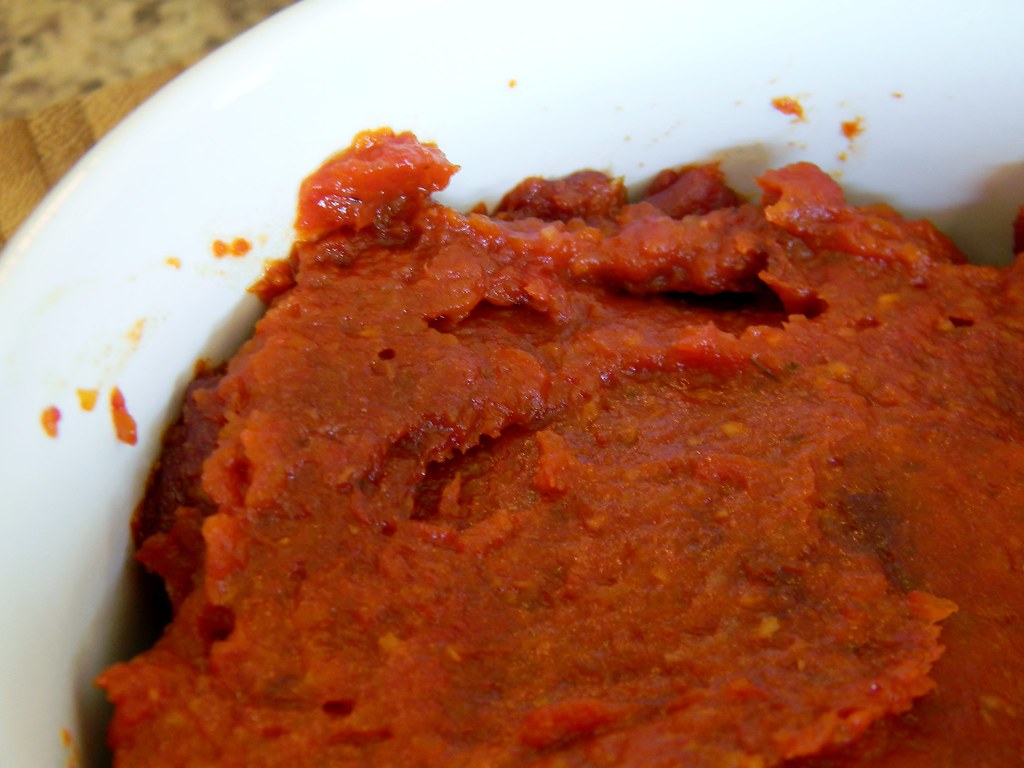
Most tomato paste recipes call for just one or two tablespoons, which means you’re almost always left with the rest of the can sitting in the fridge. If you use tomato paste regularly but not super frequently, you’ve likely run into the issue of having multiple portions leftover once you crack into a can — and it needs to be used within about a week before it goes bad. That’s a frustrating cycle of waste, especially when you’re cooking for one or two people.
The good news is that freezing tomato paste is one of the smartest, most practical food storage moves you can make. Because it has a very low water content, tomato paste actually freezes quite well and resists freezer burn easily. Once you get the hang of the portioning method, you’ll always have the right amount ready to go — no measuring, no waste, no last-minute grocery runs.
Can You Freeze Tomato Paste?
Yes, you can freeze tomato paste successfully for up to 6 months while maintaining excellent quality and flavor. Whether you bought a small can for a weeknight pasta sauce or a tube for a slow-cooked chili, freezing gives you a reliable way to preserve every last bit.
After tomato paste is opened, it usually lasts about 5–7 days in the fridge. It’s a good idea to transfer any unused tomato paste into an airtight container to prevent exposure to air and moisture. Freezing sidesteps that short window entirely and extends its usability by months.
One important note: if using tomato paste from a metal can, it must be removed from the original container before freezing. Metal expands when frozen, risking leaks or rust, and acidic tomato paste can react with aluminum over time, causing off-flavors. Always transfer it to a freezer-safe container first.
Pro Tip: Tube tomato paste may seem like it lasts longer in the fridge, but packaging typically recommends using it within two weeks of opening. Freeze leftover tube paste the same way you would canned — in tablespoon-sized portions.
Does Freezing Change the Texture or Taste of Tomato Paste?
The quality degrades slightly once you defrost the paste. Fortunately, tomato paste is most often used in cooked dishes, where that minor change is hardly noticeable. For most American home cooks using it in soups, stews, pasta sauces, and chili, the difference is essentially undetectable.
When tomato paste is frozen, it retains the concentrated tomato flavor that enhances countless recipes. Freezing essentially “pauses” the degradation process, so the taste of the paste when thawed is nearly indistinguishable from fresh.
One thing you may notice after thawing is a small amount of liquid separation. This occurs naturally during freezing but doesn’t affect flavor. According to the American Chemical Society, this separation is harmless and reversible through mechanical mixing. Just stir the paste well before using it, and it will come together again.
Freezing preserves flavor compounds but may slightly alter fresh-taste perception in raw applications. If you need tomato paste for something uncooked — like a raw dressing or a spread — fresh paste from an unopened tube will perform better than a thawed portion.
How to Freeze Tomato Paste the Right Way
The most effective method is flash-freezing individual portions before transferring them to a bag. This keeps each dollop separate so you can grab exactly what a recipe calls for without thawing the entire batch.
Here’s how to do it, step by step:
- Line a plate or baking sheet with parchment paper or plastic wrap. This prevents the paste from sticking to the surface.
- Portion out tablespoon-sized dollops of tomato paste using a measuring spoon or small cookie scoop. Most recipes call for tomato paste in tablespoon increments, so measuring it this way makes it easy to pull out what you need, double or even halve as necessary.
- Space the dollops apart so they freeze individually and don’t merge together.
- Flash-freeze for 3–4 hours, or leave them overnight, until frozen solid.
- Transfer to a freezer bag. Your fingers will melt the surface of the blobs almost immediately, so use a spatula to transfer them instead.
- Squeeze out excess air and seal the bag tightly. Squeeze as much air out of the bag as possible before sealing, then return it to the freezer.
- Label the bag with the date so you know how long it’s been stored.
Pro Tip: Use silicone ice cube trays instead of plastic for easier removal. The flexible material prevents sticking and makes transferring frozen portions simpler.
If you’d rather skip the parchment method, an ice cube tray works as an alternative. You’d need to measure the capacity of each cube compartment so you know how much each blob will be for recipes. The frozen cubes can be more difficult to remove, and the tops of them will likely become icy since it’s not an airtight container. Once the cubes are solid, pop them out and transfer them to a labeled freezer bag right away.
If you’re looking for the best substitutes for tomato paste in a pinch, that resource covers several options when you’ve run out completely.
How Long Can You Freeze Tomato Paste?
Storage timelines vary slightly depending on the source, but the general consensus is consistent: properly frozen tomato paste stays good for at least 3 to 6 months. According to USDA food safety guidelines, properly frozen tomato paste maintains quality for 4–6 months at 0°F (–18°C) or below, compared to just one week in the refrigerator.
Some sources report an even longer window. Frozen tomato paste can be stored for up to a year while maintaining good quality. Just make sure to label the container or bag with the expiration date for reference. That said, most home cooks find the best flavor and texture within the 3–6 month range.
| Storage Method | How Long It Lasts | Notes |
|---|---|---|
| Pantry (unopened can) | 12–18 months | Keep in a cool, dry place |
| Refrigerator (opened) | 5–7 days | Store in an airtight container |
| Freezer (portioned) | 3–6 months (best quality) | Label with date; use airtight bag |
| Freezer (up to maximum) | Up to 12 months | Quality may decline after 6 months |
Once you freeze tomato paste, it will last best up to 3 months, after which time it may become a bit icy and freezer burnt. Make sure it’s frozen in an airtight container (such as a zip-top freezer bag) with as much air pressed out as possible before sealing to delay the onset of freezer burn.
How to Thaw Frozen Tomato Paste
One of the best things about frozen tomato paste is that you often don’t need to thaw it at all. Many dishes that call for tomato paste are cooked on the stove, like tomato soup or chili. If that’s the case, you can usually skip defrosting and just throw in that dollop or two of frozen tomato paste right in. A few minutes on the stove and a bit of stirring will thaw the whole thing and incorporate the paste with the rest of the ingredients.
When you do need to thaw it in advance, the refrigerator is the safest method. Remove the desired number of cubes from the freezer bag and place them in a small bowl in the refrigerator for several hours or overnight until thawed completely. A typical 1-teaspoon blob of tomato paste needs 1 to 2 hours in the fridge to fully defrost.
For a quicker option, you can place the sealed bag in cold water for 15–20 minutes. Avoid microwave thawing, which causes uneven texture. You also want to avoid thawing at room temperature — a more pressing concern when refreezing any food, including tomato paste, is the potential for bacterial growth. Each time the paste is thawed, it enters a “danger zone” (typically between 40°F and 140°F), where bacteria can multiply.
Pro Tip: Sauté tomato paste for several minutes to “cook” it before adding any liquid or deglazing. Often this means mushing it into the sautéed onion, garlic, and spices. This is a great way to deepen the flavor of a dish as the natural sugars begin to caramelize — and it also gives frozen paste plenty of time to thaw right in the pan.
Can You Refreeze Tomato Paste After Thawing?
Technically, you can refreeze tomato paste, but it’s not recommended as a regular practice. Freezing tomato paste can be a smart way to preserve its freshness and extend its shelf life, especially if you don’t use it all at once. However, refreezing it after thawing introduces a few challenges related to its texture, flavor, and safety.
The flavor may become less vibrant and fresh after refreezing, which is particularly noticeable when using the paste in recipes where its boldness is a key component. Beyond flavor, there’s also a safety concern: if the paste has been sitting at room temperature for an extended period, refreezing could lock in any bacterial growth, which may pose a food safety risk.
The simplest way to avoid the refreezing problem entirely is to portion the paste before you freeze it the first time. It is not recommended to refreeze tomato paste, as it undergoes texture and flavor changes leading to subpar quality. Instead, portion the paste before freezing, ensuring that you only defrost what is needed for a recipe. One tablespoon per portion is the standard for most American recipes.
Tomato paste is rich in lycopene and other antioxidants, making it a worthwhile ingredient to preserve properly. If you’re interested in how nutrient-dense foods support overall health, check out this guide to superfoods for a healthy heart or this overview of powerful nutrients and foods that fight cancer.
How to Use Frozen Tomato Paste (Best Uses After Freezing)
Tomato paste freezes perfectly fine, and because of that, you can use it exactly the same way you use fresh tomato paste. The concentrated flavor holds up especially well in cooked applications. Here are the best ways to put your frozen stash to work:
- Soups and stews: Frozen tomato paste can be directly incorporated into soups and stews, contributing a depth of flavor that elevates the dish. It disperses seamlessly amidst broths and liquids, with each tablespoon adding a robust tomato essence that acts as a base or accent, depending on the recipe’s needs.
- Pasta sauces: Drop one or two frozen portions directly into a simmering marinara, bolognese, or arrabbiata. The paste melts in seconds and adds body and richness.
- Chili and casseroles: Tomato paste can transform dishes like chili, casseroles, and pasta sauces by providing a robust tomato presence.
- Marinades: In marinades, tomato paste can tenderize and infuse meats with a savory essence. Thaw a portion in the fridge overnight before mixing into your marinade.
- Pizza sauce: Thaw a few portions and blend with olive oil, garlic, oregano, and a pinch of red pepper flakes for a quick, no-cook pizza base. For baking applications like pizza sauce, drain any excess liquid after thawing.
- Shakshuka and egg dishes: Add frozen dollops directly to a tomato-based pan sauce — they thaw and incorporate in under a minute over medium heat.
When substituting frozen paste in any recipe, use a 1:1 ratio with fresh paste. The slight moisture increase from thawing evaporates quickly during cooking.
Tomato paste pairs well with a wide range of vegetables and herbs. If you grow your own tomatoes, you might enjoy this companion planting guide on plants to grow with tomatoes for a better harvest. And if you’re exploring whole-food, plant-based cooking, this resource on whole plant-based foods is worth a read.
Signs That Frozen Tomato Paste Has Gone Bad
Frozen tomato paste is quite stable, but it can still degrade or spoil — especially if it wasn’t stored properly or has been in the freezer for a very long time. Before using a portion, give it a quick check.
Here are the main warning signs to watch for:
- Off smell: Fresh tomato paste has a rich, tangy aroma. If you notice a sour or rancid smell, it’s a clear indicator that the paste has spoiled.
- Color change: Fresh paste is bright red; a dark brown or dull shade suggests spoilage.
- Visible mold: White, green, or fuzzy spots mean the paste is unsafe to eat.
- Unusual texture: Spoiled tomato paste may become watery or develop a thick, clumpy texture. Any separation of liquid from the solid paste is also a warning sign.
- Severe freezer burn: Freezer burn doesn’t make food unsafe but degrades quality — use affected portions in strongly flavored dishes or discard if the damage is extensive.
Unopened tomato paste can last for 12 to 18 months in the pantry, as long as it is stored in a cool, dry place and the can remains sealed. Once opened and frozen, always label your bag with the date so you’re not guessing how long it’s been stored. When in doubt, throw it out — a can of tomato paste costs very little compared to the risk of using spoiled ingredients.
If you’re interested in other foods that support healthy living, explore this article on foods that can help enhance your liver function or learn about foods that promote healthy eyesight.
Frequently Asked Questions
Can You Freeze Tomato Paste in the Original Can?
No. Never freeze tomato paste in the original can — there is a risk of rust and off-flavors. Always transfer it to a freezer-safe bag or container before freezing.
Can You Freeze Tomato Paste from a Tube?
Yes, but don’t freeze it inside the tube itself. Squeeze the remaining paste onto a parchment-lined plate in tablespoon portions, flash-freeze, then transfer to a labeled freezer bag. The process is identical to freezing canned paste.
Do You Need to Thaw Frozen Tomato Paste Before Using It?
You don’t even need to thaw it. You can add it right to a recipe from frozen, and it lasts 3 months, often longer. For cooked dishes, simply drop the frozen portion directly into a hot pan or pot.
How Do You Prevent Freezer Burn on Tomato Paste?
The best way to prevent freezer burn is by putting your leftover tomato paste in a freezer bag and removing as much air as possible. An airtight container will work as well, but use a small container so there is less air space. Also, make sure to wrap each ball in parchment paper to ensure freshness.
Can You Freeze Homemade Tomato Paste?
Absolutely. Freezing homemade tomato paste is an excellent way to preserve the intense flavor and richness it brings to a variety of dishes. Making tomato paste requires effort and time, and often recipes call for only a small quantity, leaving home cooks with excess they’d prefer not to waste. Use the same portioning and flash-freeze method as store-bought.
What Is the Best Container for Freezing Tomato Paste?
A zip-top freezer bag, either plastic or reusable silicone, are good options to use. For those avoiding plastic, a small freezer-safe glass container with a silicone-sealed lid also works well. Whatever you choose, the goal is to eliminate as much air as possible before sealing.
Tomato paste is one of those pantry staples that shows up in cuisines around the world — from Italian pasta sauces to Middle Eastern stews. If you enjoy exploring global flavors, you might like browsing traditional Greek foods, German foods, or traditional Egyptian food for recipe inspiration that puts your frozen tomato paste to good use.