
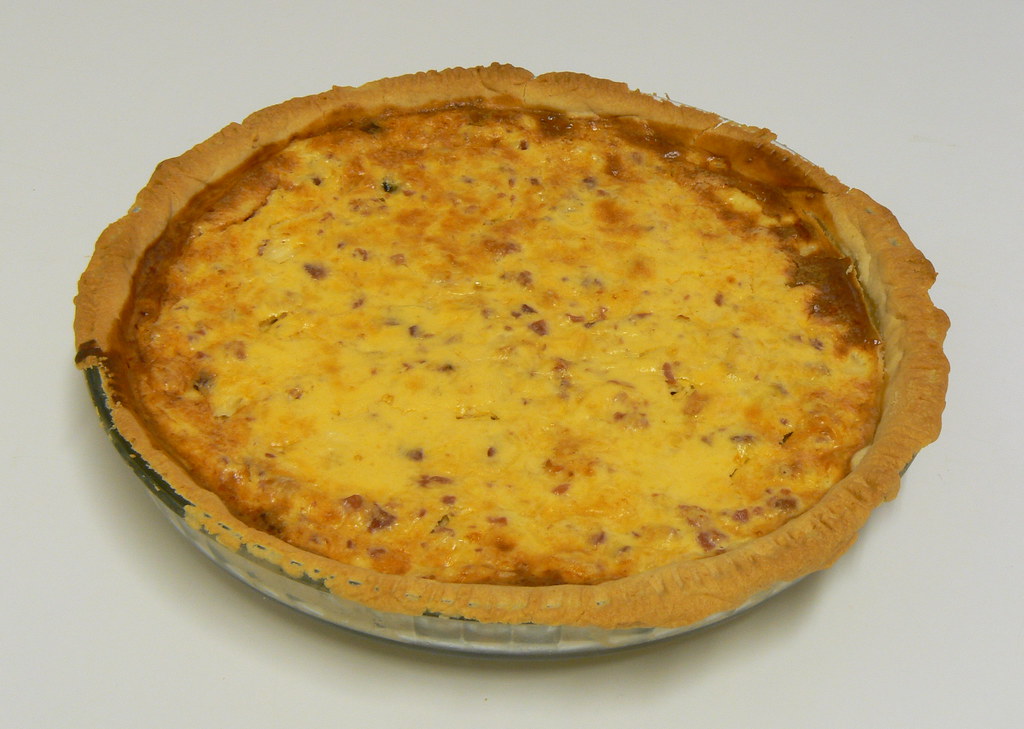
Quiche Lorraine is one of those dishes that feels special enough for a weekend brunch but practical enough to make in a big batch and save for later. Whether you made too much for a holiday gathering or you’re planning meals ahead for a busy week, the freezer is your friend here.
Yes, you can freeze quiche Lorraine. Despite eggs’ reputation as a tricky ingredient to freeze, you can absolutely do it. The key is knowing which method works best, how to wrap it properly, and how to bring it back to life when you’re ready to eat. This guide walks you through everything you need to know.
Can You Freeze Quiche Lorraine?
You can freeze quiche Lorraine for up to 3 months. You can freeze it before or after it has been cooked, and either method works well. That flexibility makes it one of the more convenient egg-based dishes to prep in advance.
You have several options for doing it: you can assemble and freeze it before baking, you can bake and then freeze the quiche for reheating later, or you can freeze the unbaked filling and crust separately. Each approach has its own trade-offs, which the sections below cover in detail.
With the right freezer meal prep approach, quiche is not only freezer-friendly but also incredibly convenient to have on hand for quick meals. It works just as well for a solo weekday lunch as it does for feeding a crowd at brunch.
Pro Tip: If you know you’re going to freeze a quiche before you even bake it, consider doubling the recipe. You get two quiches for roughly the same effort — one to eat now, one to stash in the freezer for later.
Does Freezing Change the Texture or Taste of Quiche Lorraine?
A baked, completely cooled quiche freezes very well, although it will be marginally less custardy than a fresh-baked one. The change is subtle, and most people won’t find it a dealbreaker — especially when the quiche is reheated properly in the oven rather than the microwave.
A small amount of “weeping” — separation that causes moisture to pool in the pan — can make the crust a little soggy as well. This is the most common texture complaint with frozen quiche, and it’s largely preventable with the right wrapping and reheating technique.
The filling ingredients you use matter too. If you’re planning to freeze quiche in advance, it’s best not to include cream in the recipe, because the cream can separate during the freezing process. Stick with heavy cream rather than half-and-half or milk for the best results — the custard will be slightly less rich with half-and-half and may not set quite as firmly. Don’t use milk; it won’t give you the right texture.
Ingredients that don’t do well in a frozen quiche are low-fat or skim milk, and soft vegetables like asparagus, zucchini, and tomato, which can make the quiche soggy. Classic quiche Lorraine — bacon, Gruyère, eggs, and heavy cream — actually holds up better in the freezer than more vegetable-heavy variations.
How to Freeze Quiche Lorraine the Right Way
You have three solid options depending on where you are in the cooking process. Here’s how each one works.
Option 1: Freeze It Before Baking (Best for Texture)
The key to freezing quiche — really any egg-centric casserole — is to prep it, package it tightly, and freeze it before baking. This method tends to produce the closest result to a fresh quiche once you eventually bake it.
- Assemble the quiche in its pie dish as you normally would — crust, fillings, and egg custard.
- Place it in the freezer, uncovered, until frozen solid — about two to three hours.
- Remove the frozen quiche and wrap it securely in two layers of plastic wrap, then wrap again in foil.
- Affix the lid to the container and write today’s date and the use-by date on top before placing it in the freezer.
Option 2: Freeze It After Baking (Most Convenient)
Freezing a baked quiche has a few advantages: it’s easier to do than freezing an unbaked one, and it will heat up substantially quicker when you’re ready to eat it. This is the go-to method for leftovers.
- Allow your quiche Lorraine to cool completely before adding it to the freezer. Skipping this step leads to excess moisture and a soggy crust.
- Wrap individual slices tightly in plastic wrap, then foil.
- Label with the date and freeze for up to 3 months.
Option 3: Freeze the Filling Separately
You can mix your quiche filling and freeze it separately from the crust. This can make storing it more convenient and is ideal if you plan to use prepared frozen crusts anyway.
Mix your custard, cheese, and fillings together in a large bowl, then transfer the mixture to an airtight container or a resealable freezer bag. Label and place in the freezer for 1 to 3 months — if using a freezer bag, make sure the initial freezing is done with the zip-side up to avoid leaking.
Key Insight: The most important factor in packaging any freezer meal is to reduce its exposure to air, which causes freezer burn and adversely affects taste and texture. Double-wrapping is not overkill — it’s the difference between a quiche that tastes fresh and one that tastes like your freezer.
How Long Can You Freeze Quiche Lorraine?
You can freeze quiche Lorraine for around three months. Whether homemade or store-bought, quiche freezes well, providing you have wrapped it tightly and protected it from freezer burn.
Here’s a quick reference for quiche Lorraine storage times:
| Storage Method | How Long It Lasts | Notes |
|---|---|---|
| Room temperature | Up to 2 hours | Do not leave out longer — egg and dairy spoil quickly |
| Refrigerator (baked) | 3–4 days | Store in an airtight container or wrapped tightly |
| Freezer (unbaked) | Up to 3 months | Best texture after baking from frozen |
| Freezer (baked) | Up to 3 months | May be slightly less custardy; reheat in oven |
| Freezer (filling only) | 1–3 months | Thaw in fridge before adding to crust and baking |
Refrigerate leftovers within two hours of the quiche coming out of the oven. It keeps for 3 to 4 days in the fridge. If you don’t think you’ll finish it within that window, freeze it right away rather than waiting.
Quiche should not be left out at room temperature for more than 2 hours. Food safety guidelines recommend that perishable foods like quiche should not be exposed to room temperatures for extended periods to prevent foodborne illnesses.
How to Thaw Frozen Quiche Lorraine
How you thaw quiche Lorraine depends on whether it was frozen baked or unbaked, and how much time you have.
Thawing an Unbaked Frozen Quiche
When you’re ready to enjoy your uncooked, frozen quiche, thaw it in the refrigerator for approximately 24 hours. This is the best way to defrost a dish like this — the microwave defrost setting could partially cook it, which is no good.
After it’s fully thawed, bake it according to the directions and it’ll taste just like a fresh meal. Alternatively, you can skip the thaw entirely and bake it straight from frozen — just increase the baking time by 50 to 100 percent.
Thawing a Baked Frozen Quiche
Refrigerate overnight — 8 to 12 hours. This allows ice to melt slowly, letting water reabsorb into the custard matrix instead of pooling. This is the method that best preserves texture.
If you’re short on time, microwave on medium power just until the center is thawed or slightly warm, then finish reheating in the oven or air fryer at 320°F for about 10 minutes to restore that crisp crust.
Once it’s thawed, the best way to reheat quiche is to cover it with aluminum foil and bake it in an oven preheated at 325°F for about 15 minutes. Don’t microwave it — the custard goes rubbery and you’ll be disappointed.
Important Note: Always ensure the quiche is heated to an internal temperature of 165°F (74°C) to eliminate any potential bacteria. Use a food thermometer to check the temperature.
Can You Refreeze Quiche Lorraine After Thawing?
No, you should only freeze quiche Lorraine once. The crust and filling are delicate, and the ice crystals that form during the freezing process can affect its overall texture. Refreezing compounds that damage each time.
This is exactly why portioning before you freeze is such a smart move. Unless you’re planning to defrost an entire quiche to serve to your family in one go, it’s helpful to portion it in advance. Quiche Lorraine doesn’t refreeze, so you’ll need to serve it up in one go if you freeze it whole.
When you freeze individual slices, you only pull out what you need — no waste, no pressure to eat the whole thing at once. Wrap each slice separately in plastic wrap and then foil before freezing, and you’ll have single-serve portions ready to go whenever you need them.
How to Use Frozen Quiche Lorraine (Best Uses After Freezing)
Quiche Lorraine is a versatile favorite for any meal of the day — breakfast, brunch, lunch, or dinner. Having slices in the freezer means you always have something satisfying on hand without any real cooking effort.
Here are some of the best ways to put frozen quiche Lorraine to work:
- Weekday breakfasts: Reheat a slice while the coffee brews. It’s more filling than toast and takes about the same amount of effort once it’s already frozen.
- Quick lunches: Pair a reheated slice with a simple green salad for a balanced midday meal without any real prep time.
- Brunch hosting: Pull a whole frozen quiche out the night before, thaw it in the fridge, and reheat it the next morning. You look like you made something from scratch with almost no morning effort.
- Meal prep: Freeze individual slices in labeled bags and rotate them throughout the week. It pairs well with roasted vegetables or a light soup for dinner.
- Potlucks and gatherings: Bake a quiche ahead of time, freeze it, and reheat day-of. It travels and reheats well.
If you enjoy exploring egg-based dishes and want to branch out, take a look at some traditional Greek foods — spanakopita and tiropita are savory pastry dishes with a similar make-ahead appeal. You might also find inspiration in German foods, where savory pies and egg-based dishes show up in regional cooking as well.
Signs That Frozen Quiche Lorraine Has Gone Bad
Even properly frozen food doesn’t last forever, and quiche Lorraine has a few specific tell-tale signs that it’s past its prime.
A quiche Lorraine gone bad usually has a smell that is off or somewhat sour, much like off milk or cheese, since these are key ingredients. Visual signs can be discoloration or mold spots — usually green or black. If the texture is excessively slimy or if the crust has become very soggy, this can also be a sign.
Beyond those obvious red flags, watch for these additional warning signs:
- Freezer burn patches: White or grayish dry spots on the surface of the quiche indicate that air reached the filling. The quiche is technically safe to eat but will taste dry and off in those areas.
- Off-flavors after reheating: Quiche can get freezer burn or take on flavors from other foods in the freezer, especially if it’s not packaged well. If it tastes like it absorbed something else, it’s best to discard it.
- Watery, separated filling: Some moisture separation after freezing is normal, but if the filling is completely broken — watery throughout with no structure — the quiche has likely been frozen too long or wasn’t stored correctly.
- Past the 3-month mark: Quiche can last up to 4 months in the freezer if stored correctly, but quality drops noticeably after 3 months. When in doubt, throw it out.
Common Mistake: Forgetting to label your frozen quiche with a date. It’s easy to lose track of how long something has been in the freezer. Write the freeze date and the use-by date (3 months out) directly on the foil or bag before it goes in.
If you’re interested in building better food storage habits overall, it’s worth understanding how different foods behave in the freezer. For example, learning about whole plant-based foods and their storage properties can help you round out a well-stocked freezer with a variety of healthy options alongside your quiche.
Frequently Asked Questions
Can You Freeze Store-Bought Quiche Lorraine?
Whether homemade or store-bought, quiche freezes well, providing you have wrapped it tightly and protected it from freezer burn. A store-bought, unopened quiche Lorraine should stay fresh in the fridge until the use-by date printed on the package, which is generally 3–5 days. Once opened, it’s best to consume within 1–2 days — or freeze it right away if you won’t finish it in time.
Can You Freeze Crustless Quiche Lorraine?
As long as it’s fully cooked, crustless quiche freezes very well. You actually avoid the soggy-crust problem entirely, making crustless quiche one of the easiest egg dishes to freeze and reheat successfully. Store it in an airtight container or wrap individual portions tightly before freezing.
Can You Freeze Quiche Lorraine Filling Without the Crust?
You can mix your quiche filling and freeze it separately from the crust. This can make storing it more convenient and is ideal if you plan to use prepared frozen crusts anyway. Defrost the custard mixture for 12 to 24 hours in the refrigerator, then transfer to a crust and bake as directed by your recipe.
How Do You Keep the Crust from Getting Soggy After Freezing?
The best approach is to blind bake the crust before filling it. Skipping blind baking is the number-one reason freezable quiche Lorraine fails. Unblinded pastry absorbs custard moisture during baking, creating a soggy barrier that becomes a water reservoir during freezing. When reheating, always use the oven rather than the microwave, and finish with a few minutes uncovered to crisp the crust back up.
Can You Eat Quiche Lorraine Cold After Freezing?
It is generally safe to eat quiche cold. However, the texture and flavor are often better when it is reheated. If you’re packing it for a lunch or picnic, make sure it was properly stored and has been kept at a safe temperature. Cold quiche is fine — just not as enjoyable as a warm slice fresh from the oven.
Is Quiche Lorraine a Good Meal Prep Option?
Absolutely. Next time you’re making quiche, consider doubling the recipe to prep once and eat twice. Freeze in individual slices so you can pull out exactly what you need without thawing the whole thing. It works for breakfast, lunch, or a light dinner — making it one of the more versatile items you can keep in your freezer. If you’re building out a broader meal prep routine, exploring nutrient-rich foods and heart-healthy options can help you round out a balanced weekly menu alongside your frozen quiche Lorraine.