Can You Freeze Fresh Basil Pesto? (Yes — Here’s How to Do It Right)

November 9, 2026
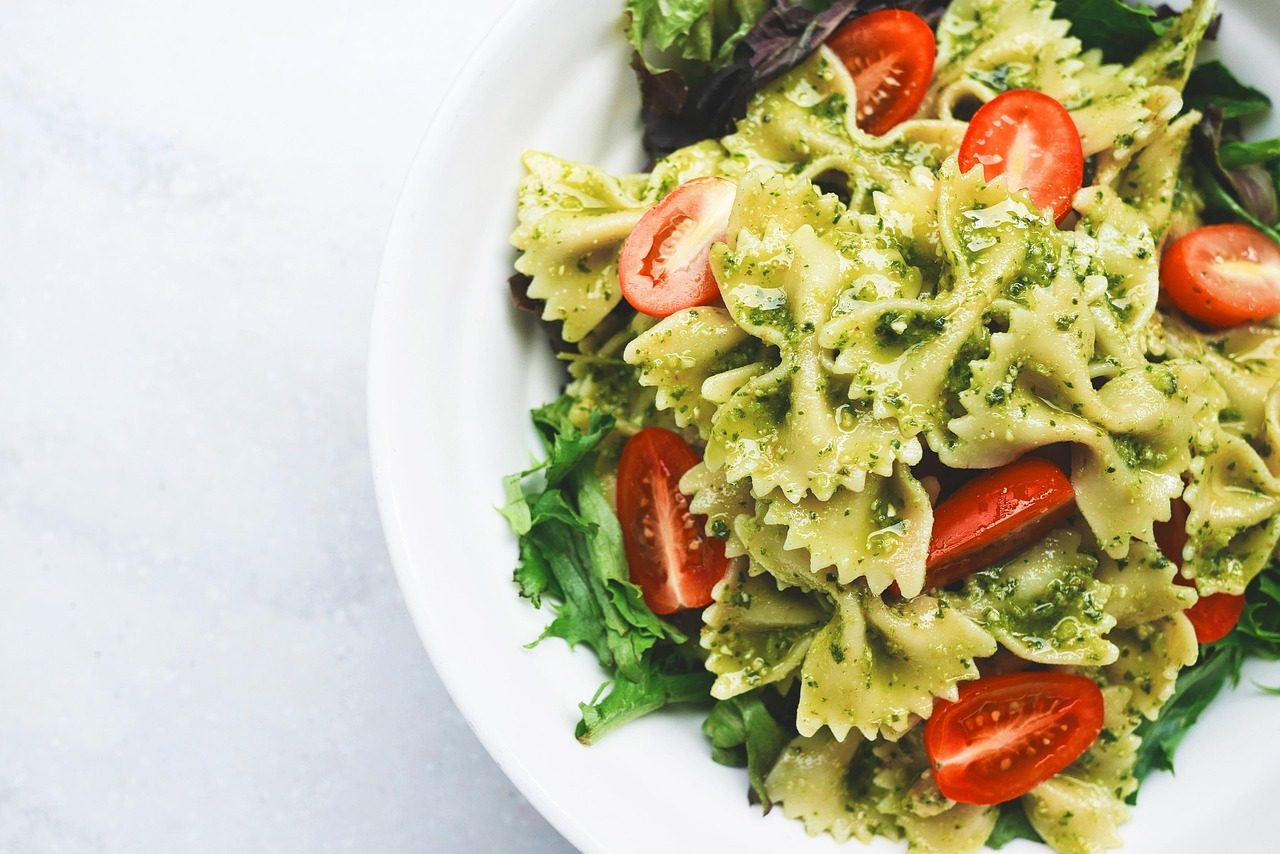
Fresh basil pesto is one of the best things to come out of a summer garden or a trip to the farmers market — but it doesn’t last long in the fridge. Homemade basil pesto lasts about 5–7 days when stored in an airtight container in the refrigerator. If you’ve ever made a big batch only to watch it turn brown before you could use it all, freezing is the answer.
By freezing your fresh pesto, you can enjoy this herbaceous sauce year-round. Whether you grew your own basil or bought a bunch at the store, this guide walks you through everything you need to know — from the right containers to use, to how long it keeps, to what to do with it once it’s thawed.
Can You Freeze Fresh Basil Pesto?
Yes, fresh pesto freezes beautifully. Freezing pesto is a great way to preserve the fresh basil flavor so you can enjoy it long after basil season has passed. This is true whether you’re working with a classic recipe made from scratch or a batch you picked up from the refrigerated section of the grocery store.
Freezing pesto is a great way to preserve and prevent food waste when you have a ton of fresh basil to use up. Pesto freezes well, and once it’s thawed, freezer pesto tastes nearly as good as fresh pesto. The key is packaging it properly so air doesn’t get in and ruin the color or flavor before you’re ready to use it.
Pesto is a traditional Italian sauce that is typically made from fresh basil leaves, garlic, pine nuts, Parmesan cheese, and extra-virgin olive oil. All of those ingredients hold up reasonably well in the freezer, making pesto one of the easier sauces to preserve at home. If you want to learn more about freezing other fresh garden produce, the same general principles apply.
Does Freezing Change the Texture or Taste of Fresh Basil Pesto?
While texture may change slightly after thawing, frozen pesto works well in cooked dishes and recipes. The color may darken slightly — the basil oxidizes — but the taste remains vibrant. Understanding why these changes happen helps you set the right expectations and take steps to minimize them.
Basil leaves contain delicate cell walls that rupture when frozen, releasing enzymes that cause the characteristic darkening. This isn’t spoilage — it’s simply chlorophyll breaking down. The oil separates because fats and water in the emulsion have different freezing points, with olive oil solidifying around 37°F/3°C while water forms ice crystals.
The emulsion that gives fresh pesto its creamy consistency partially breaks on freezing — ice crystals disrupt the oil-water interface. Thawed pesto is sometimes slightly more oily and less homogeneous than fresh. The flavor — basil, garlic, Parmesan, nuts — is largely preserved. The texture change is not noticeable in pasta dishes where the pesto is tossed with hot pasta, or in cooking applications where it is incorporated into a sauce or soup.
There is one ingredient worth watching: the cheese. Cheese can change texture when frozen, especially Parmigiano or Pecorino. To preserve ultimate smoothness, you can omit the cheese when freezing and stir it in fresh before serving — or leave it in and use the pesto in cooked dishes like pasta or pizza where slight separation won’t matter.
Pro Tip: A squeeze of fresh lemon juice after thawing helps restore some brightness to both the color and the flavor of your pesto.
How to Freeze Fresh Basil Pesto the Right Way
There are two reliable methods for freezing pesto at home: ice cube trays and small glass jars. Both work well — your choice depends on how you plan to use the pesto later. You can freeze pesto in ice cube trays or in glass jars or other freezer-safe containers. Different methods will yield slightly different results; what works for you will depend on how you plan on storing and using your pesto.
Method 1: Ice Cube Trays (Best for Portion Control)
This is the most popular method for home cooks in the US because it lets you thaw only what you need. Pesto ice cubes are one of the most useful things in a home cook’s freezer. Drop a cube into pasta water, melt one into soup, spread on pizza dough, or mix into scrambled eggs. Each cube is roughly 2 tablespoons, which is one serving.
- Spoon your freshly made pesto into the individual cells of a silicone ice cube tray, filling each about three-quarters full.
- Smooth the top of each portion, then drizzle a thick layer of olive oil to completely cover the surface of the pesto. This helps lock in that fresh flavor and prevents oxidation — the main issue behind browning pesto.
- Cover the tray with plastic wrap or foil and place it flat in the freezer.
- Once the cubes are frozen — it should take a few hours — remove them from the tray and place them in a freezer bag. Label with the date and store in the freezer.
Method 2: Small Glass Jars (Best for Larger Portions)
Small glass jars, such as half-pint or four-ounce jars, are suitable airtight containers for preserving pesto in the freezer. This method works well if you tend to use pesto in larger quantities — for a full batch of pasta or as a pizza base, for example.
- Spoon pesto into your jars, leaving at least half an inch of space at the top so the pesto can expand as it freezes.
- Drizzle a thin layer of olive oil over the surface to block air contact.
- Label the jars with the contents and date, then put them in the freezer without the lid on. Leaving the lid off prevents your jars from breaking if there isn’t enough space for the pesto to expand. Allow the pesto to freeze solid overnight, then screw the lid on tight and return to the freezer.
Pro Tip: The secret to the freshest winter pesto is to freeze the basil with oil only. Add the garlic, nuts, and cheese after thawing. Garlic mellows and deteriorates when frozen. Cheese loses some flavor too. Freezing without them lets you customize later and keeps the flavors vibrant.
How Long Can You Freeze Fresh Basil Pesto?
Pesto can be frozen for 3–6 months when packaged properly. The key is removing as much air as possible and using freezer-safe containers or bags. Most home cooks aim for the 3–6 month window for best flavor, though well-sealed pesto can technically last longer.
| Storage Method | Estimated Freezer Life | Best For |
|---|---|---|
| Ice cube trays + freezer bag | 3–6 months | Quick weeknight use, soups, pasta |
| Small glass jars (airtight) | 3–6 months | Larger servings, pizza, pasta bakes |
| Basil + oil only (no cheese/garlic) | Up to 12 months | Maximum freshness, customize at serving |
Keep in mind that air is the enemy of freezer meals. The less air the pesto is exposed to, the longer it will last. If packaged well, pesto will still be good for up to 6 months or more. Always label your containers with the freeze date so you know exactly how long they’ve been stored. Pesto is a great addition to a heart-healthy diet thanks to its olive oil and basil content, so keeping a supply on hand is worth the extra effort.
How to Thaw Frozen Fresh Basil Pesto
The method you use to thaw pesto matters. Heat it too fast and you risk cooking the delicate basil, which turns it bitter and dull. The goal is a slow, gentle thaw that preserves the fresh flavor.
- Refrigerator (recommended): Thaw safely in the refrigerator overnight, or toss frozen cubes directly into hot pasta, soup, or sauce where they will melt instantly.
- Cold water bath: For fast thawing, place the sealed container in cold water for 30–45 minutes.
- Direct into hot food: Drop a frozen pesto cube directly into drained hot pasta. The residual heat melts the pesto in 30–60 seconds, and tossing with a small splash of pasta water creates a creamy sauce. This is arguably the best way to use frozen pesto — no thawing step, no reheating, no loss of fresh flavor from warming.
Do not microwave pesto to thaw — the high, uneven heat cooks the basil and garlic, producing bitterness. Once thawed, give the pesto a good stir. If you find that your pesto has become too thick after being stored, simply stir in a little bit of olive oil or water until it reaches the desired consistency.
Do not leave thawed pesto at room temperature for more than two hours, and avoid refreezing once fully thawed. Once it’s out of the freezer, treat it like fresh pesto and use it within a few days.
Can You Refreeze Fresh Basil Pesto After Thawing?
Technically yes, but it’s not a good idea. While pesto can be refrozen, it’s important to be mindful of the limitations and potential drawbacks. The freezing and thawing process, especially if repeated, can significantly alter the flavor, texture, and overall quality of pesto. The herbs can lose their fresh taste, the oils may separate, and the cheese may become grainy.
Ideally, pesto should only be thawed once to prevent these multiple cycles, and if there is excess pesto, it’s better to freeze it in smaller portions to avoid refreezing it multiple times. This is exactly why the ice cube tray method is so useful — you thaw only what you need for a single meal, and the rest stays frozen and undisturbed.
Important Note: If the pesto has already been left out at room temperature for extended periods (more than two hours), or if there is visible mold growth or an off smell, it should not be refrozen. Spoiled pesto is a breeding ground for harmful bacteria, and refreezing it in this state would not restore it to a safe or edible condition.
How to Use Frozen Fresh Basil Pesto (Best Uses After Freezing)
Thawed pesto performs best in cooked or warm applications where a slightly looser texture blends right in. Thawed pesto works best in cooked applications rather than raw uses like caprese salads, where texture matters more. Here are the most practical ways to put your frozen pesto to work.
- Pasta: The classic. Toss thawed pesto with hot pasta and a splash of pasta water for a quick, flavorful weeknight dinner.
- Pizza: Spread a thawed cube or two directly over pizza dough in place of tomato sauce before adding toppings.
- Soups: Add frozen pesto cubes directly to hot soups or sauces — they melt in seconds.
- Eggs: Stir a thawed cube into scrambled eggs or fold into an omelet for a fast, flavorful breakfast.
- Sandwiches and wraps: Spread thawed pesto on bread or tortillas in place of mayo or mustard.
- Grain bowls and roasted vegetables: Drizzle over roasted vegetables, quinoa bowls, or grilled chicken for a quick flavor boost.
- Marinades: Mix thawed pesto with a little lemon juice and olive oil for a fast marinade for chicken, shrimp, or salmon.
Pesto pairs especially well with foods that support healthy skin like salmon and olive oil-dressed vegetables, making it a versatile addition to nutritious meals. You can also explore more ideas on whole plant-based foods that complement a pesto-forward diet.
Signs That Frozen Fresh Basil Pesto Has Gone Bad
Pesto that has been frozen and stored properly is generally safe to use within the recommended timeframe, but it’s still worth doing a quick check before you use it. Your senses are your best tool here.
| Sign | What It Means | Safe to Eat? |
|---|---|---|
| Slightly darker green or olive color | Normal oxidation (chlorophyll breakdown) | Yes, if it smells fine |
| Oil separation after thawing | Normal emulsion break from freezing | Yes — just stir well |
| Fully brown or gray color | Extended oxidation or age | Discard |
| Rancid, chemical, or metallic smell | Oxidative rancidity in the olive oil | Discard |
| Sour or fermented odor | Bacterial spoilage | Discard |
| Visible mold (fuzzy white, green, or black growth) | Microbial contamination | Discard immediately |
Brown pesto that smells like normal pesto — herbal, garlicky, nutty — is safe to eat. The color change is a quality indicator, not a food safety indicator. Brown pesto that also smells chemical (rancid oil), sour-fermented, or putrid should be discarded — the color combined with an off smell indicates spoilage beyond just oxidation.
Old pesto with rancid olive oil smells sharp, chemical, and artificial — clearly different from the fresh herbal-nutty-garlicky aroma of good pesto. It is unpleasant but does not necessarily indicate pathogenic bacterial growth. Either way, if the smell is off, toss it. It’s not worth the risk. For more on smart food storage habits, see how to freeze fresh watermelon chunks using the same air-exclusion principles.
Frequently Asked Questions
Can You Freeze Store-Bought Pesto?
Whether it’s store-bought pesto or your own homemade basil pesto, freezing works beautifully as long as you use good-quality containers and keep the air out. Transfer store-bought pesto to a freezer-safe container or ice cube tray before freezing, since the original packaging usually isn’t ideal for long-term freezer storage.
Does Pesto Lose Flavor When Frozen?
The flavors actually deepen and develop while frozen, and the texture stays pretty good once thawed, making it perfect for pasta, pizza, or any dish that needs a little extra flavor. The main risk to flavor comes from poor packaging that allows freezer burn, not from freezing itself.
Should You Add Cheese Before or After Freezing?
Both approaches work, but they produce different results. You can freeze pesto with the cheese already mixed in, but for the very best texture, some people prefer to leave the cheese out and stir it in after thawing. For casual weeknight pasta, leaving the cheese in is perfectly fine. For a more polished result, freeze without it and add freshly grated Parmesan when you serve.
How Long Does Thawed Pesto Last in the Fridge?
Once thawed, pesto should be consumed within a few days. Leaving thawed pesto for extended periods, especially after refreezing, can increase the risk of spoilage due to the breakdown of oils and herbs. Treat thawed pesto the same way you would treat fresh homemade pesto — use it within 3–4 days and keep it refrigerated in a sealed container.
Can You Freeze Pesto Made with Walnuts Instead of Pine Nuts?
Yes. Walnuts are more affordable and add a slightly earthier flavor. Almonds also work. The freezing process is identical regardless of which nut you use. Pesto made with walnuts or other nut substitutes freezes just as well as the traditional pine nut version. You might also enjoy reading about powerful nutrients found in foods like nuts and herbs that make pesto a genuinely nutritious sauce.
What Is the Best Basil to Use for Freezing Pesto?
The key is to use young, tender basil leaves that are vibrant green and free from any yellowing or wilting for the best flavor. As basil leaves age on the stem, they can take on a spicier flavor which isn’t as tasty in pesto. Be sure to harvest basil leaves before the plant begins to flower. Once they get to this stage, the basil gets bitter. The sweet basil (Ocimum basilicum) variety known as Genovese is the traditional choice for pesto and freezes particularly well thanks to its high oil content and sweet, aromatic flavor.