
Blueberries are one of the easiest fruits to freeze, and doing it right means you can enjoy that peak-season flavor all year long. Whether you picked up an extra pint at the farmers market, scored a bulk deal at the grocery store, or harvested more than you can eat fresh, the freezer is your best friend.
This guide walks you through everything — from how freezing affects texture and taste, to step-by-step freezing instructions, storage times, thawing methods, and the best ways to put those frozen berries to work in your kitchen. If you have ever wondered whether freezing blueberries is worth the effort, the short answer is yes — and it takes less than 30 minutes of hands-on time.
Can You Freeze Blueberries?
Yes, you can absolutely freeze blueberries. Freezing blueberries is one of the easiest preservation methods around — no blanching or other special preparation is needed. That alone sets blueberries apart from many other fruits and vegetables that require more involved prep before going into the freezer.
Blueberries are arguably the easiest fruit or vegetable to freeze, by far. The process works equally well whether you are using berries picked straight from the bush, purchased at a U-pick farm, or bought fresh from the supermarket. You can freeze them fresh off the bush after blueberry picking or after they have been in your fridge for a few days — just make sure you freeze blueberries before they start to go bad.
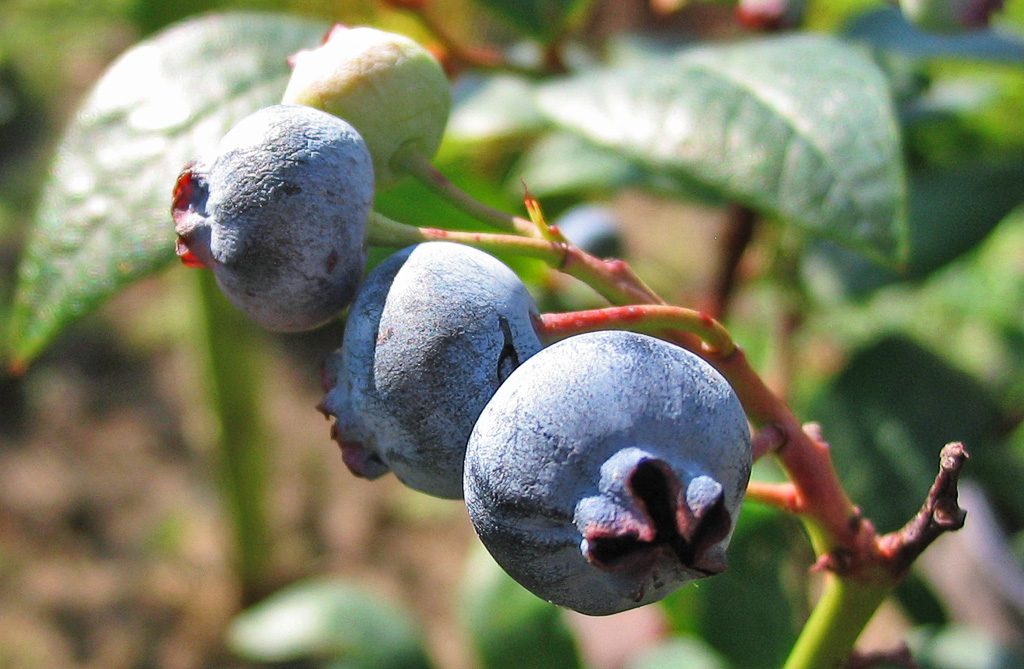
Blueberries also freeze well because of their natural protective coating. Blueberries have a natural protective coating known as “bloom” — that waxy, somewhat cloudy coating you have probably noticed on fresh berries. Blueberries produce this bloom to protect against pests and bacteria, and it is also naturally nonstick. This coating helps them freeze individually rather than clumping together, which makes them much more convenient to use later.
Pro Tip: Freeze blueberries at peak ripeness for the best flavor. If your berries are starting to look a little soft or wrinkly, get them into the freezer right away — they will still taste great in smoothies and baked goods.
Does Freezing Change the Texture or Taste of Blueberries?
Freezing does cause some changes to blueberries, but most of those changes are minor — and some are actually beneficial. Freezing will inherently break down the structure of berries and turn them softer, though using fresh, in-season berries will give you the firmest frozen blueberries.
On the taste side, the news is largely good. While you will notice a change in color and a nutritional variation between frozen and fresh, there is no significant taste difference. You may just note a slightly mushy texture once the frozen blueberries thaw, whereas fresh blueberries maintain more of a “pop” — but this textural difference is so minuscule that it is hard to detect.
Nutritionally, frozen blueberries may actually have an edge. According to a 2013 study conducted by South Dakota State University, ice crystals shatter the once-uniform distribution of anthocyanins when blueberries are frozen, meaning they are actually more nutritious after freezing. Anthocyanins are the powerful antioxidants responsible for blueberries’ deep blue color and many of their heart-health benefits.
Many bakers find that frozen blueberries actually taste better in baked goods than fresh ones do — freezing the berries makes them kind of melt when you bake them in a muffin or cook them on the griddle in pancakes. So while the texture shift is real when eating them thawed and plain, it rarely matters once they are folded into a recipe. Blueberries are also among the foods packed with powerful nutrients that support overall health, and freezing preserves most of that nutritional value.
How to Freeze Blueberries the Right Way
The key to getting individually frozen berries — rather than one giant frozen clump — is a simple flash-freeze step before bagging. Here is how to do it correctly.
- Sort the berries. Spread your berries on the counter and give them a good once-over. Remove any berries that appear soft or have wrinkled skin, and be on the lookout for stems — remove those too. Starting with quality berries matters: if the berries are not high quality going into the freezer, they will not be any better coming out.
- Skip washing before freezing (or wash and dry completely). For freezing, hold off on the washing step until after you have thawed the berries. That waxy white film on fresh blueberries known as “bloom” keeps pests and bacteria at bay and also locks in their juiciness. If you prefer to wash first, that works too — but make sure they are completely dry before freezing, since any water on the outside will form ice crystals that can degrade the texture of the berries.
- Spread in a single layer. Line a baking sheet with parchment paper and spread your berries in a single layer, leaving space between them so they do not freeze in clumps.
- Flash freeze. Freeze the blueberries for at least two hours. Some sources recommend up to three hours to ensure every berry is solid through and through.
- Transfer to freezer containers. Move the berries to freezer containers or bags, squeeze out as much air as you can, seal, and label. Label freezer bags with the date so you always know how long they have been stored.
Pro Tip: Use zip-top freezer bags for the most space-efficient storage, or vacuum-seal bags if you want maximum shelf life. Vacuum bags are the biggest space saver, though you will need special equipment — and they are not ideal if you plan to use a little at a time, since resealing can be difficult.
When it comes to drying the berries, you can line a salad spinner with a towel and spin them dry, or lay them out in a single layer on a baking sheet near a breezy window. The goal is to get them as dry as possible before they go on the baking sheet. Wet berries will freeze together in one giant, annoying clump.
How Long Can You Freeze Blueberries?
Properly frozen blueberries last a long time, though quality does decline the longer they sit. Frozen blueberries are best within six months, but can be stored for up to ten months. That said, storage method makes a real difference.
| Storage Method | Estimated Quality Window | Notes |
|---|---|---|
| Zip-top freezer bag | 8–12 months | Best for most home freezers; squeeze out air before sealing |
| Airtight glass container | 8–12 months | Reusable and stackable; takes up more space |
| Vacuum-sealed bag | Up to 2–3 years | Best long-term option; requires vacuum sealer |
From a practical quality standpoint, frozen blueberries usually keep best for about 8 to 12 months when packaged properly and stored at 0°F or below. If you have vacuum sealed your berries, you can get as long as 2–3 years out of frozen blueberries.
From a strict safety standpoint, blueberries may remain safe longer if continuously frozen, but the longer storage continues, the more likely the berries are to lose aroma, color, firmness, and clean fruit flavor. Always label your bags with the freezing date so you can rotate your stock and use the oldest berries first.
How to Thaw Frozen Blueberries
How you thaw blueberries depends entirely on what you plan to do with them. For many recipes, you do not need to thaw them at all.
- Refrigerator (best method): Transfer the berries to a bowl and let them thaw overnight in the fridge. This is the safest method and gives you the most control over texture.
- Cold water bath: To thaw frozen blueberries quickly, cover the berries with room-temperature water and thaw for about five minutes per cup. Drain and dry thoroughly before using.
- Microwave: Use the defrost setting and thaw in short intervals, checking frequently to prevent the blueberries from cooking. Microwaving can easily lead to uneven thawing and some parts becoming mushy — use this method only if you plan to use the blueberries immediately.
- Straight from frozen: For immediate use in smoothies, simply toss the frozen blueberries in a blender and blend away. No thawing needed.
Pro Tip: The “danger zone” for bacteria is between 40°F and 140°F. Leaving blueberries at room temperature for more than two hours — or one hour in hot weather — significantly increases the risk of bacterial contamination. Always thaw in the fridge or use the cold water method if you are in a hurry.
Once thawed in the fridge, use your blueberries within two to three days for the best quality. After thawing, drain, thoroughly dry, and use them for recipes like blueberry pie, blueberry crumb bars, or a tasty blueberry cheesecake breakfast bake.
Can You Refreeze Blueberries After Thawing?
Technically, yes — but with some important caveats. It is not dangerous to your health to thaw and then refreeze berries if they were thawed safely in the refrigerator. The bigger issue is quality, not safety.
According to the National Center for Home Food Preservation (NCHFP), food thawed in the refrigerator can be safely refrozen, but there is usually a noticeable loss of quality due to moisture loss during defrosting. Repeated thawing and refreezing is hard on frozen fruit.
One of the biggest drawbacks of refreezing blueberries is the change in texture. When blueberries are frozen and then thawed, their water content expands and causes their cells to rupture — making them soft and more prone to becoming mushy. Refreezing them again makes this worse, and when thawed a second time, they may become very soft and lose their firmness.
When should you skip refreezing entirely? If blueberries have been left out at room temperature for more than two hours, do not refreeze them. Bacteria can grow rapidly at room temperature, and refreezing them in this state increases the risk of foodborne illness. Also skip it if the berries show any signs of spoilage.
As long as you do not need perfectly formed berries — for example, if you are making a jam, pie, or smoothie, or pouring some berries over oatmeal or pancakes — it is not a problem to refreeze. The texture will be softer, but the flavor and nutrition hold up reasonably well for cooked applications.
How to Use Frozen Blueberries (Best Uses After Freezing)
Frozen blueberries are remarkably versatile. You can use frozen blueberries instead of fresh ones in almost every favorite blueberry recipe. Here are the best ways to put them to work.
- Smoothies: Smoothies are one of the most forgiving uses because texture is intentionally transformed. Toss a handful straight from the freezer into your blender — no thawing needed. Blueberries pair especially well with spinach, banana, and Greek yogurt.
- Muffins and quick breads: Frozen blueberries work really well in muffins, as they do not turn the batter blue like thawed berries do. Add them directly from the freezer to your batter and bake as usual.
- Pancakes and waffles: Drop frozen berries directly onto the batter on the griddle. They thaw as they cook and release just the right amount of juice. For pancake batter, if you plan to use the frozen fruit in baked goods like muffins or bread, keep the fruit frozen when adding — if it is thawed, the fruit will be soft and the color will bleed into the final product.
- Pies and cobblers: For pies and similar dishes, thaw the blueberries on the counter in a bowl to catch the juice. That juice can be incorporated into the filling for extra flavor.
- Oatmeal and yogurt bowls: Stir frozen berries into hot oatmeal and they will thaw in about two minutes. For yogurt, let them sit for five minutes at room temperature before adding.
- Sauces and compotes: Simmer frozen blueberries with a little sugar and lemon juice for a quick topping for pancakes, waffles, ice cream, or cheesecake. No thawing needed before cooking.
- Snacking straight from the freezer: Frozen blueberries can be super refreshing on a hot day. Eat them like little berry popsicles — kids especially love them this way.
Blueberries also make a great addition to anti-inflammatory eating plans and rank among the top foods that support healthy skin thanks to their antioxidant content. If you are building a nutrient-dense diet, keeping a bag of frozen blueberries on hand is one of the easiest upgrades you can make.
Signs That Frozen Blueberries Have Gone Bad
Frozen does not mean forever. While freezing greatly slows spoilage, blueberries can still go bad — especially if stored improperly. Here is what to look for before using them.
- Off smell: Fresh blueberries have a mild, slightly sweet aroma. If the thawed blueberries have a sour, fermented, or otherwise off-putting odor, they are likely spoiled.
- Visible mold: Look for any signs of mold, discoloration, or excessive sliminess. Mold can appear as fuzzy patches of white, green, or black.
- Excessive mushiness: Thawed blueberries will naturally be softer than fresh ones, but they should not be excessively mushy or disintegrating. If the blueberries feel slimy or sticky to the touch, that is a sign of spoilage.
- Clumping: If blueberries are stuck together in large blocks, they may have thawed and refrozen — reducing their quality and safety.
- Freezer burn: According to the USDA and FDA, freezer burn is mainly a quality issue, not a food-safety issue. The fruit may be dry, tough, or bland, but freezer burn alone does not automatically make it unsafe. Heavily freezer-burned berries are best used in cooked applications where texture is less important.
Important Note: If the fruit has an unusual odor, odd appearance, or suspicious signs, the USDA advises not to taste it to decide if it is safe — discard it instead. When in doubt, throw it out.
To avoid spoilage in the first place, keep your blueberries sealed in airtight bags or containers to avoid air exposure, always mark the packaging with the freezing date, avoid opening the freezer frequently to prevent temperature fluctuations, and do not overpack your freezer so cold air can circulate properly.
Frequently Asked Questions
Do You Need to Wash Blueberries Before Freezing?
It depends on your preference, but many experts recommend skipping the wash. While it is always a good idea to wash blueberries if you will be eating them right away, for freezing, hold off on washing until after you have thawed them. That waxy white film known as “bloom” keeps pests and bacteria at bay and locks in juiciness. If you do wash before freezing, dry the berries completely first to prevent clumping.
Can You Freeze Blueberries Without Flash Freezing First?
You can, but you will likely end up with a solid frozen block rather than individual berries. Freezing your berries in a single layer on a baking sheet first keeps them from sticking together in the freezer, so they will be easier to defrost later. Taking the extra step now saves a lot of frustration when you only need a cup for a recipe.
Are Frozen Blueberries as Nutritious as Fresh?
Freezing blueberries can actually help keep more nutrients in the fruit that might otherwise decline as the fruit sits around. Studies show that frozen blueberries retain over 90% of their original antioxidant content even after several months. Vitamins like Vitamin C may drop slightly over time, but the change is minimal if berries are kept properly frozen. Frozen blueberries are also among the best whole plant-based foods you can keep stocked year-round.
How Long Do Thawed Blueberries Last in the Fridge?
Once thawed in the refrigerator, use blueberries within two to three days. Do not leave them at room temperature for extended periods — leaving frozen blueberries at room temperature for extended periods is the most common mistake, as room temperature provides an ideal environment for bacterial growth.
Can You Eat Frozen Blueberries Straight From the Freezer?
Yes. Frozen blueberries can be eaten straight from the freezer and are often added directly to smoothies, yogurt, and cereals for a refreshing bite. They also make a surprisingly satisfying cold snack on a hot summer day — especially for kids.
What Is the Best Container for Freezing Blueberries?
Zip-top freezer bags are super affordable and take up way less space than glass options. For the longest shelf life, vacuum-sealed bags are the best choice. Whatever container you use, make sure it is airtight and labeled with the date. You can also explore foods to limit in your diet alongside stocking up on antioxidant-rich options like blueberries to support a balanced approach to eating.