
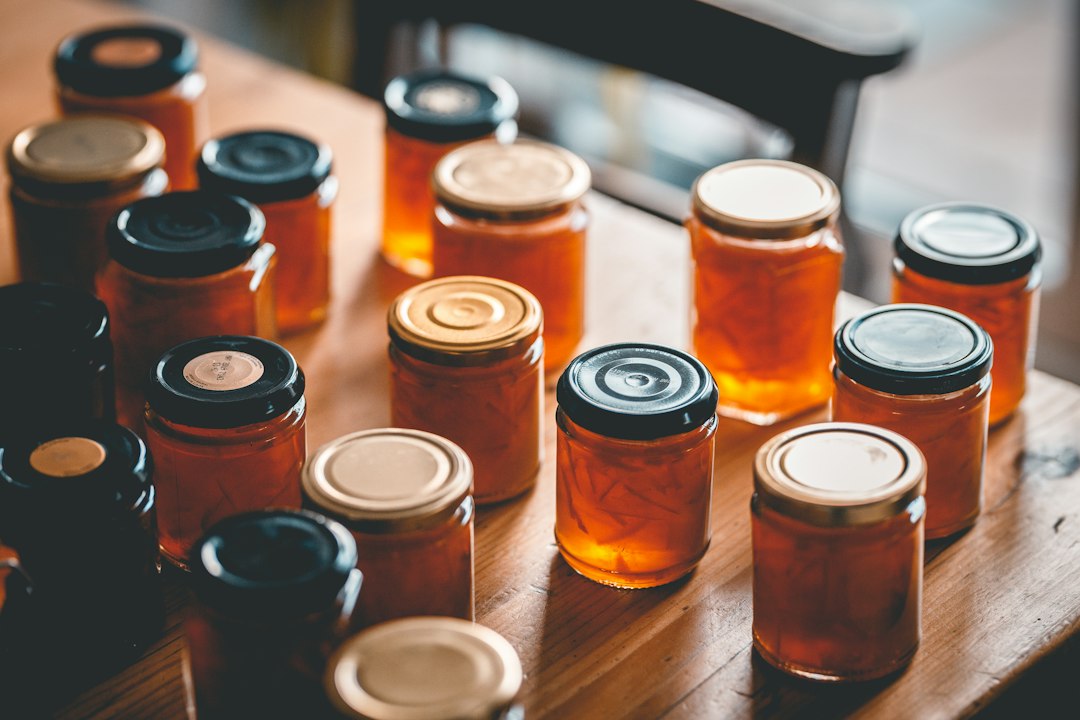
Freezing jam is one of the simplest and most practical ways to extend the life of your favorite fruit preserves. Whether you made a big batch of strawberry jam from a summer farmer’s market haul or you have a store-bought jar you won’t finish in time, the freezer can save it from going to waste.
The short answer to “can you freeze jam?” is yes — and it works better than most people expect. This guide walks you through everything: texture changes, the right way to freeze it, how long it keeps, thawing tips, refreezing rules, and the best ways to put frozen jam to use once it’s ready.
Can You Freeze Jam?
Jam, both homemade and store-bought, freezes very well. Because of the presence of sugar, it already has preservation qualities — freezing just enhances them and allows jam to keep even longer. That natural sugar content is a key reason jam handles the freezer so much better than many other foods.
You can store both cooked (traditional) and freezer jams in the freezer. If you made a cooked jam and skipped the water-bath canning process, simply ladle it into clean jars and freeze once it has cooled. If you made a no-cook freezer jam, the freezer is already its intended home.
Freezer and small-batch jams are quick, easy, and have better color and flavor than canned jams. They maintain more of the integrity of the fruit and tend to be a healthier alternative to sugar-laden preserves.
Pro Tip: Freezing is especially useful for low-sugar or no-preservative homemade jams, which have a shorter shelf life at room temperature. The freezer keeps them safe without requiring chemical additives.
Does Freezing Change the Texture or Taste of Jam?
Flavor holds up well in the freezer when jam is stored correctly. The flavor is generally retained if the jam is packaged in an airtight container and is not stored for too long. Freezing preserves the natural fruit flavor so that it hardly changes.
Texture is a slightly different story. Texture may become slightly softer after thawing, especially in jams with large fruit pieces, but flavor typically remains stable. This is most noticeable in chunky preserves or marmalades with whole fruit pieces — smooth jams tend to thaw with almost no perceptible change.
Because freezer jam is not cooked, it has a fresher and more natural taste compared to cooked jam. It also tends to have a softer texture and a brighter color. If you’re comparing a no-cook freezer jam to a shelf-stable canned version, the frozen one often wins on flavor.
One thing to watch for: freezer jam can have a grainy texture if the sugar didn’t have a chance to fully dissolve. The way to prevent this is to make sure to mix the sugar into the mashed fruit really well. After the sugar is mixed in, let the fruit and sugar mixture sit for about 20 minutes before adding the pectin — this gives the sugar time to dissolve.
How to Freeze Jam the Right Way
Freezing jam takes only a few minutes of prep. The steps below apply whether you’re working with homemade jam that just finished cooking or a store-bought jar you want to save for later.
- Cool completely first. Let the jam cool down completely to room temperature to prevent condensation. Putting warm jam directly into the freezer can cause condensation, uneven freezing, and potential cracking if you’re using glass jars.
- Choose the right containers. Ball jars and other freezer-safe glass jars work well to store jam in the freezer — just ensure that you lock the lid tightly to avoid formation of icy crystals. Freezer-safe airtight containers made of plastic or silicone can also be used.
- Use straight-sided jars for glass. Jars with straight sides give room for expansion, but regular mouth jars have a “neck or shoulders” which create a high-pressure point and can result in the jar shattering as the contents expand. Always use straight-sided, freezer-safe mason jars.
- Leave headspace. Leave about ½ inch of space at the top for the jam to expand in the freezer. For glass jars, jars should only be filled to 7/8 full because the jam may expand as it freezes.
- Label everything. Mark the jars and containers with the contents (like “blueberry jam”), quantity, and the date. Labeling helps to identify the contents later without having to open the containers.
- Freeze in usable portions. The best option is to freeze jam in portions so you then only ever have to defrost the amount you need. Small 8 oz. jars work well for most households.
Pro Tip: For single-serving portions, freeze the jam for 10–12 hours in silicone ice cube trays, then transfer the cubes to another container or zip-lock bag. This is handy for adding spoonfuls of jam to oatmeal, yogurt, or sauces without thawing a whole jar.
How Long Can You Freeze Jam?
Frozen jam can be kept for at least 6–12 months. Although it can still be eaten after this time, the aroma and consistency could change. For best quality, aim to use your frozen jam within that 12-month window.
| Storage Method | How Long It Keeps | Notes |
|---|---|---|
| Freezer (airtight jar/container) | 6–12 months | Best quality within first 6 months |
| Refrigerator (opened) | 3–4 weeks | Use clean utensils each time |
| After thawing (in fridge) | Up to 3 weeks | Do not leave at room temperature |
Either the full-jar or ice-cube method will preserve your jam an additional 12 months, although you will get the best quality in the first 6 months. If you’re making large batches during peak fruit season — think fresh strawberries in June or peaches in August — plan to rotate through your frozen stock by the following summer.
For homemade jams made with less sugar or no preservatives, the freezer is especially important. Natural and less sweet varieties of jam have significantly shorter shelf lives — this is where a freezer comes in handy.
How to Thaw Frozen Jam
Thawing jam is straightforward, and the method you choose affects both quality and safety. There are two reliable options depending on how much time you have.
Refrigerator thaw (recommended): Place the jar or container of frozen jam in the refrigerator overnight or for 10–12 hours. This is the safest method and gives you the best texture. To use frozen jam, thaw overnight in the refrigerator. If it has separated, stir to blend it together.
Quick thaw: Once you have taken your jam out of the freezer, submerge it in a container with warm water. It should take about thirty minutes to an hour for it to defrost, depending upon the water temperature and the amount of frozen jam. Use jam thawed this way right away and do not refreeze it.
Microwave thaw: For quicker thawing, open the jam container and use the defrost setting on the microwave in intervals of 10–15 seconds. Stir between intervals to ensure even thawing and avoid hot spots.
Pro Tip: Only thaw what you plan to use. Only thaw what you will use — pulling out a full quart jar when you only need a spoonful leads to waste and repeated temperature cycling that degrades quality.
Can You Refreeze Jam After Thawing?
The answer depends on how you thawed it. The safety of refreezing jams you have thawed depends upon various factors. If you have defrosted your frozen jam using the slow (refrigerator) method, then you certainly can refreeze it — but keep in mind that the quality will not be the same again.
If you used the rapid defrosting method to thaw your jam, you should consume it entirely and never refreeze it. The quick temperature change accelerates the risk of bacteria growth, especially if the jam sat at room temperature for any extended period.
It’s not advisable to refreeze jam after defrosting because repeated freezing and defrosting can cause its consistency to deteriorate. The best option is to freeze it in portions so you then only ever have to defrost the amount you need. Portioning into small jars before freezing is the simplest way to avoid this problem entirely.
As a general food safety rule, thawed food can be safely refrozen if it still has ice crystals or is at 40°F or below, according to FoodSafety.gov. When in doubt, keep it cold and use it quickly.
How to Use Frozen Jam (Best Uses After Freezing)
Thawed jam works in almost every application you’d use fresh jam for. The slightly softer texture that comes with freezing actually makes it ideal for certain uses where a looser consistency is a plus.
- Toast and bread: The classic. Spread thawed jam on toast, English muffins, biscuits, or croissants just as you would with a freshly opened jar.
- Yogurt and oatmeal: Mix some homemade jam with yogurt to make a yogurt parfait. A spoonful of thawed jam stirred into plain oatmeal adds fruit flavor without any added syrup.
- PB&J sandwiches: Homemade jam is the star ingredient in nostalgic peanut butter and jelly sandwiches. Thicker cooked jams hold up best here — if your frozen jam is on the runny side, a toasted bread helps.
- Cake and pastry filling: Use thawed jam as a filling for layer cakes, thumbprint cookies, hand pies, or pop tarts. The slightly looser texture after thawing is actually ideal for spreading between cake layers.
- Ice cream topping or swirl: Swirl some jam into your homemade ice cream. It also works as a quick topping for vanilla or plain ice cream straight from the jar.
- Pancakes and waffles: Warm thawed jam briefly in a small saucepan and spoon it over pancakes or waffles as a fruit sauce.
- Glazes and sauces: Stir thawed jam into a pan sauce for pork or chicken, or whisk it with a splash of vinegar for a quick fruit glaze. Berry jams pair especially well with grilled meats.
If you enjoy cooking with whole foods and natural ingredients, pairing homemade frozen jam with whole plant-based foods is a great way to build nutrient-rich meals and snacks. You can also explore foods for healthy skin — many of the same berries used in jam are loaded with antioxidants that support skin health.
Signs That Frozen Jam Has Gone Bad
Jam stored properly in the freezer is very resistant to spoilage, but it’s not immune. Once thawed, it can go bad if left too long or stored improperly. Here’s what to look for before you spread it on your toast.
Mold: Any visible mold means the entire jar should be discarded. Mold can spread through jam even if it appears only on the surface — scooping it off is not a safe fix. Look for green, blue, or white spots on the surface as the primary visual indicator.
Off smell: A sharp, sour, yeasty, or alcoholic smell indicates fermentation, meaning the jam is spoiled. Fresh jam should have a sweet, fruity aroma — anything that smells sour or fermented should be discarded.
Unusual bubbling or pressurized lids: Unexpected bubbles or pressurized lids suggest microbial activity and fermentation. If your jar lid pops up or there’s visible fizzing in the jam, don’t taste it.
Texture changes: Some separation is normal over long storage, but excessive liquid or unusual consistency may indicate spoilage. A quick stir after thawing is normal — if it doesn’t come back together or the texture seems off, err on the side of caution.
Color changes: Jam naturally darkens over time, especially berry jams, but dramatic color changes or patches may signal oxidation or spoilage. Slight darkening after a year in the freezer is normal; large discolored patches are not.
Important Note: If you notice any unusual changes in the appearance, smell, or taste of the jam, it’s best to discard it rather than risk foodborne illness. When in doubt, throw it out — jam is inexpensive to replace.
Keeping your pantry and freezer stocked with smart, wholesome foods is a great habit. If you’re interested in other foods that support your health, check out this guide to superfoods for a healthy heart or learn about powerful nutrients and foods that fight cancer.
Frequently Asked Questions
Can you freeze store-bought jam?
For a store-bought unopened jar, no prep work is needed — you can store the unopened jar as-is in the freezer. For an already-opened jar, transfer the jam to a freezer-safe container with headspace before freezing.
Can you freeze jam in mason jars?
Yes, but use the right kind. Freezer-safe mason jars are jars that have straight sides and have no neck or shoulders. Jars with shoulders or a tapered neck can crack as the jam expands during freezing.
Does freezer jam taste different from regular jam?
Freezer jam is not cooked and is preserved by freezing. The fruit is crushed or pureed and combined with sugar and pectin, then left to sit for a short period to allow the pectin to thicken the mixture. The result is a fresher, brighter fruit flavor compared to cooked jam, though the texture tends to be slightly softer.
How long does jam last after thawing?
Once thawed in the fridge, jam will last about 3 weeks. Keep it refrigerated and use a clean spoon each time you scoop from the jar to avoid introducing bacteria.
Can you freeze jam with less sugar?
Freezer jam recipes don’t require the large amounts of sugar that canning often calls for, so feel free to use minimal sugar, or none at all for a healthier product. Just note that lower-sugar jams may have a softer set and a shorter shelf life once thawed. You can make low-sugar or no-sugar freezer jam, but you will need a specific low-sugar or no-sugar pectin.
Can you freeze jelly and marmalade the same way?
Yes. Jams and jellies will keep for a month in the refrigerator, but up to a year in the freezer. Marmalade can also be frozen using the same techniques as freezing jam. The main difference is the effect freezing has on the large fruit pieces in marmalade, which may soften more noticeably after thawing.
For more food storage ideas and healthy eating inspiration, explore our guides on foods that support liver function and foods that promote healthy eyesight. If you’re curious about what to eat more broadly, our overview of fibroid healing foods covers how diet choices can support long-term wellness.