Can You Freeze Canned Pumpkin? Everything You Need to Know

November 4, 2026
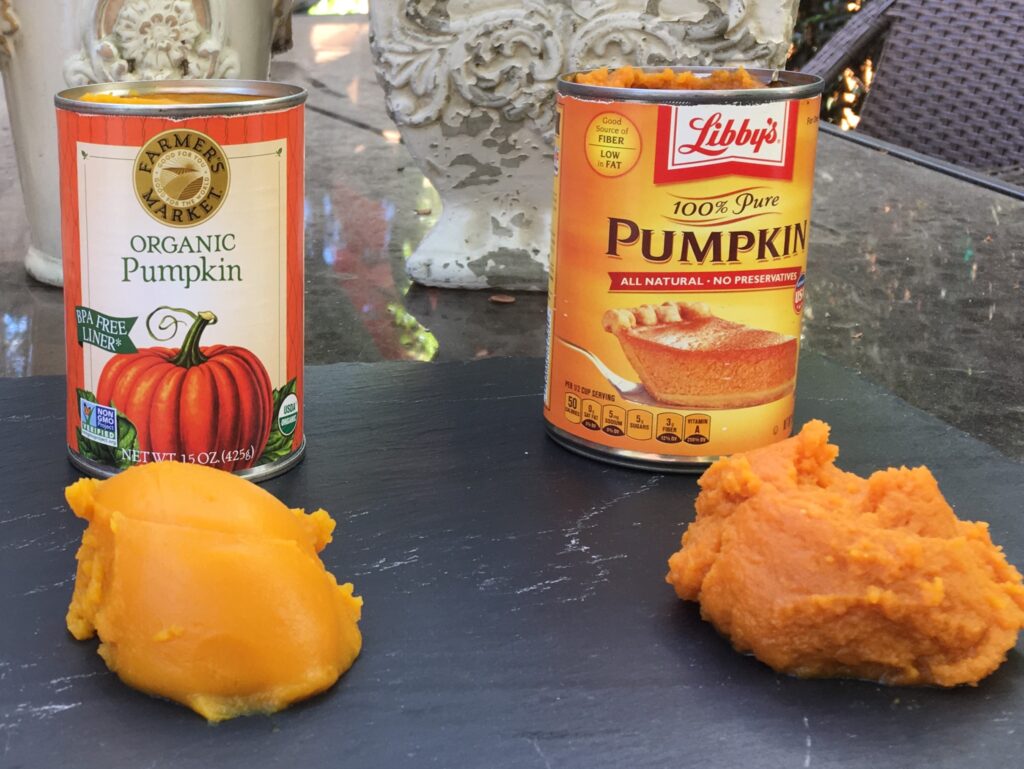
Most canned pumpkin recipes call for a cup or two, which means you’re often left staring at half a can with no immediate plan. The fridge only buys you a few days — so what do you do with the rest? Freezing is the answer, and it works better than most people expect.
Whether you stocked up after Thanksgiving or cracked open a can for a single batch of muffins, knowing how to freeze canned pumpkin properly lets you waste nothing and cook with it year-round. This guide covers everything from freezer bags to thaw times to the warning signs that tell you a batch has gone bad.
Can You Freeze Canned Pumpkin?
Canned pumpkin can be frozen. In fact, whereas your leftovers will only last for a week in the refrigerator, freezing can extend its shelf life up to a year — though it tastes best around the four-month mark. That’s a significant upgrade over simply transferring the leftovers to the fridge and hoping you remember to use them.
According to the USDA, opened low-acid canned goods such as pumpkin puree last for up to four days in the fridge. That short window is exactly why the freezer is such a practical option for anyone who doesn’t use a full can at once. Freezing leftover puree prevents food waste — instead of throwing away what’s left of the 15-ounce can, you’re saving it for later.
One thing to note before you get started: never freeze pumpkin puree in the metal can it came in. Southern Living cautions that freezing pumpkin in the can can cause it to explode and cover your freezer walls. Always transfer it to a freezer-safe bag or container first.
Pro Tip: Always start with pumpkin from a can that is undented, rust-free, and in good condition. Dents in cans can give dangerous bacteria room to grow, so inspect the can before you open it.
Does Freezing Change the Texture or Taste of Canned Pumpkin?
This is one of the most common concerns, and the short answer is: not much. Pumpkin puree freezes beautifully without any change in texture or flavor after thawing. However, there is one minor thing to be aware of.
Freezing may slightly alter the texture only by releasing extra water from the puree. You can easily drain this extra liquid by placing a cloth inside a sieve, then pouring the puree into it. For recipes like soups or smoothies, any texture changes will go unnoticed.
If pumpkin is not stored properly — such as being exposed to air in the freezer — it can develop freezer burn. Freezer burn is a real flavor killer. It makes the pumpkin taste dry and a bit off. The fix is simple: remove as much air as possible before sealing your storage bag. Freezing pumpkin leftovers preserves the taste, nutritional value, and color of the puree when done correctly.
Pumpkin is also a nutritionally dense ingredient. It’s rich in vitamins A and C, which is part of why it appears in so many heart-healthy food lists and eyesight-supporting diets. Freezing preserves those nutrients well.
How to Freeze Canned Pumpkin the Right Way
You have a few solid options depending on how you plan to use the puree later. The method you choose mostly comes down to portion size and available freezer space.
Method 1: Freezer Bag (Best for Large Amounts)
The most straightforward method is to empty the contents of your can into a zip-top bag, close it tight, and pop it into the freezer. Flatten the bag to evenly distribute the puree, removing as much air as possible before sealing. Label the bag with the date and freeze. Bags stored flat stack neatly and thaw faster than thick blocks.
Method 2: Ice Cube Tray or Muffin Tin (Best for Small Portions)
For small amounts, use a tablespoon and an ice cube tray. For larger amounts, use a measuring cup and a muffin tin. The ice cubes are great for smoothies and small-batch baking, while the larger quarter-cup portions are perfect for making pumpkin bread, donuts, and muffins.
Once frozen, remove the cubes or cups and add them to a labeled freezer-safe bag. Press to remove air from the bag and seal. This two-step process — freeze in the tray, then transfer to a bag — keeps your freezer organized and prevents the portions from fusing together.
Method 3: Parchment-Lined Sheet Pan
If you do not have any containers to freeze the puree in, you can place scoops of the canned puree onto a parchment-lined pan. Once frozen, place the scoops in a freezer bag. This works well when you want uniform, easy-to-grab portions without committing to a specific size.
Pro Tip: Use a kitchen scale to portion out pumpkin puree by weight before freezing. It’s more accurate than eyeballing cup measurements and helps you match the exact amount called for in a recipe later.
No matter which method you use, always label the frozen pumpkin with the quality dates from the can and the date when you froze it. This makes it clear how fresh the pumpkin is.
How Long Can You Freeze Canned Pumpkin?
Sources vary slightly on the exact timeline, but the consensus is consistent: frozen canned pumpkin stays safe indefinitely but loses quality over time.
| Storage Method | Estimated Duration | Quality Notes |
|---|---|---|
| Refrigerator (opened can) | 3–4 days (up to 7 days max) | Transfer to airtight container; use within 3–4 days for best flavor |
| Freezer (zip-top bag or container) | Up to 12 months | Best quality within the first 3–6 months |
| Freezer (ice cube tray portions) | Up to 12 months | Thaws faster; ideal for small-batch use |
For the best quality, frozen pumpkin puree should be used within three to six months. While it can last longer in the freezer, the texture and flavor may begin to degrade after this time. A consistently cold freezer around 0°F (-18°C) is ideal. Fluctuations in temperature can speed up the flavor-changing process.
If you regularly cook with pumpkin beyond the fall season — think pumpkin soup in February or pumpkin oatmeal in spring — freezing a few cans after the Thanksgiving canned food season is a smart way to keep your pantry stocked year-round.
How to Thaw Frozen Canned Pumpkin
There are three reliable methods for thawing frozen pumpkin puree, and the right one depends on how much time you have.
- Refrigerator overnight (recommended): The best way to thaw pumpkin is to transfer it to the refrigerator the night before you plan to cook with it. This is the safest method and requires no monitoring.
- Warm water bath (fast method): Submerge the tightly sealed pumpkin in a large bowl of warm water. It will be thawed in 10–15 minutes. This works best with freezer bags where the pumpkin is squished flat.
- Microwave (quickest method): To thaw pumpkin puree in the microwave without overheating, use the defrost setting or the lowest power level, heating in short 20–30 second bursts. Stir or flip the puree between intervals to ensure even thawing. Continue until it reaches a spoonable consistency, avoiding overheating to maintain its texture and flavor.
Avoid leaving pumpkin puree at room temperature for more than 2 hours, as this can lead to bacterial growth. Once thawed in the fridge, it can be used for up to four days — but keep an eye out for signs of spoilage sooner.
After thawing, the puree might separate slightly. Give it a good stir to bring back its consistent texture. Do not drain off the liquid, as that moisture will be factored into your recipes. If you want a more concentrated flavor, you can drain the excess liquid through a fine mesh strainer.
This is especially important if you plan to use the pumpkin for baking, where things are very precise and using ingredients at the wrong temperature can throw off the delicate balance. For baking, remove the defrosted puree from the fridge beforehand and set aside an extra hour for it to come to room temperature.
Can You Refreeze Canned Pumpkin After Thawing?
This is where most food storage guides agree: refreezing thawed pumpkin puree is not a good idea. Once you have thawed the pumpkin puree, try not to refreeze it. This can affect its quality and texture as well as food safety.
Depending on the recipe, you can freeze a dish that has been made with canned pumpkin puree. However, if your puree has been previously frozen, it might not be the best idea to refreeze it. The repeated freeze-thaw cycle degrades the texture, increases the risk of bacterial growth, and produces a watery, unappetizing result.
The best way to avoid this problem is to freeze your pumpkin in single-use portions from the start. This allows you to freeze the pumpkin puree in smaller, recipe-ready portions, which is great for baking or when you need just a couple of tablespoons. The smaller portions also thaw faster than a larger block of puree, saving time when you’re ready to cook.
Important Note: If you thawed your pumpkin in the refrigerator and it has been there for fewer than four days, and it still looks and smells fine, it is safe to use — you just should not refreeze it. Plan your portions accordingly before freezing.
How to Use Frozen Canned Pumpkin (Best Uses After Freezing)
Frozen pumpkin puree can be used just like fresh. Once it is thawed and stirred back to a smooth consistency, it drops into any recipe that calls for canned pumpkin without any adjustment. Here are the best applications:
- Baked goods: Pumpkin puree adds moisture and flavor to quick bread recipes. Add your leftovers to your favorite batter or try recipes that call for a partial can, like pumpkin banana bread or pumpkin bread with cream cheese.
- Soups and savory dishes: If you are using it in a soup recipe, you do not have to defrost it — just add the frozen portion directly to the pot and let it thaw as the soup heats.
- Smoothies: For smoothies, toss the frozen cubes right into the blender. They make protein shakes super thick and creamy.
- Breakfast foods: Stir extra pumpkin into your morning oatmeal with a pinch of cinnamon, nutmeg, and brown sugar. It also works well stirred into pancake batter.
- Drinks: You can make a pumpkin latte right at home. Use your leftover pumpkin along with cinnamon, ginger, and nutmeg for a warmup.
- Dog treats: You can give your dog a sample of pumpkin (so long as it’s 100% pumpkin). A few tablespoons can help combat digestive issues in dogs, according to the American Kennel Club.
Pumpkin is also a surprisingly versatile ingredient in health-focused cooking. It shows up in whole plant-based food plans and is sometimes included in liver-supportive diets thanks to its fiber and antioxidant content. Having it ready in the freezer makes it easy to add to everyday meals without opening a new can each time.
Signs That Frozen Canned Pumpkin Has Gone Bad
Even when stored correctly, frozen pumpkin can eventually spoil. Knowing what to look for before you use it protects you from a ruined recipe — or worse.
Before using leftover pumpkin puree, especially if it has been stored for several days, examine it for any signs of spoilage. Those signs can include mold, discoloration, off-smelling odor, or a change in consistency. Always use the rule of thumb that if you’re in doubt, throw it out.
Here is a quick reference for what to watch for:
- Color change: The first thing you will likely notice is a change in color, where the canned pumpkin has darkened from its original orange hue.
- Slimy liquid: Do not be alarmed if you see a little bit of water floating at the top — you can either stir it back into the puree or drain it off. However, if that liquid looks slimy, or you notice any discoloration and mold, it’s time to toss the whole batch out. These are signs that the frozen pumpkin is spoiled.
- Off smell: Fresh pumpkin puree has a mild, earthy, slightly sweet smell. A sour, fermented, or otherwise unpleasant odor is a clear sign to discard it.
- Texture change: If the texture has changed from its smooth consistency to a watery one, or it has developed a film or slime on it, your canned pumpkin has likely gone bad.
Important Note: A small amount of clear liquid on top of thawed pumpkin puree is normal separation — not spoilage. The warning sign is liquid that appears slimy, discolored, or has an off odor. When in doubt, open a fresh can.
Severe freezer burn — while not a safety issue — will make the pumpkin taste dry and flat. If the affected area is small, you can scrape it off and use the rest. If most of the batch looks gray, dried out, or icy, it’s better to start fresh. Discard cans of pumpkin that are bulging, leaking, severely dented, or that have signs of spoilage once opened — and apply the same standard to anything you froze from a questionable can.
Frequently Asked Questions
Can You Freeze an Unopened Can of Pumpkin?
No. You should never freeze an unopened metal can of any food. The liquid inside expands when frozen and can cause the can to burst. Always transfer the pumpkin puree to a freezer-safe bag or container before freezing.
Can You Freeze Pumpkin Pie Filling?
You can also freeze pumpkin pie filling, but keep in mind that it has added sugars and spices that could affect how well it holds up in the freezer. If the product is a pumpkin pie filling that contains sugar, eggs, and spices, treat it like a cooked custard: refrigerate and use within 3–4 days. Freezing custard-based fillings can cause separation and textural changes that are harder to fix than with plain puree.
Can You Freeze Homemade Pumpkin Puree the Same Way?
You can freeze homemade, fresh pumpkin puree or canned pumpkin puree using the same methods. The process is identical — portion it out, remove as much air as possible, label with the date, and freeze. Homemade puree may have a slightly higher water content depending on the variety of pumpkin used, so draining through a fine mesh strainer before freezing can help.
How Do You Know What Size Portions to Freeze?
Before freezing, consider how you’ll use the puree in the future. Freezing in specific portion sizes is very convenient. For example, if you often use a cup of puree at a time, freeze it in one-cup portions. Ice cube trays work well for tablespoon-sized amounts used in drinks and smoothies, while muffin tins are better for the half-cup portions needed in baked goods.
Is Frozen Pumpkin Puree as Nutritious as Fresh?
Yes. Freezing does not significantly degrade the nutritional content of pumpkin puree. Freezing pumpkin leftovers preserves the taste, nutritional value, and color of the puree. Pumpkin is a good source of vitamins A and C, fiber, and potassium — all of which remain largely intact through the freeze-thaw process. For more on nutrient-dense foods, see this overview of powerful nutrients found in everyday foods.
Can You Add Frozen Pumpkin Directly to Recipes Without Thawing?
If you’re using it in a soup recipe or a smoothie, you do not have to defrost it. For baking, however, you should thaw it fully and bring it to room temperature first. It’s especially important to leave enough time for the frozen pumpkin to defrost properly before baking, where things are very precise and using ingredients at the wrong temperature can throw off the delicate balance.