Can You Freeze Vinegar? What Actually Happens and What to Do Instead

November 9, 2026
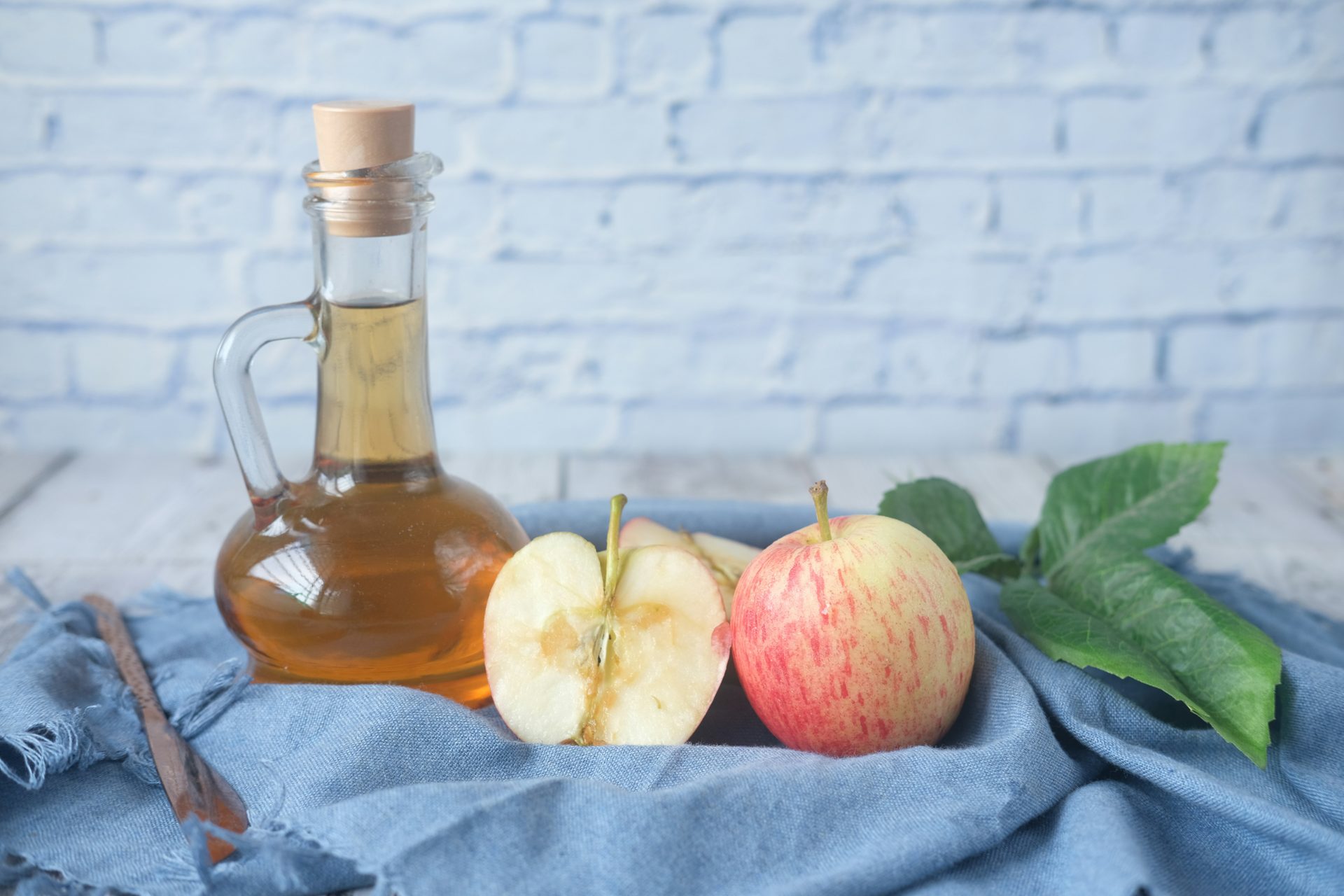
Vinegar is one of those pantry staples that seems to last forever — so when you find yourself staring at a half-used gallon jug, freezing it might cross your mind. The short answer is yes, you can freeze vinegar. But whether you should is a different question entirely.
Vinegar is essentially a diluted form of acetic acid (6% to 10%), which makes it 90% to 94% water. That high water content means it behaves a lot like water in the freezer — it solidifies, expands, and thaws back out. But not all vinegars respond the same way, and for most types, freezing is far from necessary.
This guide walks you through everything you need to know about freezing vinegar: what happens to it, how to do it right, which types to skip, and smarter alternatives for long-term storage.
Can You Freeze Vinegar?
You can freeze vinegar regardless of its type. Since vinegar is a diluted form of acetic acid, it is 90% to 94% water, giving it a relatively high freezing point. The freezing point of store-bought vinegar is around 28°F (–2.2°C), which is slightly lower than pure water at 32°F (0°C).
Acetic acid lowers vinegar’s freezing point through freezing point depression, allowing it to remain liquid below 32°F (0°C). This is why your freezer — typically set to 0°F (–18°C) — will solidify vinegar completely. Once it thaws, it’s safe to use even after it has been frozen.
That said, many households avoid freezing vinegar because it simply isn’t necessary. Vinegar has a natural shelf-stable life due to its high acidity, so there is little chance it will spoil easily — and freezing won’t actually extend its shelf life.
Pro Tip: Before you freeze vinegar, check the label. Vinegar has an “almost indefinite” shelf life according to the Vinegar Institute. Because of its acid nature, vinegar is self-preserving and does not need refrigeration. For most households, a cool, dark pantry is all you need.
The one scenario where freezing makes sense is if you’ve bought a large quantity and want to slow any gradual flavor loss over time. The flavor and appearance of vinegar will continue to decline even in freezing temperatures, albeit at a slower rate than vinegars kept at room temperature.
Does Freezing Change the Texture or Taste of Vinegar?
For most common vinegar types, the impact on flavor is minimal. Freezing does not change the taste or strength of vinegar in any noticeable way. Any minor cloudiness that occurs after thawing is completely normal and never affects the acidity or effectiveness of vinegar.
However, the story is different for specialty and raw vinegars. Apple cider vinegar tends to lose its flavor when frozen. In addition, many apple cider vinegars include the “vinegar mother” — groupings of healthy bacteria that created the vinegar in the first place. Freezing risks killing off these cells and any added health benefits along with them.
Balsamic vinegar should not be frozen either. Freezing changes its texture and taste and may crack glass bottles. Balsamic is a complex, aged product, and the freeze-thaw cycle can strip away the depth of flavor that makes it worth using in the first place.
Here’s a quick breakdown of how common vinegar types respond to freezing:
| Vinegar Type | Freeze-Friendly? | Key Concern |
|---|---|---|
| White Distilled | Yes | Minimal change; most stable option |
| Red Wine Vinegar | Yes | Minor cloudiness possible; flavor largely intact |
| Rice Vinegar | Yes | Slight acidity changes possible |
| Apple Cider Vinegar | Not recommended | Flavor loss; probiotic cultures may be damaged |
| Balsamic Vinegar | Not recommended | Texture and taste change; glass bottle risk |
| Flavored/Herb Vinegar | Not recommended | Added ingredients behave unpredictably |
How to Freeze Vinegar the Right Way
If you’ve decided freezing makes sense for your situation, the process is straightforward — but a few details matter. The how-to-freeze guide only works for unaltered vinegar. If you’re looking to freeze vinegar that has already been mixed into a marinade, includes additives, or is seasoned in any way, you may have less than ideal results. Be sure to carefully consider any other ingredients in your vinegar mixture before freezing.
Follow these steps for best results:
- Choose the right container. Transfer the vinegar into your designated container, being careful to examine the bottom and sides for any chips or hairline cracks. Small openings are of no concern when freezing solid foods, but when freezing a liquid like vinegar, any crack will surely result in a mess.
- Leave headspace. Be sure to leave several inches of headspace at the top of the container. All liquids expand when frozen, and freezing vinegar is no exception.
- Use an ice cube tray for small portions. Pop the frozen vinegar cubes out of the trays and transfer them into a freezer-safe storage container or freezer bag until you are ready to use them. Freezing vinegar this way is much more convenient, since you can simply defrost a single cube when you want to use it rather than defrosting an entire container.
- Label everything clearly. This is one instance in which it is very important to label your container. Frozen vinegar looks like any number of other things in the freezer — juice, chicken stock, or plain water. Take the extra moment to note what type of vinegar is inside the container.
- Place flat and stable. Place the entire container in a flat and stable location in your freezer.
Pro Tip: Freeze vinegar in one-tablespoon ice cube portions. Each standard ice cube tray well holds about 2 tablespoons, so you can portion accurately for recipes like marinades and dressings without thawing more than you need.
How Long Can You Freeze Vinegar?
Vinegar kept in the freezer in a container with a lid will withstand the elements for many years. Because of its naturally acidic composition, vinegar does not spoil in the freezer the way other foods do.
That said, quality is a separate matter from safety. The flavor and appearance of vinegar will continue to decline even in freezing temperatures, albeit at a slower rate than vinegars kept at room temperature. For the best flavor payoff, use frozen white or red wine vinegar within one to two years.
For context, consider what vinegar is capable of at room temperature: white vinegar can last at room temperature for anywhere from one to three years once it’s opened and up to five years when properly sealed, with many claims suggesting that the rules of food expiration don’t even apply to vinegar if it’s stored in a sealed container at room temperature. This means the freezer rarely offers a meaningful advantage for standard white vinegar.
For raw, unfiltered apple cider vinegar, the calculus is different. Freezing may reduce the viability of probiotic cultures in raw, unfiltered apple cider vinegar, while white vinegar and red wine vinegar seem to freeze well. If you value the “mother” in your apple cider vinegar, store it in a cool pantry instead. You can learn more about making your own at this guide to making apple cider vinegar at home.
How to Thaw Frozen Vinegar
Thawing frozen vinegar is simple. When you need some vinegar for your recipe, remove it from the freezer and place it in the refrigerator until it is fully melted. If you only need to defrost a few frozen vinegar cubes, simply place them into a sealed container and allow them to melt thoroughly in the fridge as well.
Even though vinegar is highly acidic, it’s still not recommended to let it thaw on the countertop. Best food safety practices suggest keeping any item that has been frozen in the safely chilly temperatures of the fridge.
Once thawed, give the vinegar a quick stir or shake. Any minor cloudiness that occurs after thawing is completely normal and never affects the acidity or effectiveness of vinegar. If you’re using it for pickling or canning, Iowa State University Extension and Outreach recommends using fresh vinegar for maximum safety and taste, since acidity levels can be harder to verify after extended storage.
Can You Refreeze Vinegar After Thawing?
Technically, yes — refreezing vinegar is safe because its acidity prevents bacterial growth. When vinegar freezes, it doesn’t change its safety. Some types and ways of freezing can change the taste and strength, though.
That said, each freeze-thaw cycle chips away at flavor quality. Repeated freezing and thawing is more likely to dull the sharpness of red wine vinegar or rice vinegar than it would affect plain white distilled vinegar. For everyday cooking where you use small amounts at a time, the ice cube tray method is the best way to avoid refreezing — you pull out only what you need and leave the rest undisturbed.
Important Note: Do not refreeze apple cider vinegar with the mother. Raw or unfiltered apple cider vinegar contains live cultures. Freezing may slow down the effects of beneficial bacteria, though there is no scientific evidence that freezing makes the vinegar harmful to use. Multiple freeze-thaw cycles, however, further reduce the viability of those cultures.
How to Use Frozen Vinegar (Best Uses After Freezing)
Once thawed, frozen vinegar performs best in cooked or mixed applications rather than as a finishing ingredient. Marinades and dressings (where acidity is the key role), pickling vegetables, and stir-fry sauces are all well-suited uses — any slight flavor loss is masked by other ingredients.
Here are the best ways to put frozen-then-thawed vinegar to work in your kitchen:
- Marinades: Use thawed white or red wine vinegar in meat or vegetable marinades. The acidity tenderizes proteins and carries flavor into the food. Vinegar-based marinades pair well with the anti-inflammatory foods often used in health-focused cooking.
- Pickling brines: For safe pickling and canning, use a vinegar that has at least 5% acidity. Thawed white distilled vinegar that was stored properly still meets this requirement and works well for quick refrigerator pickles.
- Salad dressings: Thawed red wine or rice vinegar blends seamlessly into vinaigrettes. You might notice slightly less brightness in older vinegar when used in no-cook applications like dressings, but most people can’t tell the difference once it’s mixed with other ingredients.
- Sauces and glazes: Cooked sauces, BBQ glazes, and reduction sauces are ideal for thawed vinegar since heat amplifies acidity and masks any subtle flavor changes.
- Cleaning: If the change in flavor is too bothersome for food preparation, vinegar past its prime can still be used for cleaning, weed control, fabric softening, and dyeing.
Vinegar also plays a meaningful role in health-forward cooking. If you’re interested in how acidic foods interact with overall wellness, check out this overview of foods that support liver function and this guide to superfoods for a healthy heart.
Signs That Frozen Vinegar Has Gone Bad
Vinegar is one of the most shelf-stable ingredients in any kitchen. Vinegar does not spoil. The only changes over many years are a slight loss of flavor or the formation of a harmless, slimy disc called a “mother.” Still, there are a few signs worth knowing.
Watch for these indicators that your vinegar has declined in quality:
- Unusual smell: Vinegar should have a sharp, acidic smell. If it starts to smell off or rancid, it’s best to discard it.
- Significant color change: While some vinegars may darken slightly over time, drastic changes in color could indicate that the vinegar’s quality is deteriorating.
- Flat or strange taste: If your vinegar tastes flat, overly sour, or just doesn’t have the same punch as when it was fresh, it might not be at its best anymore.
- Visible mold: Any fuzzy growth on the surface or inside the cap is a red flag. This is rare but possible if contaminants were introduced.
- Slimy film or floating patches: Don’t confuse the “mother” with spoilage. That weird cloudy substance or slime-like film is probably just “mother of vinegar” — a colony of beneficial bacteria that naturally forms in vinegar products. It looks concerning but is completely harmless.
Normal cloudiness after thawing is not a problem. Vinegars are usually filtered to make them clear. Those that are less filtered can form sediment over time as the particles settle. To deal with sediment, simply strain the vinegar through a coffee filter set inside a fine-mesh strainer before using it.
If you’re ever unsure, the smell test is your most reliable tool. Vinegar that has genuinely degraded will smell noticeably off — not just sharp and acidic, but rotten or musty. When in doubt, use it for cleaning rather than cooking, or simply replace the bottle. You can also explore healing foods and nutrient-dense ingredients that often call for fresh, high-quality vinegar in their preparation.
Frequently Asked Questions
Does freezing vinegar kill the mother?
Raw or unfiltered apple cider vinegar with the “mother” contains live cultures. Freezing may slow down the effects of beneficial bacteria, but there is no scientific evidence that freezing makes the vinegar harmful to use. Any small change in the “mother” after freezing is very common and natural and doesn’t lead to any health problems. That said, repeated freezing will further reduce the viability of those live cultures.
Can you freeze vinegar in the original bottle?
It depends on the bottle material and how full it is. Be sure to leave several inches of headspace at the top of the container, since all liquids expand when frozen. A completely full glass bottle is at risk of cracking. Transfer vinegar to a freezer-safe container with room to expand before freezing.
Is it safe to use vinegar that has been frozen for pickling?
The USDA Complete Guide to Home Canning recommends using vinegar of at least 5% acidity for pickling and canning. If your vinegar was stored correctly and still smells sharp and clean after thawing, it should still meet that threshold. However, due to food safety concerns, using vinegar at its prime for pickling and canning is the standard recommendation. When in doubt, use a fresh bottle for canning projects.
What’s the best way to store vinegar long-term without freezing?
Proper storage of opened vinegar is simple but important. By keeping it in a cool, dark place with a tight lid, most vinegars will maintain quality for years. To maximize the shelf life of all vinegars, store them in a cool, dark cupboard away from direct heat or sunlight. Vinegar should only be stored in glass, plastic, or non-reactive containers.
Can you freeze flavored or herb-infused vinegar?
The how-to-freeze guide only works for unaltered vinegar. If you are looking to freeze vinegar that has already been mixed into a marinade, includes additives, or is seasoned in any way, you may have less than ideal results. Herb-infused vinegars are better stored in a sealed glass jar in a cool pantry and used within a year or two. For more on food preservation and pantry staples, see this guide to whole plant-based foods and how they’re best stored for maximum nutrition.