Can You Freeze Honey? Everything You Need to Know About Storing It Right

November 9, 2026
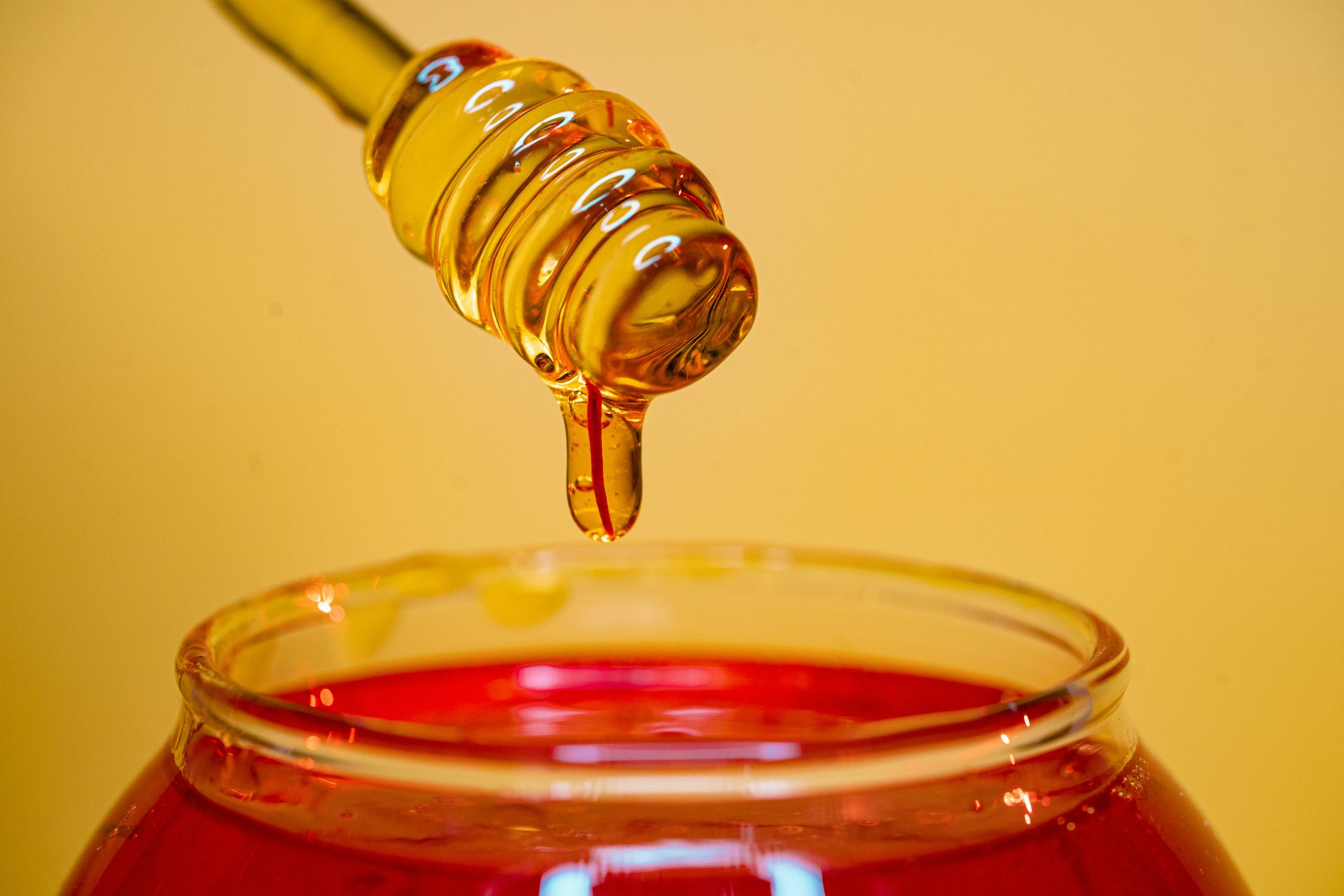
Honey is one of the few foods in your pantry that practically stores itself. Its low moisture content and natural acidity make it hostile to bacteria, which is why when stored properly, honey can remain safe to eat for decades and, in some cases, centuries. So when you’re wondering whether to put it in the freezer, the honest answer is: you can, but the situation is more nuanced than a simple yes or no.
Whether you’ve stocked up on a bulk buy from a local farm market, received a large jar from a beekeeper friend, or simply want to preserve a delicate varietal honey at its peak, freezing is a legitimate option. This guide walks you through exactly what happens when honey meets your freezer, how to do it correctly, and when it’s actually worth the extra step.
Can You Freeze Honey?
Yes, you can store honey in the freezer — but it doesn’t freeze the same way water does. Because honey has very low water content, it doesn’t turn solid like ice. Natural honey will not technically freeze in a standard home freezer. That’s because the definition of freezing refers to a substance passing from liquid to solid state, and at-home freezers are not cold enough to make honey do this. Most at-home freezers are set to 0°F.
That temperature is low enough to cause the honey to crystallize and develop a cloudy appearance. However, this is not the same as freezing solid — honey will still be liquid enough to flow, albeit more slowly than at room temperature, when kept at 0°F. Think of it as a very thick, slow-moving slurry rather than an ice cube.
Freezing honey is an effective method for long-term storage, particularly if you want to prevent crystallization or maintain its liquid form in warmer climates. When honey is frozen, the low temperatures slow the natural crystallization process, helping preserve its smooth texture. Freezing also does not significantly affect the naturally occurring components in honey, such as enzymes and antioxidants, so its overall composition remains largely unchanged.
Pro Tip: Freezing honey is most useful if you live in a hot, humid climate like Texas or Florida where pantry temperatures fluctuate significantly, or if you’re storing a large quantity you won’t use for many months. For everyday use, a cool, dry cabinet is all you need.
According to the National Honey Board and USDA Food Safety and Inspection Service , frozen honey is classified as “non-perishable with indefinite shelf life,” provided packaging remains intact and temperature fluctuations are minimized. That’s a strong endorsement for freezing when the situation calls for it. You can also learn more about what makes honey such a remarkable pantry staple in this guide on reasons every home should have raw honey.
Does Freezing Change the Texture or Taste of Honey?
This is where things get interesting. When you put a jar of liquid honey in the freezer, the change is gradual. Over several hours, it thickens into something resembling cold taffy or very stiff caramel. The color may appear slightly lighter or more opaque.
Once thawed, though, the texture largely bounces back. Thawed honey has the same nutritional value as fresh honey. Texture changes are not permanent — frozen honey is very hard, but once it thaws completely, it returns to its original consistency. It will be smooth, runny, or thick again. You may just need to give it a gentle stir.
As for flavor, the science is reassuring. A 2025 study published in the STED Conference proceedings found that sensory evaluation showed no significant differences in the taste and aroma of honeydew honey following the freezing treatment. Diastase, an enzyme used as a marker of honey freshness and quality, dropped by only about 7% after 18 months of frozen storage. By comparison, honey stored at room temperature for the same period lost roughly 25% of its diastase activity.
One real risk worth knowing: flavor and odor are safe if you store honey correctly. The only risk is an open container, since freezers contain strong smells from other foods, and honey can absorb these odors. Always seal your container tightly before freezing.
If you’re curious about how to tell whether your honey is the real deal before freezing it, check out this guide on how to identify real and pure honey.
How to Freeze Honey the Right Way
Getting the method right matters more than whether you freeze honey at all. Poor technique invites moisture, container failure, or accidental thaw-refreeze cycles — each more damaging than stable frozen storage. Here’s how to do it properly.
Method 1: Freeze in a Glass Jar
Store the honey in a clean glass jar with a tight-fitting lid. Leave some space between the honey and the lid to account for any expansion in the freezer. Then place the whole jar in a sealed plastic bag to keep any residual stickiness confined. Some experts recommend using glass jars for freezer storage to prevent the absorption of any odors from the plastic or the freezer.
Method 2: Freeze in Silicone Ice Cube Trays
Pour the honey into an ice cube tray and freeze it. Leave a little space in each compartment so nothing spills over as the honey expands. After a day or so, transfer the honey cubes to a sealed plastic freezer bag, where the honey will last for many years. This is the smartest approach if you want to thaw only small amounts at a time, since you should not refreeze honey once it’s thawed.
- Choose a clean, dry glass jar or freezer-safe airtight container.
- Fill with honey, leaving about half an inch of headspace at the top.
- Wipe the rim and outside of the jar clean and completely dry before sealing.
- Place the sealed jar inside a zip-top freezer bag, removing as much air as possible.
- Label the bag with the date and contents, then place it in the freezer.
Pro Tip: For the best quality with minimal crystallization, use glass for either method and use a chest freezer or dedicated freezer that is only opened rarely. Frequent temperature fluctuations from opening the freezer door are one of the biggest threats to frozen honey quality.
How Long Can You Freeze Honey?
Like other storage methods, honey stored in the freezer will last for many years. In practice, the answer is essentially indefinite. The National Honey Board and USDA Food Safety and Inspection Service classify frozen honey as “non-perishable with indefinite shelf life,” provided packaging remains intact and temperature fluctuations are minimized.
That said, quality is best within the first one to two years of frozen storage, especially for delicate varietals. When stored for a long time, honey remains safe to eat but the color may darken. In variety types of honey — such as Sourwood, Orange Blossom, and Clover — the flavor can change a bit with storage. It still tastes good after a few years, but the flavor doesn’t pop quite as much as when freshly harvested.
Compared to pantry storage, freezing actually preserves freshness better over the long haul. In practical terms, honey pulled from the freezer after a year and a half is closer to fresh than honey that sat in your cupboard for the same time. For everyday household quantities used within six to twelve months, your pantry shelf works just fine.
How to Thaw Frozen Honey
Thawing honey correctly is just as important as freezing it properly. The goal is to warm it slowly and evenly without exposing it to high heat, which can degrade enzymes and alter flavor.
- Room temperature (recommended): Remove the honey from the freezer and let it slowly come to room temperature. This removes any risk of overheating, but it can take a day or two for the honey to defrost fully.
- Warm water bath (faster option): If you’re in a hurry, defrost the honey using a pot of warm water. Do not use boiling water, which can overheat the honey. Stick with warm water and heat the honey gradually.
- Refrigerator overnight: Thaw it in the fridge overnight or in a bowl of warm water. The fridge method is slower but gentle.
- Microwave (avoid if possible): Do not microwave frozen honey. Microwaving destroys enzymes and can create hot spots.
Once thawed, honey returns to its original consistency — smooth, runny, or thick again. You might need to stir it gently to mix it. Don’t be alarmed if it looks slightly cloudy at first; that clears up as it warms fully.
Can You Refreeze Honey After Thawing?
This is one of the most common questions, and the answer is a firm no. Do not refreeze thawed honey. This can worsen crystallization. Each freeze-thaw cycle introduces additional moisture risk and degrades the texture further.
Honey cannot be refrozen, so the thickness becomes an issue when trying to only thaw what you need. The best way around this is to pre-freeze in ice cube trays for single-use portions. That way, you pull out only what you need for a recipe or a week’s worth of use, and the rest stays safely frozen without being disturbed.
Pro Tip: Portion frozen honey into ice cube trays — silicone preferred — before final packaging. Thaw only what you need, minimizing repeated freeze-thaw cycles. Each cube typically holds about one to two tablespoons, which is a practical single-use amount for most recipes.
How to Use Frozen Honey (Best Uses After Freezing)
Once your honey is fully thawed, it performs exactly like fresh honey in virtually any application. Let your frozen honey thaw and it is ready to use for hundreds of great recipes. The key is making sure it’s fully thawed and stirred before measuring.
Here are the best ways to put thawed honey to work in your kitchen:
- Baking: Thawed honey works perfectly in muffins, breads, granola bars, and cookies. It measures and behaves exactly like fresh honey.
- Marinades and glazes: Use it in BBQ sauces, grilled chicken glazes, or pork marinades. The flavor holds up beautifully after freezing.
- Salad dressings: Whisk thawed honey into vinaigrettes for a balanced sweetness. Older or thawed honey works well in marinades, salad dressings, and baked goods.
- Sweetening beverages: Stir into tea, lemonade, or smoothies. Just make sure it’s fully liquid before adding to cold drinks.
- Drizzling: Over yogurt, oatmeal, cheese boards, or toast — thawed honey drizzles just as well as pantry honey once it’s back to room temperature.
- Honey butter and spreads: Blend thawed honey into softened butter for a simple and delicious spread.
Honey’s natural health properties also make it a great ingredient beyond cooking. It’s long been recognized as one of the foods that support healing and wellness, and its antioxidants make it worth featuring in a heart-healthy diet. Research also points to honey’s role among nutrients and foods that support cancer prevention. The good news is that freezing preserves those beneficial compounds, so thawed honey carries the same nutritional value as fresh.
Signs That Frozen Honey Has Gone Bad
Honey is remarkably shelf-stable, and truly spoiled honey is rare. Honey is one of the few foods that technically never spoils at room temperature, thanks to its low moisture, high acidity, and natural antibacterial properties. So freezing isn’t necessary for safety. That said, there are a handful of situations where something has genuinely gone wrong.
Here’s what to look for when you thaw your frozen honey:
| Sign | What It Means | What to Do |
|---|---|---|
| Cloudy or opaque appearance | Normal crystallization — harmless | Warm gently in a water bath to clarify |
| Darker color than before freezing | Natural oxidation over long storage | Safe to use; flavor may be slightly stronger |
| Sour or fermented smell | Moisture contamination caused fermentation | Discard immediately |
| Bubbles or fizzy texture | Active fermentation from excess moisture | Discard immediately |
| Off or chemical taste | Absorbed freezer odors from poor sealing | Discard; use glass jars next time |
| Visible mold | Moisture or contamination entered the jar | Discard the entire jar |
Crystallization, darkening, and subtle flavor shifts over time are natural and do not indicate spoilage. Fermentation, mold, or a sour smell are the rare signs of honey that has truly gone bad. The most common culprit behind spoiled honey is moisture — either from a wet spoon, a poorly sealed container, or condensation from the freezer environment.
Honey can ferment if it absorbs moisture from humid air, if water gets into the jar, or if it was harvested before being fully capped and mature. Fermentation happens when certain yeasts can work in a high-moisture, sugary environment. Proper sealing before freezing eliminates this risk almost entirely.
One important safety note: honey should never be given to infants under 12 months, regardless of age or expiration date, due to the risk of infant botulism. This applies to fresh, frozen, and thawed honey alike.
Honey’s natural properties also make it one of the better foods for your overall health — it appears on lists of foods that support liver function and foods that promote healthy skin. Preserving those properties through proper freezing and storage is well worth the small amount of effort.
Frequently Asked Questions
Does Freezing Destroy the Nutrients in Honey?
Not only does freezing not harm any nutritional benefits of honey, it actually protects nutrients and quality. Enzymes, antioxidants, and natural sugars all remain intact through the freeze-thaw cycle, provided you avoid overheating during thawing.
Can You Freeze Raw Honey?
Yes, and raw honey is actually an ideal candidate for freezing. For anyone storing more than 5 kg of raw, unpasteurized, or monofloral honey, freezing is a quality-control measure. It’s also strongly advised for honey with moisture content above 18.5%, light-colored delicate varietals like acacia, orange blossom, and tupelo, and honey intended for long-term storage beyond 18 months where consistent flavor and clarity are priorities.
Should You Freeze Honey or Just Store It in the Pantry?
You can freeze honey, but it is often not needed. Honey stays fresh for years in your pantry. Freezing is a good backup for humid areas or large stocks. Because honey is best stored at room temperature — somewhere between 64 and 75°F — keeping your container on a shelf or in your pantry is recommended for day-to-day use.
Why Does My Honey Look Grainy After Freezing?
When honey is exposed to cooler temperatures, it can start to crystallize. This happens when natural sugars separate and form small crystals. This process is entirely natural and doesn’t mean the honey has gone bad. To reverse it, place the jar in a bowl of warm (not boiling) water and stir gently until the crystals dissolve.
Can You Eat Honey Straight from the Freezer?
Yes, frozen honey retains its flavor. Some enjoy the unique texture that slightly frozen honey offers. The trend of consuming frozen honey has gained popularity due to its enjoyable taste and cooling effect, seen as a healthier frozen treat option. Just be aware it will be very thick and chewy rather than pourable.
What Is the Best Container for Freezing Honey?
Glass or ceramic jars are best for honey storage. They do not react with honey’s acids. Avoid metal and most plastics. If you do use plastic, choose BPA-free, food-grade containers rated for freezer temperatures. Whatever container you use, make sure the lid seals completely to block out moisture and freezer odors.