Can You Freeze Grapes and Then Thaw Them? What You Need to Know

November 9, 2026
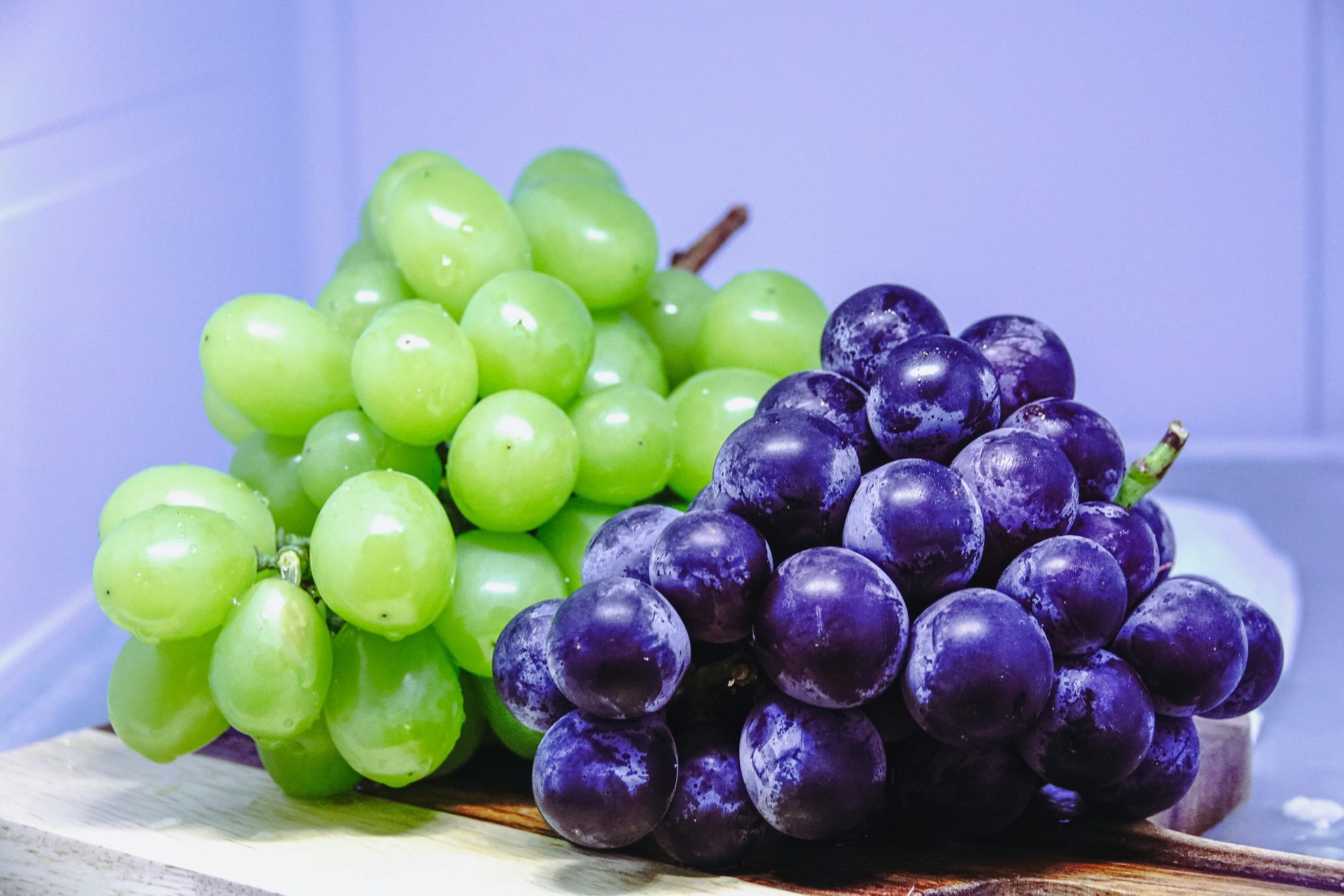
Grapes are one of those fruits that seem to disappear from the fridge faster than you expect — or, on the flip side, sit there long enough to start turning. If you’ve ever wondered whether you can freeze grapes and then thaw them before they go to waste, the short answer is yes. You can freeze grapes and then thaw them for consumption, though the texture of thawed grapes will differ from that of fresh grapes.
The longer answer is that how you freeze them, how long you store them, and what you plan to do with them afterward all determine whether your frozen grapes are a win or a disappointment. This guide walks you through every step — from prep to thawing to knowing when to toss them.
Can You Freeze Grapes?
Grapes can indeed be frozen, and they make a convenient and refreshing snack when stored this way. Freezing grapes helps preserve their freshness and flavor, making it possible to enjoy them long after their typical shelf life has passed.
Whether you prefer green, red, or black grapes, all varieties can be frozen successfully. Seedless grapes are often preferred for freezing because they are easier to eat once defrosted. That said, seeded varieties work fine if you plan to blend them into smoothies or cook with them.
Frozen grapes retain most of their nutrients, including vitamins C and K, as well as antioxidants like resveratrol. While they are an excellent low-calorie, naturally sweet treat, it’s still important to eat grapes in moderation as they do contain natural sugars. If you’re looking for heart-healthy foods to incorporate into your routine, grapes — fresh or frozen — are a solid choice.
Pro Tip: Always start with the freshest grapes you can find. As Fridge.com notes, the fresher the grapes when frozen, the better they will taste after thawing.
Does Freezing Change the Texture or Taste of Grapes?
This is the part most people don’t expect. Freezing does change grapes — not dramatically in terms of nutrition or flavor, but noticeably in texture. Grapes are naturally juicy, and when frozen, the water inside them expands. Upon thawing, this ice causes the cell walls of the grapes to rupture, resulting in a mushy texture.
The texture may change from firm and juicy to somewhat mushy, depending on the grape variety and how long they’ve been frozen. This change in texture can make thawed grapes less appealing for eating raw, but they’ll still be ideal for smoothies or baking.
On the flavor side, the picture is a bit more nuanced. Freezing tends to concentrate the natural sugars in grapes, making them taste even sweeter. However, freezing can also alter the acidity levels of grapes, which may result in a less palatable taste experience for some consumers. This shift in acidity can make frozen grapes seem more tart or sour than their fresh counterparts.
It is more common to eat frozen grapes while they’re still frozen, which gives them a sorbet-like texture that is especially appealing in warmer months. If you eat them straight from the freezer, many of the texture concerns simply don’t apply.
How to Freeze Grapes the Right Way
Freezing grapes takes about five minutes of active prep. The key is a two-step process — flash-freeze first, then bag — so you end up with individual grapes rather than a solid frozen clump.
- Select and sort. Start with grapes that are firm, plump, and free from blemishes or signs of spoilage. Discard any that are already soft or shriveled.
- Wash and dry thoroughly. Rinse the grapes under cold running water to remove any dirt, debris, or pesticide residue. Then pat them completely dry. When you skip drying, that leftover moisture turns to ice and creates a frosty coating. Rinsing and drying first keeps the texture smooth and not icy.
- Remove the stems. Carefully remove the grapes from the stems. Leaving the stems on can make them difficult to separate after freezing.
- Flash-freeze in a single layer. Spread the grapes in a single layer on a baking sheet lined with parchment paper. Freeze for 1–2 hours, or until solid. This prevents the grapes from clumping together.
- Transfer to an airtight container. Once the grapes are frozen solid, transfer them to freezer-safe bags or containers. Remove as much air as possible to prevent freezer burn.
- Label with the date. Label the container with the date you froze them for easy tracking.
Pro Tip: No sugar is required when freezing whole grapes. According to What’s Cooking America, the natural high sugar and acid level in grapes acts as a preservative on its own.
According to the National Center for Home Food Preservation at the University of Georgia, grapes can also be frozen as juice — a method useful when you have a large volume of fruit and want to preserve it in a more compact form.
How Long Can You Freeze Grapes?
Grapes can be frozen for 10–12 months when packaged properly. The key is removing as much air as possible and using freezer-safe containers or bags.
That said, peak quality doesn’t last the full year. When stored properly in the freezer, grapes can last for up to 12 months. For the best taste and texture, it’s recommended to use them within 6–8 months. Over time, frozen grapes may lose some of their firmness and may develop slight changes in flavor due to prolonged exposure to air or moisture. Even though the grapes remain safe to eat after 12 months, the quality tends to diminish.
| Storage Method | Estimated Shelf Life | Quality Notes |
|---|---|---|
| Counter (room temperature) | 2–4 days | Spoils quickly; avoid for long storage |
| Refrigerator | 1–2 weeks (unwashed) | Best kept in original bag; wash just before eating |
| Freezer (airtight bag) | Up to 12 months | Best quality within 6–8 months |
Always make sure your freezer is set to 0°F (–18°C) or lower. Ensuring your freezer is set to 0°F (–18°C) or lower helps maintain the quality of the grapes.
How to Thaw Frozen Grapes
How you thaw grapes matters almost as much as how you freeze them. The goal is a slow, gentle process that minimizes further cell damage.
Refrigerator method (recommended): Place the frozen grapes in a bowl and let them thaw in the refrigerator for several hours or overnight. This slow thawing process helps retain their juiciness and texture. Transfer the grapes from the freezer to the refrigerator the night before you plan to use them. Slow thawing in the refrigerator helps to maintain their texture and flavor.
Room temperature method (quicker): Spread the frozen grapes on a plate or tray and allow them to thaw at room temperature for about 1–2 hours. This works fine when you need them faster, but the texture will soften more noticeably.
Avoid using heat or microwave thawing methods, as this can result in a loss of their desired characteristics.
Important Note: Once thawed, grapes should be used promptly and not left at room temperature for extended periods. They will not return to their original firm texture after thawing, so plan to use them in a recipe or eat them right away.
You also don’t have to thaw them at all. Frozen grapes can be eaten frozen as a refreshing and healthy snack — just let them sit for a minute or two to give them a sorbet-like texture. This is one of the most popular ways Americans enjoy them, especially during summer.
Can You Refreeze Grapes After Thawing?
Technically, you can refreeze grapes — but it’s not recommended. Refreezing is not recommended. Quality and texture degrade significantly with repeated freezing and thawing.
Here’s why: When refrozen, the grapes will undergo the cell-rupture process again, and with each cycle, the texture will degrade further, making them less suitable for raw consumption. Additionally, refreezing grapes can lead to a loss of flavor. While freezing grapes slows down the degradation of their taste, the refreezing process may cause them to lose some of their natural sweetness and crispness.
To minimize these changes, it’s important to freeze the grapes individually, store them in airtight containers, and only thaw and refreeze them once. If you’re using refrozen grapes for smoothies, baked goods, or as a chilled snack, the texture may not be as much of an issue, but raw consumption may not be as enjoyable.
The practical workaround: only thaw what you need. Since you flash-froze them individually, you can pull out exactly the portion you want and leave the rest untouched in the freezer. For more ideas on smart food storage, check out this guide on whole plant-based foods and how to make the most of them.
How to Use Frozen Grapes (Best Uses After Freezing)
Once you accept that thawed grapes won’t snap back to fresh-grape crispness, a whole range of uses opens up. The softened texture is actually an advantage in many recipes.
- Frozen snack: Drop frozen grapes into your favorite beverage to keep it cool without diluting the flavor. They work especially well in water, iced tea, lemonade, or white wine.
- Smoothies: Add frozen grapes directly to your blender for a naturally sweet and frosty smoothie. No need to thaw first — they blend easily from frozen.
- Dessert toppings: Use thawed grapes as a topping for ice cream, yogurt, or in fruit salads; varieties like cotton candy grapes taste much sweeter, so are ideal for naturally sweetening desserts.
- Slushies: Blend frozen grapes with juice or water for a quick summer treat.
- Sangria and cocktails: Frozen grapes make excellent edible ice cubes for sangria or wine spritzers — they chill the drink and add flavor as they slowly thaw.
- Jams and sauces: Thawed grapes are too soft for eating but work well in jams, sauces, or smoothies. Cook them down with a little sugar and lemon juice for a simple grape preserve.
If you enjoy experimenting with fruits and nutrient-rich ingredients, you might also find this article on foods for healthy skin useful — many of the same antioxidants in grapes show up across the list.
Pro Tip: For smoothies, skip thawing entirely. Frozen grapes go straight into the blender and act as both the fruit and the ice — no added ice cubes needed.
Signs That Frozen Grapes Have Gone Bad
Freezing slows spoilage but doesn’t stop it forever. Here’s what to look for before eating your frozen grapes:
- Freezer burn: Excessive ice crystals or freezer burn on the grapes can affect their taste and quality. Freezer-burned grapes are safe to eat but will taste dry and off.
- Discoloration: Discoloration or dark spots on the grapes can indicate spoilage.
- Unpleasant odor: A sour or off smell is a clear sign that the grapes are no longer good. A sour or alcoholic smell indicates yeast fermentation.
- Mold: Mold is a clear indication that the grapes are no longer safe to eat. Discard the entire bag if you spot any fuzzy growth.
- Overly mushy texture after thawing: If the grapes have become mushy or overly soft after thawing, they may have spoiled — especially if that softness is accompanied by any of the other warning signs above.
- Off flavor: If the grapes taste sour, bitter, or otherwise unpleasant, discard them immediately.
If you notice any of these signs, it’s best to discard the grapes to avoid any health risks. When in doubt, throw them out. For a broader look at foods that can cause harm when they’ve turned, see this resource on foods to avoid for better health.
Frequently Asked Questions
Do Frozen Grapes Taste Good?
Freezing tends to concentrate the natural sugars in grapes, making them taste even sweeter. Eaten straight from the freezer, most people find them quite enjoyable. Thawed grapes retain their flavor but lose their crisp bite, so they work best in recipes rather than as a fresh snack.
Can You Freeze Grapes with Seeds?
If you only have grapes with seeds, you can cut the seeds out before placing them in the freezer. If you’re blending them into smoothies, seeded grapes work too, but you might notice a slight bitter taste from the seeds unless you remove them first.
Are Frozen Grapes Nutritious?
Frozen grapes have the same nutritional value as fresh. They contain natural sugars and feel like a dessert without added sugar. They’re a smart swap for processed sweets, especially for kids. For more on how specific foods support your body, see this guide on fibroid-healing foods and the role nutrition plays.
How Long Do Grapes Last in the Fridge Before You Should Freeze Them?
Unwashed fresh grapes will last in the fridge in the plastic bag they came in from the grocery store for about three weeks. If they are not consumed after that time, they should be placed into the freezer to prolong their integrity. Don’t wait until they’re already going soft — freeze them when they’re still at their best.
Can You Freeze Grape Juice?
Yes. According to the National Center for Home Food Preservation , you can crush grapes, simmer with water, strain the juice, and freeze it in containers with headspace. If tartrate crystals form in frozen juice, they may be removed by straining the juice after it thaws.
What’s the Best Grape Variety for Freezing?
All varieties can be frozen successfully, including green, red, and black grapes. Seedless grapes are often preferred for freezing because they are easier to eat once defrosted. Red and black grapes tend to be sweeter frozen than green.