Can You Freeze Individual Yogurt Cups? Everything You Need to Know

November 7, 2026
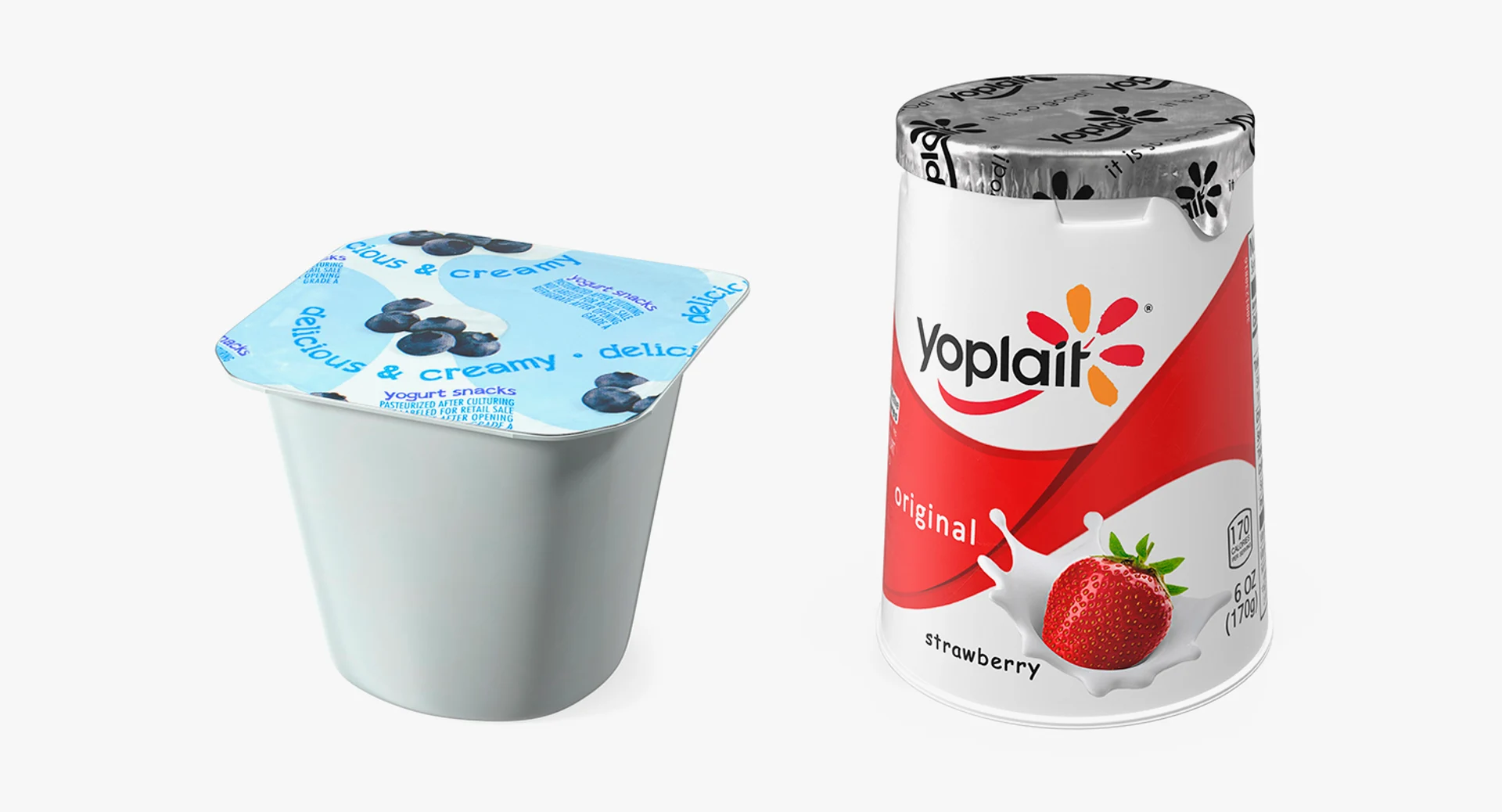
Grabbing a multipack of yogurt cups on sale feels like a win — until you realize you can’t eat them all before the date on the lid. The good news is that your freezer can solve that problem. Freezing those single cups can save money, cut waste, and keep quick snacks on hand, as long as you handle them with food safety in mind.
That said, freezing yogurt does come with a few trade-offs worth knowing about before you toss a whole case into the freezer. This guide covers exactly how to freeze individual yogurt cups, what to expect when you thaw them, how long they last, and the smartest ways to use them afterward.
Can You Freeze Individual Yogurt Cups?
Individual serving cups of yogurt are typically safe to freeze as long as they don’t come in glass containers. That covers the most popular brands Americans buy in bulk at stores like Costco, Sam’s Club, or Target — Chobani, Dannon, Activia, Yoplait, and similar single-serve plastic cups all go into the freezer without issue.
You can freeze Greek yogurt, plain yogurt, fat-free yogurt, organic yogurt, yogurt cups, and squeeze tubes of yogurt — even plain, flavored, or swirled with fruit. The key difference is what happens to the texture once it thaws, which is covered in the next section.
The health-boosting live and active bacteria found in yogurt survive freezing. The most discernible change is its texture, which becomes grainier or thinner after freezing. Knowing that upfront helps you plan how you’ll use the yogurt once it comes out of the freezer.
Pro Tip: If you plan to eat the yogurt straight from the cup after thawing, look for brands that list stabilizers like pectin, xanthan gum, or gelatin on the label. Yogurts with added stabilizers freeze best for eating straight out of the container, since these ingredients prevent separation during freezing.
Does Freezing Change the Texture or Taste of Individual Yogurt Cups?
Yes — and it helps to understand why. Freezing collapses the protein networks in yogurt. The process releases water that, when frozen, separates from the milk solids. When the yogurt thaws, that separated liquid doesn’t fully reincorporate on its own.
When you put yogurt in the freezer, you’ll notice some changes when it thaws: the flavor tends to get a little tangier and less sweet, the consistency will be more watery than usual even after mixing, and the texture is less smooth and more grainy and gritty.
The type of yogurt you freeze also matters. Greek yogurt is strained, so it contains less water than regular yogurt. Less water means fewer ice crystals, which means less structural damage. Full-fat Greek yogurt freezes best of all — the fat content helps limit ice crystal formation, and the result after thawing is noticeably better than low-fat varieties.
What stays the same: flavor, nutritional value, and probiotic content — freezing makes the probiotics dormant, but doesn’t destroy them. What changes: texture, appearance, and mouthfeel. If you’re blending the yogurt into smoothies or baking with it, those texture changes become a non-issue. Yogurt is also packed with nutrients that support overall health — learn more about superfoods for a healthy heart and how dairy fits into a balanced diet.
How to Freeze Individual Yogurt Cups the Right Way
The method you use depends on whether the cups are unopened or already partially eaten. Both situations are manageable with a little prep.
Freezing Unopened Cups
Unopened yogurt cups are simple to freeze since they already sit in sealed containers. Still, a little prep helps prevent messes. Follow these steps:
- Check the date. Freeze only yogurt cups that still smell normal and sit well within the date on the carton.
- Leave room for expansion. Yogurt expands as it freezes. If a cup looks filled right to the brim, peel the lid back, scoop out a spoonful, then reseal with a tight layer of plastic wrap under the lid.
- Bag the cups. Due to expansion, the cups may crack in the freezer. To prevent freezer burn and the absorption of odors, place the cups in a freezer-safe bag for storage.
- Label everything. Write the freezing date and flavor on the lid so you can rotate older yogurt cups first.
Freezing Partially Eaten Cups
Partially eaten yogurt cups need a bit more care since the spoon already touched the yogurt. That contact can introduce microbes, so shorter freezer time is a safer call. Scoop leftover yogurt into a clean, airtight container or portion into ice cube trays. Cover tightly, label with date, and freeze as soon as you finish eating.
Freezing in Ice Cube Trays (Best for Smoothies)
Freezing in cubes gives you flexibility and keeps the texture closer to what you want in cold drinks. Fill silicone ice cube trays with yogurt from cups, leaving a little headspace. Freeze until solid, then pop cubes into a labeled freezer bag. Use a set number of cubes for each smoothie so you get the same creaminess every time.
Pro Tip: If you’re freezing yogurt that has fruit in it, open the container and thoroughly stir the yogurt before placing it in a freezer-safe, sealed container. If you don’t mix fruit yogurt first, it won’t freeze evenly.
How Long Can You Freeze Individual Yogurt Cups?
According to the United States Department of Agriculture, yogurt keeps in the refrigerator for about one to two weeks and can stay in the freezer for one to two months at 0°F (−18°C). That time frame also applies to individual yogurt cups, whether they are regular, Greek, or flavored.
Yogurt can be frozen for up to two months. Technically, it’s safe to eat for quite a while after that, but freezer burn can set in, with taste and textural changes after the two-month mark. If you plan to eat the yogurt with a spoon rather than blend it, aim for an even shorter window. If you plan on eating the yogurt with a spoon, aim to consume your yogurt freezer stash within 30 days.
| Yogurt Type | Best Freezer Window | Maximum Safe Storage | Best Use After Freezing |
|---|---|---|---|
| Regular flavored cups | Up to 1 month | 2 months | Smoothies, baking |
| Greek yogurt cups | Up to 1 month | 2 months | Smoothies, dips, baking |
| Fruit-on-the-bottom cups | Up to 1 month | 2 months | Smoothies, baked goods |
| Squeeze tubes / Go-Gurt style | Up to 2 months | 2 months | Frozen snack (eat frozen) |
How to Thaw Frozen Individual Yogurt Cups
While it may make sense to thaw your yogurt out on a countertop after freezing, it’s safer to thaw it in the refrigerator. This helps ensure that the yogurt stays within a safe temperature range that inhibits unsafe bacteria from thriving. Ideally, place your frozen yogurt in the fridge the night before you plan to consume it.
If you’re pressed for time, you can keep it on the counter for up to 2 hours. While this won’t fully thaw it, it can soften the yogurt. Avoid using the microwave, as it could cause uneven thawing and impact the yogurt’s texture.
Once thawed, the yogurt will look different from when it went in. Like frozen milk, the yogurt will separate a bit after thawing and can become watery or grainy. Be sure to mix well before you plan on eating it to try to get it as smooth as possible. To give it a smoother texture after it’s defrosted, you can insert a single whisk from a hand blender in the container and mix it at the lowest speed. This should help reconstitute it close to the original texture.
Important Note: If the yogurt was made from raw milk, do not thaw it on the counter for any period of time. Yogurt made from raw milk may contain E. coli, which can cause serious illness. Always thaw raw milk yogurt in the refrigerator only.
Can You Refreeze Individual Yogurt Cups After Thawing?
The short answer is no — and it’s worth understanding why. Every time yogurt goes through a freeze-thaw cycle, the ice crystals do more damage to its delicate protein structure. Refreezing only makes the separation worse, leaving you with a texture that’s even grainier and more watery. For both quality and food safety reasons, it’s always best to thaw only what you plan to use and enjoy it all in one go.
Freezing yogurt doesn’t significantly alter its flavor, but multiple freeze-thaw cycles can cause a slight degradation. Beyond texture, there is also a food safety angle: thawing yogurt too quickly at room temperature can allow harmful bacteria to grow, rendering the yogurt unsafe to eat. A slow, controlled thaw ensures that it remains as safe as possible.
The best way to avoid the refreezing problem entirely is to freeze yogurt in individual portions from the start. Freeze in portions so you only thaw what you need. Single-serve cups already solve this problem for you — just pull out one cup at a time rather than a large batch.
How to Use Frozen Individual Yogurt Cups (Best Uses After Freezing)
Once you accept that thawed yogurt won’t have the same silky texture it had fresh, you’ll find it works beautifully in a wide range of everyday recipes. The applications below hide any graininess completely or turn it into an advantage. Yogurt’s nutritional profile — high in protein, calcium, and powerful nutrients — makes it worth preserving rather than tossing.
- Smoothies. Frozen yogurt cubes from cups drop straight into a blender with fruit, oats, or nut butter. Frozen yogurt chills the drink without watering it down like ice. Graininess disappears in the blend, making this one of the easiest ways to use yogurt cups from the freezer.
- Baking. Thawed yogurt from cups works well in muffins, quick breads, pancakes, and some cakes. The light tang and protein help browning and tenderness. Small texture changes vanish once the batter hits the heat of the oven.
- Frozen popsicles. Kids’ tubes and pouch cups turn into handheld frozen snacks with no extra work. Set them on a tray in a single layer until solid. For regular cups, slide wooden sticks into the center while the yogurt is still soft, then freeze.
- Dips and sauces. Thawed yogurt doesn’t make the smoothest sauces — so if you’re at all concerned about texture, save your thawed yogurt for a baking project or a smoothie. That said, it works fine blended into dressings or mixed into hummus-style dips where a little extra liquid isn’t noticeable.
- Marinades. Thawed yogurt is a classic base for tenderizing chicken and other proteins. The acidity and protein content work the same regardless of whether the yogurt was previously frozen. It’s a great way to incorporate foods that support healthy skin into your meals.
- Overnight oats. Stir thawed yogurt into oats the night before. By morning, the oats have absorbed the liquid and the texture difference is completely undetectable.
Signs That Frozen Individual Yogurt Cups Have Gone Bad
Not every change in appearance means the yogurt is spoiled — but some signs are clear red flags. Knowing the difference keeps you from throwing out perfectly good food or, worse, eating something that’s gone off.
Normal changes you can expect: Separation of liquid from solids, a slightly more tart smell, and a grainier or thinner texture after thawing are all normal results of the freezing process. Liquid tends to separate when you freeze yogurt. Aside from a little enhanced acidic taste due to the freezing process, yogurt’s flavor wouldn’t change much after it’s frozen and thawed — you may just need to shake or mix it before consuming to blend the liquids together.
Signs the yogurt has actually spoiled:
- Off or sour smell beyond normal tartness. If the yogurt has developed a sour, off, or fermented smell after thawing, it’s a clear sign that it has started to spoil. Spoiled yogurt can be harmful if consumed and should not be refrozen or eaten.
- Visible mold or unusual discoloration. Mold growth or color changes are signs that yogurt has gone bad. Mold can develop if yogurt has been left out at room temperature for extended periods or if it was improperly stored. Any visible mold or unusual discoloration is a red flag that the yogurt should be discarded.
- Slimy film on the surface. Discard any yogurt that has noticeable signs of microbial growth, such as black mold or a slimy film, regardless of whether it has passed its expiration date.
- Stored too long. Freezing stops bacteria from growing, so yogurt cups stored at 0°F stay safe, though texture and flavor slowly lose quality. If the cups have been in the freezer for more than two months, the quality will have declined significantly even if the yogurt is technically safe.
Key Insight: When in doubt, do a quick smell and visual check before using any thawed yogurt. Fresh yogurt smells tangy and clean. If something seems off, toss it — a single yogurt cup isn’t worth a foodborne illness risk.
Frequently Asked Questions
Can You Freeze Yogurt Cups That Are Already Past Their Sell-By Date?
You can freeze yogurt up to two months past its expiration date, but it must be consumed immediately after thawing. That said, only freeze yogurt that still smells and looks normal before it goes into the freezer. Freezing doesn’t reverse spoilage — it only pauses it.
Do the Probiotics in Yogurt Survive Freezing?
The frozen yogurt probiotics will go dormant but should be relatively intact when thawed, so you won’t lose out on those probiotic health benefits. While probiotics are killed at higher temperatures, they survive in your freezer for at least a few weeks. One test-tube study found no significant decline in the amount of bacteria present in yogurt after a 35-day freezing period. Probiotics are a big reason yogurt supports healing through food — and freezing doesn’t erase that benefit.
How Long Does It Take a Frozen Yogurt Cup to Thaw?
Place the cup in the refrigerator until it defrosts — this may take up to 24 hours depending on the amount. If pressed for time, you can defrost on the counter at room temperature for up to two hours. A standard 5- to 6-ounce cup typically takes 6 to 8 hours in the fridge.
Can You Freeze Yogurt Cups for Kids’ Lunches?
Yes, and it’s a practical trick many American parents use. If you just bought one of those packs with multiple small yogurts, you can put them straight into the freezer with no problem — this is by far the easiest method. Pull a cup out the night before and let it thaw in the fridge. By lunchtime it will be cold and ready to eat. You can also pack a frozen cup directly in an insulated lunch bag — it will thaw slowly and stay cold, acting as its own ice pack. For more ideas on building nutritious meals, check out these whole plant-based foods that pair well with yogurt.
Does the Brand of Yogurt Matter for Freezing?
There are many styles of yogurt, including extra creamy, light, Greek, French, Icelandic Skyr, and thinner drinkable varieties. Different brands or yogurt styles will freeze differently, with some producing a more grainy or flaky effect due to the separation of the frozen water content from the milk proteins. Other types will maintain some of their smoothness when they freeze. Often, yogurts with stabilizing ingredients have the most consistent texture when frozen.
Can You Freeze Non-Dairy Yogurt Cups?
If you are eating vegan alternatives for yogurt, these can be frozen for up to one month using the same methods as dairy yogurt. The texture changes may be slightly different depending on whether the base is almond, coconut, oat, or soy milk, but the same rules around airtight storage, labeling, and refrigerator thawing apply. Non-dairy yogurts are also worth exploring as part of a liver-supportive diet or other health-focused eating plans.