Can You Freeze Cream Cheese Sauce? What You Need to Know Before You Try

November 6, 2026
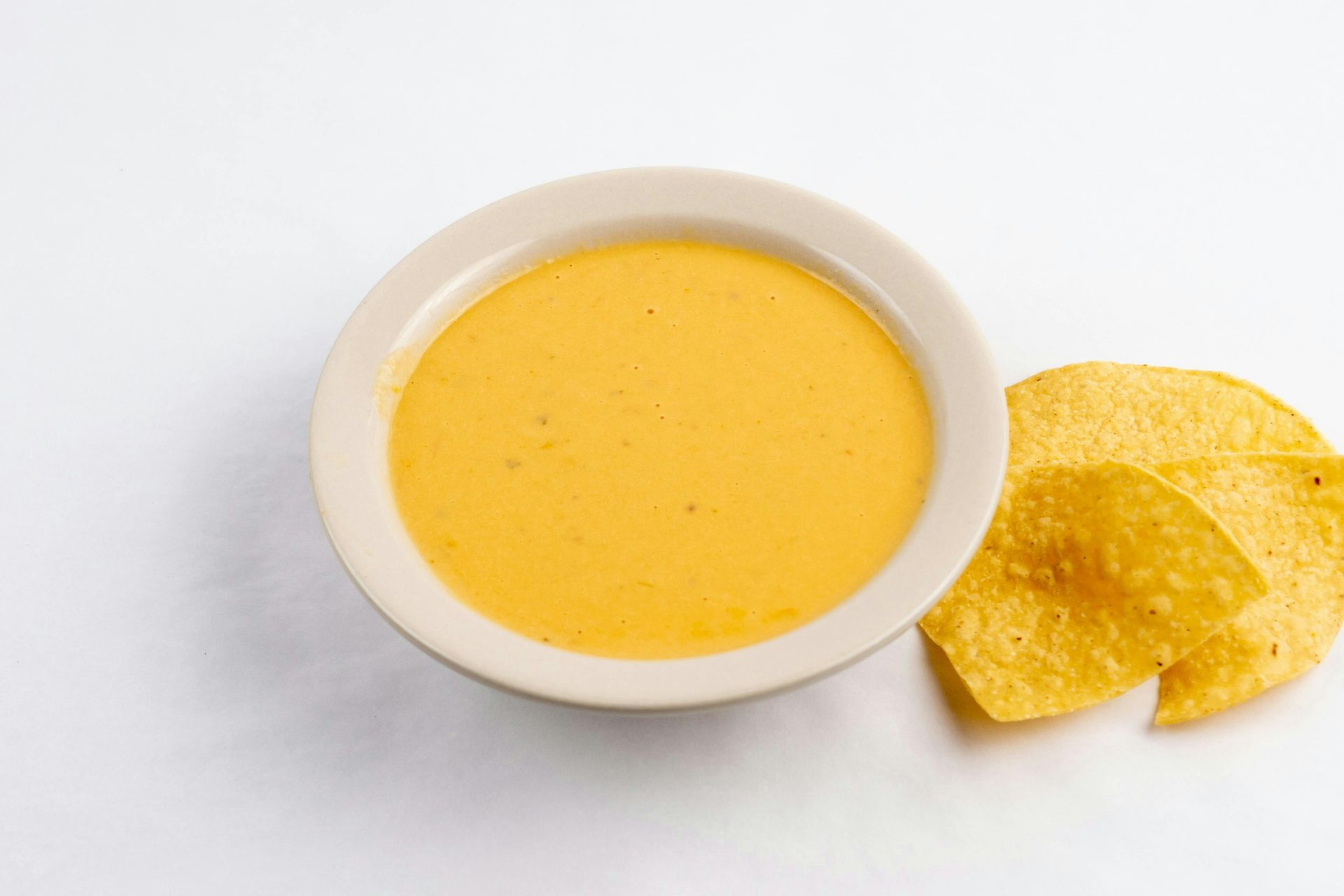
Leftover cream cheese sauce is one of those kitchen wins you don’t want to throw away. Whether you made a big batch of creamy pasta sauce, a rich dip, or a savory stovetop sauce for chicken, the question is the same: can you stash it in the freezer for later?
The short answer is yes — but with a few important caveats. Cream cheese sauce can be frozen safely, and knowing the right technique makes the difference between a sauce that reheats beautifully and one that turns grainy and watery. This guide walks you through everything: how to freeze it properly, how long it lasts, how to thaw it, and what to do with it once it comes out of the freezer.
Can You Freeze Cream Cheese Sauce?
Yes, you can freeze cream cheese sauce. Cream cheese and cream cheese-based sauces can be frozen, though freezing can change their texture in ways that may not suit every recipe. That said, freezing is a practical option when you have more sauce than you can use within a few days.
Freezing cream cheese is completely safe, and the U.S. Food and Drug Administration confirms that food kept frozen at 0°F (-18°C) stays safe indefinitely. The real concern isn’t safety — it’s quality. While you can freeze cream cheese sauce, the texture and flavor may change depending on the ingredients and freezing methods used, because cheese sauce is an emulsion of fats, proteins, and liquids, and freezing can cause the water content to form ice crystals that disrupt this delicate balance.
The key takeaway: freezing works best when the sauce will be reheated and stirred into a cooked dish rather than served as a silky, poured sauce straight from the fridge. If you plan to use it in pasta, casseroles, or soups, you’ll likely be happy with the results. If you need it to look restaurant-smooth, fresh is always better. You can also explore substitutes for cream cheese if you’d rather avoid freezing altogether.
Pro Tip: Cream cheese sauces with a roux base (butter + flour + milk) tend to freeze and reheat more successfully than sauces made with cream cheese alone, because the starch in the roux helps stabilize the emulsion.
Does Freezing Change the Texture or Taste of Cream Cheese Sauce?
Yes — and it helps to understand exactly why, so you’re not caught off guard. When cream cheese freezes, the water inside separates from the fat and solids, so it thaws out crumbly, grainy, and a little watery instead of smooth and spreadable. The same process happens in a cream cheese sauce.
The main challenges include separation, where the fat and liquid components may separate and cause a watery layer on top; graininess, where protein coagulation during freezing can produce a gritty or curdled texture; and some flavor loss, where subtle flavor nuances might diminish due to freezer exposure.
Soft cheeses like cream cheese, with 50–60% fat, become greasy when frozen because their high fat content separates more dramatically compared to harder cheeses. Sauces with high moisture or soft cheeses like cream cheese may separate or become grainy after thawing, while harder cheeses such as cheddar, Parmesan, or Swiss tend to freeze better because their lower moisture content helps maintain a smoother texture.
The good news is that the flavor largely holds up. That change is mostly cosmetic and structural, not a sign of spoilage. The flavor stays essentially the same, and in any recipe where the cream cheese gets melted, beaten, or blended — think a creamy pasta sauce — the grainy texture largely disappears once it’s mixed with heat or other ingredients.
If you want to learn more about the different varieties and fat profiles of cream cheese, this overview of different types of cream cheese is a useful reference.
How to Freeze Cream Cheese Sauce the Right Way
Good prep before the sauce goes into the freezer dramatically improves what comes out. Follow these steps to protect both texture and flavor.
- Cool the sauce completely first. Let your sauce cool completely at room temperature — no more than 2 hours to avoid bacterial growth. Never pour hot sauce directly into a freezer container.
- Portion it out. Portioning the sauce into smaller containers or using ice cube trays for individual servings can make thawing easier and reduce waste. Smaller portions also thaw more evenly.
- Use airtight, freezer-safe containers. Using airtight, freezer-safe containers or heavy-duty freezer bags will help maintain the sauce’s quality by minimizing exposure to air and preventing freezer burn.
- Leave headspace. Leave at least ½-inch headspace to account for expansion — cheese sauces can expand by up to 10% when frozen.
- Add a starch stabilizer (optional but helpful). At home, you can mimic commercial stabilizers by adding ½ teaspoon of cornstarch per cup of sauce before freezing to help bind the water molecules.
- Label clearly. Label your containers clearly, including both the date of freezing and the type of sauce — for example, “Cream Cheese Pasta Sauce – July 2026.” This simple step helps you avoid keeping sauces past their prime.
- Freeze quickly. The faster cream cheese freezes and the slower it thaws, the smaller the ice crystals and the less damage to the texture. Place containers toward the back of the freezer where temperatures are most stable.
Pro Tip: If your sauce contains pasta or vegetables, freeze the sauce separately from the other components. Pasta absorbs moisture as it freezes, and most vegetables release water when thawed — both of which make the final dish watery.
How Long Can You Freeze Cream Cheese Sauce?
For the best flavor and the least texture loss, use frozen cream cheese within about two months. After that, it’s still safe, but the texture degradation and risk of freezer burn keep climbing.
Frozen cheese sauce should ideally be consumed within 1 to 2 months to maintain optimal quality. While it remains safe beyond this period if stored continuously at 0°F (-18°C), sensory qualities such as taste and texture will decline over time.
Here’s a quick reference for how long cream cheese sauce keeps in different storage situations:
| Storage Method | Estimated Quality Window | Notes |
|---|---|---|
| Refrigerator (opened) | 3–5 days | Store in an airtight container |
| Freezer (cream cheese sauce) | 1–2 months (best quality) | Safe beyond this, but texture declines |
| Freezer (roux-based cheese sauce) | Up to 3 months | Starch base helps stabilize texture |
If your sauce has been frozen for longer than two months, it’s still worth checking before tossing — it may be perfectly fine for a baked casserole or soup where texture is less noticeable. You can apply similar storage logic to other dairy-based freezer items, like when deciding whether to freeze coffee creamer.
How to Thaw Frozen Cream Cheese Sauce
How you thaw the sauce matters almost as much as how you froze it. Rushing the process is the most common mistake, and it leads to a broken, separated sauce that’s hard to rescue.
The best method: refrigerator overnight. Thawing frozen cheese sauce properly is critical to restore its smooth consistency. The safest method is to transfer the sauce from the freezer to the refrigerator and allow it to thaw slowly overnight. This gradual thawing reduces the risk of separation and curdling.
Faster option: cold water bath. If you need to thaw cheese sauce more quickly, place the sealed container in a bowl of cold water, changing the water every 30 minutes until thawed. Avoid using hot water, as it can cause uneven thawing and spoilage.
Reheating after thawing. Reheating should be done gently over low heat on the stovetop or in a microwave at medium power. Stir frequently to redistribute fats and proteins evenly. If the sauce appears separated or grainy, whisking vigorously or using an immersion blender can help restore smoothness. Adding a small amount of fresh milk or cream during reheating can also improve texture.
Flavor boost after thawing. Adding a fresh pinch of salt and a splash of lemon juice after reheating can brighten up muted flavors that sometimes result from freezer storage.
Important Note: Never reheating cream cheese sauce at a rolling boil. High heat causes the proteins to tighten and squeeze out more fat, making any separation permanent and very difficult to fix.
Can You Refreeze Cream Cheese Sauce After Thawing?
Refreezing cream cheese sauce is not recommended. Temperature fluctuations during freezing worsen the problem — each time the sauce partially thaws and refreezes, more ice crystals form and grow larger. This accelerates the breakdown of the emulsion and leaves you with a sauce that’s grainy and separated beyond what gentle reheating can fix.
From a food safety perspective, refreezing is only safe if the sauce was thawed in the refrigerator and never left out at room temperature for more than two hours. Even then, the quality loss makes it a poor choice. A better approach: freeze the sauce in single-serving portions from the start, so you only thaw exactly what you need. Smaller portions defrost quicker and you can just take out what you need.
How to Use Frozen Cream Cheese Sauce (Best Uses After Freezing)
Once you accept that thawed cream cheese sauce is a cooking-and-baking ingredient rather than a pour-and-serve sauce, a lot of great options open up. The trick is choosing recipes where it gets melted, beaten, baked, or blended — any of which smooth out the grain.
Here are the best ways to put frozen cream cheese sauce to work:
- Pasta dishes: Stir the thawed sauce into hot, just-drained pasta. The residual heat and pasta water help re-emulsify the sauce and mask any graininess.
- Casseroles: Frozen cream cheese works well in dishes like soups, sauces, dips, and casseroles. Baked chicken pasta, enchiladas, and green bean casseroles are all great candidates.
- Soups: Stir it into a pot to add richness — the heat melts it down and the soup’s liquid helps smooth out any texture issues.
- Dips: Reheat with a splash of milk and serve warm as a party dip with chips, pretzels, or vegetables.
- Stuffed proteins: Use thawed cream cheese sauce as a filling for stuffed chicken breasts or peppers before baking — the oven heat takes care of any texture concerns.
- Baked goods: Frozen cream cheese can add a rich, creamy flavor to baked goods, such as cookies, muffins, brownies, and cakes.
What to avoid: The cheese will still be tip-top in baked goods, dips, creamy casseroles, and more. Just avoid using it in something like a cheesecake or frosting where a perfectly silky texture is necessary.
Signs That Frozen Cream Cheese Sauce Has Gone Bad
Graininess and separation after thawing are normal and do not mean the sauce has spoiled. However, there are clear signs that frozen cream cheese sauce has actually gone bad and should be thrown out.
- Sour or off smell: A noticeable foul smell, discoloration, or changes in texture are the best ways to tell if your cream cheese has gone bad. Trust your nose first.
- Visible mold: If your cream cheese has turned yellow or there are patches of blue or green, it has spoiled and should be thrown out immediately.
- Slimy texture: If you notice that your cheese is no longer creamy and has a dry, grainy, or slimy texture, it has also gone bad. Note that “grainy” here refers to an extreme, slimy graininess — not the mild graininess that is normal after freezing.
- Severe freezer burn: Large, dry ice crystals on the surface and a shriveled or discolored appearance indicate heavy freezer burn. The sauce is technically safe but will taste flat and unpleasant — not worth using.
- Stored too long: The two-month window is a quality guideline, not a safety deadline. Always check for off smells or visible mold before using anything that’s been stored a long time.
Key Insight: When in doubt, throw it out. Cream cheese sauce is inexpensive to make fresh, and the risk of eating spoiled dairy is not worth it.
Frequently Asked Questions
Can you freeze store-bought cream cheese sauce?
Yes. Unopened cream cheese can be stored in the freezer in its original packaging, which can help protect against freezer burn and maximize its shelf life. If the store-bought sauce has already been opened, transfer it to an airtight freezer-safe container before freezing.
Why does my cream cheese sauce look curdled after freezing?
When cream cheese sauce is frozen, the fat and the liquid content of the sauce undergo a separation. During the freezing process, ice crystals form on the liquid molecules and, once thawed, this defrosted liquid stays separated from the cheese curds in the sauce. This separation is what causes defrosted cream cheese sauces to end up grainy and unpleasant. Whisking vigorously or using an immersion blender while reheating over low heat usually fixes it.
Can you freeze Alfredo sauce made with cream cheese?
Yes, though the texture will change. A béchamel-style base — the foundation for many American-style Alfredo sauces — can be frozen in an airtight container. Thaw it completely in the fridge before reheating on the stove over medium-low heat, stirring often, then stir in cheese, herbs, or whatever your recipe calls for.
How do I fix grainy cream cheese sauce after freezing?
Place the defrosted cream cheese sauce in a mixing bowl and whisk it vigorously until it becomes smoother. This is quick and effective — you should see immediate results. You can also use an immersion blender to help restore smoothness, and add a small amount of fresh milk or cream during reheating to improve texture.
Is cream cheese sauce safe to freeze if it contains other ingredients like garlic or herbs?
Yes. Garlic, herbs, and most seasonings freeze well. The main concern is any high-moisture vegetables or proteins mixed into the sauce, which can release water during thawing and make the sauce watery. If possible, freeze the base sauce separately and add fresh mix-ins when you reheat it. For more on safe food storage practices with dairy, see who should be cautious with cream cheese and how freshness matters.
Can I freeze cream cheese sauce in a glass jar?
You can use glass, but leave at least 1 inch of headspace at the top. Cheese sauces can expand by up to 10% when frozen, and a jar that’s too full can crack. Wide-mouth mason jars with straight sides work better than jars with shoulders. Similar storage principles apply when you’re freezing sauces for babies or freezing store-bought applesauce — airtight containers and proper headspace are always the rule.