Can You Freeze Spinach for Smoothies? Everything You Need to Know

November 13, 2026
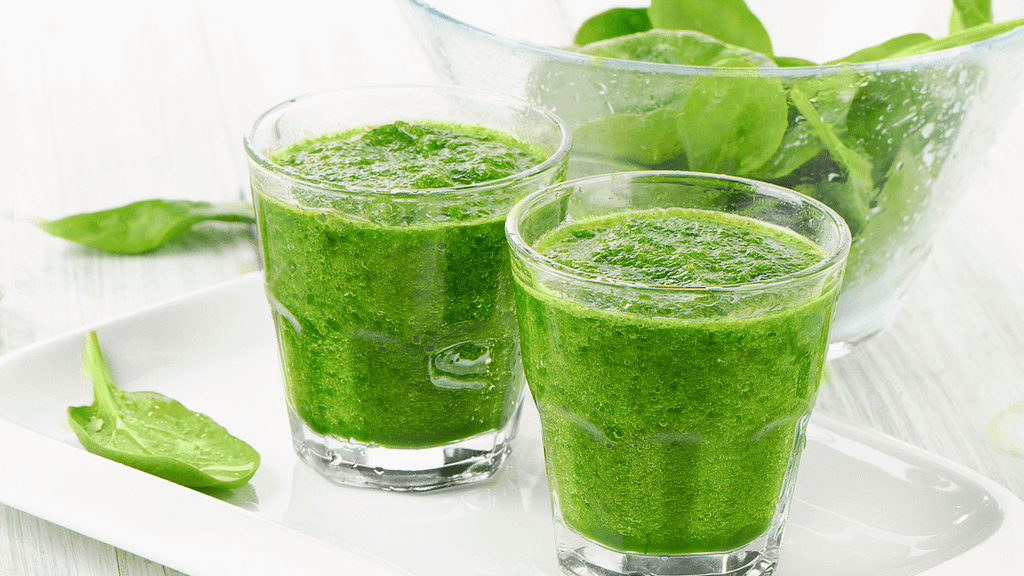
Fresh spinach has a frustrating habit of going bad before you get around to using it. You open a bag, grab a handful for dinner, and two days later the rest is a slimy mess in the back of your fridge. Fresh spinach goes bad in the fridge so quickly, so freezing it helps reduce food waste. The good news is that freezing spinach for smoothies is one of the easiest food storage habits you can build — and it pays off every morning.
Whether you buy spinach in bulk at Costco or pick up a bag at your local grocery store, this guide walks you through every step: how to freeze it, how long it keeps, how to use it, and how to tell when it has gone bad. By the end, you will have a freezer stocked with ready-to-blend greens and zero wasted produce.
Can You Freeze Spinach?
Yes, you can freeze fresh spinach, and it is an excellent way to minimize your produce waste. Both regular spinach and baby spinach freeze well, and you do not need any special equipment to get started. You can use whole spinach leaves or baby spinach leaves — either will freeze well.
Freezing prevents waste because fresh spinach wilts quickly, lets you save money by buying in bulk when it is on sale, keeps spinach prepped and ready for smoothies and soups, and preserves most of the vitamins and minerals found in fresh spinach. For smoothie makers especially, having a freezer stash means you can blend a nutritious green drink any morning without a grocery run.
According to the American Institute of Cancer Research, the nutrient content of frozen spinach is very similar to fresh spinach. That makes freezing one of the smartest ways to keep this leafy green working for you year-round. If you are already interested in eating more nutrient-dense foods, check out this guide to whole plant-based foods for more ideas.
Pro Tip: Freeze spinach the same day you open the bag. Once opened, leaves can start turning slimy within two days — freezing immediately locks in freshness before that happens.
Does Freezing Change the Texture or Taste of Spinach?
This is the question most people have before they try it, and the answer depends on how you plan to use the spinach. Freezing your spinach does not change the taste, and you can use it just as you would any cooked spinach. The flavor stays mild and neutral — which is exactly what you want in a smoothie.
Texture is a different story. You can freeze spinach without cooking it, but raw frozen spinach will have a softer, more wilted texture than fresh spinach when thawed. It is generally best used in cooked dishes, smoothies, or recipes where texture is not a priority. For salads or sandwiches, thawed spinach will be too limp to work well. Frozen spinach is great to cook with and add to smoothies, but once thawed it is wilted and soggy, so it is not really suitable for adding to salads or sandwiches.
In a blender, however, the texture change is actually a benefit. Frozen spinach can improve the texture of your smoothies — it acts like tiny ice cubes, making your drink thick, creamy, and extra frosty without watering it down. And when it comes to taste, so many green smoothie recipes take advantage of the fact that you cannot detect the flavor of fresh spinach when it is blended in with other ingredients.
How to Freeze Spinach the Right Way
There are two reliable methods for freezing spinach: the whole-leaf method and the spinach cube method. Both work well, but your best choice depends on how you plan to use the spinach later.
Method 1: Whole Leaves (Quickest Option)
This method takes about five minutes and is perfect if you want maximum flexibility. Rinse the spinach thoroughly under cold water, swishing the leaves to remove dirt. Repeat until the water runs clear. Then dry completely using a salad spinner or by patting with a clean towel to remove excess moisture — this helps prevent ice crystals from forming.
Pick out and discard any slimy, yellowed, or otherwise discolored leaves. Transfer the dried spinach to freezer bags, arranging them in an even layer. Seal the bags most of the way, pressing out as much air as you can before sealing completely. Freeze flat. Write the date on the bag or container and lay flat in the freezer, ensuring good air circulation for even freezing.
Method 2: Spinach Cubes (Best for Smoothies)
Freezing spinach into cubes is a convenient and efficient way to preserve this nutrient-rich leafy green for your next green smoothie, and this method ensures your smoothie will not have any leafy chunks. It also takes up less freezer space than bags of whole leaves.
Here is how to do it: Add 4 cups of spinach to your blender with 1 cup of water. Blend until it reaches a juice-like consistency. Pour the contents into ice cube trays and freeze for several hours or until completely frozen. Transfer the frozen spinach cubes to a freezer-safe bag or container. Label with the date for easy tracking.
You can use regular water, but freezing spinach in coconut water will provide even more nutrients to your smoothies. Place the ice cube tray in your freezer until the spinach cubes are frozen solid, about 4 hours. Use 2 to 3 cubes per smoothie. If you do not have ice cube trays, you can freeze pureed spinach in muffin tins.
Pro Tip: To avoid clumping in the whole-leaf method, make sure the leaves are as dry as possible before bagging. Wet leaves freeze together in one solid block, making it hard to grab just a handful.
Should You Blanch Spinach Before Freezing?
Blanching is optional for smoothies but worth knowing about. Spinach and other greens can be blanched before freezing, which helps retain the color and nutrition. Although blanching can preserve spinach’s bright green color, it is not necessary to blanch spinach before freezing.
Many people swear by just freezing spinach raw and unblanched. If you freeze it without blanching, the spinach may get freezer burn or turn brown in the freezer over time. For smoothies where you plan to use the spinach within a few months, skipping blanching is perfectly fine. For long-term storage beyond six months, a quick blanch gives you better color and quality.
How Long Can You Freeze Spinach?
Storage time depends on the method you use. Frozen spinach can last in the freezer for between 6 and 12 months if stored properly. For the best quality, use it within 6 months. Whole leaves frozen in airtight bags tend to last longer than spinach cubes made with water.
- Whole leaves (airtight freezer bag): As long as it is properly sealed in an airtight freezer bag, frozen spinach can last in the freezer for up to 1 year.
- Spinach cubes (pureed with water): The frozen spinach ice cubes will last in the freezer about 3 months.
- Best quality window: Spinach frozen this way can last about 3 to 4 months, after which it would be fine to eat but may develop a bit of a freezer-burnt taste as time goes on.
Freezer burn can happen if freezer bags are not sealed properly and food is exposed to air, so press out as much excess air as you can when sealing. You can seal a freezer bag almost completely but leave just enough room to stick a straw through, then suck out all the air in the bag before sealing it tightly.
To avoid freezer burn, make sure to remove as much air as possible from the freezer bags and do not keep the spinach near the freezer door to avoid exposure to warm air. Always label your bags with the date so you know exactly when to use them by. Spinach is a great source of heart-healthy nutrients, so keeping it stocked in your freezer is a smart long-term habit.
How to Thaw Frozen Spinach
Here is the best part about freezing spinach for smoothies: most of the time, you do not need to thaw it at all. No need to thaw — just add the frozen spinach leaves right from the freezer to your blender when making smoothies. The blender does all the work.
If you do need thawed spinach for another recipe, the process is simple. You will want to thaw it in the refrigerator before making something like a spinach pesto sauce. If your recipe calls for thawed spinach, place it in a colander and rinse under cold water. This is the fastest thawing method when you are short on time.
You can also let the frozen spinach sit for a bit before blending — it will make your smoothie smoother. If you prefer a slightly less thick smoothie, letting the cubes soften for five minutes before blending can help you get a more even consistency.
Can You Refreeze Spinach After Thawing?
Refreezing is possible, but it comes with trade-offs. It is not recommended because the quality might not be the same, but you can safely refreeze thawed spinach if it has been stored in the fridge for no longer than 2 days. Beyond that window, discard it rather than risk spoilage.
It is also safe to refreeze the leftover smoothie made with frozen spinach. If you blended more than you needed, pour the leftover smoothie into an ice cube tray, freeze it, and use those cubes within a week for the best taste. Each time you refreeze, some texture and nutrient quality is lost, so it is always better to portion spinach before freezing so you only thaw what you need.
Important Note: Never refreeze spinach that has been left at room temperature for more than 2 hours. Once it reaches room temperature, bacteria can multiply quickly. When in doubt, throw it out.
How to Use Frozen Spinach (Best Uses After Freezing)
Frozen spinach is one of the most versatile ingredients you can keep in your freezer. Smoothies are the obvious starting point, but the list of uses goes well beyond the blender.
In Smoothies
Spinach has little to no taste in a smoothie, so it pairs well with many different flavors. Blending spinach with sweet ingredients like banana, mango, or honey helps balance its mild earthy taste. When ready to use, toss 6 spinach cubes into the blender for any smoothie recipe that calls for 1 cup of spinach.
If you are using frozen spinach in smoothies, consider reducing other frozen fruits and ice to avoid making it too thick. If your smoothie gets too thick, use less frozen ingredients like fruits or ice. If you mix spinach with dark-colored berries like blueberries or blackberries, your smoothie might end up a brownish color — it still tastes great, but if you want a prettier smoothie, stick with lighter-colored fruits like mango, pineapple, and banana.
In Cooked Dishes
You can also use frozen spinach to make soups, eggs, and other recipes that require cooked spinach. Frozen spinach works well in soup or stock, stir-fry, dips, quiche, and pasta dishes. Since the texture is already soft after freezing, it integrates seamlessly into anything cooked.
The best part is you do not even need to thaw it beforehand — toss it into a blender with the rest of the ingredients or add it directly to simmering soup or sauce. Spinach is also well-known for its role in fibroid-supportive diets and as one of the nutrients and foods that support cancer prevention, making it worth incorporating regularly into your meals.
| Use Case | Thaw First? | Best Spinach Form | Notes |
|---|---|---|---|
| Green smoothies | No | Cubes or whole leaves | Add directly to blender |
| Soups and stews | No | Cubes or whole leaves | Drop into simmering liquid |
| Scrambled eggs / omelettes | Yes (briefly) | Whole leaves | Squeeze out excess water first |
| Pasta dishes | No | Whole leaves | Stir in during last few minutes |
| Quiche or casseroles | Yes | Whole leaves | Squeeze dry before adding |
| Dips (spinach artichoke, etc.) | Yes | Whole leaves | Drain and squeeze well |
Spinach is also packed with nutrients that support healthy skin and healthy eyesight, making it one of the most rewarding greens to keep stocked in your freezer year-round.
Signs That Frozen Spinach Has Gone Bad
Frozen spinach lasts a long time, but it is not immune to spoilage. Knowing what to look for helps you avoid using spinach that is past its prime.
- Sour or off smell: It is easy to tell if spinach is no longer good by looking at and smelling it. Bad spinach has wilted, slimy leaves and smells rather sour.
- Gray or brown discoloration: Some color change is normal with unblanched frozen spinach, but a gray or muddy brown color throughout the bag suggests quality has significantly degraded.
- Heavy freezer burn: If you freeze spinach without blanching, it may get freezer burn or turn brown in the freezer. Light freezer burn on the edges is cosmetic; heavy freezer burn throughout the bag means the spinach will taste bland and papery.
- Bitter taste after blending: Fresh, high-quality spinach should not taste bitter. If you notice a bitter taste, it might be because the spinach was a bit old before you froze it.
- Slimy texture after thawing: A small amount of softening is expected. Sliminess, however, is a sign of bacterial breakdown — discard it.
If you are unsure if your spinach is still good, it is better to discard it. Spinach is inexpensive enough that it is not worth the risk. Freezing is not going to make the spinach any better than it is when it goes in the freezer, so always start with fresh, crisp leaves for the best results.
Frequently Asked Questions
Do You Need to Wash Spinach Before Freezing It?
Yes. Rinse the spinach thoroughly under cold water, swishing the leaves to remove dirt and pesticides. Repeat if needed until the water runs clear. Packaged spinach is usually pre-washed, but rinsing it at least one time is still a good idea. Always dry the leaves thoroughly before freezing to prevent excess ice crystals.
Can You Freeze a Bag of Store-Bought Spinach Directly?
If you mean a bag of spinach from the grocery store, yes, you can freeze it the same way as fresh spinach. Keep in mind this spinach is not nearly as fresh, so watch closely for any withered leaves or spoilage before freezing. Remove any bad leaves first, then freeze what remains.
How Much Frozen Spinach Should You Use in a Smoothie?
Use 2 to 3 spinach cubes per smoothie. If you are using whole frozen leaves, a large handful (roughly 1 to 2 cups loosely packed) is a good starting point for a single-serving smoothie. You can always add more once you find the balance you like.
Does Frozen Spinach Taste Different in a Smoothie?
There is no noticeable difference in taste between fresh and frozen spinach in smoothies. Spinach blends well with sweet fruits and you cannot even taste it. The key is pairing it with naturally sweet ingredients like banana, mango, pineapple, or berries.
Can You Use Frozen Spinach in Recipes That Call for Fresh Spinach?
There are plenty of ways to use frozen spinach. Consistency and texture matter less in cooked or blended recipes, so it is best to stick with these kinds of dishes. For raw applications like salads, frozen spinach will not work — but for anything cooked or blended, it is a reliable substitute. If you enjoy exploring nutritious ingredients, you might also want to read about foods that support healthy liver function for more ways to eat well every day.
Is It Better to Freeze Spinach Raw or Blanched?
For smoothies, freezing raw is perfectly fine and much faster. Blanching does help the spinach last longer in the freezer, but many people swear by just freezing spinach raw and unblanched. If you plan to store spinach for longer than six months or want to preserve its bright green color, blanching for about 2 minutes before freezing is worth the extra step. For shorter-term smoothie use, skip it and go straight to the freezer.