
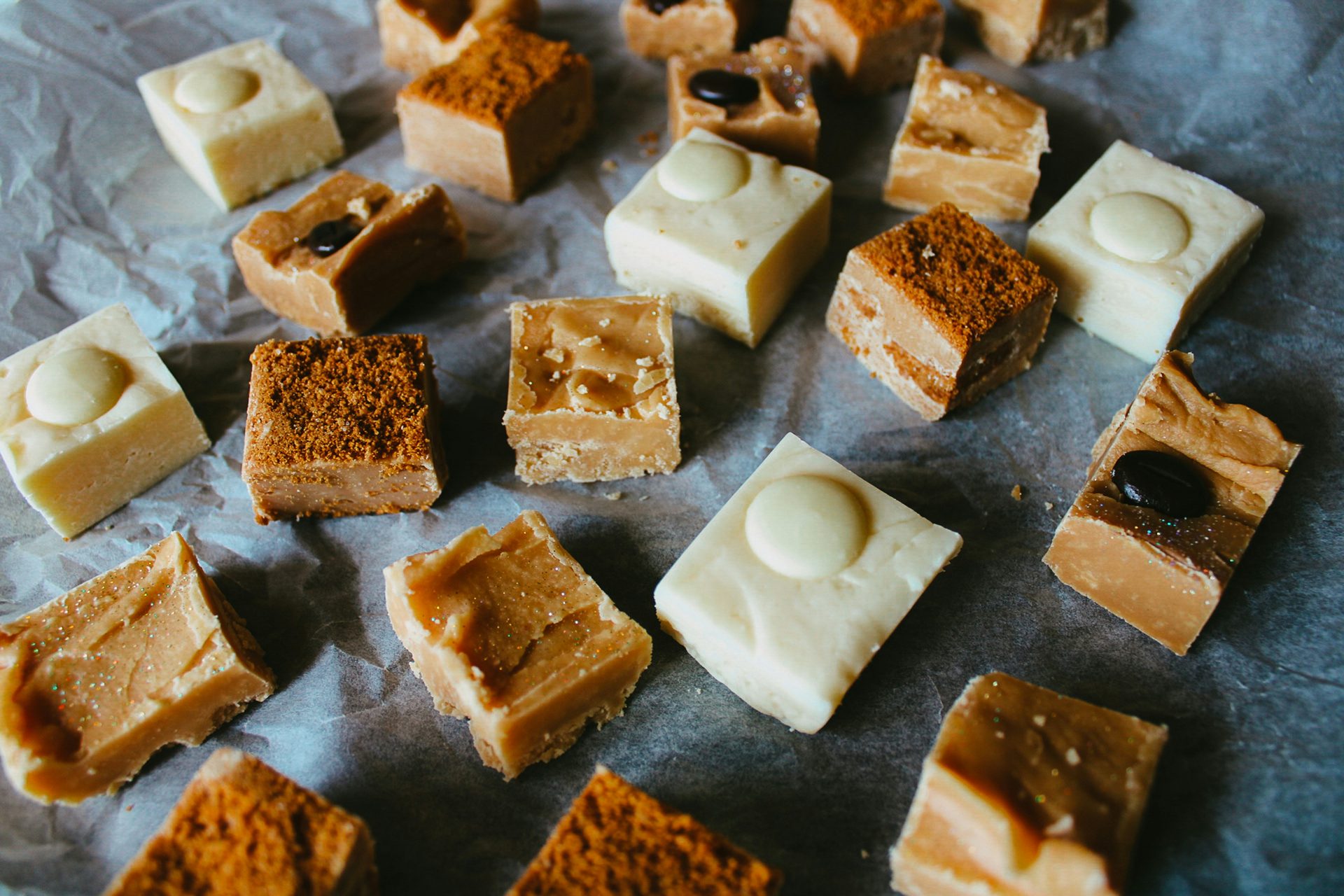
Whether you made a double batch of chocolate fudge for the holidays or picked up more than you can eat from a candy shop, freezing is one of the smartest ways to make it last. The good news is that fudge handles the freezer surprisingly well — but only if you do it right.
This guide walks you through everything: how freezing affects texture and taste, the correct way to wrap and store fudge, how long it keeps, and what to do with it once it thaws. You’ll also find out which types of fudge freeze best and which need a little extra attention.
Can You Freeze Fudge?
Yes — fudge can be frozen, and most fudge recipes will freeze and thaw well. The texture of the fudge matters here; fudge with a denser texture tends to freeze better than fudge with a lighter texture. Classic recipes built on sugar, butter, and dairy are the best candidates.
Classic fudge is high in sugar and relatively low in “free” water, so freezing mainly preserves texture and flavor rather than making it shelf-stable in a food-safety sense. That high sugar content is actually what makes fudge so freezer-friendly — fudge has a long shelf life because it has a high sugar content. When the concentration of sugar reaches a certain level, all the water in the fudge is bound by sugar, leaving no space for microorganisms to grow.
All types, including chocolate, nutty, and layered fudge, can be frozen. Fudge with heavy cream, butter, and sugar freezes best. Fudge made with condensed milk — one of the most common homemade recipes in the US — freezes well too. The high fat content in condensed milk makes it a great candidate for freezing, and you’ll see minimal changes to the texture once frozen.
Pro Tip: If you know you’re going to freeze a batch, use high-quality butter and chocolate when making it. According to Cozymeal , higher-quality, high-fat ingredients freeze and thaw best.
Does Freezing Change the Texture or Taste of Fudge?
In most cases, freezing will not drastically change the taste of fudge. However, subtle differences can sometimes be noticed, especially after a longer storage period. The primary changes are more likely to be in texture than in the fundamental flavor profile.
When you freeze fudge, the texture might change a little, especially if it has low-fat ingredients or toppings that don’t freeze well. Possible dryness can occur — fudge can lose its creamy texture when frozen too long or improperly. Low-fat or reduced-sugar fudge may thaw with a gritty or crumbly texture.
A grainy texture is often caused by ice crystal formation during freezing. This is more likely to occur with fudge that has a higher water content. While you can’t completely eliminate the risk of graininess, proper wrapping and slow thawing can help minimize it.
Fudge with a higher moisture content or those containing soft fillings like marshmallows or cream may become a little softer or stickier upon thawing. While the taste should remain largely unaffected, keep this potential textural shift in mind. Fudge made with a drier base, like traditional chocolate or peanut butter fudge, tends to freeze and thaw with minimal textural changes.
The other main risk is odor absorption. If frozen and thawed correctly, freezing should not change the taste. The key is wrapping it properly to prevent it from absorbing any stray odors from your freezer.
How to Freeze Fudge the Right Way
The wrapping process makes or breaks frozen fudge. The most important, non-negotiable step is making sure the fudge is fully set before freezing. Attempting to freeze warm fudge will create condensation inside the packaging — that moisture turns into ice crystals, which will ruin the texture and lead to freezer burn.
Let the fudge set and cool completely at room temperature for at least 4–6 hours, or overnight for a large batch. Do not rush this by putting it in the refrigerator. The rapid temperature change can cause the sugar to recrystallize, resulting in a grainy texture before it even sees the freezer.
Once it’s fully cooled and set, follow these steps:
- Cut into portions. Store the fudge cut into smaller pieces and individually wrapped so you don’t have to defrost all the fudge at once and can keep the remaining pieces in the freezer for later.
- Separate the layers. If you are wrapping multiple individual pieces of cut fudge in a stack, place wax or parchment paper between each layer.
- Wrap tightly. Use wax paper or plastic wrap plus aluminum foil or a freezer bag for a double wrap method.
- Add a second barrier. Place the wrapped bundle of fudge in a freezer bag and remove as much air as possible. You can also store the fudge in an airtight freezer-safe container.
- Label and date it. Write the date and type on the container — especially important if you’re freezing multiple flavors at once.
- Freeze flat. Do not store anything on top of the fudge while it fully freezes. It takes 6–12 hours for the fudge to fully freeze. Once it’s fully frozen, you can place other items on top of it.
Freezing fudge in one large block reduces the surface air exposure, which can help prevent the fudge from drying out. That said, smaller portions thaw faster and reduce the temptation to refreeze leftovers.
Freezing Fudge With Toppings or Mix-Ins
Not all fudge toppings handle the freezer equally. Whether you’re making a mix-in-filled fantasy fudge or just want to add a few nuts, freezing fudge with toppings can be successful. Stirring the toppings into the fudge instead of sprinkling them on top is a good idea if you’re already planning to freeze it. If you really want to keep toppings on top, press them firmly into the fudge instead of just sprinkling them over it.
Toasting nuts before mixing them in is also an excellent hack for retaining their crunch in frozen fudge. On the other hand, fresh fruit is not recommended for freezing — it contains a lot of water and can cause texture changes during the freezing and thawing process.
Pro Tip: Store fudge away from strong-smelling foods in your freezer. Even well-wrapped fudge can pick up odors from items like fish or onions if they share a shelf.
How Long Can You Freeze Fudge?
Fudge can typically be frozen for up to 2 to 3 months, but flavor and texture are best preserved within 1 to 2 months, as long as it is properly wrapped and kept in an airtight container.
For the best taste and texture, aim to consume your frozen fudge within 3 months. Technically, if wrapped impeccably, it can remain safe to eat for up to 6 months, but you risk a decline in quality. The flavor may start to fade, and the risk of freezer burn increases over time. The 3-month mark is the sweet spot for enjoying it at its peak.
For context, here’s a quick comparison of fudge storage options:
| Storage Method | Shelf Life | Best For |
|---|---|---|
| Room temperature (airtight) | 1–2 weeks | Short-term, immediate use |
| Refrigerator (wrapped) | 2–3 weeks | Hot or humid climates |
| Freezer (double-wrapped) | Up to 3 months (peak quality) | Long-term storage, batch cooking |
According to International Desserts Blog , the best way to store fudge is at room temperature. Refrigeration will draw out the moisture from the fudge, causing it to be dry and crumbly. So if you’re storing fudge for more than two weeks, skip the fridge and go straight to the freezer.
How to Thaw Frozen Fudge
How you thaw fudge matters just as much as how you freeze it. The best way to thaw frozen fudge is slowly in the refrigerator. This allows the fudge to thaw evenly and helps minimize any changes in texture. Place the wrapped fudge in the refrigerator for several hours, or ideally overnight, until it is completely thawed.
The sudden change in temperature from the freezer to room temperature can cause texture changes in fudge. Therefore, it’s not recommended to thaw fudge at room temperature. Be sure to place frozen fudge in the refrigerator to thaw.
For the smoothest results, Eat Healthy 365 recommends a two-stage process: move the sealed bag or container from the freezer to the refrigerator and do not open it yet. Let it thaw slowly in the fridge for at least 8 hours, or preferably overnight. Once fully thawed in the fridge, take the fudge out and let it sit on the counter — still in its packaging — for about an hour to come to room temperature before serving. Then unwrap and enjoy.
Keeping it sealed during this process prevents moisture from beading on the surface as temperatures equalize. Never thaw fudge in the microwave — the heat is uneven and will melt the edges before the center softens.
Can You Refreeze Fudge After Thawing?
This is where most people run into trouble. Refreezing fudge is not recommended. It will degrade the texture, making it much more likely to become grainy and dry. It’s best to only thaw the amount of fudge you plan to eat.
If your fudge was thawed in the refrigerator and remains unexposed to room temperature for extended periods, it is generally safe to refreeze. However, each freeze-thaw cycle can potentially affect the texture and taste. To maintain quality, limit the number of times you refreeze it. Frequent temperature changes can cause the sugars in the fudge to crystallize, leading to a grainy texture.
The practical solution is simple: if you often find yourself with excess fudge, divide it into smaller portions before freezing. That way you only thaw what you need, and the rest stays untouched in the freezer.
Key Insight: Portion your fudge before freezing — think about how much you’d eat in one sitting and wrap each portion separately. This completely eliminates the need to refreeze.
How to Use Frozen Fudge (Best Uses After Freezing)
Once your fudge has fully thawed, you can enjoy it just like fresh. If all the necessary precautions have been taken and your fudge has been wrapped and stored correctly, you can expect to have delicious fudge on hand for up to three months. Unless the frozen fudge has been thawed incorrectly, its taste and texture should remain the same whether you eat it a week or three months after freezing.
Beyond eating it as-is, thawed fudge works well in a number of creative applications:
- Ice cream topping: Melt your fudge on ice cream by placing it in a saucepan with a splash to 1/3 cup of milk. Constantly stir until the fudge warms and softens. Pour the fudge sauce over your ice cream.
- Baking mix-in: Add thawed fudge to cookies, cakes, or bars by chopping it into small pieces and folding it into the batter.
- Hot drinks: Stir thawed fudge into coffee or hot chocolate for a rich, indulgent treat.
- Dessert garnish: Melt and spread thin layers over sections of birthday cake, or dribble melted chocolate fudge over cookies or biscotti. Freeze and cube it for party snacking, or dice it and sprinkle it over desserts.
- Gifting: Thaw individually wrapped pieces and package them in a gift box — they look and taste freshly made.
If your thawed fudge feels a bit firmer than you’d like, Your Chocolate Guys suggests wrapping it up in several layers of clear wrap or a sealed bag, which allows the moisture to re-permeate into the fudge and make it soft again.
Fudge is a fun ingredient to keep on hand for baking. If you enjoy experimenting with sweet treats in the kitchen, you might also want to explore unique foods and ingredients that can add unexpected flavor to your recipes.
Signs That Frozen Fudge Has Gone Bad
Frozen fudge is quite stable, but it can still go bad — especially if it wasn’t wrapped well or has been stored too long. According to The First Year Blog , here are the main warning signs to check for after thawing:
- Mold: Any visible mold means it’s a hard no — discard immediately.
- Texture or color changes: If the fudge is gritty, chalky, or has changed colors, toss it out.
- Deep cracks: Deep cracks mean the fudge has dried out completely.
- Slimy or cloudy coating: A slimy surface or cloudy film is a sign of moisture damage and spoilage.
- Off smell: A noticeable off smell is a direct indicator that your fudge is no longer good to eat.
- Off taste: If the fudge tastes sour or off in any way, it’s best to throw it out.
- Freezer burn patches: Look for signs of freezer burn, which appears as dry, discolored patches. Mild freezer burn on the edges can sometimes be trimmed away, but heavy freezer burn throughout means the quality has dropped too far.
Always check your fudge carefully after thawing. If you’re in doubt about its condition, it’s better to err on the side of caution and dispose of it.
Keeping your freezer organized and odor-free goes a long way toward protecting fudge and other stored foods. If you’re interested in how food storage and diet choices affect your overall health, check out these articles on whole plant-based foods and superfoods for a healthy heart for practical, food-focused guidance.
Frequently Asked Questions
Can You Freeze Store-Bought Fudge?
Yes. Store-bought fudge usually contains all sorts of additives to make ingredients last longer, so if you have store-bought fudge leftovers, the shelf life is going to be longer. Wrap it the same way you would homemade fudge — plastic wrap, then a freezer bag or airtight container.
Can You Freeze Fudge in the Pan?
Yes, you can freeze fudge in the pan as one slab, but smaller blocks thaw more evenly and reduce repeated thawing. If you do freeze it as a slab, wrap the entire pan tightly with plastic wrap and foil before placing it in a freezer bag.
Can You Freeze Peanut Butter Fudge?
Peanut butter fudge will freeze safely for up to three months. The high-fat content and low water content in peanut butter contribute to maintaining the original texture when frozen and thawed.
Does Fudge Need to Be Refrigerated?
Fudge is best stored at room temperature for 2 to 3 weeks wrapped up in wax paper. Refrigerating fudge will draw out the moisture and leave you with dry, crumbly fudge. If you need to store it longer than two to three weeks, go straight to the freezer instead.
How Do You Know When Frozen Fudge Is Fully Thawed?
It will take the fudge about 2–3 hours to thaw in the refrigerator. Some fudge may take longer, depending on the thickness. Once thawed, unwrap the fudge and slice into squares if needed. For thicker blocks or larger slabs, plan for an overnight thaw in the fridge to be safe.
Can You Freeze Cream Cheese Fudge?
Cream-cheese swirls or fresh fruit are more moisture-sensitive — you can freeze them, but aim to enjoy within 2–3 months. Cream cheese fudge is more prone to texture changes than classic butter-based fudge, so consume it sooner rather than later after thawing.